As The Champagne Guy, I've been intensively interested for some time in the question of which grape variety brings which aromas to champagne. It's fascinating how differently the seven authorized varieties of Champagne express themselves — and how skillfully winemakers use these characteristics to develop their very own signature.
Chardonnay: The Queen of Elegance
The Aroma Profile of Chardonnay
For me, Chardonnay is the most refined of all champagne grape varieties. Its aromas develop in different directions depending on Terroir and vinification, but some characteristics remain constant: the crystalline minerality, the citrus-fresh acidity, and that incomparable elegance that distinguishes a good Blanc de Blancs.
In the Côte des Blancs, the heartland of Chardonnay, champagnes are created with pronounced chalk and mineral aromas. The subsoil of pure chalk gives the grapes this typical "craie" note — a powdery-mineral aroma reminiscent of freshly broken chalk.
The citrus aromas range from green lemon to grapefruit to bergamot. With longer aging, these develop into more complex notes like candied lemon peel or orange blossom honey.
Concrete Champagne Examples
The Salon Le Mesnil 2013 shows Chardonnay in its purest form: intense chalk minerality, green citrus fruits, and an acid structure that forms the backbone of the entire champagne. After years of aging, a fascinating complexity of roasted hazelnuts and brioche develops.
Pierre Gimonnet & Fils Cuis 1er Cru demonstrates the more floral side of Chardonnay: acacia blossoms, white peaches, and a subtle vanilla note from aging in old wooden barrels.
Pinot Noir: Structure and Red Fruit Power
The Aroma World of Pinot Noir
Pinot Noir brings the foundation to champagne Assemblage. This grape variety provides body, structure, and those wonderful red fruit aromas that make a champagne truly complex.
The red fruit aromas range from fresh strawberries and raspberries to darker notes like black currants or sour cherries. In the Montagne de Reims, where the best Pinot Noir sites are found, spicy components often develop as well: black pepper, cinnamon, and sometimes even a slight smoky note.
What particularly fascinates me: Pinot Noir from different subregions of Champagne shows completely different characteristics. In Aÿ, powerful, structured wines are created, while Ambonnay produces more elegant, floral Pinot Noir champagnes.
Champagne Examples for Pinot Noir
Bollinger Vieilles Vignes Françaises — a 100% Pinot Noir from ungrafted vines — shows the grape variety in its most concentrated form: intense red berries, cloves, and an almost Burgundian complexity.
Egly-Ouriet Les Vignes de Vrigny proves how elegant Pinot Noir can be: red currants, rose petals, and a mineral freshness that comes from the chalk slopes of the Montagne de Reims.
Pinot Meunier: The Underestimated Charmer
Tropical Aromas and Soft Roundness
Pinot Meunier is often underestimated, but I consider this grape variety absolutely essential in many champagne Cuvées. It brings a very distinctive aroma family: tropical fruits, a soft texture, and that wonderful approachability that makes a champagne immediately charming.
The tropical aromas range from pineapple and mango to more exotic notes like passion fruit or lychee. At the same time, Pinot Meunier provides a creamy texture and a certain sweetness that perfectly balances the acidity of Chardonnay and the tannic structure of Pinot Noir.
Concrete Examples for Pinot Meunier
Jérôme Prevost La Closerie — a varietal Pinot Meunier — shows the full range of this grape variety: yellow fruits, honeydew melon, and an almost buttery texture that comes from the skin contact fermentation.
Laherte Frères Les Beaudiers combines Pinot Meunier with a touch of Chardonnay and shows how harmoniously tropical fruit notes can blend with floral elements.
The Rare Grape Varieties: Hidden Treasures
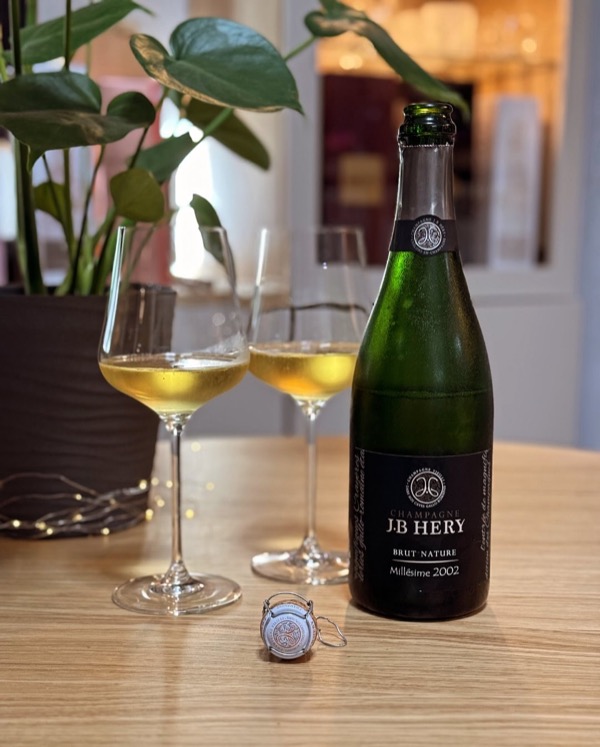
🍾 Heute im Glas: J.B Héry - Millésime 2002 - Brut Nature – ein spannender Fund aus meinem letzten Einkauf. Gerade erst frisch in den Keller…
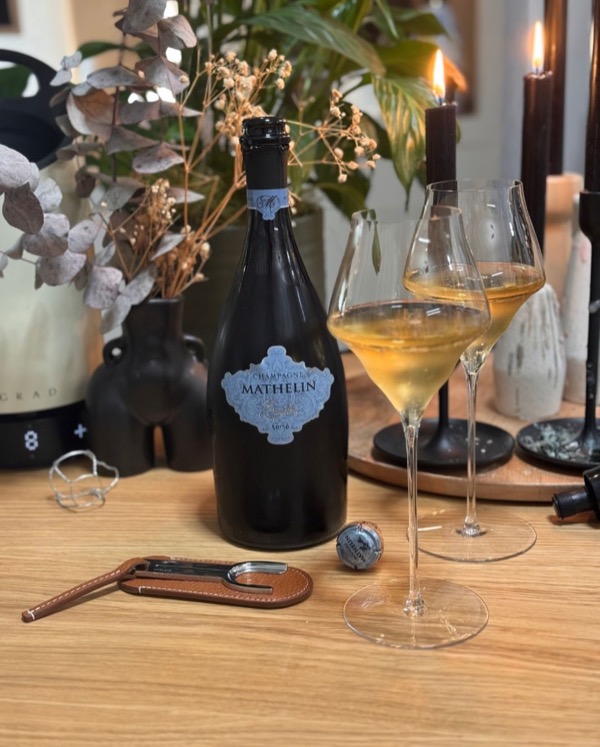
Manchmal sagt ein minimalistisches Etikett schon alles: Beim „Équilibre“ von @champagne_mathelin ist der Name absolutes Programm! Auf der Flasche…
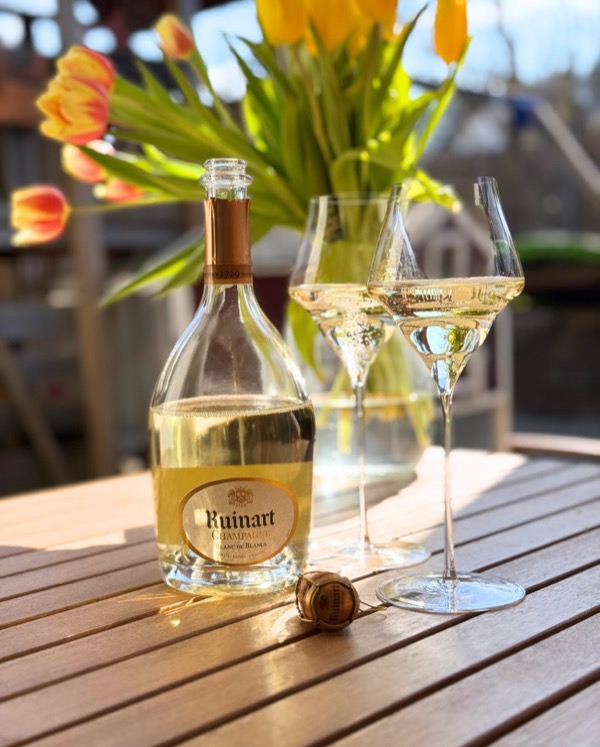
Kaum zeigen sich die ersten warmen Sonnenstrahlen, zieht es uns raus – raus auf die Terrasse, raus in den Garten. Die Hasen dürfen nach Monaten…
Pinot Blanc: Floral Finesse
Pinot Blanc brings a very special floral component to champagne Cuvées. The aromas are reminiscent of white flowers — jasmine, linden, and sometimes elderflowers as well. Aubry Premier Cru Le Nombre d'Or uses Pinot Blanc as one of seven building blocks and shows how this grape variety adds additional complexity.
Petit Meslier: Intense Minerality
This rare grape variety brings an almost aggressive minerality — even more than Chardonnay. The few champagnes that contain Petit Meslier show aromas of flint and wet chalk. Laherte Frères uses small amounts in some Cuvées.
Arbane and Fromenteau: Historical Aroma Worlds
Arbane provides spicy, almost peppery notes, while Fromenteau (the local name for Pinot Gris) contributes a certain opulence and fruit concentration. Both varieties are found in the historical Cuvées from Aubry, which revive the aroma world of the 19th century.
Food Pairing by Grape Varieties
Chardonnay-dominated Champagnes
Pair perfectly with oysters, scallops, and grilled turbot. The mineral freshness harmonizes wonderfully with seafood, while the elegance of Chardonnay emphasizes the delicacy of the dishes.
Pinot Noir Champagnes
Ideally accompany smoked salmon, duck breast, or strong cheese varieties like aged Comté. The structure of Pinot Noir can keep up with more intense aromas.
Pinot Meunier Champagnes
Harmonize brilliantly with Asian cuisine, curries, or tropical fruits. The exotic aromas of the grape variety create a natural bridge to spicy and fruity dishes.
The art of champagne production ultimately lies in understanding these different aroma worlds of the grape varieties and skillfully combining them. Each grape brings its very own personality — and as a champagne lover, one can endlessly explore and enjoy this diversity.
My Posts About This
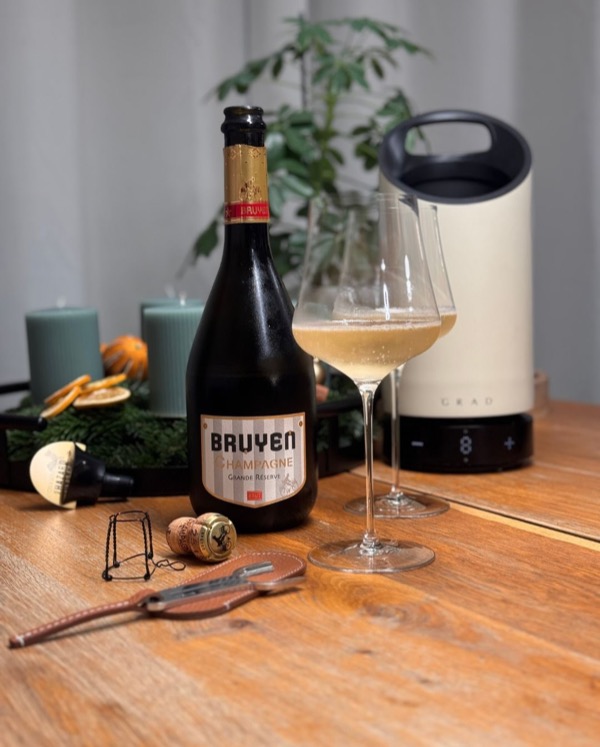
Heute der Grande Réserve von @champagnebruyen – ein 50/50-Blend aus Chardonnay und Pinot Noir, Jahrgang 2019, extra brut mit 4 g/l. Schon im Glas…
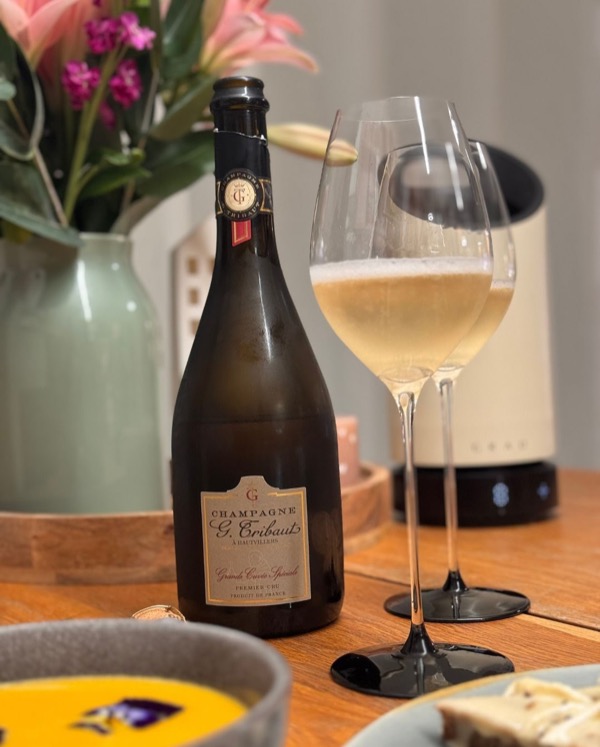
Gestern Abend gab’s eine Kombination, die fast zufällig entstanden ist – und trotzdem perfekt gepasst hat. Zur cremigen Kürbissuppe und einem Trio…
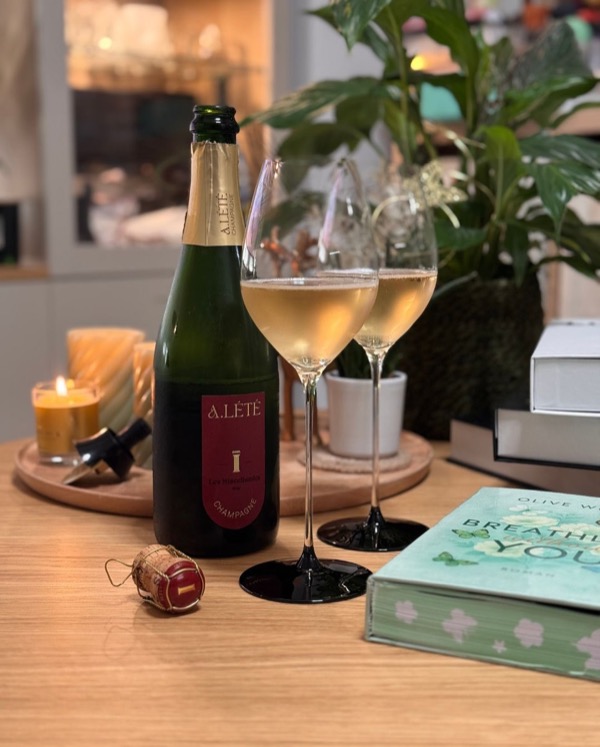
Was tut man eigentlich mit einem Buch, wenn es fertig geschrieben ist – aber man noch nicht weiß, ob Verlag, Agentur oder doch Self-Publishing?…