As a long-time champagne enthusiast, I constantly encounter the fascination and simultaneous confusion that green aromas in champagne can trigger. These vegetal notes are like a tightrope walk – they can both underscore the refreshing youthfulness of a champagne and indicate problematic immaturity. Today I'm taking you on a journey through the world of green aromas and showing you how to interpret them correctly.
What are green aromas in champagne?
Green aromas encompass a broad spectrum of vegetal and herbal notes: freshly cut grass, herbs like basil or mint, green apple, lime zest, but also earthy notes like damp leaves or even green bell pepper. These aromas arise from various chemical compounds, particularly pyrazines and certain terpenes, which occur naturally in grapes or develop during winemaking.
The positive side: Freshness and elegance
Youthful vitality
In their positive expression, green aromas lend champagne wonderful freshness and liveliness. A hint of green apple in a young Blanc de Blancs can perfectly underscore the crisp acidity and give the champagne an almost athletic elegance. These aromas often signal youth and potential – they're like the first breath of spring that creates anticipation for more.
In my tastings, I repeatedly experience how a subtle herbal fragrance – perhaps of fresh mint or lemon balm – tremendously enlivens a champagne. These notes bring complexity and depth without being intrusive. They create a perfect balance to the fruitiness and can give a champagne an almost meditative quality.
Terroir expression
Green aromas can also represent a wonderful terroir expression. The cool, chalky soils of Champagne favor the development of subtle vegetal notes that give champagne an unmistakable identity. A champagne from the Côte des Blancs often shows this elegant, mineral greenness that harmonizes perfectly with the chalk.
The downside: Immaturity and problems
Signs of unripe grapes
However, when green aromas become too dominant or appear in unbalanced form, they can indicate problems. Strongly pronounced notes of green bell pepper, excessively grassy tones, or an aggressive, almost piercing greenness often point to unripe grapes. These arise when the grapes hadn't yet reached optimal ripeness at harvest.
I remember a tasting where a champagne smelled so intensely of freshly cut grass that it was almost disturbing. This wasn't a sign of elegance, but a clear indication that the grapes were harvested too early or the vintage was particularly cool.
Grape varieties and their green characteristics
Chardonnay: The apple specialist
Chardonnay is the grape variety that most frequently develops green apple aromas. These can range from crisp-fresh to unripe-tart. In a well-made Blanc de Blancs from the Côte des Blancs, I often find this wonderful note of green Granny Smith apple that harmonizes perfectly with the mineral structure.
This characteristic shows particularly impressively in Pierre Peters "Cuvée de Réserve" or the "Grand Cru" from Salon – here the green apple unfolds an elegant complexity that tremendously enlivens the champagne.
Pinot Meunier: The herb artist
Pinot Meunier often brings more complex vegetal notes. Here I frequently find aromas of fresh herbs, sometimes even basil or oregano. This grape variety can also develop earthy, almost mushroom-like green tones that give champagne depth and character.
A perfect example is the "Brut Tradition" from Krug, in which the Meunier component contributes wonderful herbal notes that give the champagne an unmistakable complexity.
Pinot Noir: Subtle nuances
Pinot Noir shows green aromas more subtly, often in the form of herbs or sometimes even green tea. These notes are usually less dominant but can give champagne an interesting facet.
Vintages and climatic influences
Cool vintages
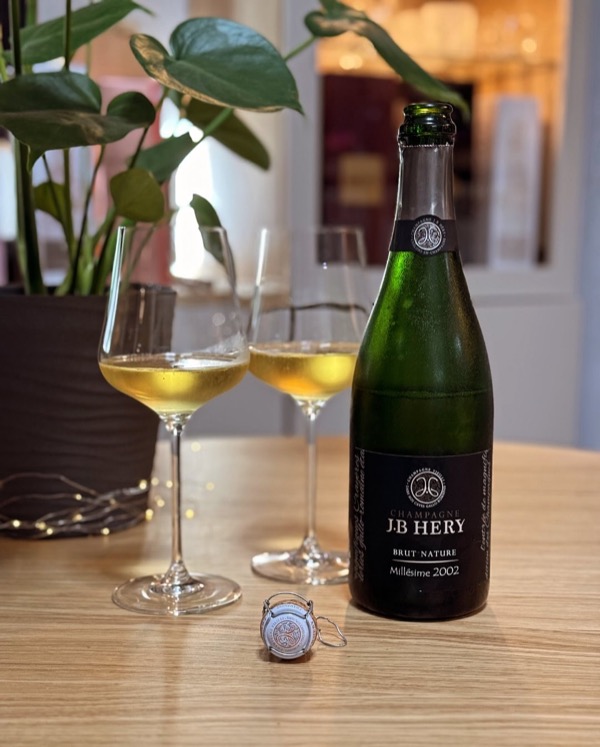
🍾 Heute im Glas: J.B Héry - Millésime 2002 - Brut Nature – ein spannender Fund aus meinem letzten Einkauf. Gerade erst frisch in den Keller…
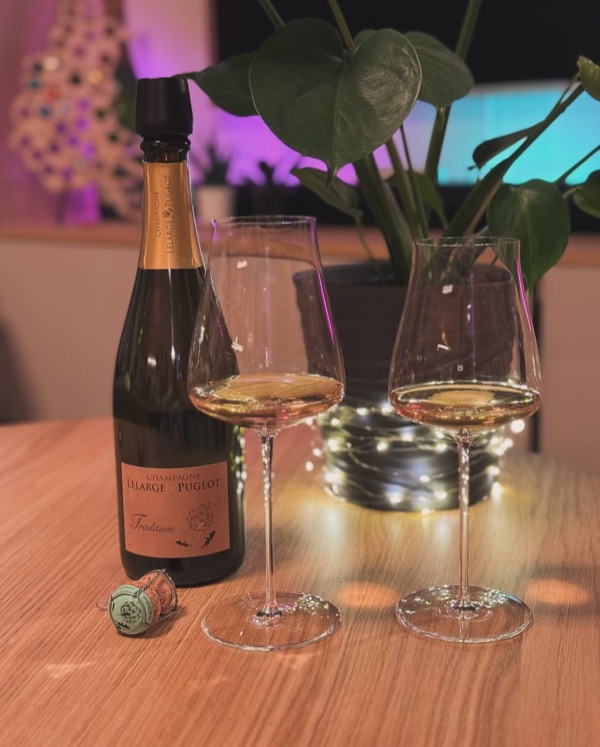
Vor über 10 Jahren habe ich im Rahmen eines Projekts für eine Weinverkostung und ein Feature in einem Print-Magazin Gläser von @eisch_glass ,…
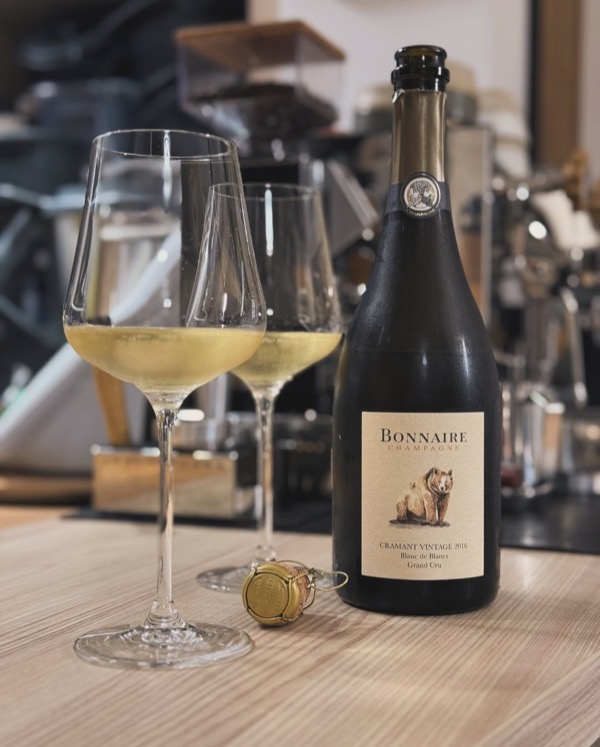
Diese Woche kam eine frische Lieferung direkt aus der Champagne bei mir an – Drei spannende Flaschen von @bonnaireclouet . Für den Auftakt habe ich…
Cool vintages significantly favor the development of green aromas. Years like 2007, 2011, or 2013 often produced champagnes that showed significantly more vegetal notes than warmer vintages. This isn't automatically negative – it depends on the balance.
In cool years, grapes often have more difficulty achieving complete phenolic ripeness, leading to more pronounced green characteristics. Skilled winemakers can use these conditions to create particularly elegant, mineral champagnes.
Warm vs. cool regions
Within Champagne, different regions show varying tendencies toward green aromas. The Côte des Blancs with its cool, east-facing slopes often produces champagnes with more pronounced vegetal notes than the warmer sites of the Montagne de Reims.
Specific champagne examples
Positive green aromas
The "Blanc de Blancs" from Billecart-Salmon shows beautiful green apple notes that harmonize perfectly with the creamy mousse. Here the greenness is elegant and invigorating, never disturbing.
Mumm "R. Lalou" often develops fine herbal notes that give the champagne special depth. The vegetal nuances are here perfectly integrated into the overall composition.
Problematic expressions
Unfortunately, I can also report less successful examples: champagnes from difficult vintages where green bell pepper aromas became so dominant that they overshadowed the entire flavor profile. These wines seemed unbalanced and immature.
Food pairing with green champagne aromas
Seafood and fish
Champagnes with pronounced green notes harmonize wonderfully with fresh oysters, scallops, or delicate turbot. The vegetal aromas underscore the minerality of the seafood and create exciting flavor bridges.
Herbs and salads
A champagne with herbal notes is the perfect companion to a fresh herb salad or carpaccio with arugula and Parmesan. The green aromas in the champagne are reflected in the ingredients and create harmonious flavor experiences.
Goat and fresh cheese
The vegetal notes also harmonize wonderfully with creamy goat cheese varieties or fresh ricotta with herbs. The combination of the champagne's acidity and green aromas brings out the cheese's freshness optimally.
My posts about this
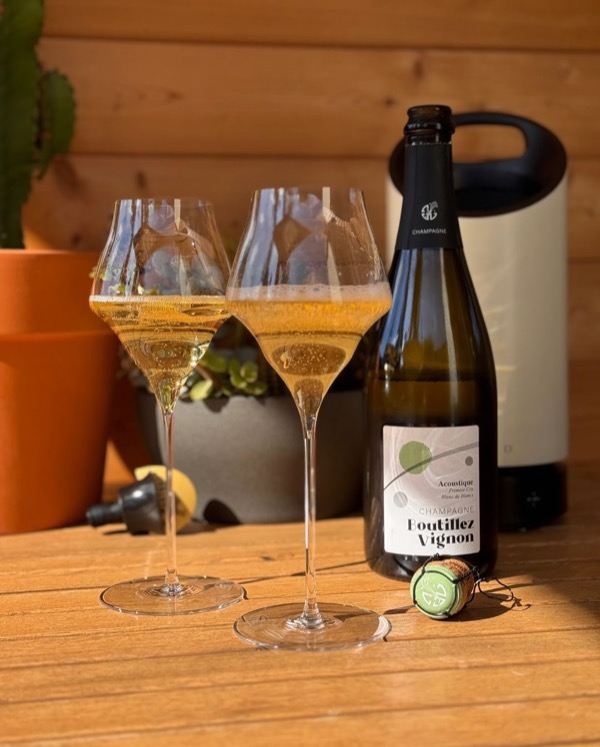
Der gestrige Vormittag war noch voll mit Aufräumen, Wäschewaschen und dem üblichen Sonntag: alles für die neue Woche vorbereiten, ein bisschen…
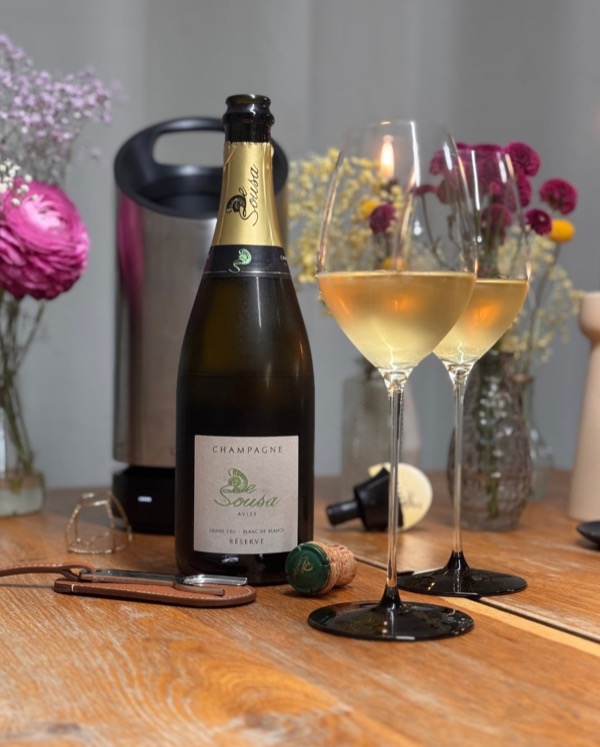
Heute habe ich einen herausragenden Blanc de Blancs geöffnet: Die „Grand Cru Réserve“ von @champagnedesousa aus Avize. Die Familie De Sousa arbeitet…
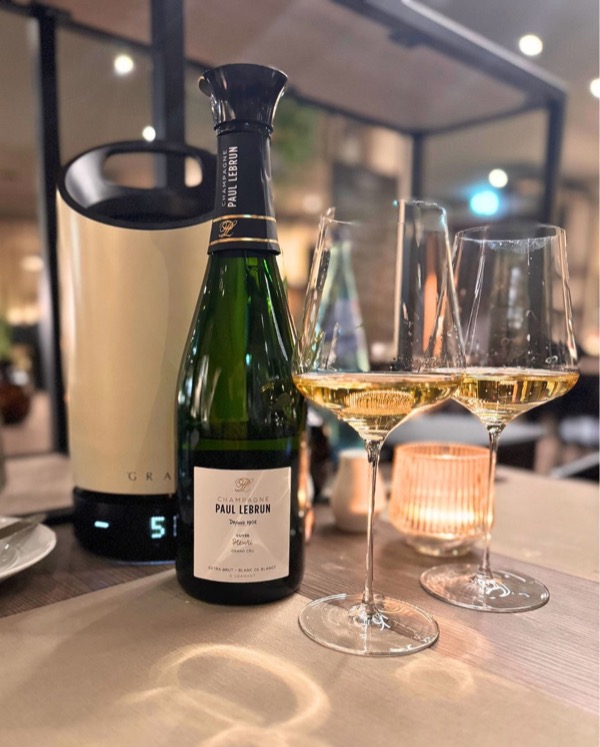
Kennt ihr das? Man ist unterwegs, freut sich nach einem langen Tag auf ein solides Abendessen im Hotel – und dann der Blick in die Weinkarte: Kein…
Conclusion: The art of balance
Green aromas in champagne are like a spice – in the right dosage they provide elegance and complexity, overdosed they can ruin the entire flavor profile. As a champagne lover, I've learned to appreciate these nuances and interpret them correctly.