When I tasted my first Krug Grande Cuvée years ago, that warm brioche note hit me like lightning. Suddenly I understood why Champagne connoisseurs rave about "yeast aromas." These wonderful, bready notes aren't just characteristic of great Champagnes – they tell a story of time, patience, and biochemical magic.
What are yeast aromas and how do they develop?
Yeast aromas in Champagne are the result of a fascinating process called autolysis. After the second fermentation in the bottle, the yeast cells die and begin to decompose. This releases amino acids, proteins, and other compounds that give Champagne its characteristic bready, nutty, and creamy aromas.
These aromas range from fresh yeast notes to warm brioche to toasted bread and buttery biscuits. The longer a Champagne lies on its lees, the more complex and intense these notes become.
Autolysis: Biochemistry meets pleasure
The mechanism of autolysis
Autolysis begins about 12-18 months after the second fermentation. The yeast cell walls become permeable, internal enzymes break down the cellular components. This process is temperature-dependent – in the cool cellars of Champagne it proceeds slowly and evenly, which benefits the quality.
Important aromatic compounds from autolysis:
- Amino acids (bready base character)
- Mannoproteins (creamy texture)
- Nucleotides (umami-like complexity)
- Fatty acids (nutty, buttery notes)
Time factor: Why longer aging matters
Here's where it gets exciting: The legally required 15 months of lees aging is just the beginning. Only after 2-3 years do the characteristic brioche notes really develop. Champagnes with 5-10 years of lees aging show the most complex yeast aromas.
Aromatic development over time:
- 12-18 months: Fresh yeast notes, lightly bready character
- 2-3 years: First brioche and croissant aromas
- 4-6 years: Pronounced toast and biscuit notes
- 7+ years: Complex nut, butter, and pastry aromas
Fresh yeast vs. mature brioche notes
Young yeast aromas (12-24 months)
In young Champagnes, fresh, sometimes almost raw yeast notes dominate. These remind one of:
- Fresh bread from the bakery
- Raw cake batter
- Lightly malty tones
- Subtle creaminess
Mature yeast aromas (3+ years)
Over time, these notes transform into warm, inviting aromas:
- Golden brioche with butter
- Toasted baguette
- French croissants
- Butter cookies and biscuits
- Hazelnuts and roasted almonds
Grape varieties and their yeast aroma affinity
Chardonnay: The yeast aroma king
Chardonnay is predestined for complex yeast aromas. The grape variety has a natural affinity for autolysis and develops particularly elegant brioche notes. Blanc de Blancs Champagnes often show the purest and finest yeast aromas.
Pinot Noir: Power meets bread
Pinot Noir brings structure to yeast aromas. The red grapes provide more body and can develop toast-like, sometimes even rye bread-like notes. Especially in prestige cuvées, Pinot Noir unfolds wonderful bread-spice combinations.
Pinot Meunier: The underestimated one
Meunier is often overlooked but brings interesting, rather rustic yeast aromas. Think warm country bread or braided sweet bread – less elegant than Chardonnay, but charming and inviting.
Champagne examples with pronounced yeast aromas
Krug Grande Cuvée: The brioche masterpiece
Krug is legendary for its yeast aromas. The Grande Cuvée with its unique vinification (all wines ferment in small oak barrels) and long lees aging develops incomparable brioche notes. Think warm butter, roasted hazelnuts, and freshly baked bread.
Bollinger Grande Année: Time makes the difference
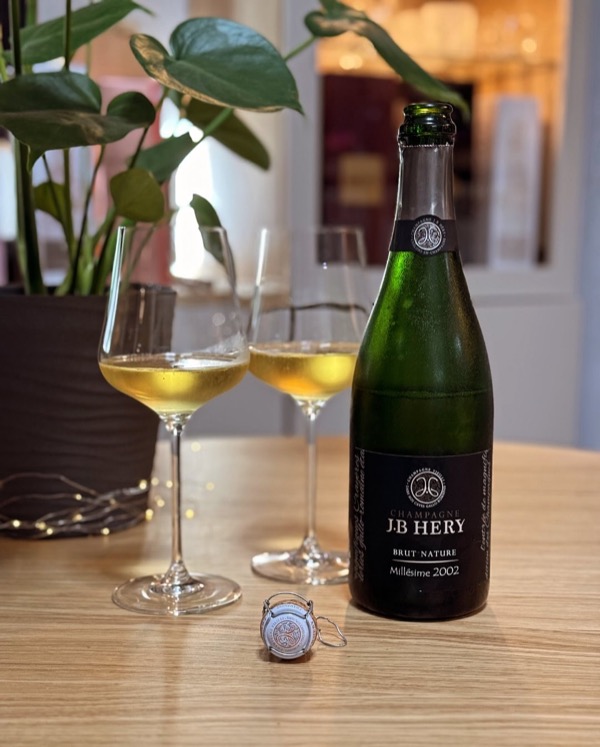
🍾 Heute im Glas: J.B Héry - Millésime 2002 - Brut Nature – ein spannender Fund aus meinem letzten Einkauf. Gerade erst frisch in den Keller…
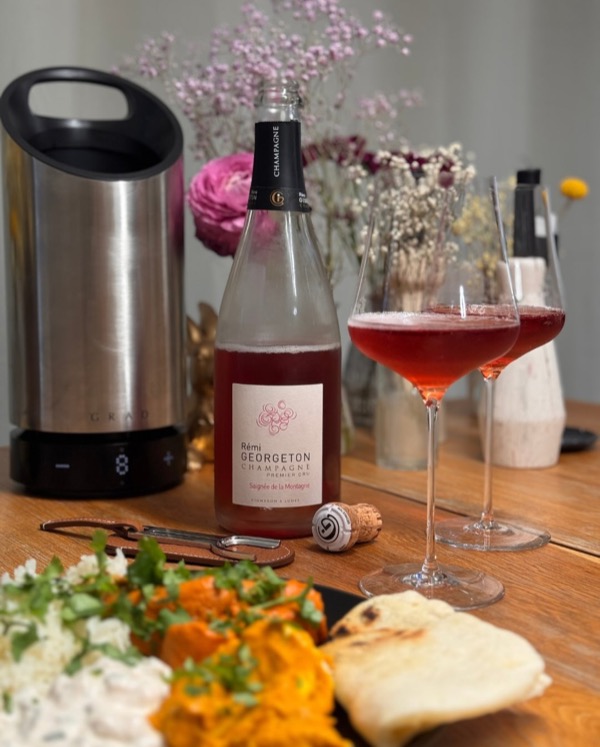
Bei uns kommt ja regelmäßig indisch auf den Tisch, und dieses Mal gab es das volle Wohlfühl-Programm: Butter Chicken, Royal Paneer, erfrischendes…
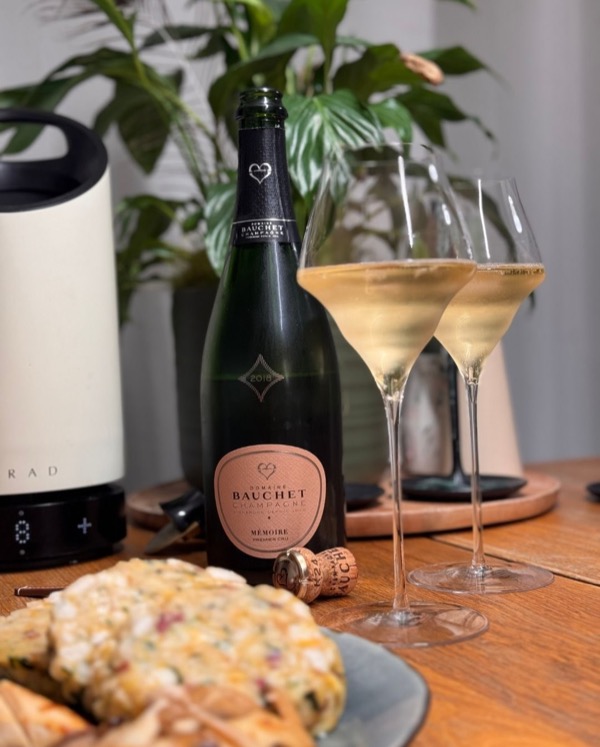
Der Mémoire 2018 von @domainebauchet schien mir ein Champagner zu sein, der ein passendes Pairing verdient hat. Daher habe ich ihn gestern zu…
A mature Bollinger Grande Année (10+ years) is a yeast aroma festival. The combination of Pinot Noir dominance and extremely long lees aging creates complex toast and biscuit notes with a touch of honey.
Dom Pérignon: Elegant maturity
A 10-year-old Dom Pérignon shows how yeast aromas can develop. The characteristic brioche notes combine with floral and mineral elements into a harmonious whole.
Pol Roger Winston Churchill: Power and finesse
This prestige cuvée needs time but rewards with spectacular yeast aromas. After 8-10 years of cellar aging, it develops intense notes of toasted bread and butter pastries.
Recognizing yeast aromas when tasting
Aromatic indicators
Typical yeast aroma descriptors:
- Brioche, croissant, pain au chocolat
- Toast, baguette, white bread
- Biscuit, cookies, butter cookies
- Braided sweet bread, stollen, sweet pastries
- Nuts: hazelnut, almond, walnut
- Butter, cream, crème fraîche
Sensory tips
Yeast aromas show particularly in the nose, but also on the palate. I always let the Champagne warm up a bit (8-10°C instead of 6-7°C) – this way the yeast aromas develop better. A large Burgundy glass also helps with aroma development.
Tasting sequence:
- First nose: Immediate impression of yeast aromas
- Swirling: Intensification of bready notes
- Second nose: Differentiation of aromas
- On the palate: Creamy texture and longer finish
Regional differences and style
Côte des Blancs: Elegant yeast aromas
The Chardonnay sites of the Côte des Blancs produce particularly fine, elegant yeast aromas. Think butter croissants from a French pâtisserie.
Montagne de Reims: Powerful toast notes
The Pinot Noir-dominated Champagnes of this region develop more powerful, sometimes even rye bread-like yeast aromas. More body, more intensity.
Vallée de la Marne: Rustic warmth
Here, where Pinot Meunier is king, charmingly rustic yeast aromas develop. Less elegant, but very inviting and down-to-earth.
Food pairing: Yeast aromas at the table
Classic pairings
Perfect matches:
- Oysters and yeast-rich Champagne: The creamy notes harmonize perfectly with the mineral sea note
- Foie gras pâté: The buttery yeast aromas enhance the luxury character
- Pastries and patisserie: Like with like – a dream pair
- Soft cheese: Camembert or Brie with yeast-rich Champagnes is pure magic
Surprising combinations
My secret tips:
- Fresh sashimi: The yeast aromas bring warmth to cold fish
- Mushroom dishes: Morels
My posts about this
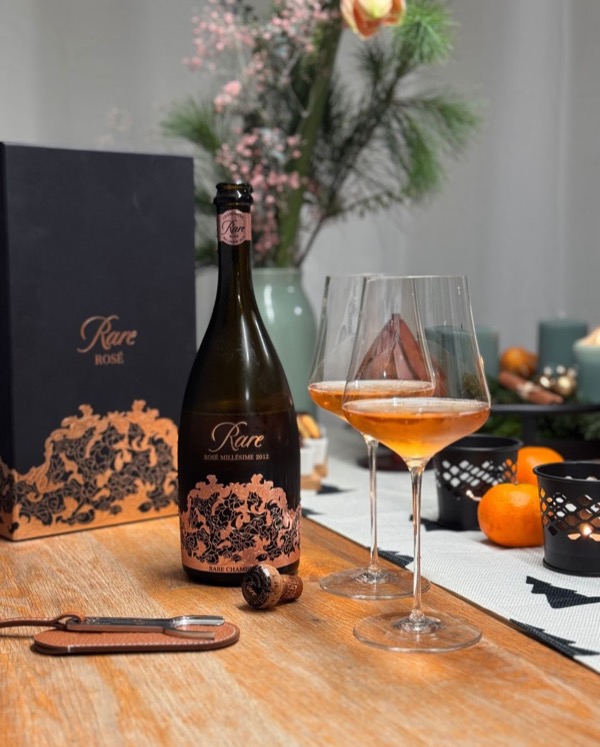
Es gibt Flaschen, die man für besondere Momente aufhebt – und sich irgendwann fragt, wann dieser Moment eigentlich sein soll. Gestern, an Nikolaus,…
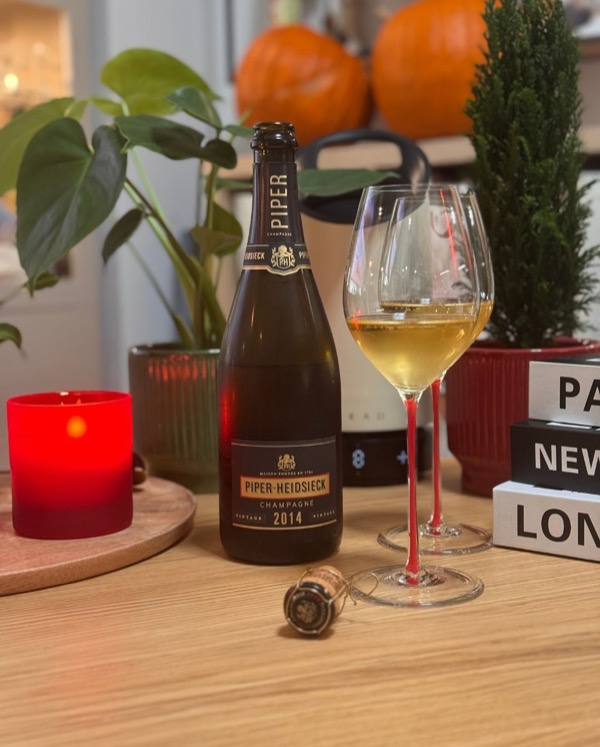
Wer kennt es nicht: Man will einfach mal abschalten – und greift trotzdem alle fünf Minuten wieder zum Handy. Noch eine Nachricht, noch eine Idee,…
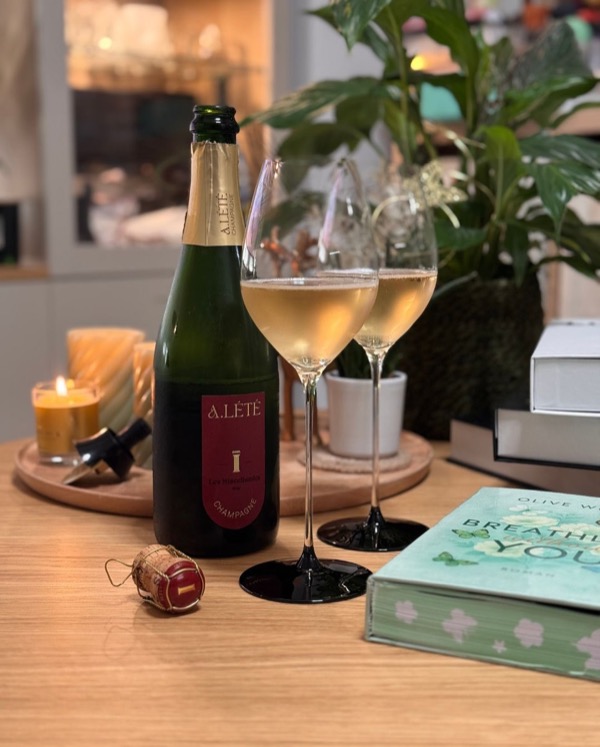
Was tut man eigentlich mit einem Buch, wenn es fertig geschrieben ist – aber man noch nicht weiß, ob Verlag, Agentur oder doch Self-Publishing?…