When I tasted my first truly aged champagne years ago — a 1996 Bollinger Grande Année — I was overwhelmed by the complexity of the sweet, honey-like notes that blended with caramelized nuances. This experience taught me that champagne isn't just a drink, but pure alchemy: time transforms fresh acidity into liquid gold.
The Development of Sweet Maturity Aromas
Maillard Reaction: The Chemistry of Sweetness
Honey and caramel aromas in champagne don't develop by chance — they're the result of complex biochemical processes that take years, often decades. The famous Maillard reaction, which normally occurs when heating proteins and sugars, also takes place during slow champagne aging.
In the bottle, natural amino acids react with residual sugar and other carbohydrates. This reaction proceeds extremely slowly at low temperatures, which is why true honey notes only appear after at least ten years of aging. The process is so subtle it's barely measurable — but all the more distinctive in terms of taste.
The Time Factor: When Do Honey Aromas Develop?
From what I've learned so far, first honey-like nuances in champagnes develop around the eighth to tenth year. However, truly pronounced, complex honey notes only emerge after 15-20 years. With exceptional vintages like 1996, 1985, or 1976, these aromas can even continue gaining intensity after 30-40 years.
The intensity depends heavily on grape variety composition: Pinot Noir-dominated champagnes often develop darker honey tones, while Chardonnay-heavy cuvées tend toward lighter, more floral honey nuances.
Honey Types: From Acacia to Forest Honey
Acacia Honey Character: Light and Floral
Champagnes with an acacia honey profile show light, almost crystalline sweetness with floral undertones. I find this characteristic particularly in aged Blanc de Blancs from the Côte des Blancs. The legendary Salon 1996 develops exactly this delicate acacia honey note after 25 years, paired with linden and hawthorn nuances.
Dom Pérignon 1996 also shows this light honey sweetness after two decades, though more complexly layered due to the Pinot Noir component. The acidity remains present but carries the honey aromas like a velvet glove.
Forest Honey Profile: Dark and Complex
Forest honey characteristics are much more intense and darker. These notes mainly develop in Pinot Noir-dominated champagnes from warm vintages. The Bollinger RD 1988, which I recently had disgorged, perfectly shows these dark honey tones with nut and dried fruit nuances.
Krug Grande Cuvée, even though it's a multi-vintage, often develops these complex forest honey aromas through its high proportion of reserve wines. The Pinot Meunier component additionally intensifies the earthy, dark sweetness nuances.
Caramel: The Sign of Ultimate Maturity
Caramel aromas are even rarer than honey notes and usually only develop after 20-25 years. They emerge through the progressive caramelization of natural sugars and are often associated with oxidative notes — but in a positive sense.
Butterscotch and Roasted Almonds
With exceptional champagnes like Veuve Clicquot La Grande Dame 1989 or Perrier-Jouët Belle Epoque 1985, I find these wonderful butterscotch nuances after three decades. They combine with roasted almond aromas and create a complexity that only time can create.
Grape Varieties and Their Honey Profiles
Chardonnay: Elegant Honey Sweetness
Chardonnay-based champagnes usually develop the finest, most elegant honey notes. The mineral structure of Côte des Blancs terroirs ensures perfect balance between acidity and developing sweetness. Champagnes like Pierre Peters Cuvée Spéciale Les Chétillons show beautiful linden blossom honey nuances after 15 years.
Pinot Noir: Powerful Honey Complexity
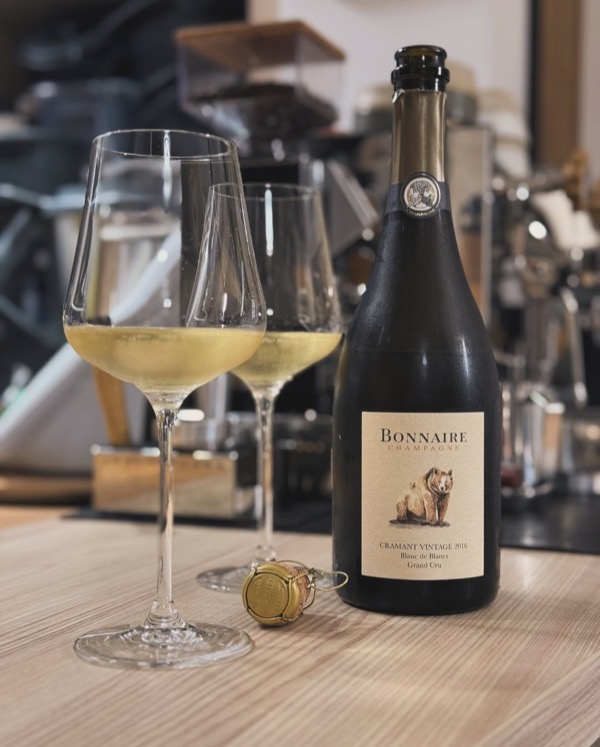
Diese Woche kam eine frische Lieferung direkt aus der Champagne bei mir an – Drei spannende Flaschen von @bonnaireclouet . Für den Auftakt habe ich…
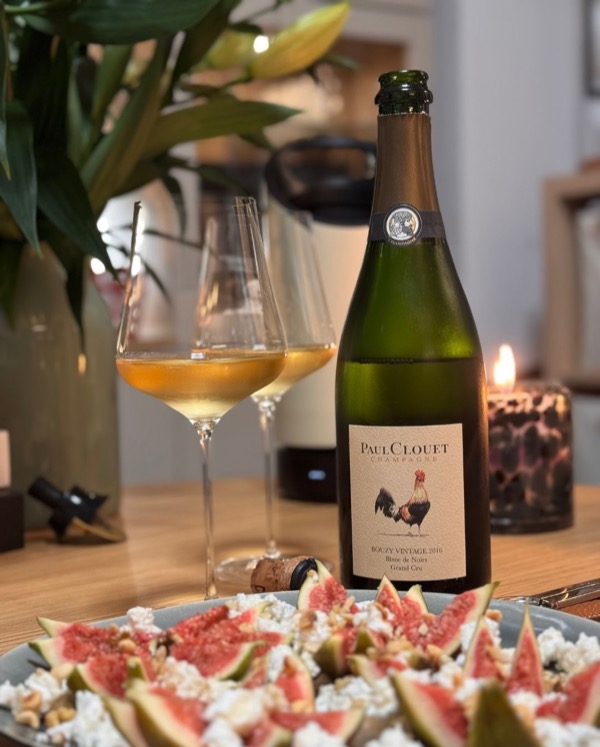
Bouzy Grand Cru ist die unangefochtene Heimat des Pinot Noir – und der 2016er Vintage von @bonnaireclouet ist die ultimative Hommage an dieses…
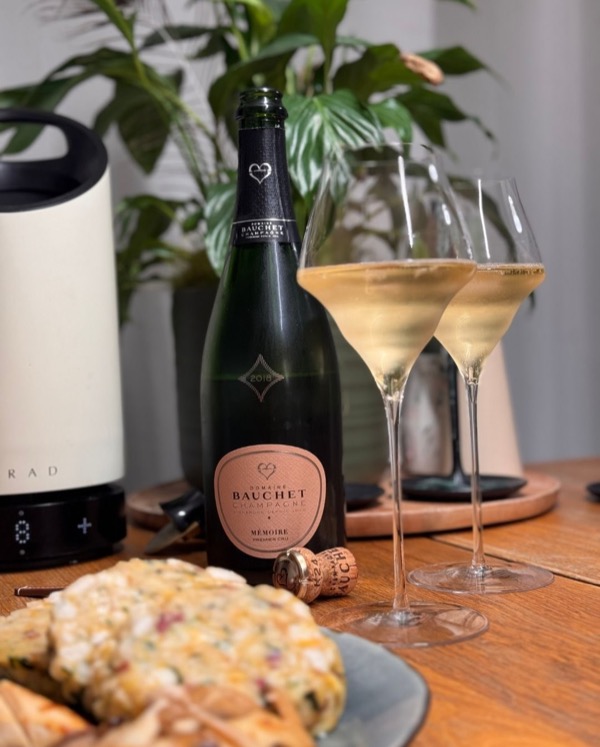
Der Mémoire 2018 von @domainebauchet schien mir ein Champagner zu sein, der ein passendes Pairing verdient hat. Daher habe ich ihn gestern zu…
Pinot Noir brings power and depth to honey development. Champagnes from the Montagne de Reims, like Mumm de Cramant or the single-vineyard champagnes from Egly-Ouriet, develop these characteristic dark honey tones with spicy undertones after long aging.
Pinot Meunier: Earthy Honey Nuances
Meunier intensifies the earthy, rustic aspects of honey development. In the Vallée de la Marne, champagnes are created that after decades of aging remind one of chestnut honey — complex, dark, and with slightly metallic nuances.
Specific Champagne Recommendations
Current Tasting Favorites
The Philipponnat Clos des Goisses 1999 shows perfect balance of acacia honey and caramelized pears after 24 years. The single vineyard significantly intensifies the concentration of these sweet maturity aromas.
Louis Roederer Cristal 1996 develops this incredible combination of light honey sweetness and mineral-saline notes after 27 years, perfectly reflecting the champagne terroir.
For darker honey profiles, I recommend Pol Roger Winston Churchill 1996 — after 25+ years it shows complex forest honey aromas with roasted hazelnuts and a hint of orange marmalade.
Food Pairing: Honey Meets Honey
Classic Combinations
Honey-rich champagnes harmonize surprisingly well with salty dishes. My favorite combination: 20+ year old Bollinger Grande Année with roasted foie gras with honey crust. The sweet notes of the champagne enhance the honey, while the still-present acidity cuts through the liver's richness.
Cheese Pairings
Old Comté cheeses (36+ months) develop caramelized nuances themselves that perfectly complement honey-rich champagnes. The salt crystals in the cheese additionally enhance the wine's sweet notes.
Dessert Harmony
The combination with dark chocolate (70%+) also works surprisingly well. The bitter notes of the chocolate create a contrast that highlights the champagne's honey aromas without overwhelming them.
The Art of Patience
Honey and caramel aromas in champagne are the ultimate argument for patience. They don't develop through cellar technique or additives, but through pure time — and that's exactly what makes them so precious. Every sip of a honey-rich, aged champagne is a sip of the past, a liquid archive of the years that passed until these aromas could develop.
Anyone who has experienced these sweet, complex notes understands why some collectors wait for decades — because honey and caramel in champagne are gifts of
My Posts About This
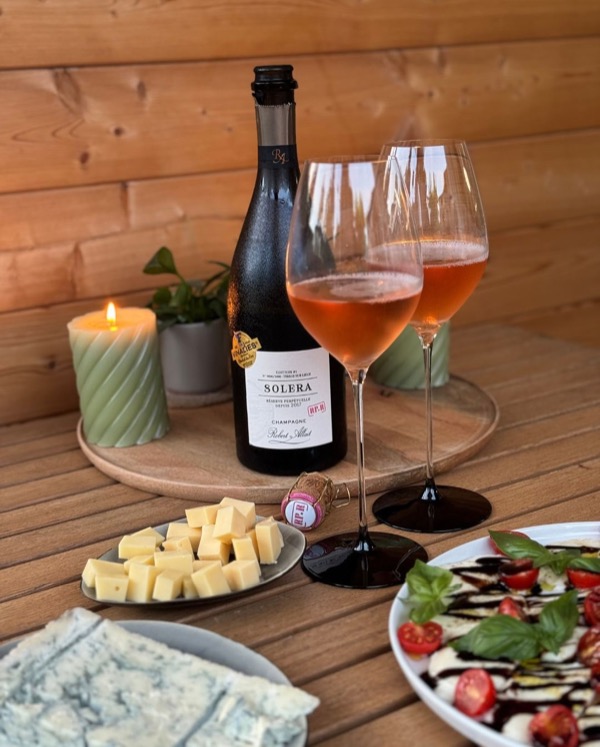
Der Solera RP-R von @champagnerobertallait ist kein Rosé, wie man vielleicht denken könnte – sondern ein Blanc de Blancs mit 5 % Pinot Noir. Die…
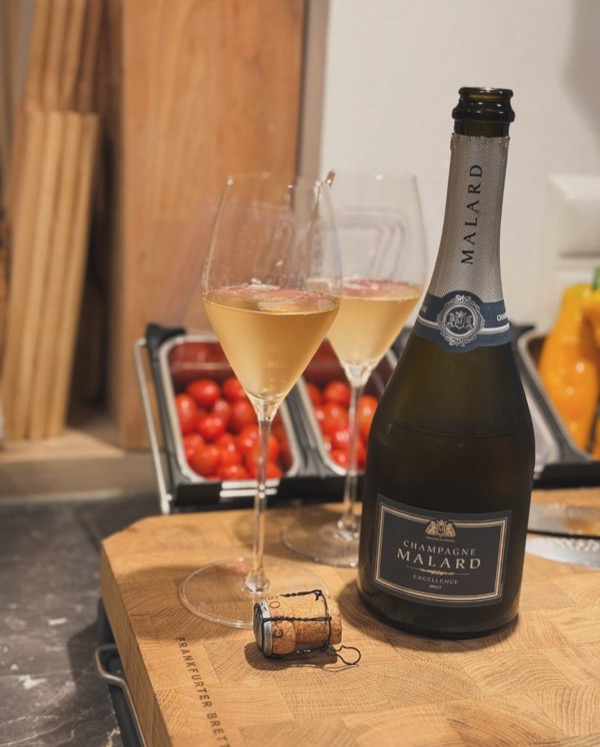
Heute mal Excellence ohne Allüren mit dem Excellence Brut von @champagne_malard. Dieser Champagner bringt beides mit: Anspruch und Trinkfreude. Ideal…
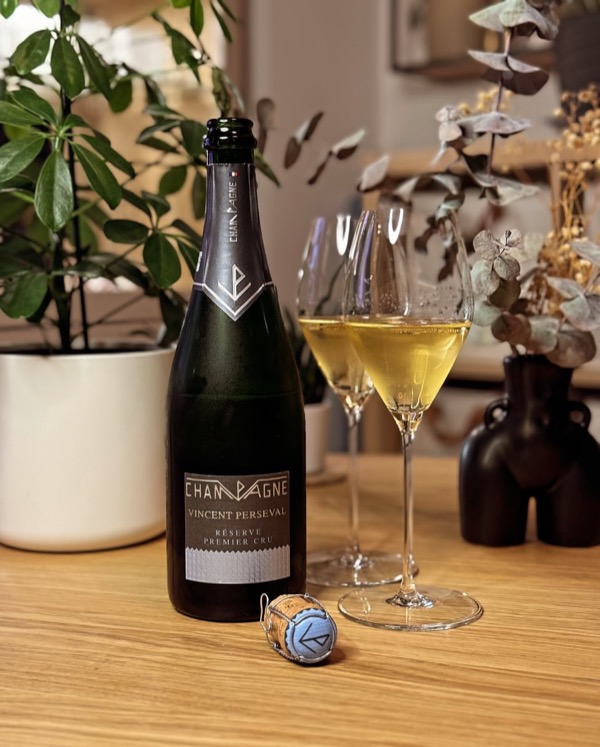
Ich habe mittlerweile schon einige Champagner von @champagnevincentperseval probiert – von Blanc de Blancs bis zum Rosé. Also war es nur eine Frage…