A Vintage Between Two Giants
1992 doesn't have it easy. Sandwiched between the celebrated 1990 and the monumental 1996, this vintage is often overlooked. And yes — it's not among the truly great ones. But that's exactly what makes it interesting in its own way: 1992 is a vintage that never aspired to create legends, but simply produced good, enjoyable champagne.
The Weather in 1992
The winter was mild, spring was warm — the vines budded early. This was initially promising, but summer disappointed: July and August brought unsettled weather with frequent rainfall and below-average temperatures. Flowering was uneven, which later led to poor fruit set and reduced yields.
September then brought a turnaround: dry, warm weather enabled late ripening. The harvest began in mid-September under acceptable conditions. The grapes were healthy, but sugar content remained moderate and acidity levels were in the middle range.
Overall, it was a mixed year that depended heavily on the harvest decisions of individual houses. Those who harvested too early got unripe grapes. Those who had patience and bet on the warm September could indeed bring in decent material.
Style of the Vintage
1992 produced champagnes that can be described as accessible and charming:
- Medium structure — no heavyweights, rather elegant middleweights
- Ripe fruit — yellow apple, pear, mirabelle plum
- Moderate acidity — less tension than 1996, but softer and rounder
- Quick drinking maturity — many 92s were at their peak after 8-12 years
The wines showed a certain openness from the beginning, which predestined them for early enjoyment. Anyone who finds a bottle today should be cautious, however: most 92s have passed their zenith.
Grape Variety Performance
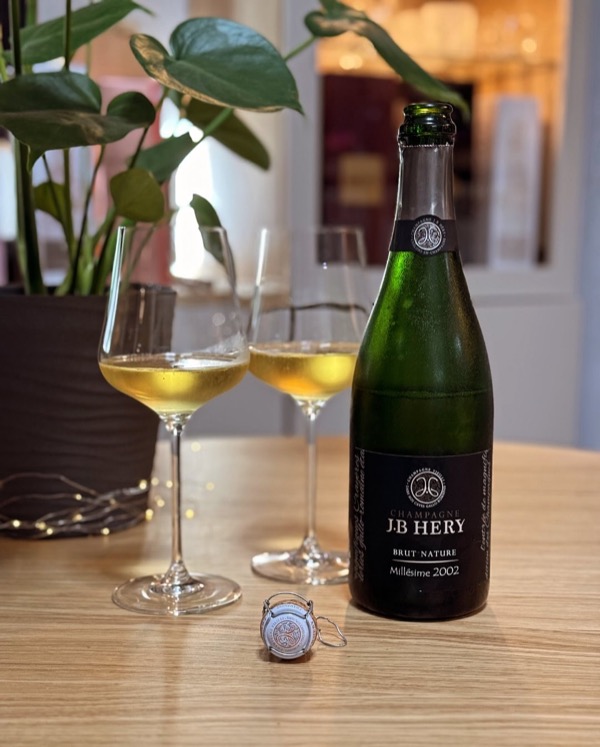
🍾 Heute im Glas: J.B Héry - Millésime 2002 - Brut Nature – ein spannender Fund aus meinem letzten Einkauf. Gerade erst frisch in den Keller…
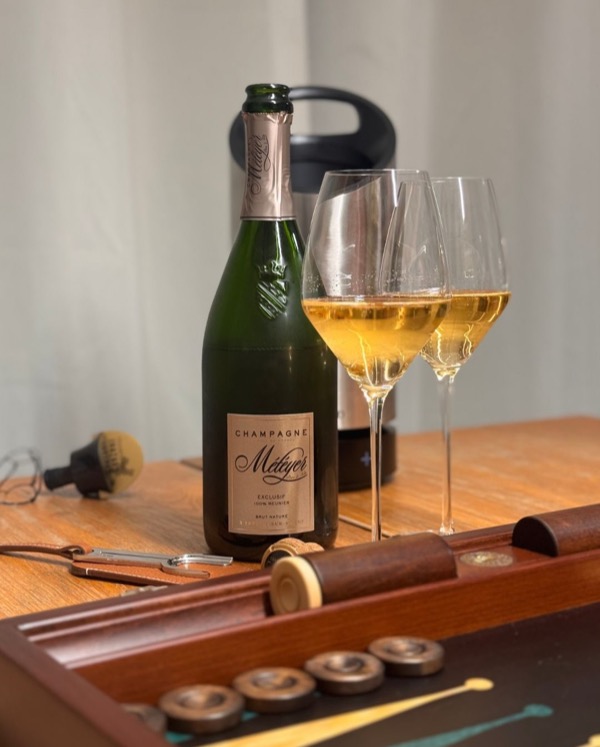
Nach dem monumentalen Rare 2008 am Valentinstag ist es extrem spannend, heute einen völlig anderen Blickwinkel auf dieses Ausnahmejahr zu werfen: Den…

Hier am Tisch herrscht gerade kreatives Chaos der schönsten Sorte: @autorin.olive.wilson bereitet akribisch und mit wahnsinnig viel Liebe ihre…
The warm September benefited Pinot Noir. The Montagne de Reims and Vallée de la Marne delivered the more convincing results. Pinot Noir achieved good phenolic ripeness in the best sites and produced wines with beautiful fruit depth.
Chardonnay had a harder time. The Côte des Blancs suffered more from the changeable summer, and the acid structure often remained somewhat flat. Blanc de Blancs from 1992 were rarely exciting.
Pinot Meunier benefited from its early ripening and delivered solid, fruity material — perfect for assemblage champagnes.
Context and Classification
Compared to neighboring vintages, the picture becomes clear:
- 1990 was the superior predecessor — ripe, generous, with more concentration
- 1993 would turn out even weaker (see there)
- 1995 then brought significantly better material again
1992 stands in a series of transitional vintages that Champagne experienced in the early 90s. After the triumph of 1988, 1989, and 1990, it took until 1995/1996 before truly great vintages came again.
Only a few prestige cuvées were declared as millésime in 1992. Most large houses used the material for their non-vintage blends. Anyone who finds a 92 is probably dealing with a smaller producer or a second-line wine.
Drinking Window Today
If I'm being honest: the windows for 1992 are largely closed. A well-stored rosé or a powerful Pinot Noir-based wine can still bring pleasure, but one shouldn't expect miracles. The risk of opening a tired, oxidized bottle is real.
If a 92 does turn up — best to drink it as an apéritif, without too high expectations. And if it's good: all the better. These are the moments when champagne is most fun — when it positively surprises.
Conclusion
1992 is a vintage for explorers and collectors seeking the unexpected. Not a great year, but one that reminds us that not every champagne needs to be a monument. Sometimes it's enough to simply be a good glass.