A Year Champagne Would Rather Forget
There are vintages that are celebrated, and vintages that are passed over in silence. 1993 clearly belongs in the second category. In a decade that began glamorously with 1990 and reached a pinnacle with 1996, 1993 is the black sheep — a year that even benevolent critics describe as difficult.
The Weather in 1993
The weather year 1993 was defined by one word: rain. Spring began promisingly with mild temperatures, but from June onward, the tide turned. Summer was one of the wettest and coolest in decades. July and August brought persistent rainfall, low temperatures, and little sunshine.
Flowering was problematic — uneven and drawn out, leading to poor fruit set and millerandage. The result: reduced yields and uneven ripening.
September brought some relief, but couldn't make up for the summer's deficits. Harvest took place under difficult conditions, with increased rot pressure in many parcels. Strict selection was essential — and not every grower was equally rigorous.
Style of the Vintage
The few Champagnes that came to market as Millésime from 1993 show a typical profile for a cool, wet year:
- High acidity — but not the elegant acidity of 1996, rather a green, unripe sharpness
- Lean body — little fruit flesh, wiry to thin
- Herbal notes — green apple, herbs, sometimes vegetal hints
- Short finish — the wines drop off quickly on the palate
In the best cases, experienced winemakers with strict selection could produce wines of a certain nervous elegance. But that was the exception, not the rule.
Grape Varieties in the Difficult Year
Pinot Meunier proved to be the relative winner. The robust, early-ripening variety coped best with the cool conditions and delivered at least usable material for the assemblage.
Pinot Noir suffered from rot pressure and lack of ripeness. The Montagne de Reims struggled with botrytis, and many parcels had to be sorted heavily or not harvested at all.
Chardonnay also had difficulties. The acidity was indeed high — which is fundamentally good — but the grapes didn't achieve full phenolic ripeness. The wines often seemed green and unbalanced.
Comparison with Neighboring Vintages
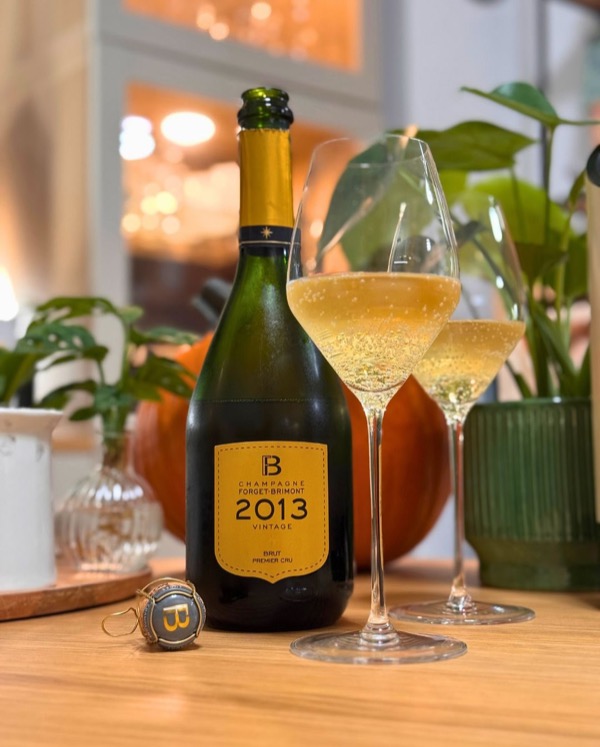
Für gestern Abend hatte ich den @champagne_forget_brimont – Vintage 2013 rausgesucht. Eine Flasche, die ich zweimal im Keller habe, aber bisher noch…
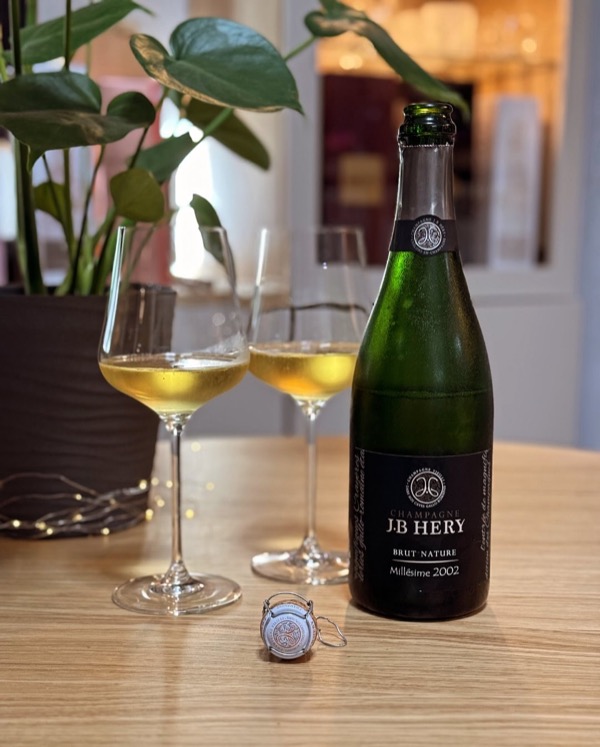
🍾 Heute im Glas: J.B Héry - Millésime 2002 - Brut Nature – ein spannender Fund aus meinem letzten Einkauf. Gerade erst frisch in den Keller…
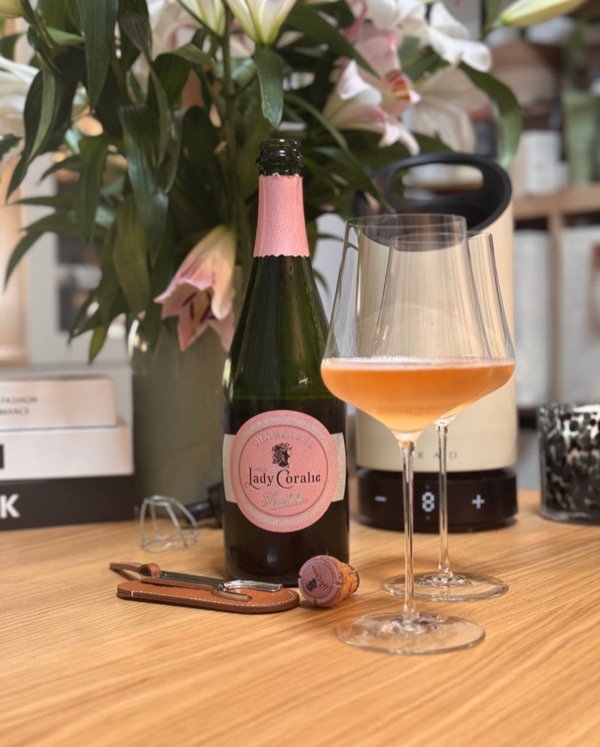
Heute habe ich eine echte Besonderheit aus der „Collector“ Linie von @champagne_mathelin im Glas: Die Cuvée „Lady Coralie“. Das Spannende an diesem…
In the context of the 90s, it shows:
- 1992 was already weak, but at least had a saving September
- 1993 went one worse — the inferior vintage of the two
- 1994 would be slightly better, but still below average
- 1995 finally brought quality again
The early 90s were a tough period for Champagne. After the triple triumph of 1988/1989/1990, five difficult to mediocre years followed before 1995 and especially 1996 brought the turnaround.
Hardly Any Millésimes Declared
The vast majority of houses skipped declaring a vintage in 1993. The material went almost entirely into Non-Vintage reserves. Anyone who does find a '93 Millésime is probably dealing with a very small producer who was able to harvest good material from a particularly sheltered site.
Major prestige Cuvées — Dom Pérignon, Krug, Salon — simply don't exist from 1993. That alone says everything about the quality of the vintage.
Drinking Window and Relevance Today
A '93 Champagne would be over 30 years old today. Even if it was acceptable at bottling, the chances of a positive experience are minimal. The lack of fruit concentration and the unripe acidity make these wines extremely vulnerable to oxidation and premature aging.
My advice: If a 1993 Champagne turns up, better to regard it as a curiosity and not expect too much. And when in doubt, go for a 1996 — it might cost more, but it's a completely different world.
Conclusion
1993 is a vintage that reminds us that Champagne is no sure thing. France's northernmost wine region lives by the grace of the weather — and in 1993, the weather was merciless. A historical document, but not a vintage for enjoyment.