A Step in the Right Direction
After the disappointing years of 1992 and 1993, 1994 brought at least some hope to Champagne. Not a great vintage — that's certain — but a year that showed things could improve again. A transitional vintage that paved the way for the significantly better 1995.
The Weather in 1994
The winter was unremarkable, spring was mild with occasional frost risks. The flowering proceeded more evenly than in previous years, which enabled good fruit set.
Summer showed two faces: July was warm and sunny — finally proper summer weather in Champagne. August then brought rain and cooler temperatures again, which dampened the optimistic forecasts from July.
The crucial September phase was mixed. There were sunny periods that allowed for reasonable ripening, but also rainy spells that increased disease pressure. The harvest began at the end of September under mixed conditions. Growers who responded flexibly to weather windows and picked in several passes were able to bring in good material.
The sugar levels were moderate, the acidity at a decent level — overall slightly better raw material than 1992 or 1993.
Style of the Vintage
1994 champagnes position themselves stylistically in the middle ground:
- Medium fruit — riper than 1993, but less opulent than 1990
- Lively acidity — fresh, but not cutting
- Floral notes — acacia, hawthorn, subtle citrus fruit
- Moderate complexity — uncomplicated, but with a certain finesse in the best examples
The wines were accessible from the start and designed for a medium-term drinking window. Not champagne to cellar for decades, but to enjoy within 5-10 years of release.
Grape Variety Performance
Pinot Noir benefited from the warm July and delivered the best results of the vintage. The Montagne de Reims and especially the south-facing slopes around Bouzy and Ambonnay were able to harvest good, ripe material. The wines had color, substance and pleasant fruit depth.
Chardonnay showed heterogeneous results. The best parcels of the Côte des Blancs delivered clean, fresh wines, but lacked the peak. Without the long, cool ripening phase that Chardonnay needs for greatness, the Blanc de Blancs remained one-dimensional.
Pinot Meunier was solid — as almost always the most reliable grape variety in difficult to mediocre years. Champagne's robust workhorse delivered usable material in 1994 as well.
Classification
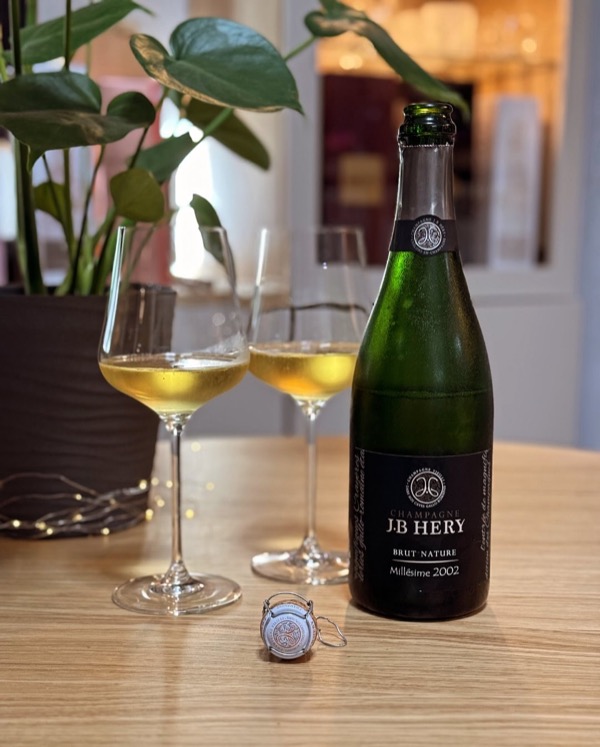
🍾 Heute im Glas: J.B Héry - Millésime 2002 - Brut Nature – ein spannender Fund aus meinem letzten Einkauf. Gerade erst frisch in den Keller…
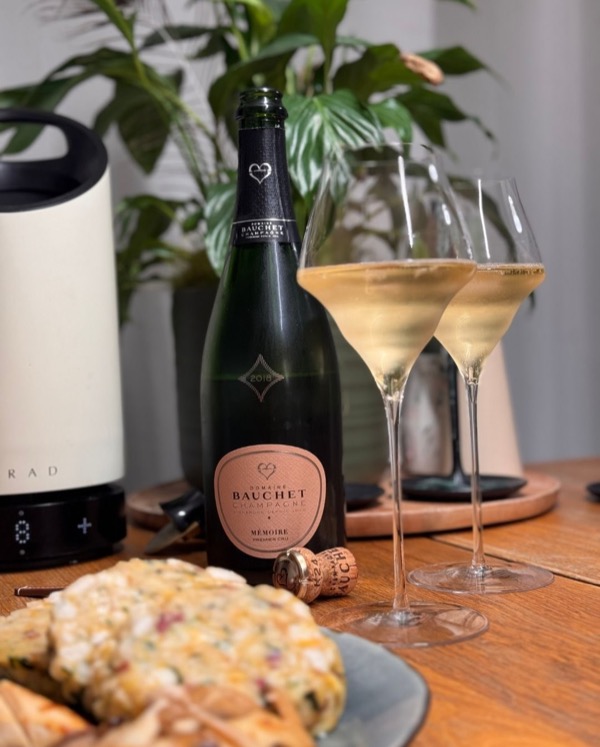
Der Mémoire 2018 von @domainebauchet schien mir ein Champagner zu sein, der ein passendes Pairing verdient hat. Daher habe ich ihn gestern zu…
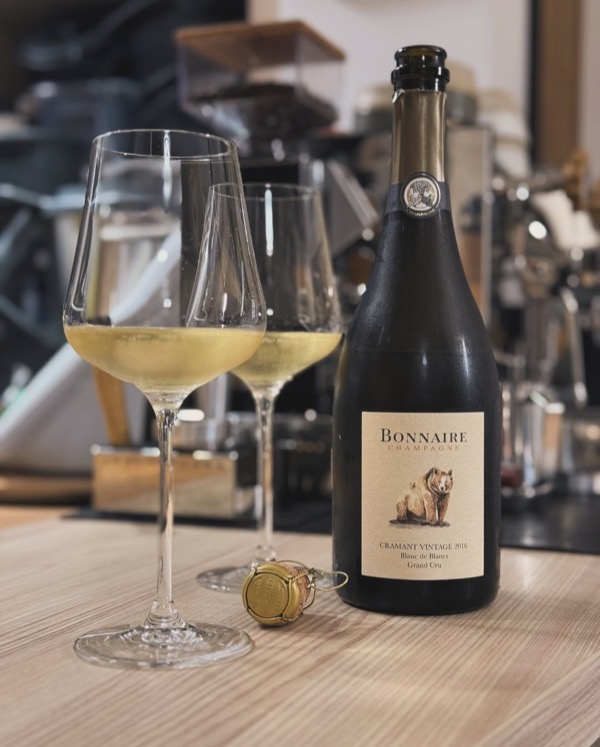
Diese Woche kam eine frische Lieferung direkt aus der Champagne bei mir an – Drei spannende Flaschen von @bonnaireclouet . Für den Auftakt habe ich…
In the chronology of the 1990s, the following picture emerges:
| Year | Quality | Character |
|---|---|---|
| 1990 | Excellent | Ripe, opulent |
| 1992 | Weak | Thin, short |
| 1993 | Very weak | Unripe, sour |
| 1994 | Average | Solid, accessible |
| 1995 | Good | Elegant, balanced |
| 1996 | Excellent | Precise, long-lived |
1994 marks the low point from which things steadily improved. Not a highlight, but no longer a disaster either.
Few Millésimes
Similar to 1992 and 1993, most major houses refrained from vintage declaration. The material was welcome for non-vintage blends — it brought freshness and fruit — but for standalone vintage champagnes it lacked the depth and complexity.
Some growers in the Récoltant sector bottled '94s, and occasionally these bottles appear at auctions. The prices are moderate, and expectations should be too.
Drinking Window Today
With over 30 years under their belt, '94 champagnes today are a gamble. The best might still show charm — a slightly oxidative note, nuts, dried fruits — but most will be tired and flat.
If I were to open a '94, it would be out of curiosity and with the readiness to be disappointed. That's not criticism of the vintage, but simply reality: champagnes that were designed for medium-term enjoyment are naturally at the end of their journey after three decades.
Conclusion
1994 is a vintage that served its purpose: solid material for ongoing production, ready-to-drink wines for immediate enjoyment. Not a vintage to rave about, but one that has earned its modest place in the history of Champagne.