A Vintage for Enjoyment
After the monumental 1996, 1997 came by like a friendly neighbor — relaxed, accessible, without grand pretensions. While the 96s were still slumbering in their bottles demanding patience, the 97s were ready to drink from the start. This made them commercially successful, even if critics turned up their noses.
The Weather in 1997
1997 was a warm year in the Champagne region. Winter was mild, spring came early, and flowering proceeded under good conditions already in early June — significantly earlier than the previous year.
Summer brought above-average temperatures. July and August were warm and predominantly dry, with occasional thunderstorms that provided some moisture. The vines developed rapidly and without significant problems.
Ripening began early. The harvest started in the first week of September — one of the earliest harvests in a long time. The grapes were healthy and rich in sugar, but acidity levels were below the long-term average. The cool ripening phase that gives champagne tension and nervosity was missing.
Overall, a simple, warm year without particular complications — and this is exactly what's reflected in the wines.
Style of the Vintage
1997 stands for ripe, soft, immediately accessible champagnes:
- Lush fruit — yellow apple, ripe pear, apricot, a touch of mango
- Low acidity — round, soft, almost a bit too pleasing
- Creamy texture — full-bodied, silky, without edges
- Early drinking maturity — many wines were at their peak after 5-7 years
- Short to medium finish — pleasant, but without the length of great vintages
The 97s were perfect champagnes for people who aren't champagne nerds: easily understood, fruit-forward, without demanding acidity.
Grape Variety Performance
The warmth of the vintage benefited Pinot Noir. The black grapes achieved good ripeness and brought color and fruit. Rosé champagnes from 1997 could indeed be convincing — round, fruity, with pretty berry fruit.
Chardonnay had a harder time. Without the acidity that gives Chardonnay champagnes backbone, many Blanc de Blancs seemed somewhat broad and uninspired. The Côte des Blancs delivered solid but unexciting material.
Pinot Meunier felt comfortable — the warmer conditions suited this robust variety. Good Meunier parcels delivered juicy, fruit-forward material for the blends.
Classification
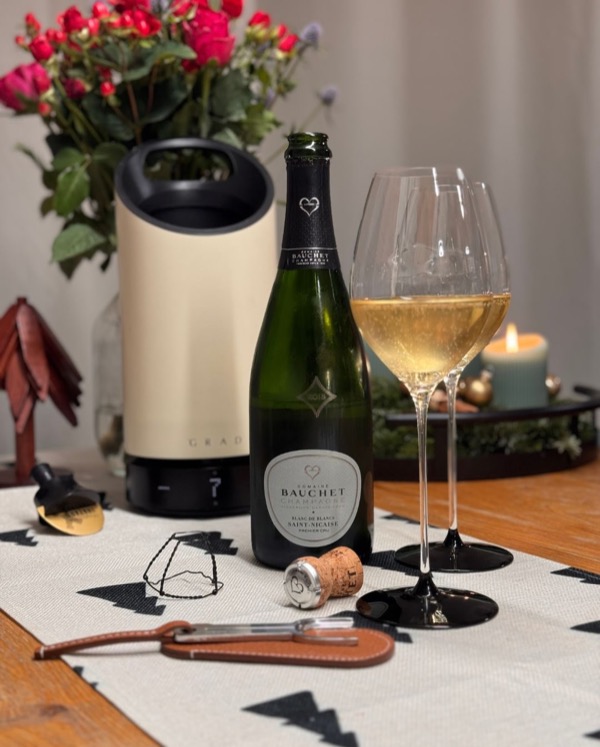
Der Saint-Nicaise 2015 von @domainebauchet hat gestern genau diese ruhige, warme Stimmung getroffen, die man sich für einen entspannten Abend…
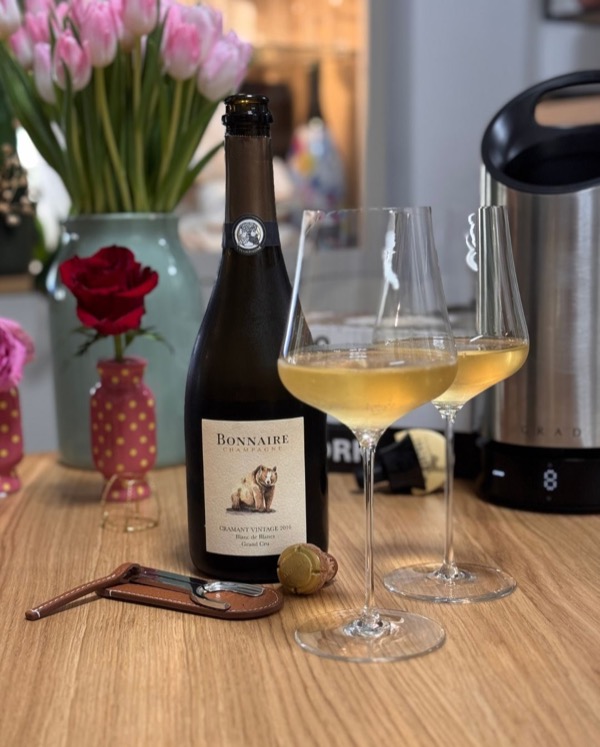
Wer 100 % Chardonnay liebt, kommt an den Grand-Cru-Lagen von Cramant an der nördlichen Côte des Blancs nicht vorbei. Das Dorf ist berühmt für Weine…
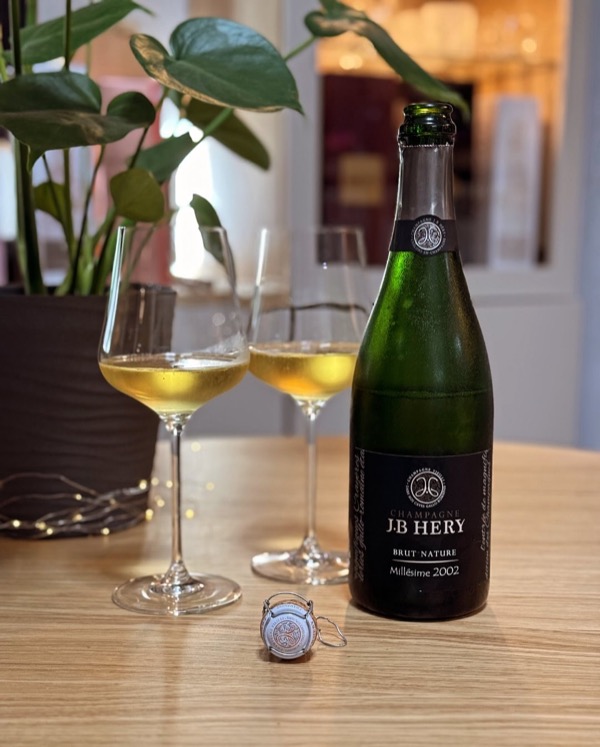
🍾 Heute im Glas: J.B Héry - Millésime 2002 - Brut Nature – ein spannender Fund aus meinem letzten Einkauf. Gerade erst frisch in den Keller…
The contrast to 1996 couldn't be greater:
| Characteristic | 1996 | 1997 |
|---|---|---|
| Acidity | Extremely high | Low |
| Style | Taut, nervous | Soft, ripe |
| Drinking maturity | Decades | Early |
| Aging potential | 30+ years | 10-15 years |
1997 relates to 1996 like 2015 to 2016: The warm vintage after the cool, taut one. Immediately accessible, commercially attractive, but without the depth and longevity of its predecessor.
In the broader context of the 90s, 1997 was an acceptable vintage — better than 1992-1994, on par with 1995, but without its elegance.
Prestige Cuvées
Some great houses declared 1997, others did not. It was a year of separation: houses that focused on ripe, accessible style were satisfied. Houses that have tension and longevity in their DNA passed on the vintage.
Dom Pérignon was produced in 1997 and was a typical representative of the vintage — accessible, charming, with less complexity than usual. Anyone who has it in the cellar should have drunk it long ago.
Drinking Maturity Today
The vast majority of 97s are past their peak. After almost 30 years, these wines lack acidity as a preserving element. Anyone opening a bottle today will likely find a tired, oxidizing nose, with Madeira notes and stale fruit.
Exceptions prove the rule: A Krug or a particularly well-stored prestige champagne might still work. But the probability decreases year by year.
Conclusion
1997 was a vintage for the moment — not for eternity. It brought joy to many people when it was young, and that is ultimately a completely legitimate purpose. Not every champagne has to be a masterpiece. Sometimes it's allowed to simply taste good.