The Underestimated Vintage
1998 belongs to those vintages that generated little enthusiasm upon release — and today, almost three decades later, are suddenly being taken seriously. A vintage that has rewarded patience. Not spectacular, not flawless, but with a seriousness that many hadn't expected.
The Weather in 1998
The year 1998 began restlessly. The winter was mild, followed by a spring with significant temperature fluctuations. The flowering occurred in mid-June under acceptable conditions, though not entirely uniform.
The summer proved capricious: July was warm and sunny, while August was changeable with rainy periods. This instability continued into September. However — and this was crucial — the second half of September brought a marked period of fine weather: dry days, cool nights, sunny afternoons.
This late weather turnaround saved the vintage. The grapes were able to dry out and concentrate in the final weeks before harvest. The harvest began from late September to early October. The fruit was heterogeneous — those who chose the best sites and the right harvest timing could bring in excellent material.
Style of the Vintage
1998 is a vintage with character — sometimes a bit rough, but with substance:
- Powerful structure — more tannin and extract than in soft years like 1997
- Dark fruit — ripe plum, blackberry, dark cherry
- Spice — pepper, ginger, dried herbs
- Good acidity — not extreme, but sufficient for longevity
- Tannin-driven texture — initially somewhat austere, has smoothed out over time
The 98s needed time. In their youth, they often seemed closed and angular. Those who had patience were rewarded with champagnes that have developed surprising depth and complexity.
Grape Variety Performance
The vintage belonged to Pinot Noir. The late concentration from the fine weather period in September particularly benefited the thicker-skinned red grapes. The Montagne de Reims delivered powerful, color-intensive material with good structure.
The Vallée de la Marne also profited — here especially the sites around Aÿ showed their best side.
Chardonnay was mixed. The Côte des Blancs had suffered more from the changeable August, and the grapes didn't everywhere reach the desired ripeness. Blanc de Blancs from 1998 are rarely exciting, though individual examples can certainly convince.
Pinot Meunier delivered solid, fruity material — a reliable building block for the assemblage.
Comparison with Neighboring Vintages
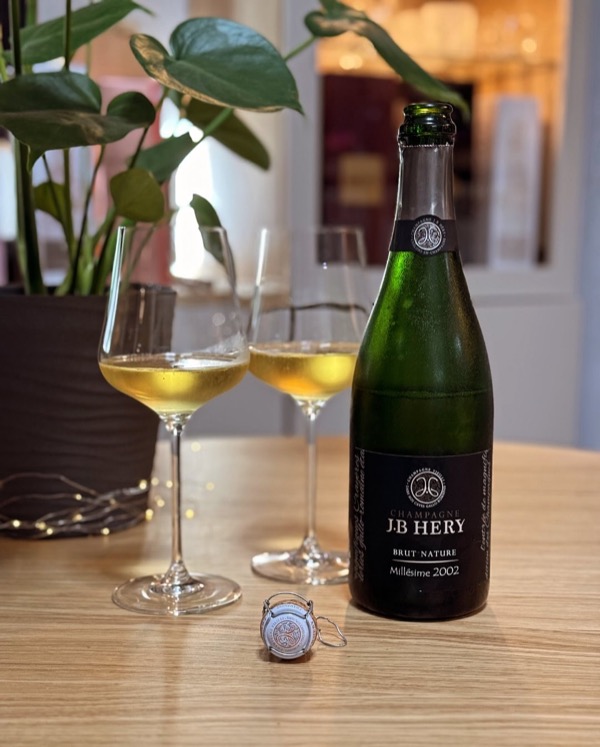
🍾 Heute im Glas: J.B Héry - Millésime 2002 - Brut Nature – ein spannender Fund aus meinem letzten Einkauf. Gerade erst frisch in den Keller…
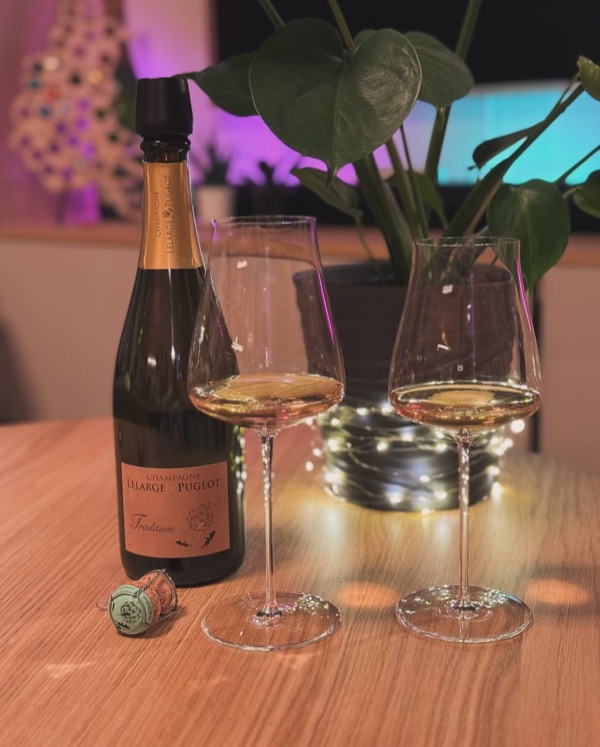
Vor über 10 Jahren habe ich im Rahmen eines Projekts für eine Weinverkostung und ein Feature in einem Print-Magazin Gläser von @eisch_glass ,…
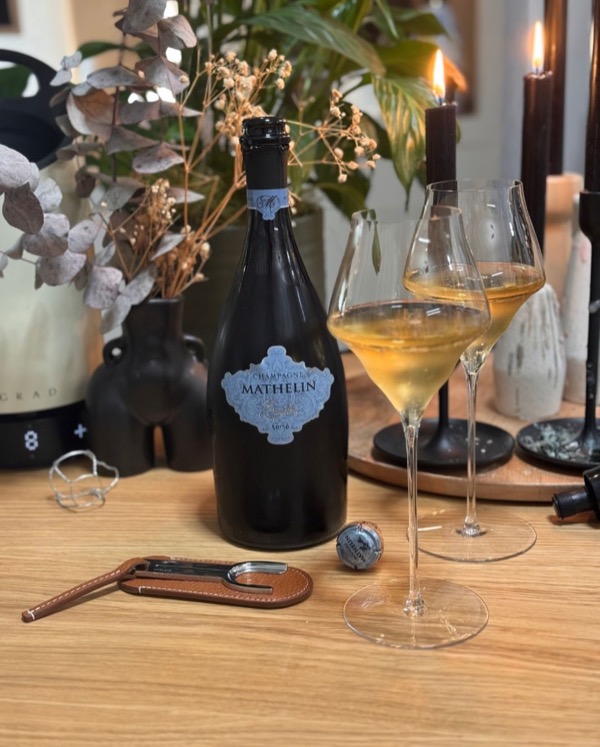
Manchmal sagt ein minimalistisches Etikett schon alles: Beim „Équilibre“ von @champagne_mathelin ist der Name absolutes Programm! Auf der Flasche…
| Year | Character | Strength |
|---|---|---|
| 1996 | Precision, acidity | Chardonnay |
| 1997 | Soft, ripe | Accessibility |
| 1998 | Power, structure | Pinot Noir |
| 1999 | Lush, generous | Balance |
| 2000 | Light, fruit-driven | Charm |
1998 forms the structured counterpart to the soft 1997 and the lush 1999. In the trilogy 1997-1998-1999, 1998 is the most serious, longest-lived vintage.
Prestige Cuvées
Some important houses declared 1998, others waited for 1999 or 2002. The declared cuvées often showed the typical 98 character: powerful, sometimes a bit rustic in youth, but with real aging potential.
Bollinger Grande Année 1998 is a good example of the vintage — a champagne that doesn't hide its Pinot Noir DNA and has gained complexity over the years.
Drinking Window Today
Here 1998 surprises positively. While the soft 97s are often already tired, the best 98s today show beautiful maturity while retaining their structure. The acidity and tannin structure have acted as preserving elements.
Anyone with a well-stored 98 Prestige champagne in the cellar can certainly still enjoy it. The wines show their best side today: the youthful hardness has disappeared, replaced by mature aromas of nuts, honey, dried flowers, and spices while maintaining freshness.
Simpler cuvées, however, will also be reaching their limits here.
Conclusion
1998 is the sort of vintage I particularly appreciate: one that initially polarizes, then falls into obscurity, and finally surprises as a late bloomer. In a world that often judges champagne by immediate accessibility, 1998 is a quiet argument for patience.