The Last Celebration of the Millennium
1999 — the final harvest year of the 20th century — blessed the Champagne region with a rich, generous vintage. While the world prepared for the millennium celebration, the vines delivered material that perfectly matched the occasion: opulent, festive, full of joie de vivre.
The 1999 Weather
The 1999 growing cycle began promisingly. A mild winter and warm spring led to early budbreak and even flowering in early June. Fruit set was good.
Summer was the highlight: warm to hot, with sufficient rainfall to avoid drought stress. July and August brought many hours of sunshine with temperatures high enough for rapid ripening, but rarely extreme.
Harvest began in mid-September under favorable conditions. The grapes were ripe, healthy, and with high sugar levels — in some parcels almost overripe. Acidity levels were moderate, indicating from the start that these would be accessible, early-drinking wines.
It was a year when nature made things easy for Champagne. No frost damage, no hail, no excessive rot pressure. Simply a good, warm, problem-free year.
Vintage Style
1999 champagnes are wines of abundance:
- Rich fruit — ripe peach, mirabelle plum, mango, exotic notes
- Round texture — creamy, full-bodied, almost vinous
- Moderate acidity — enough for freshness, but not structure-building
- Warm aromatics — brioche, butter, vanilla even in youth
- Medium aging potential — 10-20 years for the best, less for the rest
Stylistically, 1999 recalls 2009 or 2015: warm, ripe vintages that offer pleasure rather than intellect. This isn't a drawback — it's simply a different style.
Grape Variety Performance
In a warm year like 1999, all three grape varieties delivered good material:
Pinot Noir benefited from the warmth and produced powerful, color-intensive grapes. The Montagne de Reims and Vallée de la Marne delivered juicy, fruit-forward material. Rosé champagnes from 1999 were particularly convincing.
Chardonnay showed ripe and accessible — less nervous than in cool years, instead with a broader, creamier aromatic profile. Blanc de Blancs from 1999 were drinking-friendly and charming, without the tension of a 1996 or 2002.
Pinot Meunier was, as always, the reliable partner — ripe, fruity, with a pleasant softness that flattered the blends.
Context at the Turn of the Century
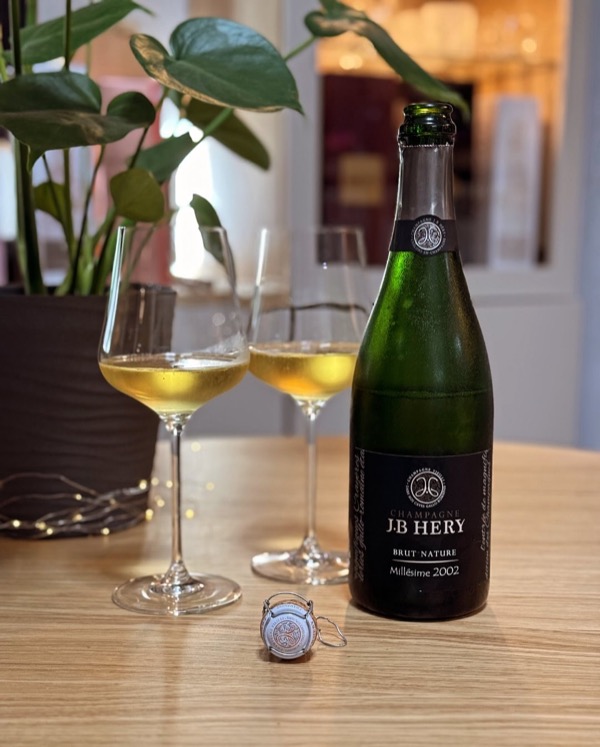
🍾 Heute im Glas: J.B Héry - Millésime 2002 - Brut Nature – ein spannender Fund aus meinem letzten Einkauf. Gerade erst frisch in den Keller…
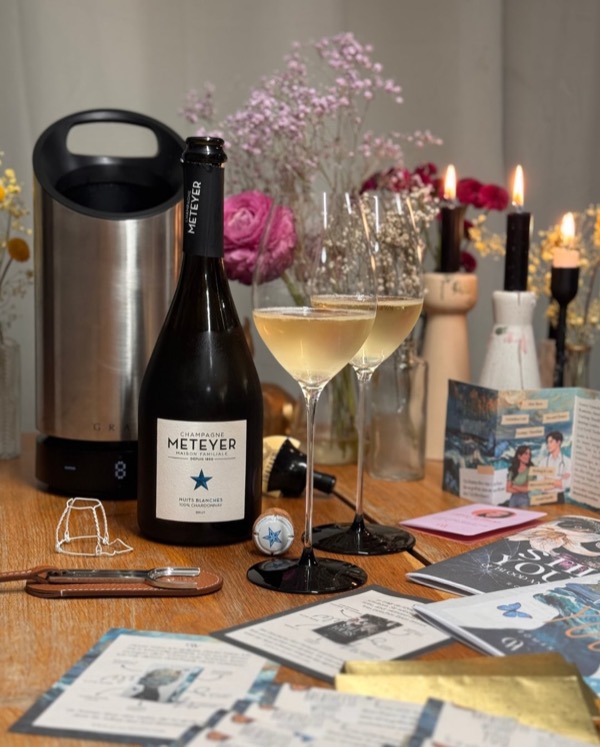
Hier am Tisch herrscht gerade kreatives Chaos der schönsten Sorte: @autorin.olive.wilson bereitet akribisch und mit wahnsinnig viel Liebe ihre…
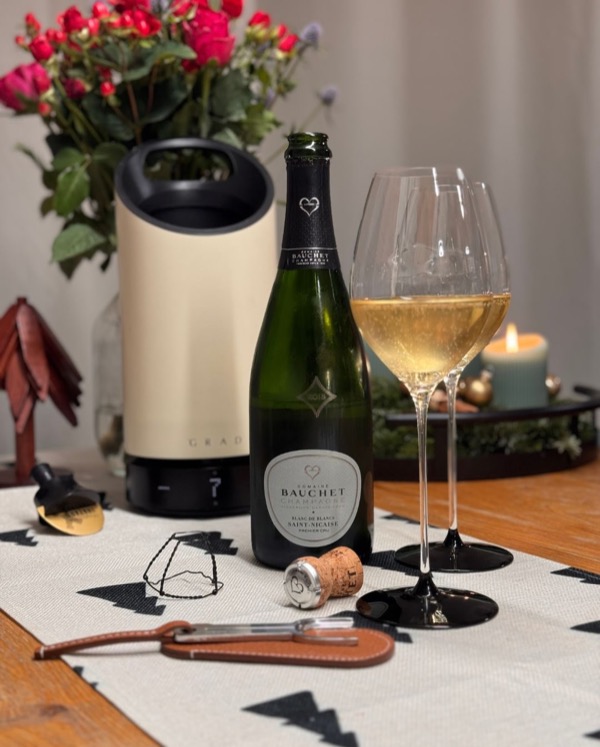
Der Saint-Nicaise 2015 von @domainebauchet hat gestern genau diese ruhige, warme Stimmung getroffen, die man sich für einen entspannten Abend…
The vintages around the millennium form an interesting trio:
| Year | Character |
|---|---|
| 1999 | Rich, ripe, generous |
| 2000 | Light, fruit-forward, uncomplicated |
| 2002 | Elegant, precise, age-worthy |
1999 was the last great statement of the 20th century — a vintage that didn't hold back. 2000 was more of a footnote, and 2002 marked the true new beginning.
Millennium Champagnes
1999 naturally had special commercial significance: demand for vintage champagne for the millennium celebration was enormous. Many houses declared the vintage, and quantities were generous. This led to 99 bottles being widely available — they regularly appear today at auctions and in collections.
Some special millennium editions were released — with golden labels, numbered bottles, and corresponding price premiums. The marketing circus was massive. Whether the wine always lived up to the hype is another question.
Drinking Window Today
Most 99s are approaching the end or have already passed it. The low acidity makes them vulnerable to premature aging. Anyone still holding a bottle shouldn't wait much longer.
The best prestige cuvées — Krug, Dom Pérignon, Bollinger — can still provide pleasure. They show today in a stage of mature opulence: honey, caramel, dried fruits, perhaps still a trace of freshness. Drink, don't cellar.
Simpler cuvées are probably already past their peak. Here the rule is: open with caution and don't expect miracles.
My Posts About This
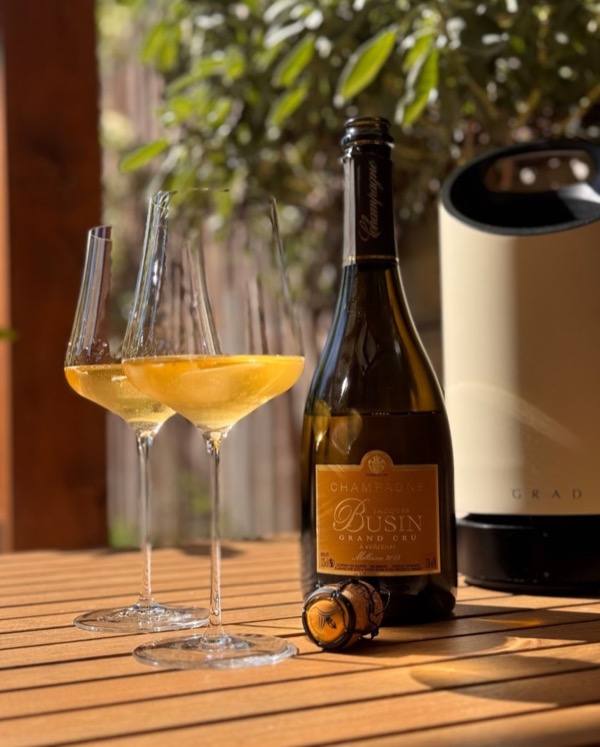
Erinnert ihr euch noch an den @champagnejacquesbusin – Millésime 2015 Grand Cru? Ich hatte diesen kraftvollen Champagner aus Verzenay letztes Jahr…
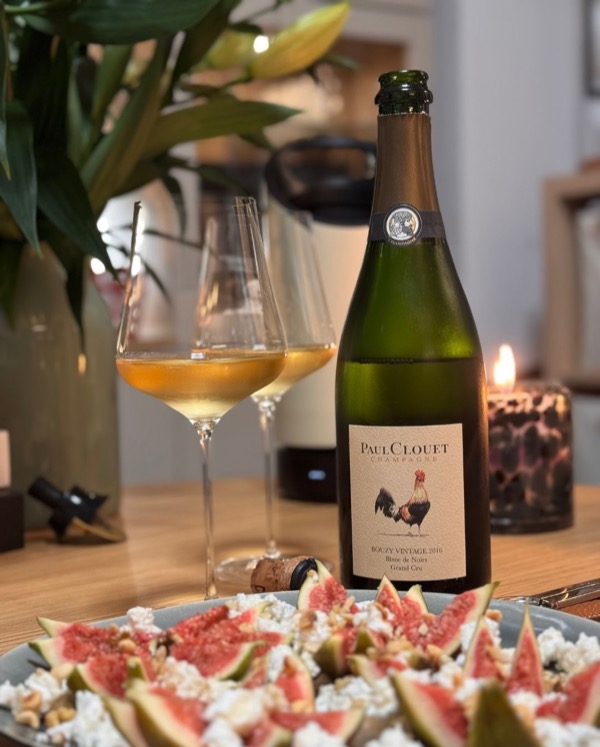
Bouzy Grand Cru ist die unangefochtene Heimat des Pinot Noir – und der 2016er Vintage von @bonnaireclouet ist die ultimative Hommage an dieses…
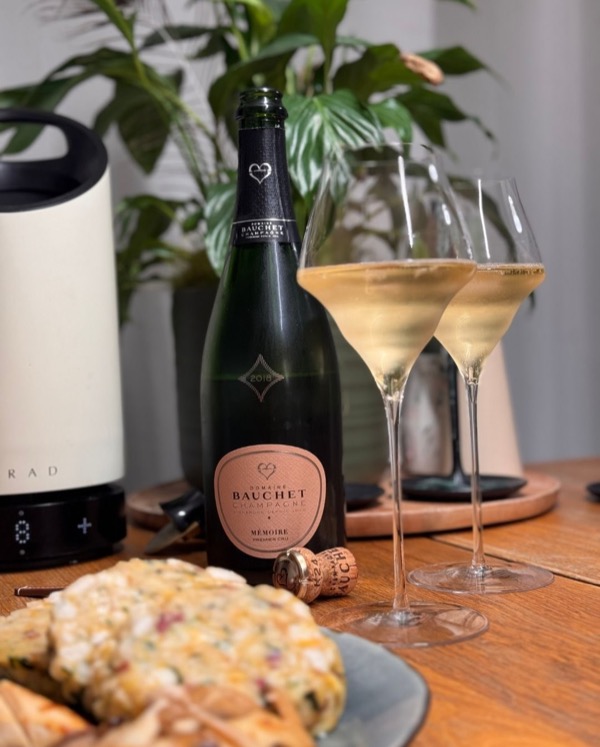
Der Mémoire 2018 von @domainebauchet schien mir ein Champagner zu sein, der ein passendes Pairing verdient hat. Daher habe ich ihn gestern zu…
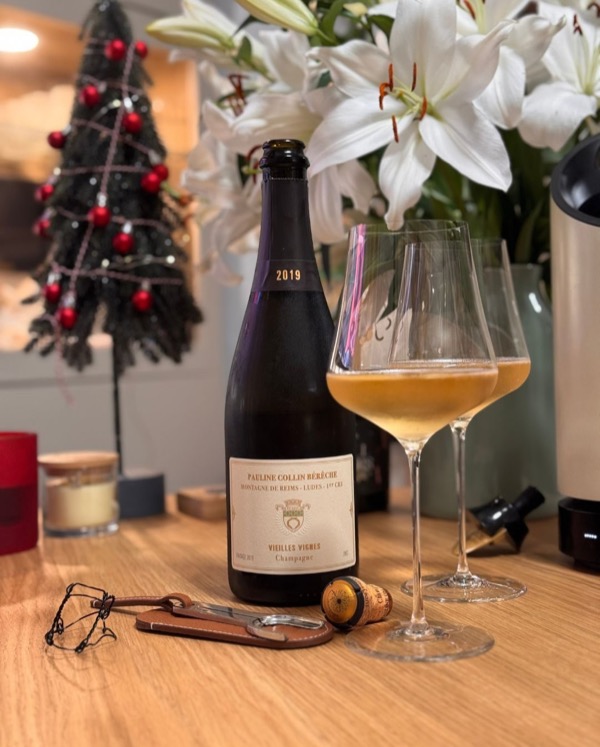
Gestern habe ich den Vieilles Vignes 2019 von @paulinecollinbereche geöffnet und war direkt begeistert von der ausgewogenen Cuvée. Pauline Collin…
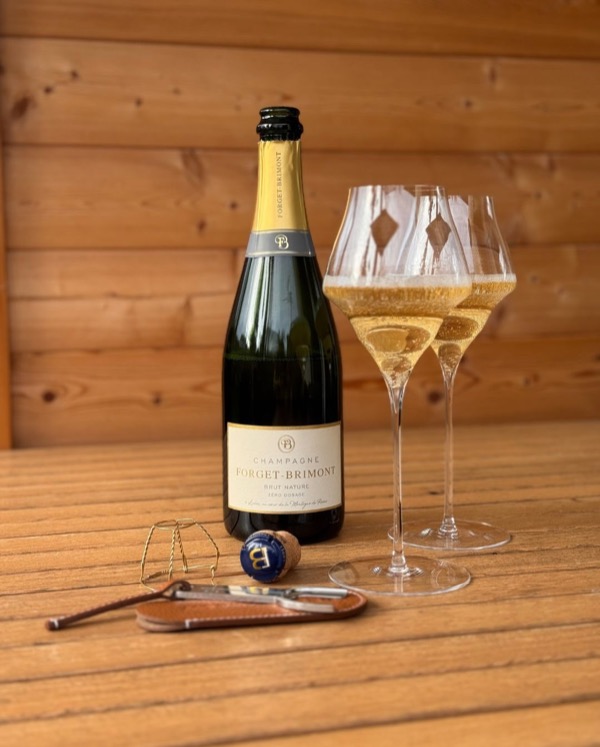
Eigentlich wollte ich nur kurz in die Sonne – trotz frostiger 0 Grad war es auf der Terrasse erstaunlich angenehm. Also eine Flasche mit…
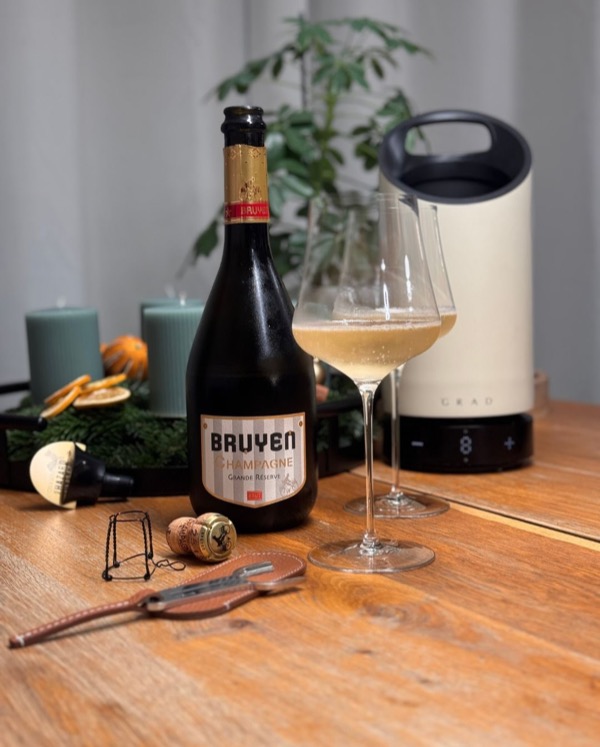
Heute der Grande Réserve von @champagnebruyen – ein 50/50-Blend aus Chardonnay und Pinot Noir, Jahrgang 2019, extra brut mit 4 g/l. Schon im Glas…
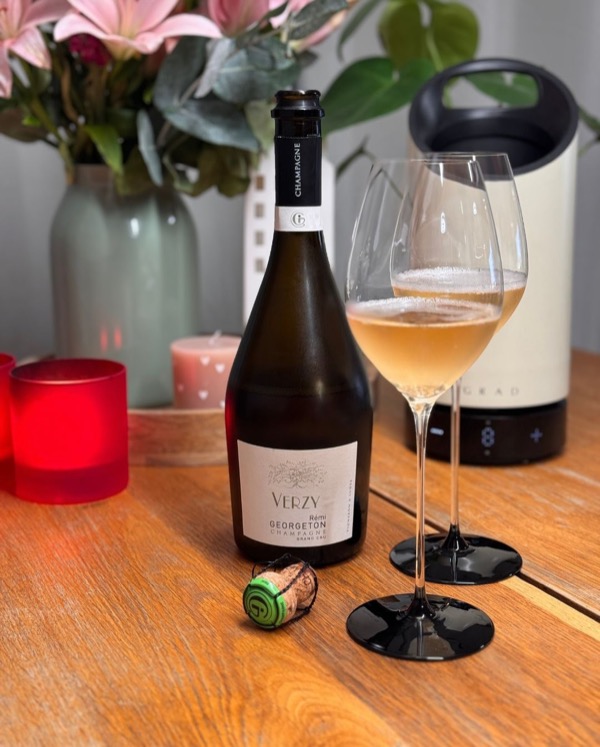
Gestern Abend habe ich den @remi_georgeton – Verzy Grand Cru Millésime 2020 geöffnet. Von allen Flaschen im Sortiment schien mir dieser Jahrgang der…
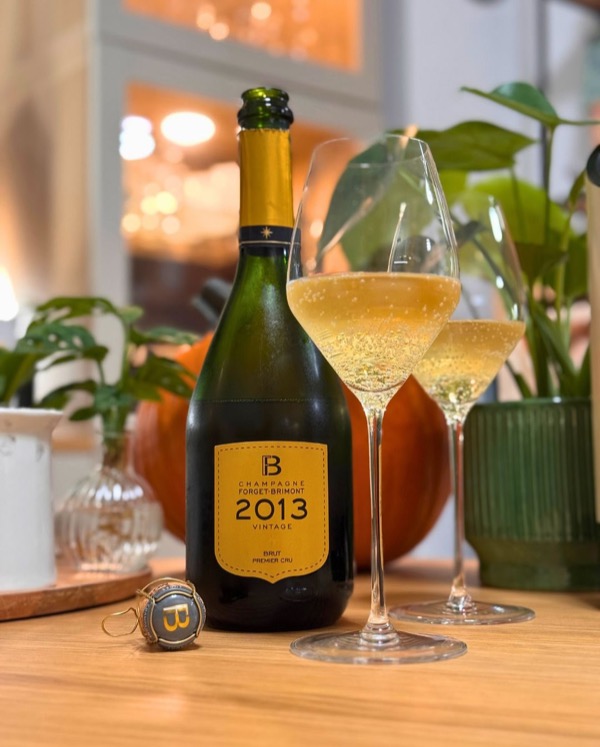
Für gestern Abend hatte ich den @champagne_forget_brimont – Vintage 2013 rausgesucht. Eine Flasche, die ich zweimal im Keller habe, aber bisher noch…
Conclusion
1999 was a vintage for celebrating — and that's exactly what it did. Champagnes that brought joy when they were young, and in their best examples can still bring a smile to your face today. Not a vintage for eternity, but one that perfectly captured the moment.