A Year That Tested Nerves
2001 was not a good vintage in Champagne. Period. You can spin it however you want — conditions were difficult, results were heterogeneous, and most houses did not declare a Millésime. It was a year when winemakers had to show their craft just to salvage usable material.
The 2001 Weather
The weather year 2001 began unremarkably. Winter was normal, spring was mild with a good start to the growing season. Flowering proceeded reasonably satisfactorily in mid-June.
Then came summer — and with it, the problems. July was changeable with frequent precipitation. August made things even worse: cool, wet, gray. Sunshine hours remained well below average. In many parcels, Botrytis developed — and not the noble variety.
September brought some improvement, but the damage was done. Grapes ripened slowly and unevenly. Harvest began in late September under suboptimal conditions. Strict selection was mandatory — those who didn't rigorously sort got rotten, unripe material on the press.
Sugar levels were low, acidity high — a profile that isn't necessarily bad in Champagne, but became problematic in combination with lacking fruit ripeness.
Vintage Style
The few 2001 Millésimes that came to market show a typical cold-wet profile:
- High acidity — green, cutting, almost aggressive in youth
- Lean fruit — green apple, gooseberry, unripe lemon
- Slender to thin body — barely any substance on the palate
- Vegetal notes — herbs, grass, sometimes bitter undertones
- Short finish — the wines drop off quickly
In the best cases — and there were very few — the high acidity could have a positive effect over time: The wines remained fresh and developed a certain minerality over the years. But these were absolute exceptions.
Grape Variety Performance
Pinot Meunier was the relative winner — the early-ripening variety could best utilize the scarce sunshine hours and delivered at least usable material.
Pinot Noir suffered massively. The thick skins of the variety made it vulnerable to Botrytis in this humid year. Many parcels on the Montagne de Reims had to be drastically sorted.
Chardonnay showed a split personality. In the best sites of the Côte des Blancs, where drainage functions well and the chalky soils channel away excess water, acceptable material could be harvested. In less privileged sites, however, Chardonnay was unripe and acid-heavy.
Comparison in Context
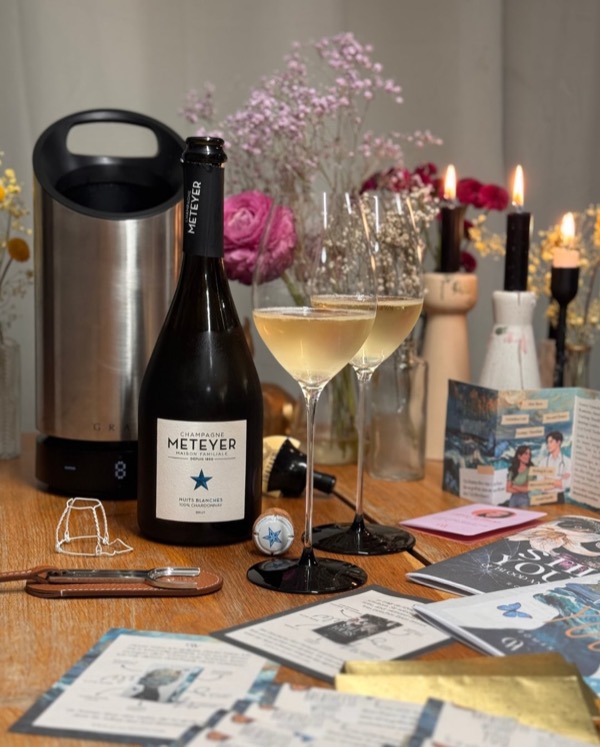
Hier am Tisch herrscht gerade kreatives Chaos der schönsten Sorte: @autorin.olive.wilson bereitet akribisch und mit wahnsinnig viel Liebe ihre…
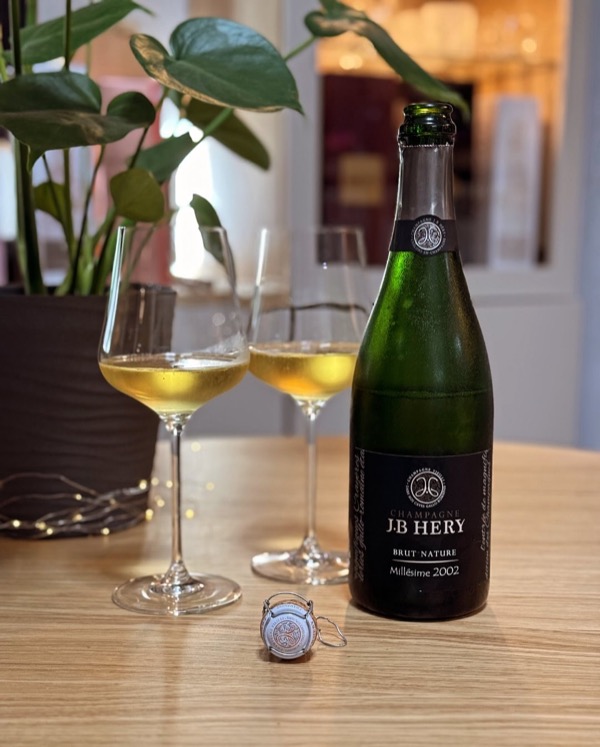
🍾 Heute im Glas: J.B Héry - Millésime 2002 - Brut Nature – ein spannender Fund aus meinem letzten Einkauf. Gerade erst frisch in den Keller…
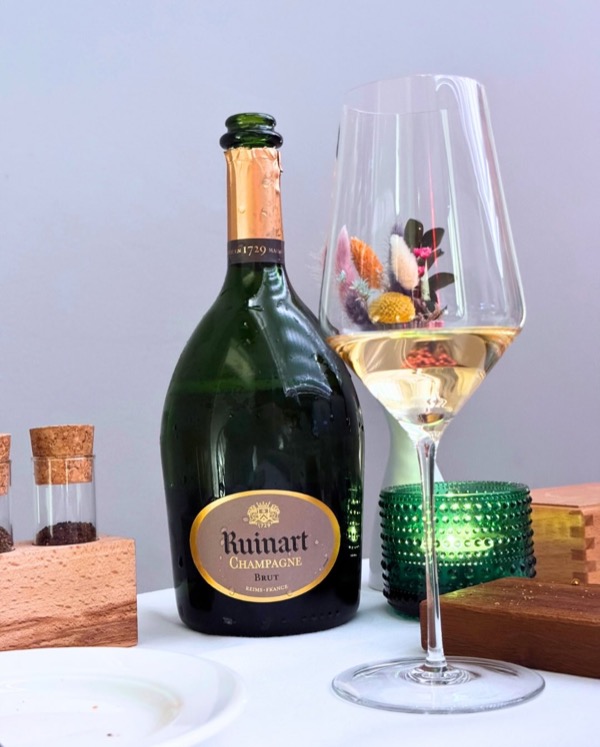
Gestern waren wir im wunderbaren @max_enk_leipzig . Wenn man ein wirklich großartiges Menü vor sich hat, braucht man manchmal keinen ultra-komplexen,…
2001 joins the tradition of difficult vintages:
- 2000 was weak, but harmless
- 2001 was actively bad — conditions posed real problems for winemakers
- 2002 then brought salvation — an elegant, brilliant vintage
The pattern is familiar: Bad years are often followed by good ones. The vines that suffered in 2001 bore smaller, more concentrated grapes in 2002. The cycle of nature.
Hardly Any Millésimes
The overwhelming majority of Champagne houses used the 2001 material for Non-Vintage blends. Reserves from better years could compensate for the weaknesses of the 2001 base wine. This is exactly what the reserve wine system exists for — and 2001 once again proved its value.
Individual Récoltant-Manipulants may have bottled a 2001, but these bottles are extremely rare and usually only available regionally.
Drinking Window Today
Opening a 2001 bottle today would be pure gambling — and the odds aren't good. The lack of fruit concentration and aggressive acidity don't make these wines particularly long-lived in a positive sense. The acidity may be preserved, but without fruit it just seems hollow.
My advice: If a 2001 Champagne appears somewhere, better leave it alone — unless it's a Prestige Cuvée from a major house, which one opens out of curiosity and with readiness for disappointment.
Conclusion
2001 reminds us that Champagne is no sure thing. The northern location of the region means that weather remains the deciding factor — and in 2001, Champagne had no luck with the weather. A vintage that served its purpose in the Assemblage cellars, but barely plays a role as a standalone vintage Champagne.