A Vintage in Fast-Forward
2007 was a year when everything happened quickly: early budbreak, early flowering, early ripening, early harvest. Champagne in time-lapse. The result: accessible, uncomplicated wines that rarely possess the depth and complexity that Champagne lovers seek.
The 2007 Weather
2007 belongs to the early vintages of Champagne. The winter was exceptionally mild — one of the warmest since weather records began. Spring followed the trend: warm and dry. The vines budded two to three weeks earlier than usual, and flowering was completed by late May/early June.
Summer was overall disappointing. July brought below-average temperatures and much rain — a harsh setback after the promising spring. August was somewhat better, but not outstanding.
September showed mixed conditions: Some sunny periods enabled passable final ripening, but the grapes didn't achieve the desired concentration everywhere. Harvest began unusually early, already in the first week of September.
The overall picture: A year that started well and then lost momentum. The combination of mild winter, wet summer, and early harvest yielded fruit of moderate quality.
Vintage Style
2007 Champagnes are light-footed and uncomplicated:
- Bright fruit — green apple, lemon, gooseberry
- Light body — delicate, almost fragile
- Fresh acidity — lively but without great backbone
- Little depth — the wines remain on the surface
- Quick drinking maturity — most were at their peak after just a few years
These are Champagnes one might call "nice" — and that's not a compliment in Champagne. "Nice" means: nothing done wrong, but also nothing special.
Grape Variety Performance
In such a transitional year, no grape variety was truly outstanding:
Chardonnay delivered fresh, clean material but remained superficial. The typical depth and minerality of the Côte des Blancs didn't fully develop.
Pinot Noir was decent but without weight. The short ripening period didn't allow for full phenolic maturity, resulting in lighter, fruit-driven wines.
Pinot Meunier was — as so often in less demanding years — the most reliable building block. Fruity, accessible, uncomplicated.
Comparison: In the Shadow of 2008
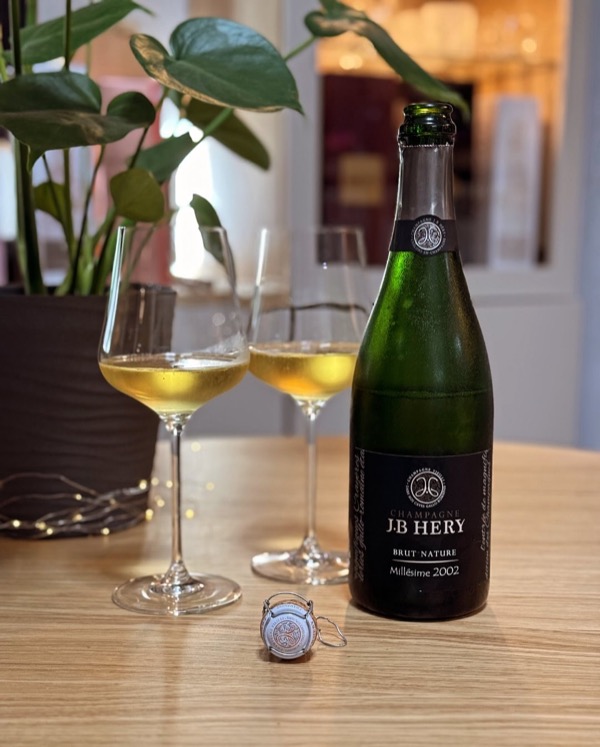
🍾 Heute im Glas: J.B Héry - Millésime 2002 - Brut Nature – ein spannender Fund aus meinem letzten Einkauf. Gerade erst frisch in den Keller…
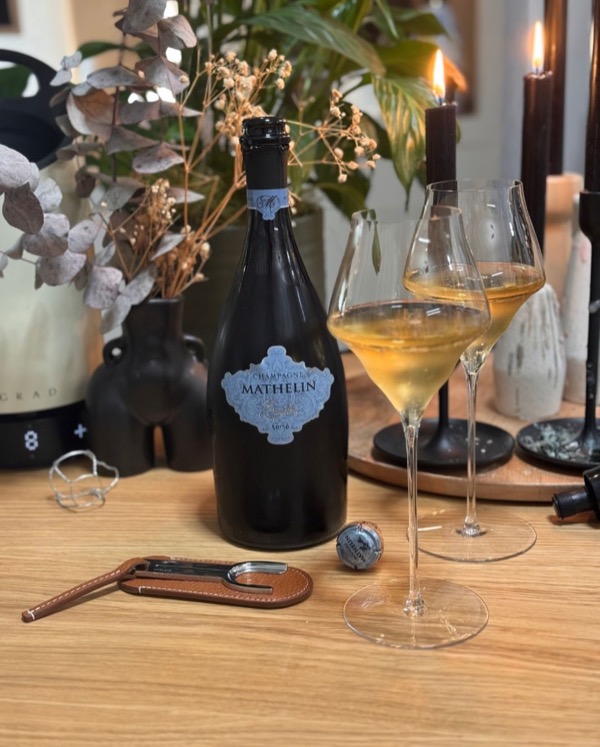
Manchmal sagt ein minimalistisches Etikett schon alles: Beim „Équilibre“ von @champagne_mathelin ist der Name absolutes Programm! Auf der Flasche…
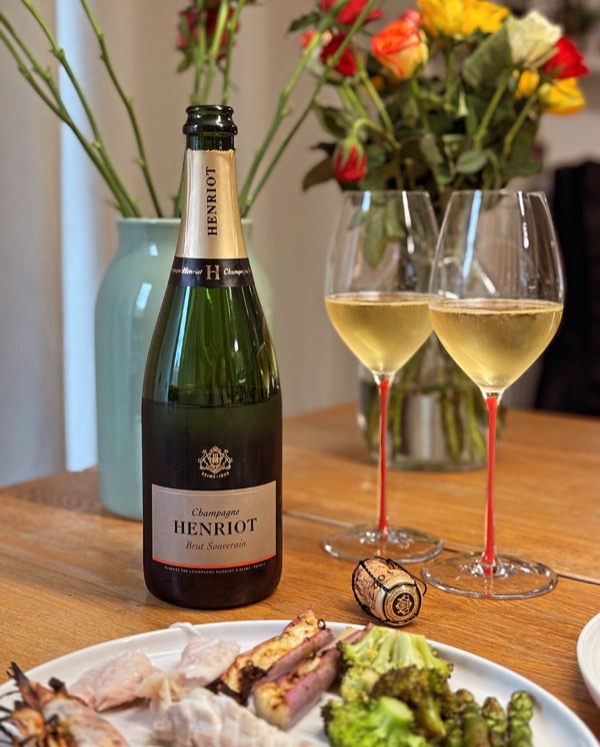
Diese Woche war einfach nur viel. Arbeit, To-Do’s ohne Ende, wenig Zeit für Planung. Und so startete auch das Wochenende ziemlich spontan. Die…
The fate of 2007 was to stand directly before one of the greatest modern vintages. The contrast to 2008 is brutal:
| Quality | 2007 | 2008 |
|---|---|---|
| Harvest timing | Very early | Late |
| Acidity | Moderate | Very high |
| Concentration | Low | High |
| Aging potential | Short | Enormous |
| Prestige Cuvées | Few | Almost all |
2007 is the opening act, 2008 the headliner. It's that simple.
Hardly Any Millésime Declarations
Most major houses refrained from vintage declarations. The material was quite welcome for Non-Vintage blends — fresh, fruity, immediately usable — but for standalone vintage Champagnes, it lacked depth and structure.
Some growers in the Grower Champagne segment did bottle 2007, often as entry-level Millésime or single-plot wines. These bottles can be interesting if found at good prices — without expectations, as an aperitif, without claims to profundity.
Historical Context
2007 joins a series of "weak" vintages that regularly occur in Champagne. These are the years that keep the Non-Vintage system running. Without vintages like 2007, there wouldn't be the reserve wines that allow the great houses to produce consistent Non-Vintage Champagne every year.
In a sense, these "weak" years are systemically important. They fill the tanks that are emptied in great years. Without 2007, no consistent Brut Sans Année.
Drinking Window Today
The vast majority of 2007s are past their peak today. Without special structure or high acidity, these wines lack the substance for long aging. Anyone still holding a bottle should open it soon — and not expect too much.
If the bottle is good: wonderful. If not: Off to the kitchen. Tired 2007 Champagne makes excellent cooking ingredient.
Conclusion
2007 is a vintage that hurts no one and excites no one. A quiet worker in the background who made his contribution to the greater whole. No reason for sorrow, no reason for celebration. Simply a year in the long history of Champagne.