Sun in abundance — and what it does to champagne
After the austere, acid-driven 2008 came 2009 like a warm summer evening: relaxed, inviting, uncomplicated. A vintage that doesn't demand, but embraces. For some, this is exactly right; for others, the tension is missing. As so often with champagne, the answer is: It depends.
The Weather in 2009
2009 was a warm, sunny year. The winter was short and mild. Spring brought pleasant temperatures and an early, trouble-free flowering in early June. Everything pointed to an early, ripe year — and that's exactly what happened.
Summer was characterized by high temperatures and abundant sunshine. July and August were above-average warm, with only occasional rain showers. The vines developed quickly and without sanitary problems. Drought stress was an issue in some parcels, but less dramatic than in 2003.
Harvest began in mid-September — significantly earlier than the previous year. The grapes were healthy and ripe, with high sugar levels and moderate acidity. The profile was reminiscent of 1999 or 2003, though less extreme than the latter.
Style of the Vintage
2009 champagnes stand for ripeness and accessibility:
- Lush fruit — yellow apple, ripe peach, apricot, mango
- Soft acidity — round, integrated, never dominant
- Creamy texture — full-bodied, silky, almost vinous
- Warm aromatics — brioche, butter, a hint of tropical fruit
- Early drinking readiness — the wines were quickly accessible
- Medium aging potential — 10-20 years for the best
The contrast to 2008 is almost comical: Where 2008 is taut, acid-driven and demanding, 2009 is soft, ripe and inviting. Two consecutive years, two completely different champagne worlds.
Grape Variety Performance
Pinot Noir was the strongest grape variety of the vintage. The warmth brought powerful, color-intensive grapes with ripe fruit. Rosé champagnes and Pinot-dominated cuvées from 2009 are particularly successful — juicy, round, with an almost Burgundian fullness.
Chardonnay showed itself ripe and soft. The lack of acid tension made some Blanc de Blancs appear somewhat broad. In the best sites of the Côte des Blancs, where the chalky soil contributes natural minerality, convincing results could still be achieved.
Pinot Meunier benefited from the warmth and delivered juicy, fruit-driven material.
My Experience with 2009
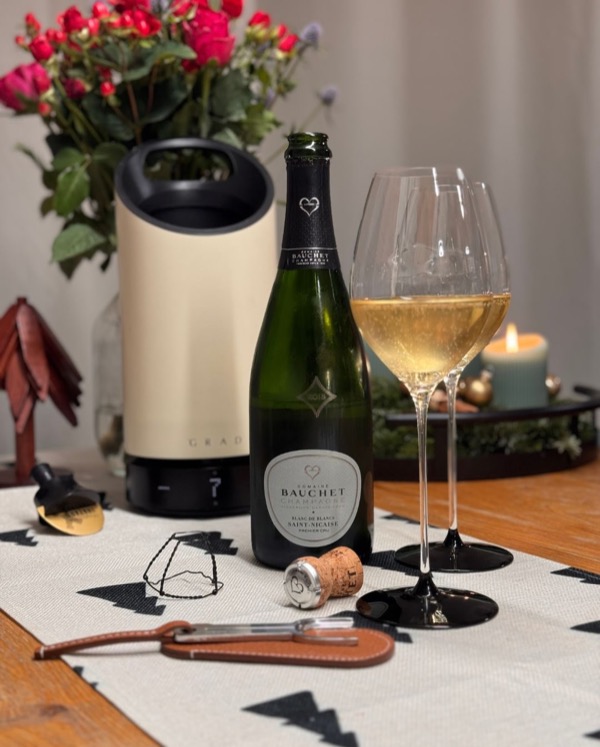
Der Saint-Nicaise 2015 von @domainebauchet hat gestern genau diese ruhige, warme Stimmung getroffen, die man sich für einen entspannten Abend…
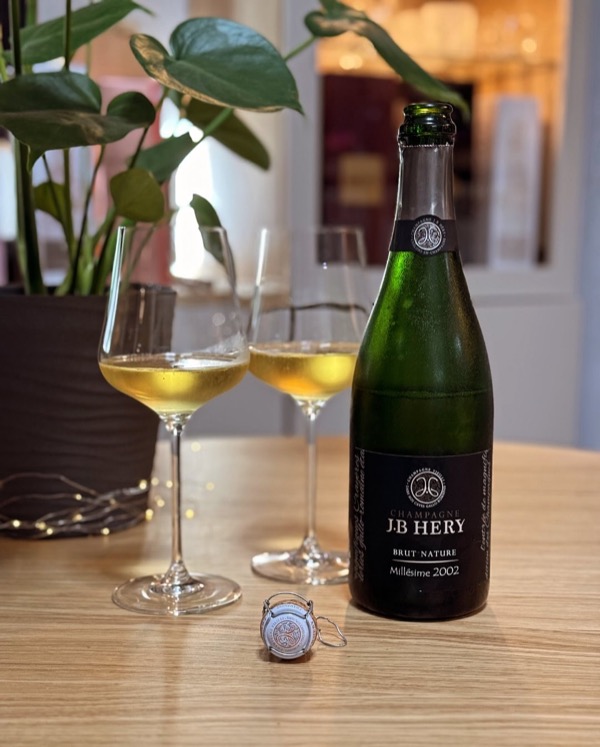
🍾 Heute im Glas: J.B Héry - Millésime 2002 - Brut Nature – ein spannender Fund aus meinem letzten Einkauf. Gerade erst frisch in den Keller…
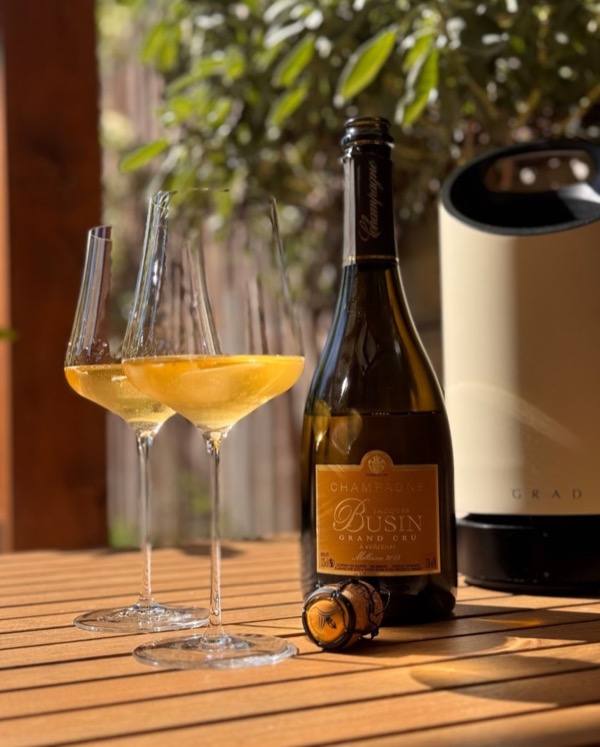
Erinnert ihr euch noch an den @champagnejacquesbusin – Millésime 2015 Grand Cru? Ich hatte diesen kraftvollen Champagner aus Verzenay letztes Jahr…
I have tasted a bottle from 2009. It was exactly what I expected from this vintage: ripe, soft, with a pleasant fullness. Not a champagne that forces you to think, but one that invites you to enjoy. A wine for the moment — and I mean that positively.
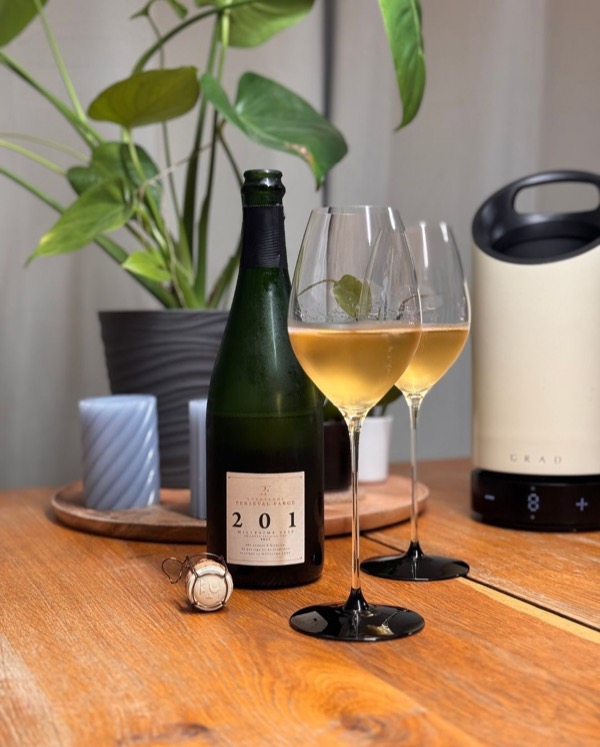
Ein Abend mit einer Flasche, die man sich merkt: @persevalfarge – Cuvée 201 Millésime 2009. Schon beim Einschenken merkt man, dass hier Substanz im…
What struck me: Despite the ripeness, the bottle still had a certain liveliness. Not the vibrating energy of a 2008, but enough freshness to avoid sliding into the one-dimensional.
The Warm Trend
2009 was part of a trend that was increasingly emerging in Champagne: The vintages were getting warmer. 2003, 2005, 2009 — the warm years were accumulating. What was the exception in the 1990s became the rule.
The question that arose: Is this good or bad for champagne? The traditional answer is: bad. Champagne lives from acidity, freshness, tension. Less acidity means less typical champagne character.
The modern answer is more nuanced: Warm vintages produce a different kind of champagne — rounder, more accessible, perhaps less intellectual, but no less enjoyable.
Classification
| Year | Style | Acidity | Drinking window |
|---|---|---|---|
| 2008 | Taut, mineral | Very high | 30+ years |
| 2009 | Ripe, soft | Moderate | 10-20 years |
| 2010 | Inconsistent | Medium | 10-15 years |
2009 stands as a counterweight to 2008 — and that's exactly why the vintage has its place. Not every champagne has to be a long-distance runner.
Drinking Readiness Today
Most 2009s are now in a beautiful stage of maturity. The fruit has developed, the creamy texture is pronounced, and the wines show pleasant complexity. However, one shouldn't wait too much longer — the moderate acid structure won't carry the wines forever.
The next 3-5 years are an ideal drinking window for the best 2009s. After that, the risk of fatigue begins to increase.
Conclusion
2009 is champagne for people who like champagne, not for people who analyze champagne. Soft, ripe, inviting — a vintage that doesn't hurt anyone and brings joy to many. Not a great year in the traditional sense, but a good year in the best sense of the word.