A Year of Patience
2010 demanded everything from the winemakers of Champagne. Not an easy year — neither the weather nor the harvest nor the quality made things simple. A vintage that required strict selection and ultimately produced truly convincing material only in the hands of the best winemakers.
The Weather in 2010
The weather year 2010 was a game of patience. The winter was unusually cold and long, with frost periods extending into March. Spring came hesitantly — temperatures remained cool, budbreak was delayed.
Flowering occurred late, from mid to late June, and proceeded unevenly. Coulure and millerandage occurred in many parcels, reducing potential yields.
Summer was changeable. July brought a brief warm phase, followed by a cool, wet August. The vines struggled with insufficient sunlight and constant humidity pressure. Mildew was a permanent risk.
September saved the day: A warm, dry phase in the second half of the month enabled passable final ripening. Harvest didn't begin until late September to early October — unusually late.
The harvest material was heterogeneous: In the best sites and with the most experienced winemakers, good material could be harvested. In less privileged positions, the grapes remained unripe and problematic.
Style of the Vintage
2010 champagnes show a divided picture:
The better examples:
- High acidity — nervous, lively
- Lean fruit — citrus, green apple, gooseberry
- Mineral depth — chalky, flinty
- Good tension — the cool conditions produced wines with backbone
The weaker examples:
- Unripe, green acidity — bitter and aggressive
- Thin fruit — appearing watery
- Vegetal notes — grass, herbs, green pepper
- Short finish — quickly fading
The range was enormous. Those who find the right bottle discover a champagne with nervous elegance. Those who are unlucky get a lean, unripe wine.
Varietal Performance
Chardonnay was the grape variety that benefited most from the late September. In the Grands Crus of the Côte des Blancs — where exposure and soil conditions are optimal — good Chardonnay could be harvested despite the difficult year. The acidity was high, the fruit fine, the minerality present.
Pinot Noir had greater problems. The variety's later ripening meant that many parcels couldn't bring their grapes to full maturity in time. The result was weak-colored, light Pinots.
Pinot Meunier fared somewhat better with its adaptability, but also couldn't deliver top quality.
Classification
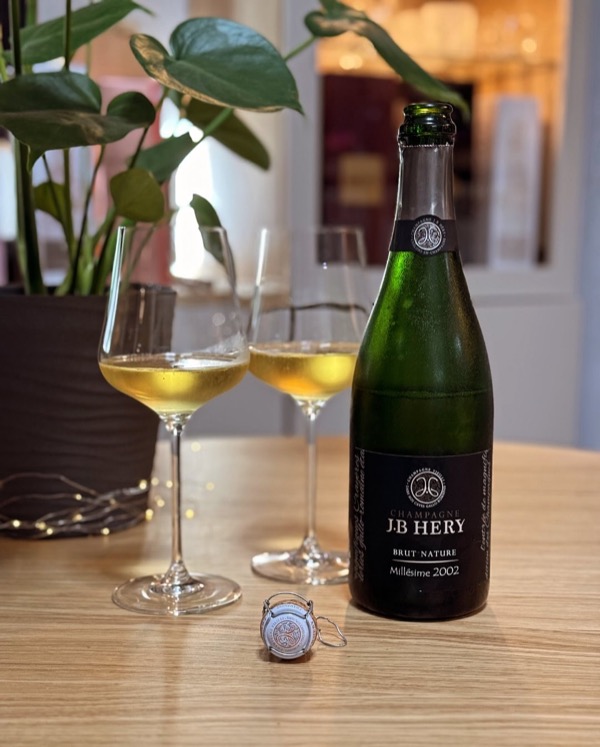
🍾 Heute im Glas: J.B Héry - Millésime 2002 - Brut Nature – ein spannender Fund aus meinem letzten Einkauf. Gerade erst frisch in den Keller…
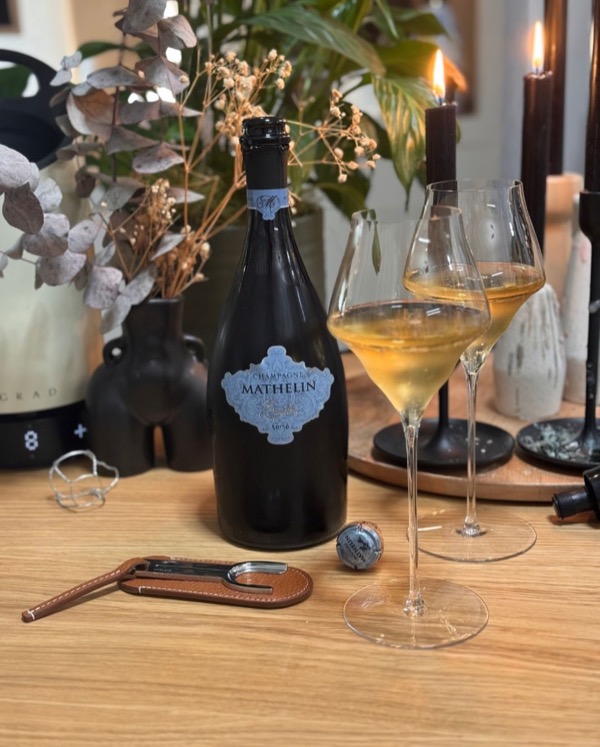
Manchmal sagt ein minimalistisches Etikett schon alles: Beim „Équilibre“ von @champagne_mathelin ist der Name absolutes Programm! Auf der Flasche…
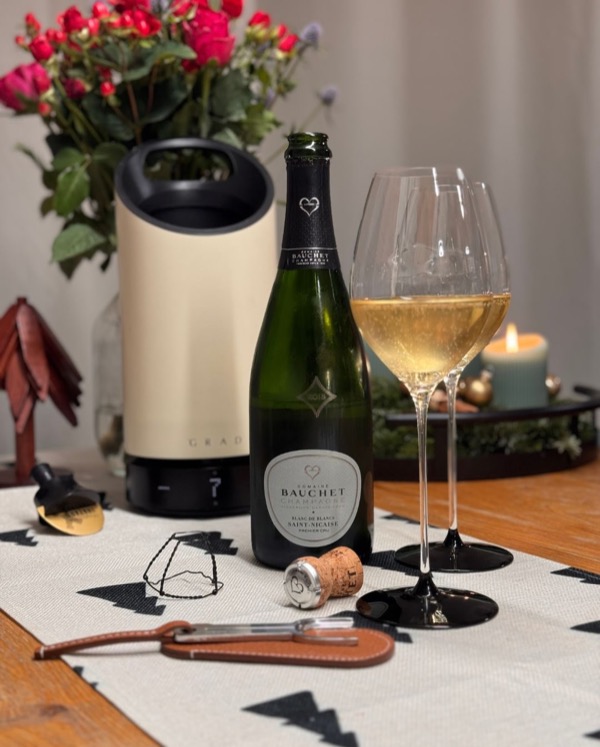
Der Saint-Nicaise 2015 von @domainebauchet hat gestern genau diese ruhige, warme Stimmung getroffen, die man sich für einen entspannten Abend…
In the sequence 2008-2009-2010-2011-2012, 2010 is the weakest vintage:
| Year | Quality | Character |
|---|---|---|
| 2008 | Excellent | Taut, long-lived |
| 2009 | Good | Ripe, accessible |
| 2010 | Weak to medium | Heterogeneous, cool |
| 2011 | Weak | Early-maturing, light |
| 2012 | Good to very good | Concentrated, structured |
After two good to great years, 2010 was a sobering experience. The consolation: 2012 and 2013 would bring the return of quality.
Few Millésimes
As expected, only a few houses declared a vintage champagne for 2010. The material was predominantly destined for Non-Vintage blends. There it served its purpose: the high acidity brought freshness and nervousness to the assemblage.
Individual grower champagnes with specific parcel bottlings from privileged sites can be interesting, but they remain niche products for connoisseurs.
Drinking Maturity Today
The few 2010 Millésimes that exist find themselves in a peculiar stage: the acidity keeps them fresh, but the lack of fruit concentration makes them seem somewhat hollow. In the best cases, maturity has brought a certain mineral complexity. In the worse cases, the wines are thin and tired.
If you find a 2010, curiosity is worthwhile — but with the readiness to accept disappointment as well.
Posts
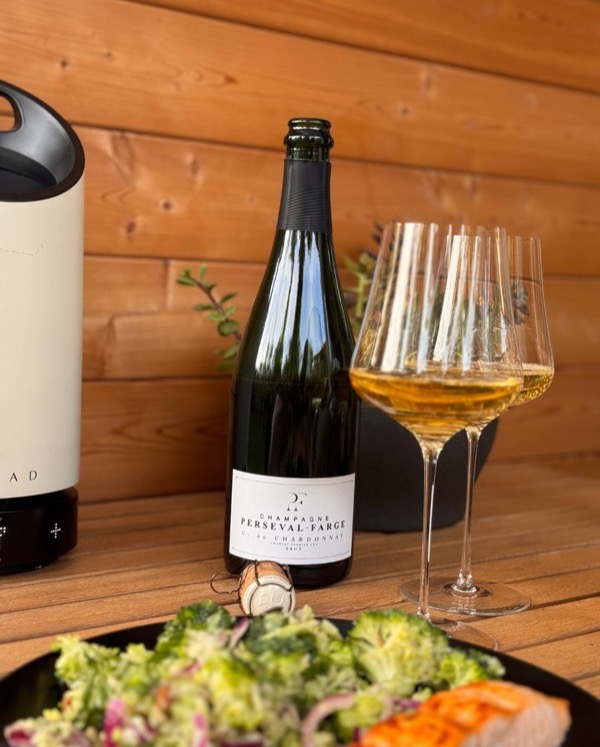
Ein Montagabend wie aus dem Lehrbuch. Lauwarmer Brokkoli-Salat mit Honig-Senf-Dressing. Dazu frischer Lachs – gegrillt, mit etwas Zitrone. Und im…
Conclusion
2010 is not a vintage that writes champagne history. It's a year that shows how dependent Champagne is on weather — and how important the winemaker's skills are when nature doesn't cooperate. A quiet worker in the background, not a star on stage.