Everything a Bit Too Fast
2011 was a year that knew no pause. Early budbreak, early flowering, early ripening, early harvest. Champagne in fast-forward mode — similar to 2007, but with slightly more substance. A vintage that produced accessible, light wines without the depth and complexity that collectors seek.
The Weather in 2011
The weather year 2011 was characterized by an unusually warm spring. Already in March, temperatures were significantly above average. April and May continued the trend — the vines budded early, flowering took place as early as the end of May, as early as rarely seen before.
Summer was then less convincing. June was warm, but July brought cooling and abundant rain. August was unstable, with a mix of warm and cool phases. The rapid development of spring was slowed down in summer.
Harvest began unusually early, already at the end of August to early September. The grapes were ripe but not particularly concentrated. Sugar levels were acceptable, acidity moderate to low.
Overall, an uncomplicated year without extreme events — neither frost, nor hail, nor heat stress. But also without the special conditions that produce great vintages.
Style of the Vintage
2011 Champagnes are light, fruity and uncomplicated:
- Bright fruit — apple, pear, citrus, white flowers
- Moderate acidity — fresh, but without great tension
- Light body — delicate, without much weight
- Floral notes — acacia, elderflower
- Quick drinking maturity — most were ready after a few years
- Short to medium aging potential — 5-12 years
These are Champagnes you drink, not study. Pleasant, unobtrusive, with a certain charm — but without lasting impression.
Grape Variety Performance
In a warm, early year, all three grape varieties showed their accessible side:
Chardonnay produced fresh, light wines — clean, citrus-focused, without great depth. The Côte des Blancs delivered decent material, but lacked the intensity of cooler vintages.
Pinot Noir was friendly and fruity. Not the concentration and structure of a 2008 or 2012, but pleasant to drink. Red berry fruit, light spice notes.
Pinot Meunier was — as in many non-extreme years — the most reliable component. Fruity, accessible, with natural drinkability.
Classification
2011 stands between two more interesting vintages:
| Year | Character |
|---|---|
| 2010 | Difficult, but with potential in the best sites |
| 2011 | Light, fruity, uncomplicated |
| 2012 | Concentrated, structured, serious |
The contrast to 2012 is remarkable: While 2011 made everything light and quick, 2012 delivered small, concentrated grapes with enormous intensity. A classic contrasting pair.
Few Millésimes
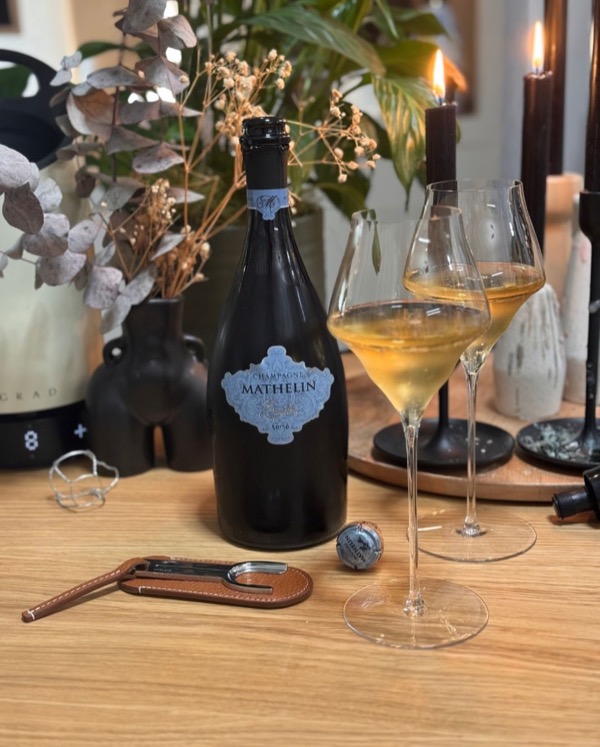
Manchmal sagt ein minimalistisches Etikett schon alles: Beim „Équilibre“ von @champagne_mathelin ist der Name absolutes Programm! Auf der Flasche…
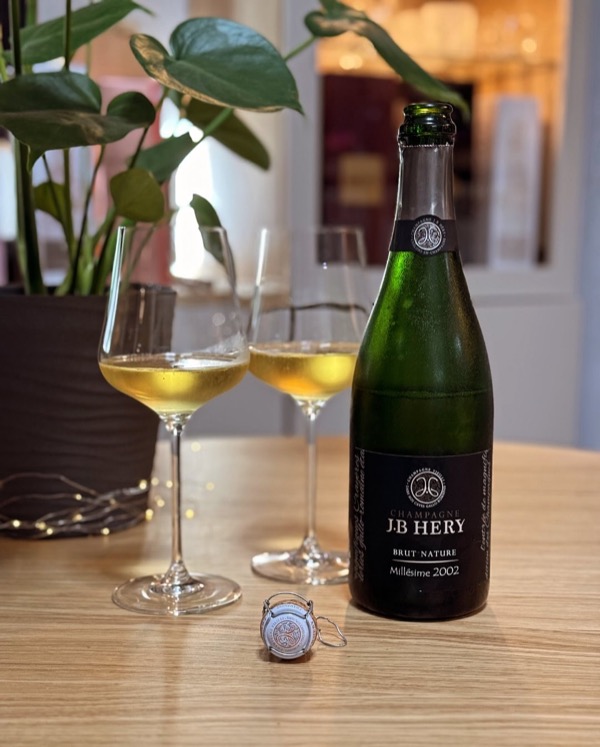
🍾 Heute im Glas: J.B Héry - Millésime 2002 - Brut Nature – ein spannender Fund aus meinem letzten Einkauf. Gerade erst frisch in den Keller…
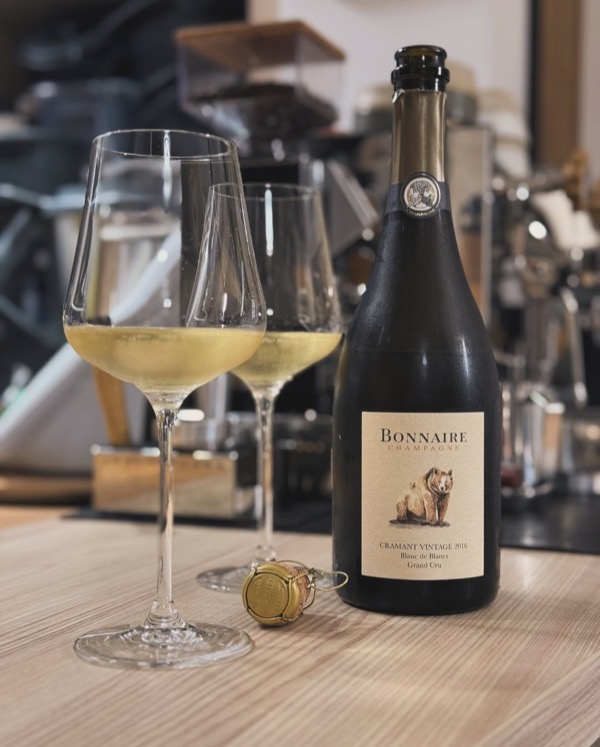
Diese Woche kam eine frische Lieferung direkt aus der Champagne bei mir an – Drei spannende Flaschen von @bonnaireclouet . Für den Auftakt habe ich…
Most houses refrained from vintage declaration. The material was valuable for Non-Vintage production — fresh, fruity, immediately usable — but lacked the substance for independent Millésimes.
Some smaller producers bottled 2011s, often as accessible, attractively priced vintage Champagnes. Anyone who finds one and doesn't want to spend much can certainly have a pleasant evening with it.
The Role in the Non-Vintage System
Vintages like 2011 illustrate why the system of Réserve wines in Champagne is so important. The 2011 material brought freshness and fruit to the blends, but was supplemented by Réserve wines from stronger years. This creates a consistent Non-Vintage Champagne every year — regardless of the quality of individual vintages.
It's a system that rewards flexibility and cushions the impact of weak or mediocre years. 2011 is a perfect example of this.
Drinking Maturity Today
The vast majority of 2011s are past their peak or approaching it. The light structure and moderate acidity offer no framework for long aging. Anyone who still has a bottle should open it soon.
Prestige Cuvées — if available — might possibly last another 2-3 years, but the risk is increasing. Not a vintage to put away.
Posts
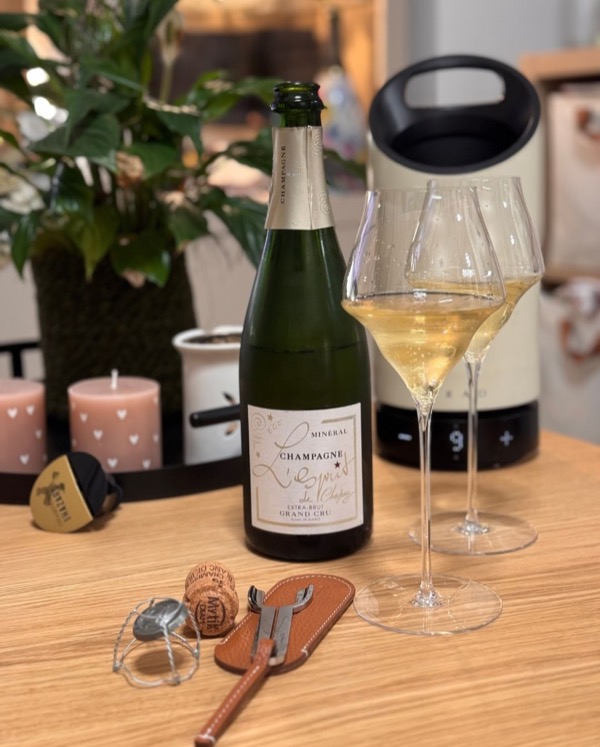
Gestern habe ich die Cuvée Minéral von @champagne_espritchapuy geöffnet. Ein 100 % Chardonnay Grand Cru aus Oger, Basisjahr 2014, mit 30 %…
Conclusion
2011 is an honest, modest vintage. It never claimed to be something special, and kept its promise: pleasant Champagnes for immediate enjoyment. In a region celebrated for its Prestige Cuvées and century vintages, 2011 reminds us that everyday production makes up the largest part of Champagne creation — and that it too has its justification.