The grape variety nobody takes seriously
Pinot Meunier — the "third grape variety" of Champagne — has an image problem. It rarely appears in the prestige cuvées of the great houses. In wine guides, it's dismissed as a "blending partner." And yet it covers around 32% of the vineyard area — more than Chardonnay.
The truth is: Without Meunier, champagne would be more boring.
The name "Meunier" comes from the French word for miller — the undersides of the vine's leaves are covered with white, floury hairs, as if they were dusted with flour. In German, it's sometimes called Schwarzriesling or Müllerrebe, but in Champagne it's simply called Meunier.
For a long time, Meunier was considered the "workhorse grape" of Champagne — robust, reliable, high-yielding, but without the glamour of Chardonnay or the nobility of Pinot Noir. This assessment is fundamentally wrong, as the last twenty years have impressively shown.
What Pinot Meunier contributes to champagne
- Fruit — Ripe pear, apple, sometimes tropical notes
- Accessibility — Meunier champagnes are immediately drinkable, no long waiting necessary
- Roundness — A silky-creamy texture that Chardonnay and Pinot Noir don't deliver
- Charm — Meunier champagnes are the champagnes you enjoy without thinking
- Blending partner — In the assemblage, Meunier provides fruit and suppleness
In the assemblage of the great houses, Meunier plays a quiet but crucial role. Without it, many houses' Brut NV would be leaner, tauter, and less inviting. Meunier brings the immediate fruit that makes a champagne accessible on the first sip — before Chardonnay unfolds its minerality and Pinot Noir its structure.
Terroir: Where Meunier is at home
Vallée de la Marne
The homeland of Pinot Meunier. On the clay-limestone soils of the Vallée de la Marne, Meunier feels most comfortable. The variety is resistant to late frost — a crucial advantage in a valley where cold air descends in spring.
The Vallée de la Marne is a frost-prone area. Cold air masses collect in the valley and can destroy the vine buds in spring. Pinot Noir and Chardonnay are sensitive to this — their buds break earlier and are more vulnerable. Meunier breaks later and has thicker, more resistant buds. This makes it not just the most practical choice in the Vallée de la Marne, but often the only sensible one.
On the best sites in the Vallée de la Marne — especially around Festigny, Leuvrigny, and Venteuil — grows Meunier that disproves every prejudice. From old vines, gently vinified, it produces champagnes of astonishing depth.
Côte des Bar
Meunier also grows here, though less prominently than Pinot Noir. In the Aube, you find it scattered on parcels that are too cold or too frost-prone for Pinot Noir.
Other regions
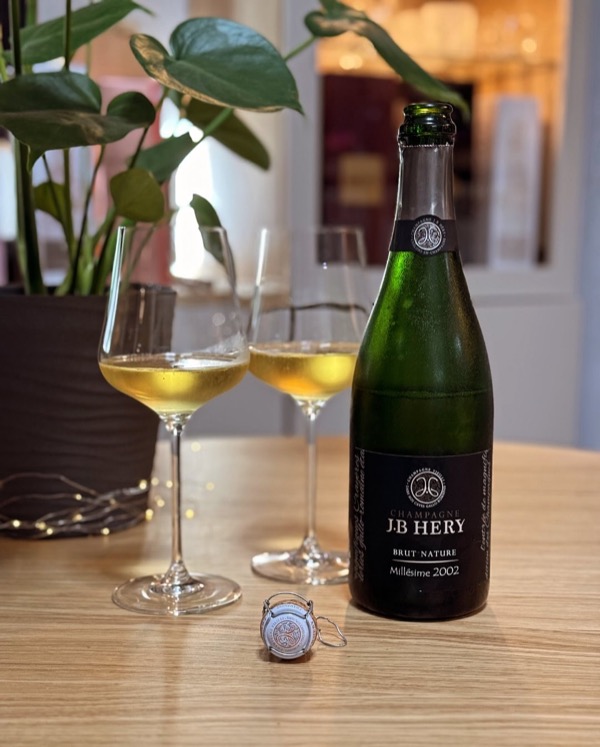
🍾 Heute im Glas: J.B Héry - Millésime 2002 - Brut Nature – ein spannender Fund aus meinem letzten Einkauf. Gerade erst frisch in den Keller…
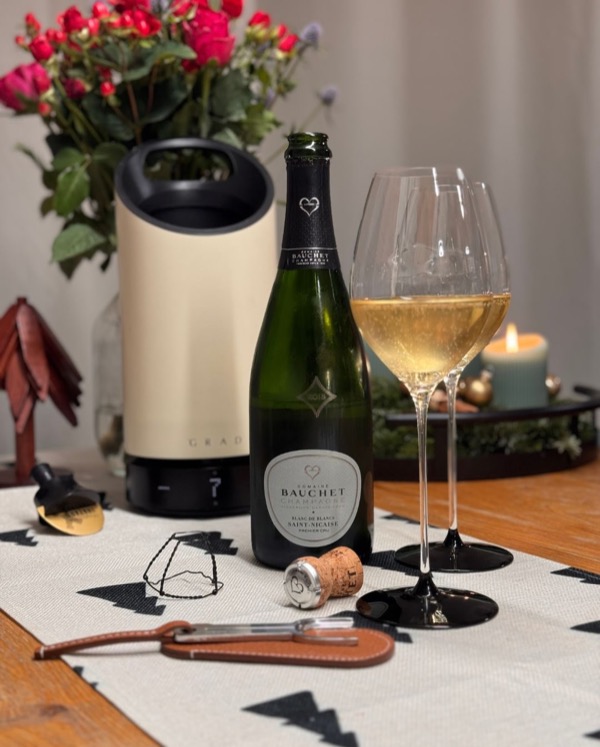
Der Saint-Nicaise 2015 von @domainebauchet hat gestern genau diese ruhige, warme Stimmung getroffen, die man sich für einen entspannten Abend…
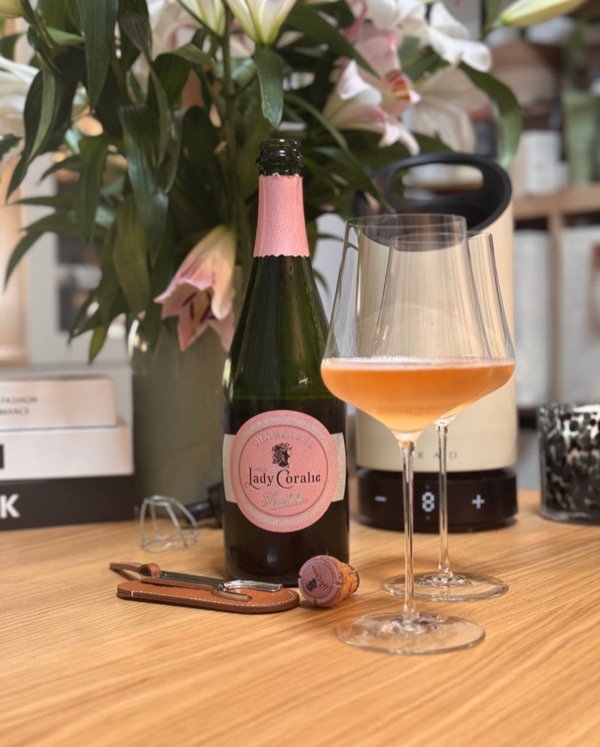
Heute habe ich eine echte Besonderheit aus der „Collector“ Linie von @champagne_mathelin im Glas: Die Cuvée „Lady Coralie“. Das Spannende an diesem…
Meunier also appears occasionally on the Montagne de Reims — mostly on north-facing slopes and in lower hillside positions. In the Grand Cru villages, however, it's rare, since Pinot Noir and Chardonnay play the leading roles there.
The Meunier revolution
In recent years, a new generation of growers has brought Meunier into the spotlight. Mono-cépage champagnes from 100% Meunier, some aged in wooden barrels, show what the grape variety can do on its own. Growers like Robert Allait, Champagne Météyer, or Champagne Laherte work deliberately with Meunier as the main variety.
This revolution has fundamentally changed the perception of the grape variety. Previously, 100% Meunier was a sign that a grower had nothing else. Today it's a conscious statement — the grower is saying: This grape variety is good enough to stand alone.
What emerges is often surprising. A well-made 100% Meunier has a silky-creamy texture that neither Chardonnay nor Pinot Noir delivers in this form. The fruit is ripe but not jammy, the acidity present but not cutting. These are champagnes you can open and enjoy immediately — not intellectual exercises, but pure drinking pleasure.
Meunier and aging
One of the most persistent prejudices: Meunier doesn't age. That's not true. It's correct that Meunier champagnes are generally ready to drink earlier than Chardonnay champagnes. But "ready to drink sooner" doesn't mean "not suitable for aging."
Old Meunier champagnes develop fascinating notes of brioche, honey, and dried fruits over time. They lose their primary fruit faster than Chardonnay, but gain depth and complexity. I've drunk 15-year-old Meunier champagnes that were wonderful — soft, round, with a cocoa note that was absolutely beguiling.
Meunier in oak barrels
A particularly exciting trend: Meunier aging in oak barrels. The natural fruitiness and softness of the grape variety harmonizes well with subtle wood influence. Old barrels give a nutty texture that complements Meunier's charm without covering it up. Some of the best Meunier champagnes I've drunk were aged in oak barrels.
183 of my tasted champagnes contain Pinot Meunier. The best come from old vines in the Vallée de la Marne — they show a depth and complexity that belies the prejudice of the "simple grape variety."
Posts
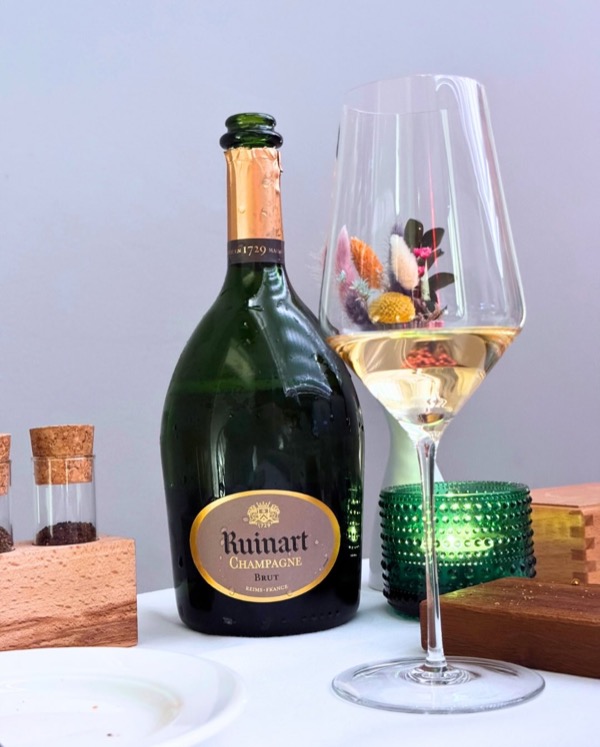
Gestern waren wir im wunderbaren @max_enk_leipzig . Wenn man ein wirklich großartiges Menü vor sich hat, braucht man manchmal keinen ultra-komplexen,…
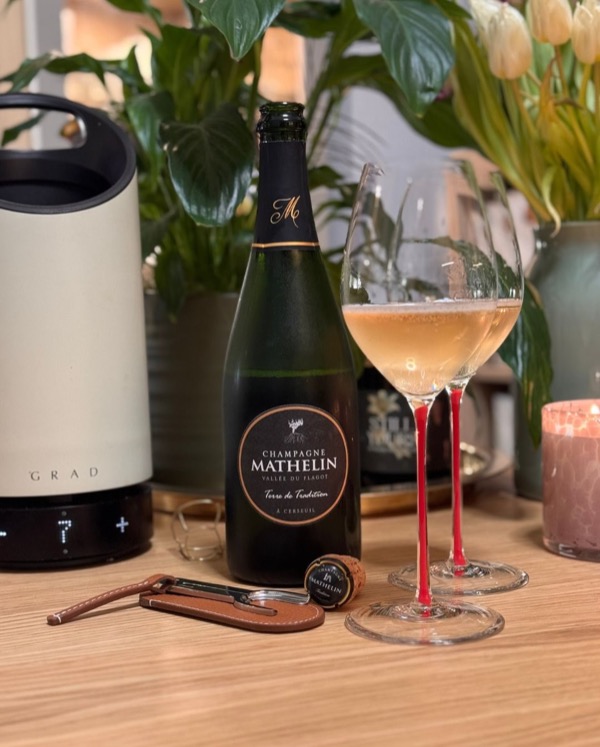
Heute habe ich einen äechter Klassiker aus dem Herzen der Marne geöffnet, der seinem Namen alle Ehre macht: Den „Terre de Tradition“ Brut von…
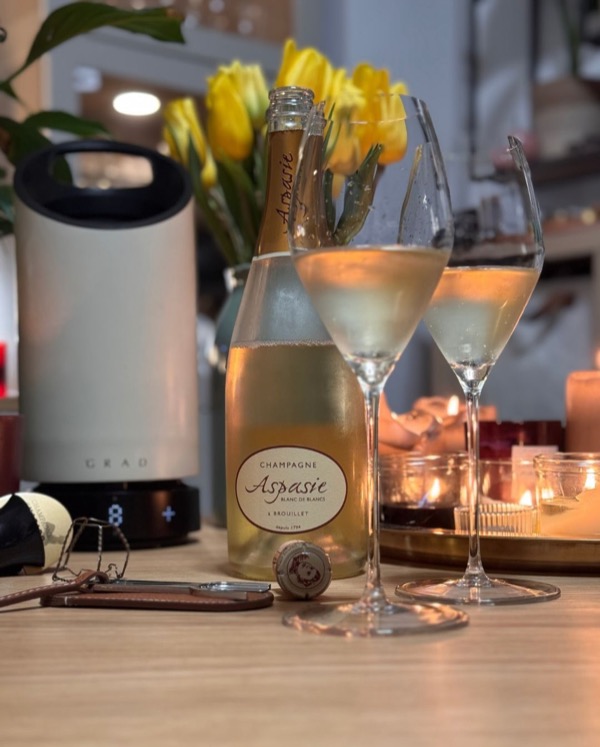
Mit dem Blanc de Blancs Brut von @champagneaspasie habe ich hier einen wirklich spannenden Exoten. Dieser Blanc de Blancs besteht zu 100 % aus…