As a champagne enthusiast, I repeatedly encounter confusion around the topic of sugar in champagne. While most people know about dosage — the sugar that's added at the end — chaptalization is much less well-known, even though it plays a fundamental role in champagne production.
What is Chaptalization?
Chaptalization describes the addition of sugar to grape must before the first alcoholic fermentation. This sugar is completely converted to alcohol by the yeasts and thus increases the final alcohol content of the base wine. Unlike dosage, no residual sugar remains in the wine after chaptalization.
The Crucial Difference from Dosage
My Posts About This
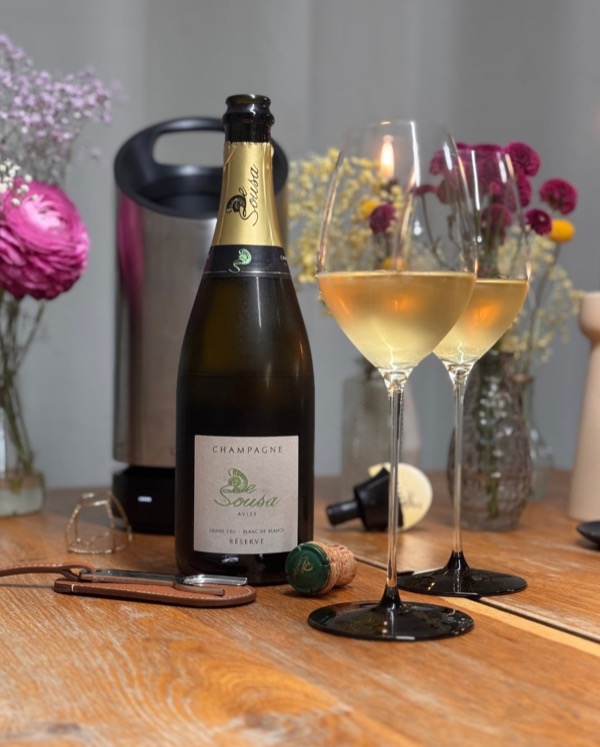
Heute habe ich einen herausragenden Blanc de Blancs geöffnet: Die „Grand Cru Réserve“ von @champagnedesousa aus Avize. Die Familie De Sousa arbeitet…
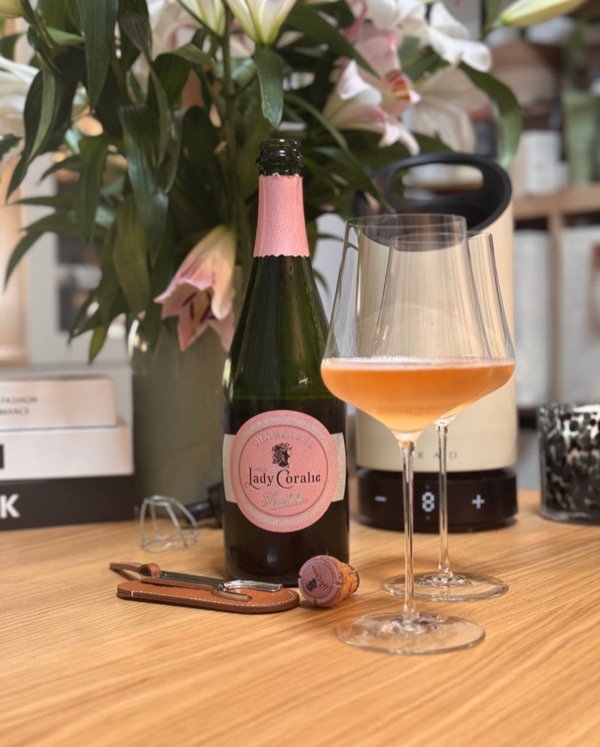
Heute habe ich eine echte Besonderheit aus der „Collector“ Linie von @champagne_mathelin im Glas: Die Cuvée „Lady Coralie“. Das Spannende an diesem…
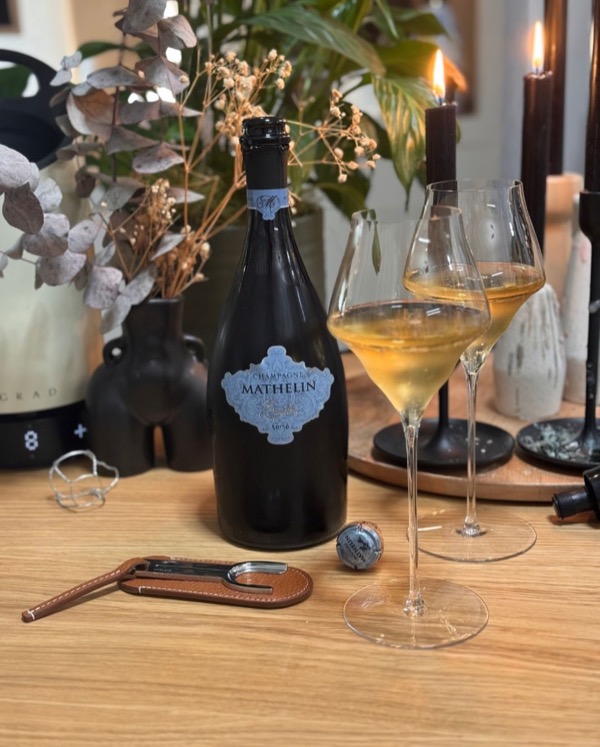
Manchmal sagt ein minimalistisches Etikett schon alles: Beim „Équilibre“ von @champagne_mathelin ist der Name absolutes Programm! Auf der Flasche…
| Aspect | Chaptalization | Dosage |
|---|---|---|
| Timing | Before 1st fermentation | After riddling |
| Purpose | Increase alcohol content | Round out flavor |
| End Result | No residual sugar | Sweetness in final champagne |
| Conversion | Sugar → Alcohol | Sugar remains preserved |
I like to explain it this way: Chaptalization is like turning up a too-cool oven, while dosage is the final seasoning of the finished dish.
Why is Chaptalization Necessary in Champagne?
The Cool Climate as a Challenge
Champagne lies at the northern limit of viticulture. With average temperatures during the growing season, the grapes often don't reach the natural sugar ripeness necessary for a balanced alcohol content of 11-12%.
Typical Must Weights in Champagne:
- Without chaptalization: 9-10% potential alcohol
- After chaptalization: 11-12% potential alcohol
These additional 1-2% alcohol are crucial for the structure and aging potential of champagne. Too low an alcohol content would lead to unstable wines susceptible to bacterial spoilage.
The Legal Rules and Limits
What is Permitted?
EU wine regulations and French wine law define clear limits:
- Maximum: 2% additional alcohol through chaptalization
- Sugar Type: Only beet sugar (sucrose) or rectified grape must concentrates
- Control: Strict governmental oversight and documentation requirements
- Timing: Exclusively before or during alcoholic fermentation
Practical Implementation
In practice, most champagne houses chaptalize their base wines by 0.5-1.5%. Only in exceptionally cool years is the maximum of 2% utilized. Every winemaker must report every addition to the authorities and can be inspected at any time.
Jean-Antoine Chaptal: The Namesake
Alles beginnt jetzt! 🥂 Wirklich begonnen hat alles aber vor rund drei Jahren, als ich zum ersten Mal bewusst einen Champagner genießen durfte. Wie…
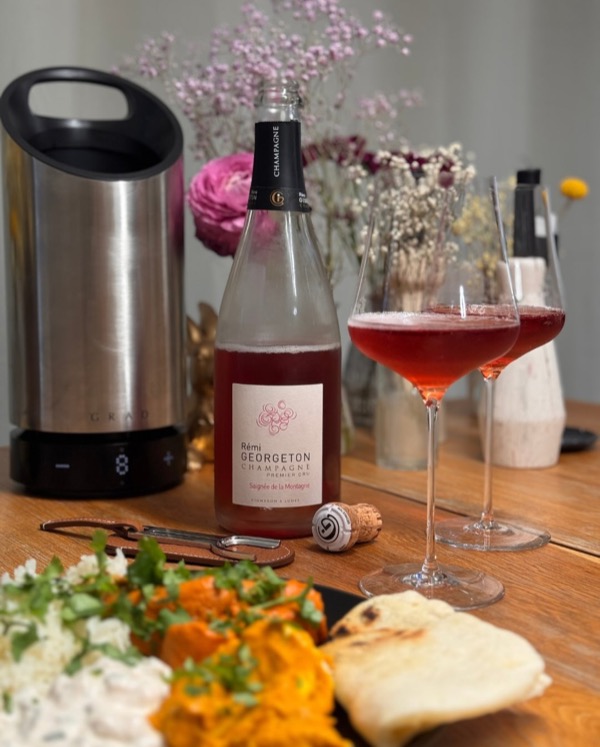
Bei uns kommt ja regelmäßig indisch auf den Tisch, und dieses Mal gab es das volle Wohlfühl-Programm: Butter Chicken, Royal Paneer, erfrischendes…
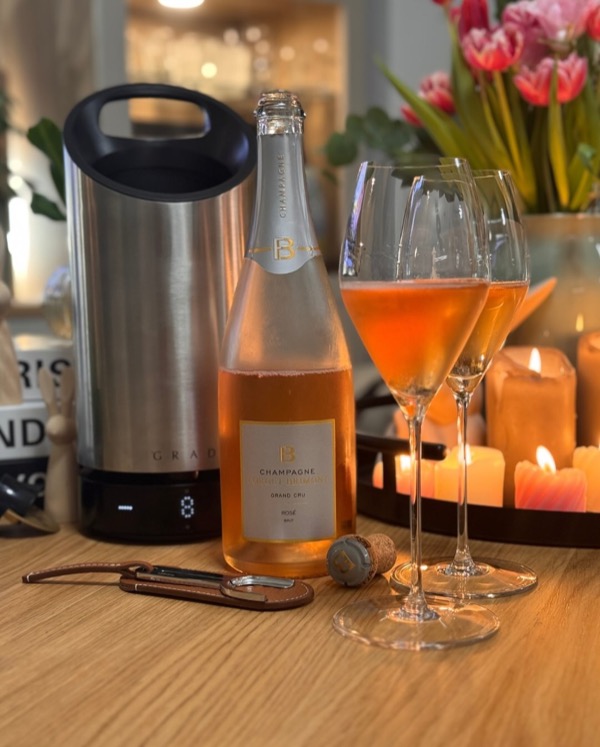
Heute gibt es mal wieder einen Rosé, der optisch und geschmacklich richtig Spaß macht: Den Brut Rosé von @champagne_forget_brimont . Wie ihr auf dem…
The technique is named after Jean-Antoine Chaptal (1756-1832), a French chemist and politician under Napoleon. Chaptal recognized that systematic sugar addition represented a solution to the climatic challenges of French viticulture.
Chaptal's Revolutionary Insight
Chaptal was the first to scientifically prove that:
- Sugar is completely fermented to alcohol (16g sugar = 1% alcohol)
- The technique stabilizes wine quality in cool climate zones
- Controlled application leads to better, more age-worthy wines
Interestingly, Chaptal himself never worked in Champagne — but his insights found their ideal application there.
The Controversial Discussion
Proponents Argue
Quality Improvement: Without chaptalization, many champagne vintages would be of inferior quality or not marketable at all.
Climatic Necessity: Champagne is a borderland of viticulture — natural aids are legitimate.
Traditional Practice: Established for over 200 years and part of regional winemaking culture.
Critics Object
Terroir Falsification: Sugar addition masks the true climatic conditions of the vintage.
Artificial Enhancement: "Real" wine should only come from grapes.
Competitive Distortion: Compared to southern growing regions where chaptalization is prohibited.
Modern Alternatives and Future Prospects
Reverse Osmosis and Vacuum Distillation
Some champagne houses are experimenting with modern technologies for must concentration. These processes remove water instead of adding sugar — but are significantly more expensive.
Climate Change as a Game-Changer?
Due to global warming, champagne grapes today more frequently reach natural sugar levels of 10-11%. In some years, chaptalization is no longer necessary. Nevertheless, it remains indispensable as a "safety net" for cool years.
My Conclusion
Chaptalization is a proven, controlled practice that helps Champagne ensure high quality even in difficult years. The technique is transparent, legally regulated, and has been tested for centuries. I understand criticism of it, but in a borderline climate like Champagne, it's a necessary tool for consistent quality in my view.
What's important to me: Chaptalization doesn't mean "sugar in champagne" — all added sugar is fermented to alcohol. The sweet taste of some champagnes comes exclusively from dosage, not from chaptalization.