When I travel through the Champagne region and speak with winemakers about their pressing procedures, their eyes light up as soon as the conversation turns to Cœur de Cuvée. This "heart fraction" is considered the most precious thing that can be extracted from the grapes – and for good reason.
What exactly is Cœur de Cuvée?
Cœur de Cuvée refers to the middle fraction of the press juice, which is obtained during the cuvée pressing. To understand this, you need to know: In traditional champagne pressing, a total of 2,550 liters of must are extracted from 4,000 kg of grapes. Of this, 2,050 liters come from the so-called Cuvée (the first, finest pressing) and 500 liters from the Taille (second pressing).
The Cœur de Cuvée typically comprises liters 500-1,500 of this cuvée pressing. This is where the true potential of the grapes unfolds: maximum extract with minimal oxidation, perfect balance between acidity and fruit.
The three fractions of pressing in detail
Tête de Cuvée (0-500 liters)
- Characteristics: Very light, low acidity
- Properties: Elegant, but often somewhat one-dimensional
- Use: Often for light, accessible champagnes
Cœur de Cuvée (500-1,500 liters)
- Characteristics: Optimal balance of acidity, extract, and color
- Properties: Complex, structured, age-worthy
- Use: Base for prestige cuvées
Queue de Cuvée (1,500-2,050 liters)
- Characteristics: Higher acidity, more phenols
- Properties: Robust, can be somewhat rougher
- Use: Blending or separate processing
| Fraction | Liters | Acidity Level | Extract | Quality Profile |
|---|---|---|---|---|
| Tête | 0-500 | Low | Low | Elegant, simple |
| Cœur | 500-1,500 | Optimal | High | Complex, structured |
| Queue | 1,500-2,050 | High | Very high | Powerful, tannic |
Why do houses use this term for top products?
Several renowned houses have chosen Cœur de Cuvée as the brand name for their flagship champagnes. The reason is obvious: it signals the highest quality and artisanal perfection.
The philosophy behind it:
- Selectivity: Only the best of the best
- Tradition: Return to classic pressing methods
- Quality promise: Transparency about the must fractions used
- Marketing aspect: The term conveys exclusivity and expertise
The crucial difference from Taille

Alles beginnt jetzt! 🥂 Wirklich begonnen hat alles aber vor rund drei Jahren, als ich zum ersten Mal bewusst einen Champagner genießen durfte. Wie…
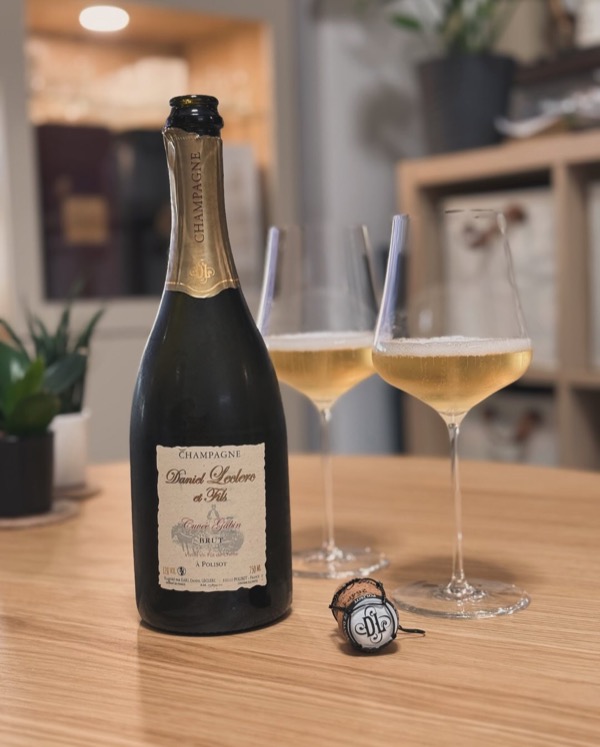
Manchmal öffnet man eine Flasche und weiß sofort: Das passt. Genau das hatte ich gestern mit der Cuvée Gabin Brut von @champagne.daniel.leclerc . Ein…
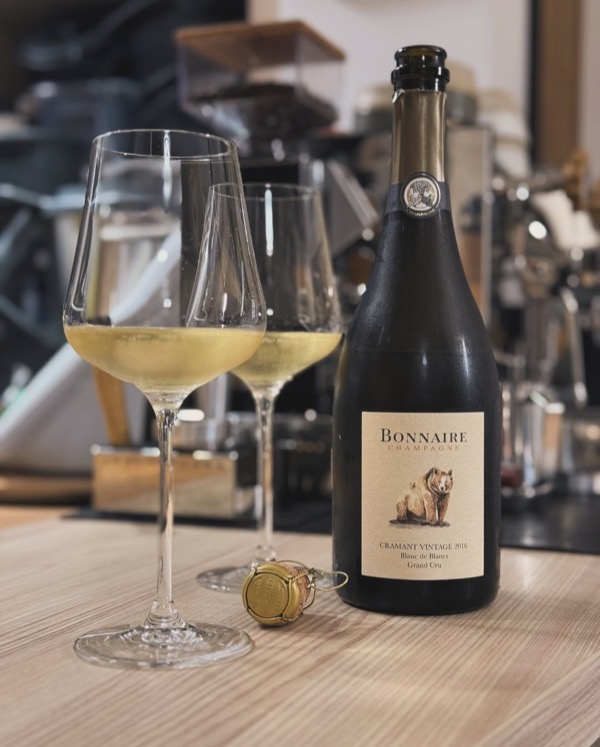
Diese Woche kam eine frische Lieferung direkt aus der Champagne bei mir an – Drei spannende Flaschen von @bonnaireclouet . Für den Auftakt habe ich…
While Cœur de Cuvée represents the heart of the first pressing, the Taille is the result of a second, more intensive pressing of the already pressed grapes.
Characteristic differences:
Cœur de Cuvée:
- Lower pressure during pressing
- Less contact with skins and seeds
- Lower phenolic extraction
- Finer, more elegant structure
Taille:
- Higher press pressure required
- More skin extraction
- Higher acidity levels
- More robust, sometimes rustier character
The significance for champagne quality
As The Champagne Guy, I can confirm: The use of Cœur de Cuvée makes a measurable difference in the final quality. Here are the key aspects:
Flavor profile
The middle fraction combines the best of both worlds: the elegance of the first liters with the structure of the later pressing. The result is a harmonious, multi-layered flavor profile with perfect balance.
Aging potential
Champagnes from Cœur de Cuvée often show superior aging potential. The optimal acidity-extract balance enables slow, complex development over years or even decades.
Consistency
Since the middle fraction has the most stable characteristics, cellar masters can create more consistent cuvées – the same high standard year after year.
Practical implementation in the winery
In practice, obtaining Cœur de Cuvée requires utmost precision and often economic sacrifices. Many houses use only 60-70% of the available cuvée must for their top champagnes.
The remaining fractions are either used in other cuvées or – for absolute perfectionists – completely discarded. This uncompromising attitude also explains the price differences between standard and prestige champagnes.
Conclusion: More than just marketing
Cœur de Cuvée is far more than a beautiful term on the label. It stands for a philosophy of quality that begins with the harvest and continues through the entire production process. Anyone who drinks a champagne with this designation is truly enjoying the liquid heart of the champagne craft.
As a champagne enthusiast, I advise: Taste these special cuvées consciously and comparatively. The difference is not only measurable – it's tasteable.