As a champagne enthusiast, I hardly know a more fascinating discovery than the still wines of Champagne. While the entire world raves about the sparkling drops, an almost unknown wine world hides in the same region: the Coteaux Champenois. These still wines are the best-kept secrets of Champagne – and for good reason.
What are Coteaux Champenois?
The AOC Coteaux Champenois encompasses all still wines produced in the Champagne region. The name literally means "hills of Champagne" and perfectly describes the origin of these special drops. Recognized as an independent appellation since 1974, red, white, and rosé wines are created here without any carbonation – a fascinating contrast to the famous sparkling wine.
The three categories at a glance
My posts about this

Heute gibt es mal wieder einen Rosé, der optisch und geschmacklich richtig Spaß macht: Den Brut Rosé von @champagne_forget_brimont . Wie ihr auf dem…

Hier habe ich einen ganz besonderen Rosé göffnet: den „Bissextile“ von @derotdelugny . Der Name ist hier Programm, denn dieser Rosé d’Assemblage…

Das große Finale: Station 10 von 10. 🥂✨ Heute schließe ich ein Kapitel, das mich über die letzten Monate intensiv begleitet hat. Mit der Cuvée de…
| Wine type | Grape varieties | Characteristics |
|---|---|---|
| White | Chardonnay, Pinot Noir, Pinot Meunier | Mineral, elegant, often Burgundy-influenced |
| Red | Pinot Noir, Pinot Meunier | Light to medium-bodied, earthy elegance |
| Rosé | Mainly Pinot Noir | Delicate, fruity, exceptionally complex |
Why are Coteaux Champenois so rare?
The rarity of these wines is explained by a simple economic reality: Champagne is significantly more profitable. The grapes from Champagne are among the most expensive in the world – a kilogram can cost between 5 and 8 euros depending on the location. While a Champagne sells for 30-50 euros, a still wine from the same grape must compete against competition from cheaper regions.
The harsh reality of Champagne economics
From what I've read about the winemakers: "Why should I sell a Coteaux Champenois for 15 euros when I can make a Champagne from the same grapes for 35 euros?" This logic is understandable, but makes the still wines a true rarity.
Additionally, there's the cool climate of Champagne. The region lies at the northern limit of viticulture, which makes ripening grapes for still wines more difficult. Many years it simply doesn't work to produce enough ripe grapes for high-quality still wines.
The most famous examples
Bouzy Rouge – The king of red Coteaux Champenois
The Bouzy Rouge from the village of the same name is undoubtedly the best-known red Coteaux Champenois. Producers like Paul Bara and Georges Vesselle create Pinot Noir of exceptional elegance here. The wine typically shows:
- Color: Light to medium ruby red
- Aromatics: Red berries, earthy notes, subtle minerality
- Palate: Silky tannins, vibrant acidity, Burgundian elegance
Rosé des Riceys – The rosé jewel
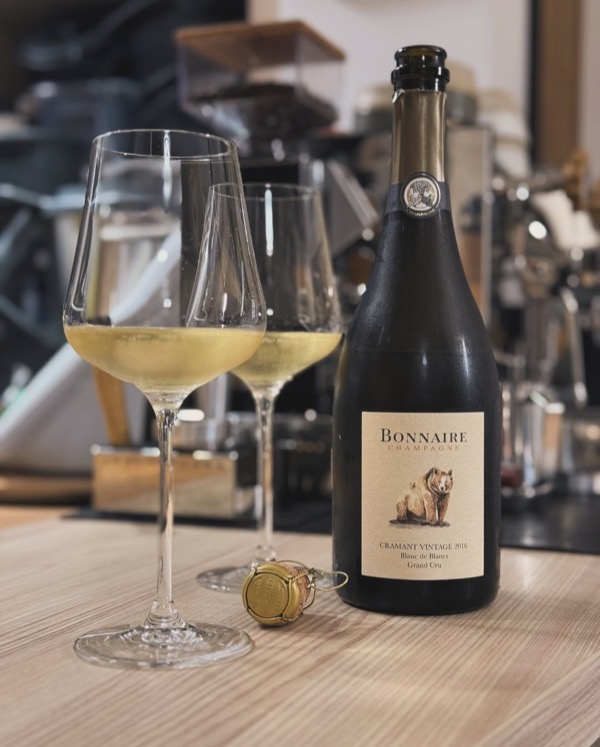
Diese Woche kam eine frische Lieferung direkt aus der Champagne bei mir an – Drei spannende Flaschen von @bonnaireclouet . Für den Auftakt habe ich…

Heute habe ich eine echte Besonderheit aus der „Collector“ Linie von @champagne_mathelin im Glas: Die Cuvée „Lady Coralie“. Das Spannende an diesem…

Wer 100 % Chardonnay liebt, kommt an den Grand-Cru-Lagen von Cramant an der nördlichen Côte des Blancs nicht vorbei. Das Dorf ist berühmt für Weine…
The Rosé des Riceys even has its own AOC and is considered one of the finest rosé wines in France. Vinified exclusively from Pinot Noir and produced only in exceptional years, it is:
- Extremely limited (often only 500-1000 bottles per producer)
- Characterized by intense fruit and mineral complexity
- A wine for special occasions
White Coteaux Champenois – Chardonnay in perfection
The white Coteaux Champenois, mainly from Chardonnay, show the mineral precision of Champagne soils. Producers like Cedric Bouchard or Pierre Péters create wines of impressive purity here.
Why are they considered insider tips?
Authenticity and Terroir expression
As a champagne enthusiast, I particularly appreciate the pure Terroir expression of these wines. Without the complexity of sparkling wine production, the soils of Champagne speak directly to us here. The chalk of Cramant, the clay soils of Bouzy – everything comes through unfiltered.
Historical significance
Before Champagne became a sparkling wine region, it produced still wines for centuries. The Coteaux Champenois are thus a direct link to the historical winemaking tradition of the region.
Culinary versatility
These wines shine at the table in a way that Champagne often cannot:
- Reds: Perfect with game, aged cheese, autumnal dishes
- Whites: Ideal companions to seafood, poultry, creamy sauces
- Rosé: Excellent with salmon, Mediterranean cuisine, summer desserts
Where can you find Coteaux Champenois?
Sourcing is a real challenge. Many producers sell their entire production directly from the estate or to a small, initiated clientele. Specialist wine merchants and selected restaurants occasionally carry these rarities.
My conclusion
Coteaux Champenois are far more than a curiosity – they are authentic ambassadors of one of the most famous wine regions in the world. Their rarity makes them precious, their quality justifies any search effort. Anyone who wants to truly understand Champagne should definitely try its still siblings.
In a world dominated by marketing and trends, the Coteaux Champenois stand for pure authenticity. They tell the story of Champagne beyond the bubbles – and this story is at least as fascinating.