As The Champagne Guy, I'm constantly fascinated by how Champagne names its bottle sizes. From the delicate Piccolo to the monumental Melchisedech – each size has its own history and special purpose. Today I'm taking you through the complete range of champagne bottle sizes.
The Complete Overview of All Champagne Bottle Sizes
My Posts About This
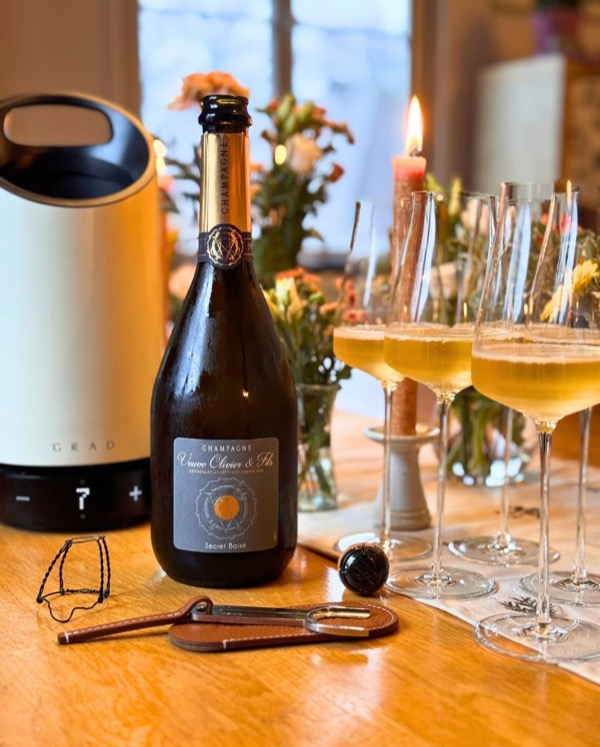
Am Wochenende gab es einen 60er zu feiern und natürlich habe ich mich um die Begleitung mit Champagner gekümmert. Geplant war ein Menü, welches…
| Bottle Name | Volume | Equivalent | Special Feature |
|---|---|---|---|
| Piccolo | 0.2l | 1/4 Bottle | Perfect for aperitif |
| Demi/Half-Bottle | 0.375l | 1/2 Bottle | Ideal for two people |
| Standard | 0.75l | 1 Bottle | The classic champagne bottle |
| Magnum | 1.5l | 2 Bottles | Considered the optimal size for aging |
| Jeroboam | 3l | 4 Bottles | Named after the first king of Israel |
| Rehoboam | 4.5l | 6 Bottles | Son of King Solomon |
| Methusalem | 6l | 8 Bottles | The biblical patriarch |
| Salmanazar | 9l | 12 Bottles | Assyrian king |
| Balthazar | 12l | 16 Bottles | One of the Three Wise Men |
| Nebukadnezar | 15l | 20 Bottles | Babylonian ruler |
| Melchisedech | 30l | 40 Bottles | King of Salem |
Why is the Magnum Bottle So Special?
From my years of experience with champagne, I swear by Magnum bottles, and this has scientifically sound reasons:
Optimal Ratio of Liquid to Air
In a Magnum bottle, the ratio of champagne to air space in the bottle neck is more ideal than in standard bottles. This leads to slower, more controlled oxidation during storage.
Better Temperature Stability
The larger volume of liquid in Magnum bottles reacts less sensitively to temperature fluctuations. This ensures more consistent aging over years.
Slower Aging, More Complex Aromas
Due to the slowed aging process, champagnes from Magnum bottles often develop more complex, nuanced aroma profiles. Many champagne houses confirm that their best vintage champagnes come from Magnum bottles.
The Biblical Names: Tradition with History
The naming of large champagne bottles follows a centuries-old tradition that primarily draws from biblical kings and rulers:
Jeroboam (3l) - The Beginning of Tradition
Jeroboam I was the first king of the Northern Kingdom of Israel. At 3 liters, this bottle marks the entry into truly large formats.
Rehoboam (4.5l) - Solomon's Son

Alles beginnt jetzt! 🥂 Wirklich begonnen hat alles aber vor rund drei Jahren, als ich zum ersten Mal bewusst einen Champagner genießen durfte. Wie…
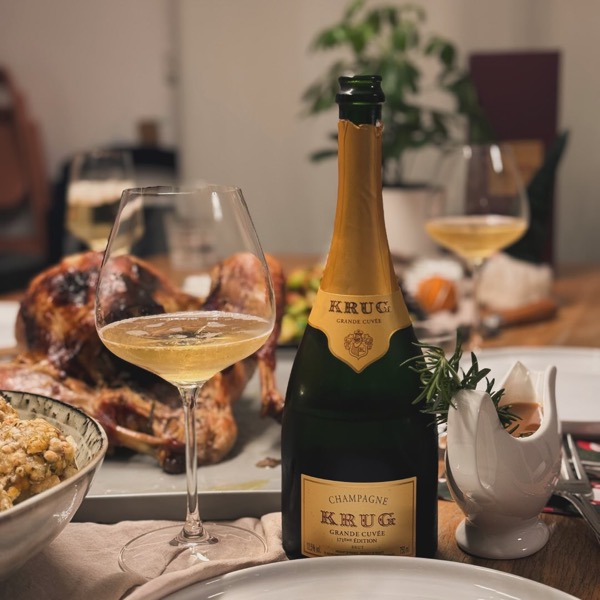
Weihnachten ist für mich der perfekte Anlass, die kleinen und großen Genüsse des Lebens zu feiern. 🌟 Heute Abend steht das festliche Dinner ganz im…
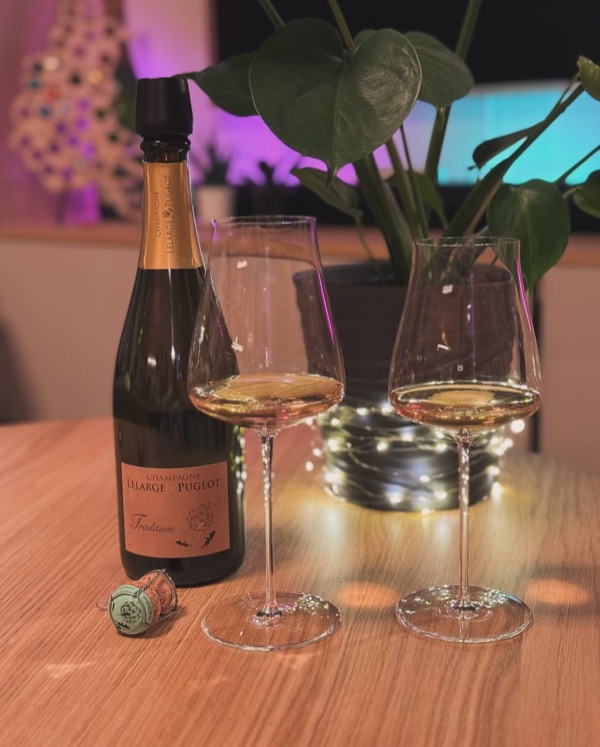
Vor über 10 Jahren habe ich im Rahmen eines Projekts für eine Weinverkostung und ein Feature in einem Print-Magazin Gläser von @eisch_glass ,…
As son of the wise King Solomon, Rehoboam ruled the Southern Kingdom of Judah. Interesting fact: This size exists only in Champagne, not in other wines.
Methusalem (6l) - The Long-Lived
At 969 years, Methuselah was the longest-lived person in the Bible – fitting for champagne, which is also prized for its longevity.
The Large Formats: From Salmanazar to Melchisedech
Salmanazar (9l) honors an Assyrian king, while Balthazar (12l) recalls one of the Three Wise Men. Nebukadnezar (15l) was the mighty Babylonian ruler, and Melchisedech (30l) – the largest regularly produced bottle – bears the name of the mysterious King of Salem.
Practical Aspects of Different Sizes
Piccolo and Demi: The Practical Ones
Piccolo bottles are excellent for events or as gifts, while Demi bottles are perfect for romantic occasions for two.
Standard: The All-Rounder
The 0.75l bottle remains the standard for good reasons: it's handy, fits in any refrigerator, and provides 4-6 glasses.
The Large Formats: Spectacle and Quality
Starting with Magnum, bottles become real eye-catchers. However, you should consider: the larger the bottle, the more difficult handling and storage become.
My Conclusion as The Champagne Guy
For champagne lovers, I recommend trying different sizes. For daily enjoyment, the standard bottle remains practical, but for special occasions or optimal storage, there's no way around the Magnum. The biblical names additionally give each bottle a story – and who wouldn't want to uncork a Nebukadnezar at least once?
The variety of champagne bottle sizes once again shows how thoughtful and tradition-conscious Champagne designs its products. Each size has its place and purpose – from the spontaneous Piccolo to the majestic Melchisedech.