As a champagne lover, I keep saying it: The nose determines 80% of the taste experience. Before even a drop touches my lips, the nez already tells me the entire story of the champagne. Yet few people know that smelling has three clearly defined stages.
What does "Nez" mean in champagne?
The French term "Nez" (nose) describes not just the organ, but the entire olfactory perception of a champagne. It's about far more than just "smells good" or "smells bad" – the nez reveals origin, grape varieties, production methods and maturity.
The three stages of the champagne nez
Premier Nez: The first, unaltered impression
With the Premier Nez, I smell directly after pouring, without swirling the glass. This first nose is often restrained, but extremely revealing:
- Fresh CO₂ aromas rise up
- Primary aromas of the grapes show themselves subtly
- Initial yeast notes become recognizable
- The intensity gives clues about the quality
My tip: Keep the glass still and breathe in very consciously. These first seconds are precious!
Deuxième Nez: The development through movement
After gentle swirling, the Deuxième Nez develops. The movement releases aromatic compounds and the complexity literally explodes:
| Aroma Group | Typical Notes |
|---|---|
| Fruity | Citrus fruits, green apple, pear, peach |
| Floral | Hawthorn, acacia, linden blossoms |
| Yeasty | Brioche, fresh bread, cookies |
| Mineral | Chalk, flint, sea air |
Troisième Nez: Aeration reveals everything
After 10-15 minutes of standing time, the Troisième Nez develops. Now the champagne shows its true face:
- Tertiary aromas from bottle fermentation
- Complex roasted notes in aged champagnes
- Oxidative notes (positive!) like nuts or honey
- The balance between all components
Understanding the four main aroma groups
Fruity aromas: The foundation of elegance
Citrus fruits dominate in young champagnes, especially those with high Chardonnay content. Green apple and pear indicate cool vintages, while peach and apricot hint at sunnier conditions.
Yeasty aromas: The craftsmanship becomes visible
Autolysis – the breakdown of yeast cells – creates these coveted brioche and bread notes. The longer the champagne aged on the lees, the more pronounced these aromas. In Prestige cuvées, I often smell roasted hazelnuts or butter cookies.
Mineral aromas: The soil speaks
Chalk and flint are classics that come directly from the soils of Champagne. These salty, metallic notes give champagne its unmistakable identity. They're particularly pronounced in Blanc de Blancs from Grand Cru sites.
Spicy aromas: The complexity of mature champagnes
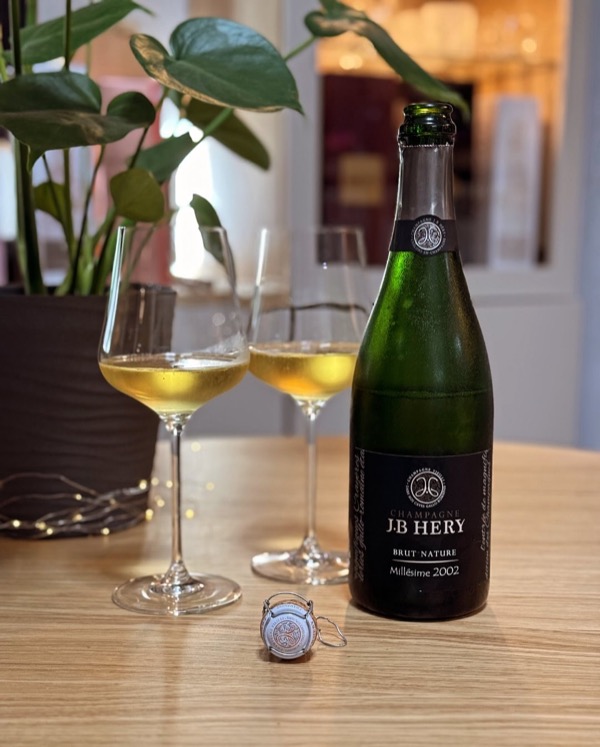
🍾 Heute im Glas: J.B Héry - Millésime 2002 - Brut Nature – ein spannender Fund aus meinem letzten Einkauf. Gerade erst frisch in den Keller…
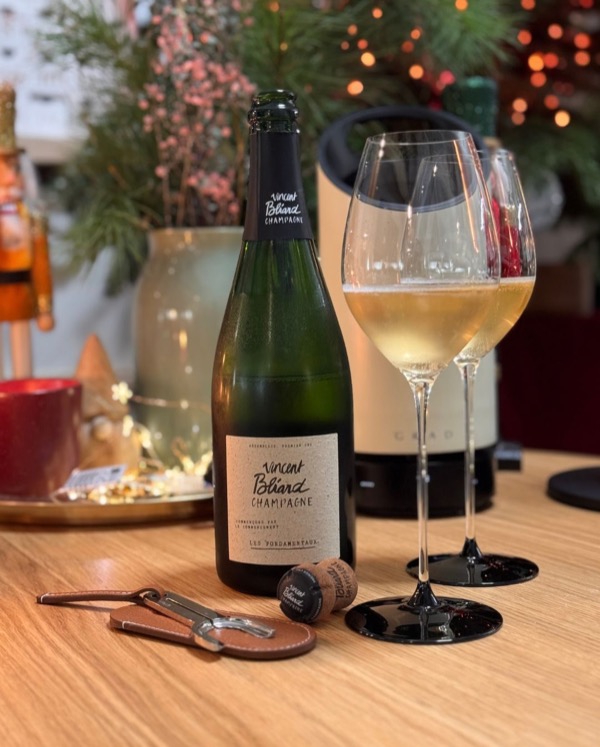
Der Vincent Bliard – Les Fondamentaux, den wir gestern geöffnet haben, ist genau die Art Champagner, die man nicht zwingend analysieren muss, während…
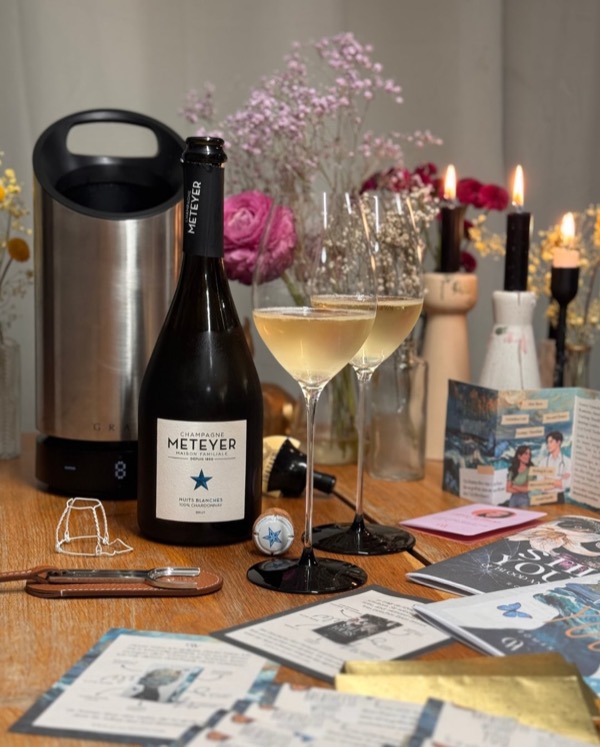
Hier am Tisch herrscht gerade kreatives Chaos der schönsten Sorte: @autorin.olive.wilson bereitet akribisch und mit wahnsinnig viel Liebe ihre…
Ginger, white pepper or cloves usually develop only after years of aging. They're the sign of a champagne that has reached its full complexity.
How do I train my nose for champagne?
Daily aroma practice
Every morning I consciously smell my coffee, fruits, spices. The aroma memory is like a muscle – it must be trained.
Comparative tastings are key
I regularly open two to three champagnes simultaneously. Only through direct comparison do I recognize the subtle differences between:
- Different houses
- Different vintages
- Different grape variety combinations
The aroma journal
After each tasting, I note my impressions. Which aromas were dominant? How did they develop? These notes are worth their weight in gold for further development.
Why the right glass is crucial
The tulip shape concentrates the aromas
A bulbous glass with narrow opening works like a funnel. The aromas collect in the upper area and are concentrated toward the nose. Champagne flutes are a disaster — they completely suppress bouquet and aroma diversity. Anyone wanting to taste seriously has no chance with a flute. Tulip or wine glass, always. #saynotoflutes
The ideal glass size
200-300ml capacity with 1/3 filling is optimal. This way the aromas have space to develop without becoming diluted.
Glass temperature and cleanliness
Room temperature, absolutely clean glasses are essential. Detergent residue or cold glasses can completely distort the nez.
My conclusion: The nose makes the master
The champagne nez is an art that requires patience and practice. But those who master the three stages of smelling and train their nose for the various aroma groups experience champagne on a completely new level. The right glass isn't luxury, but necessity – because without concentrated aromas, even the best champagne remains silent.
Start your nose training today. Your next champagne will thank you.