As The Champagne Guy I can assure you: hardly anything is more seductive than a champagne with wonderfully creamy, milky notes. These buttery, cream-like aromas give the sparkling wine a texture and richness that never fails to fascinate me. But where do these sensual notes actually come from?
The Science Behind Creamy Aromas
Malolactic Fermentation: The Key to Creaminess
Malolactic fermentation (MLF) is the most important factor for milky notes in champagne. During this biological acid reduction, lactic acid bacteria convert sharp malic acid into milder lactic acid. In the process, diacetyl and other compounds are produced as by-products, creating exactly these buttery, creamy aromas.
Not all champagne producers allow the malo to run its course. Some deliberately block it to preserve fresh acidity. Others actively promote it for more creaminess. This decision fundamentally shapes the style.
Bâtonnage: Stirring to Perfection
The regular stirring up of the lees (bâtonnage) additionally intensifies the milky notes. Through contact with the yeasts, further creamy compounds are created. The autolysis of the yeast contributes to this velvety texture - a process I can observe again and again during my cellar visits.
Grape Varieties and Their Creaminess Potential
Chardonnay: The Crème de la Crème
Chardonnay is predestined for creamy champagnes. The grape variety takes particularly well to MLF and develops wonderful butter and cream notes. In my experience, Blanc de Blancs from more mature sites often show this characteristic creaminess.
Pinot Noir: Surprising Velvety Texture
Pinot Noir can also develop creamy notes, especially after longer lees aging. The red grapes bring a different kind of creaminess - more toward crème fraîche than pure butter.
Pinot Meunier: The Underestimated Cream Provider
Meunier is often underestimated but can develop deliciously milky textures. Especially in assemblages, it provides this soft, approachable creaminess.
Blanc de Blancs vs. Blanc de Noirs: The Creaminess Comparison
Blanc de Blancs: Elegant Butteriness
Blanc de Blancs made from pure Chardonnay often develop a very fine, elegant creaminess. Think of fresh butter on warm baguette - exactly this refinement I find here. The MLF gives these champagnes a wonderful roundness without overlaying the minerality.
Blanc de Noirs: Rustic Creaminess
Champagnes from black grapes often show a more robust, rustically styled creaminess. This reminds me more of thick cream or crème fraîche - fuller and more opulent than pure Chardonnay champagnes.
Specific Champagne Examples with Creamy Notes
Krug Grande Cuvée
A prime example of creamy complexity. The MLF and long lees aging create wonderful butter and brioche notes. Here milky aromas merge with nutty tones into a total work of art.
Dom Pérignon Vintage
Especially in more mature vintages, Dom Pérignon develops this characteristic creaminess. The assemblage of Chardonnay and Pinot Noir with completed MLF creates notes of warm butter and toasted brioche.
Pol Roger Winston Churchill
This cuvée exemplarily shows how Pinot Noir can contribute to creamy notes. The long lees aging intensifies the milky, almost truffle-like aromas.
Billecart-Salmon Blanc de Blancs
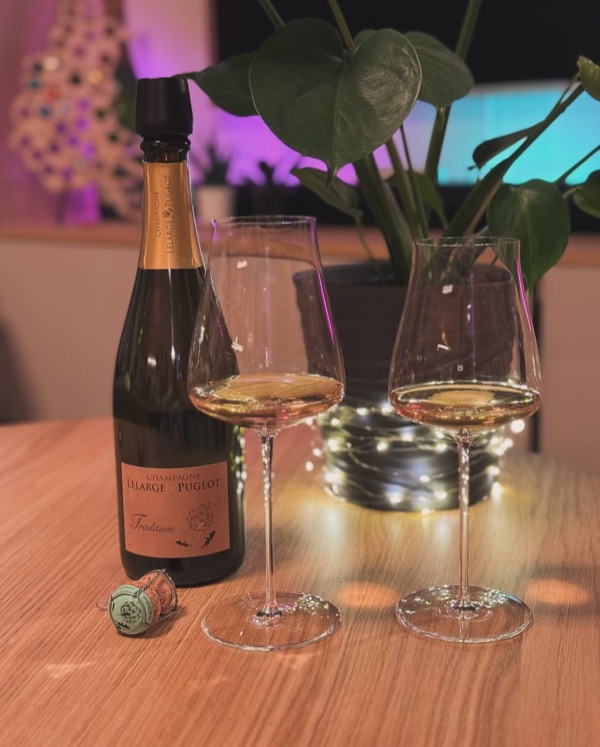
Vor über 10 Jahren habe ich im Rahmen eines Projekts für eine Weinverkostung und ein Feature in einem Print-Magazin Gläser von @eisch_glass ,…
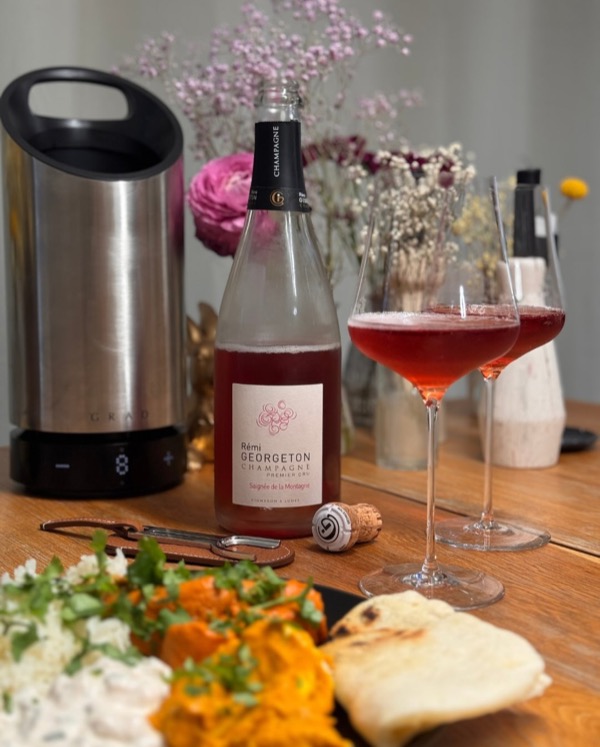
Bei uns kommt ja regelmäßig indisch auf den Tisch, und dieses Mal gab es das volle Wohlfühl-Programm: Butter Chicken, Royal Paneer, erfrischendes…
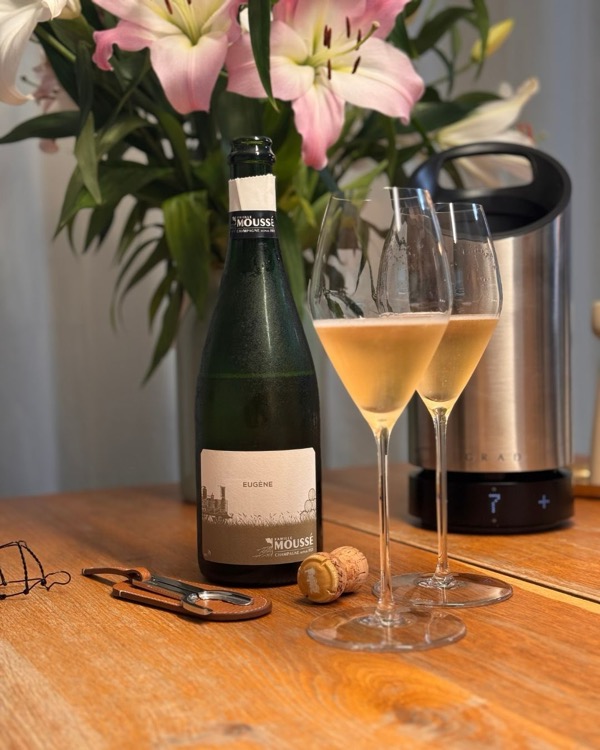
Erinnert ihr euch noch an den L’Orage den ich Anfang November gepostet hatte? Heute blicke ich tiefer in das Repertoire von @champagne_mousse und…
A wonderful example of the elegant side of creamy champagnes. Here butter notes merge with floral elements into a harmonious unity.
Jacquesson Cuvée 700
Shows how creamy masterpieces can be created even with smaller producers. The MLF gives this champagne a seductive texture with cream and vanilla notes.
The Role of Terroir
Côte des Blancs: Chalky Creaminess
In the Côte des Blancs, Chardonnays often develop a special kind of creaminess that harmonizes with the chalky minerality of the soil. These champagnes taste like fresh butter with a hint of brioche.
Vallée de la Marne: Rustic Milkiness
In the Marne region, where much Meunier grows, champagnes with a more rustic but very charming creaminess often emerge. Here I think of warm milk with honey.
Montagne de Reims: Powerful Creaminess
The Pinot Noir-dominated champagnes of the Montagne often show a powerful, almost opulent creaminess. These wines remind me of thick cream with a hint of roasted nuts.
Food Pairing: Creamy Champagnes at the Table
Classic Combinations
Creamy champagnes harmonize wonderfully with:
Oysters and seafood: The milky notes complement the salty minerality perfectly. Especially Belon oysters with a creamy Blanc de Blancs are poetry to me.
Soft cheese: Brie, Camembert or Chaource - the creamy textures reinforce each other. A Krug with ripe Brie de Meaux is pure decadence.
Poultry in cream sauce: The creaminess of the champagne mirrors itself in the sauce. Poulet à la crème with a Dom Pérignon - heavenly!
Surprising Pairings
Foie gras: The butter notes in champagne intensify the richness of the goose liver. A creamy vintage champagne with it is unbeatable.
Truffle risotto: The earthy truffles harmonize surprisingly well with the milky champagne notes. The creaminess connects both components.
Vanilla desserts: A creamy champagne with crème brûlée or panna cotta - the milky notes complement each other perfectly.
Serving Recommendations and Enjoyment Tips
Temperature Makes the Difference
I like to serve creamy champagnes at 8-10°C. Served too cold, they lose their characteristic texture. At the right temperature, the butter and cream notes unfold optimally. My tip: Put the bottle in a GRAD cooler instead of the ice bucket — this keeps the temperature consistently in the creamy sweet spot.
The Right Glass
A somewhat more bulbous glass helps concentrate the creamy aromas. The classic flûte is less suitable here than a Burgundy glass or tulip-shaped champagne bowl.
Decanting? Why Not!
With very mature, creamy champagnes, I sometimes experiment with decanting. The additional oxygen supply can intensify the milky notes even further.
My Posts About This
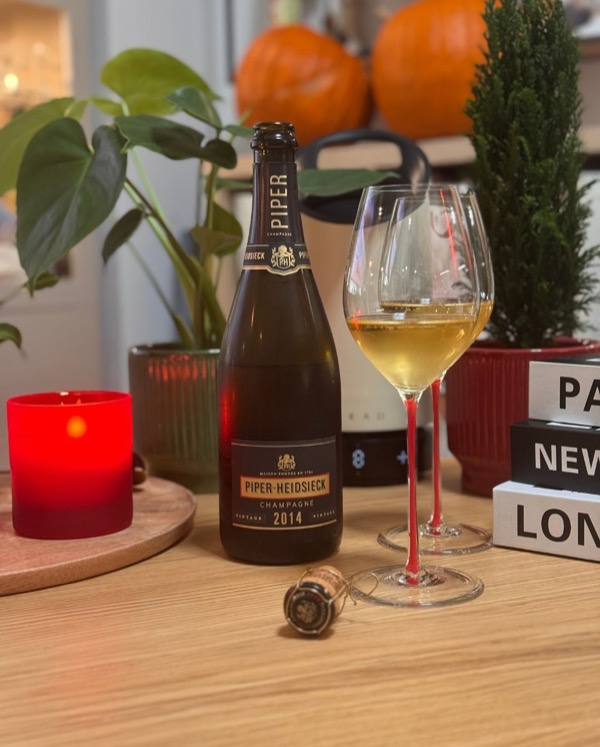
Wer kennt es nicht: Man will einfach mal abschalten – und greift trotzdem alle fünf Minuten wieder zum Handy. Noch eine Nachricht, noch eine Idee,…
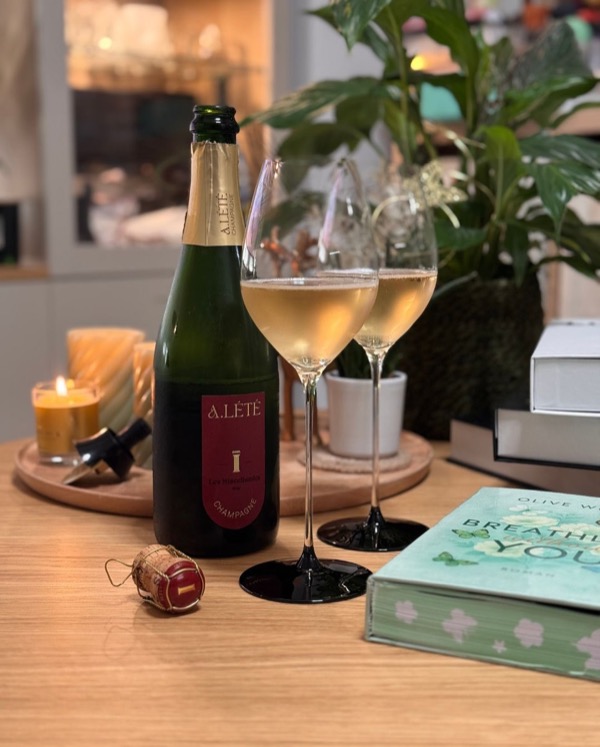
Was tut man eigentlich mit einem Buch, wenn es fertig geschrieben ist – aber man noch nicht weiß, ob Verlag, Agentur oder doch Self-Publishing?…
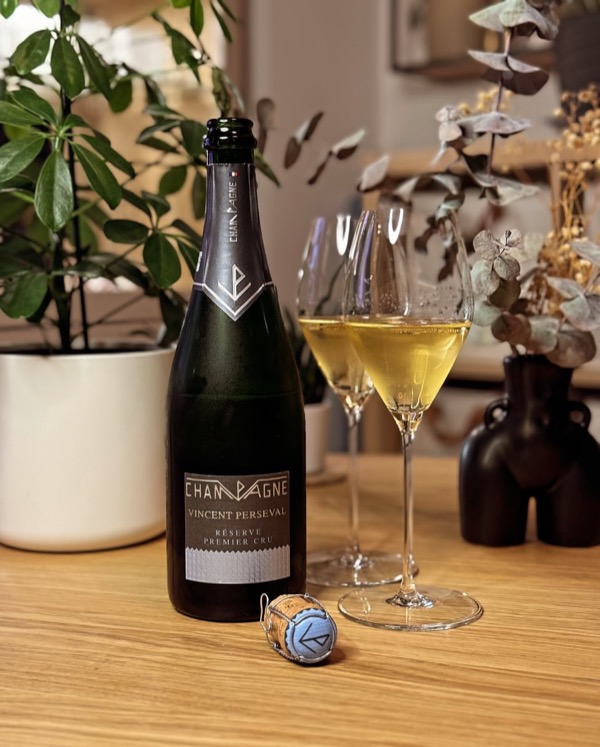
Ich habe mittlerweile schon einige Champagner von @champagnevincentperseval probiert – von Blanc de Blancs bis zum Rosé. Also war es nur eine Frage…
Conclusion: The Sensual Side of Champagne
Creamy, milky notes give champagne an irresistible sensual dimension. Whether created through malolactic fermentation, bâtonnage or long lees aging - these aromas turn a good champagne into an unforgettable experience.
As The Champagne Guy I advise: Experiment with different styles! The range extends from the elegant butteriness of a Blanc de Blancs to the opulent creaminess of a prestige cuvée. Every creamy champagne tells its own story - and all are worth telling.