What is Lees Aging?
After the second fermentation in the bottle, the champagne remains on its lees, "sur lie" (on the lees). The minimum duration is legally mandated: 15 months for Non-Vintage, 36 months for vintage champagne. But the best champagnes age much longer.
These numbers are minimums, and they are exactly that: the minimum. Most serious producers go far beyond this. Bollinger ages its Special Cuvée for at least three years on the lees. Krug Grande Cuvée lies for six years or more. And some Prestige Cuvées spend a decade or longer in the cellars beneath Reims and Épernay before they are disgorged.
What Happens During Autolysis
The dead yeast cells slowly decompose, a process called autolysis. This releases amino acids, mannoproteins, and other compounds that fundamentally transform the champagne:
- Texture, Creamier, silkier, denser
- Aromas, Brioche, toast, hazelnut, butter
- Perlage, Finer, more integrated, less aggressive
- Complexity, More layers, more depth
- Mouthfeel, Fuller, rounder, enveloping
The process is not linear. In the first 18-24 months, relatively little happens, the yeast cells first die off and then slowly begin to break down. From the third year onward, autolysis accelerates, and the changes become clearly perceptible. This is also why the jump from 15 months to 36 months makes a much bigger difference than one might expect.
The Chemistry Behind It
What exactly happens during autolysis? The cell walls of the yeast break down and release various substances:
- Mannoproteins bind to the CO2 bubbles and make the perlage finer and more persistent. This is why a long-aged champagne has that silky, creamy mousse, while a young-disgorged one shows aggressive, coarse bubbles.
- Amino acids react with the sugars in the wine and create Maillard-like aromas: toast, brioche, caramel. The same reactions that happen when baking bread occur here in slow motion.
- Lipids and fatty acids contribute to texture and give the wine a creamier, more oily mouthfeel.
- Glutamic acid, yes, umami. A long-aged champagne actually has umami character, which explains why it pairs so well with food.
Time Periods and Their Effects
| Lees Aging | Effect |
|---|---|
| 15 months (NV minimum) | Basic fruit, simple perlage |
| 24-36 months | First autolysis notes, creamier texture |
| 36-60 months | Brioche, toast, significant increase in complexity |
| 60-120 months | Deep autolysis, nutty, honey-like character |
| 120+ months | Monumental complexity, finest perlage |
The Problem with Information
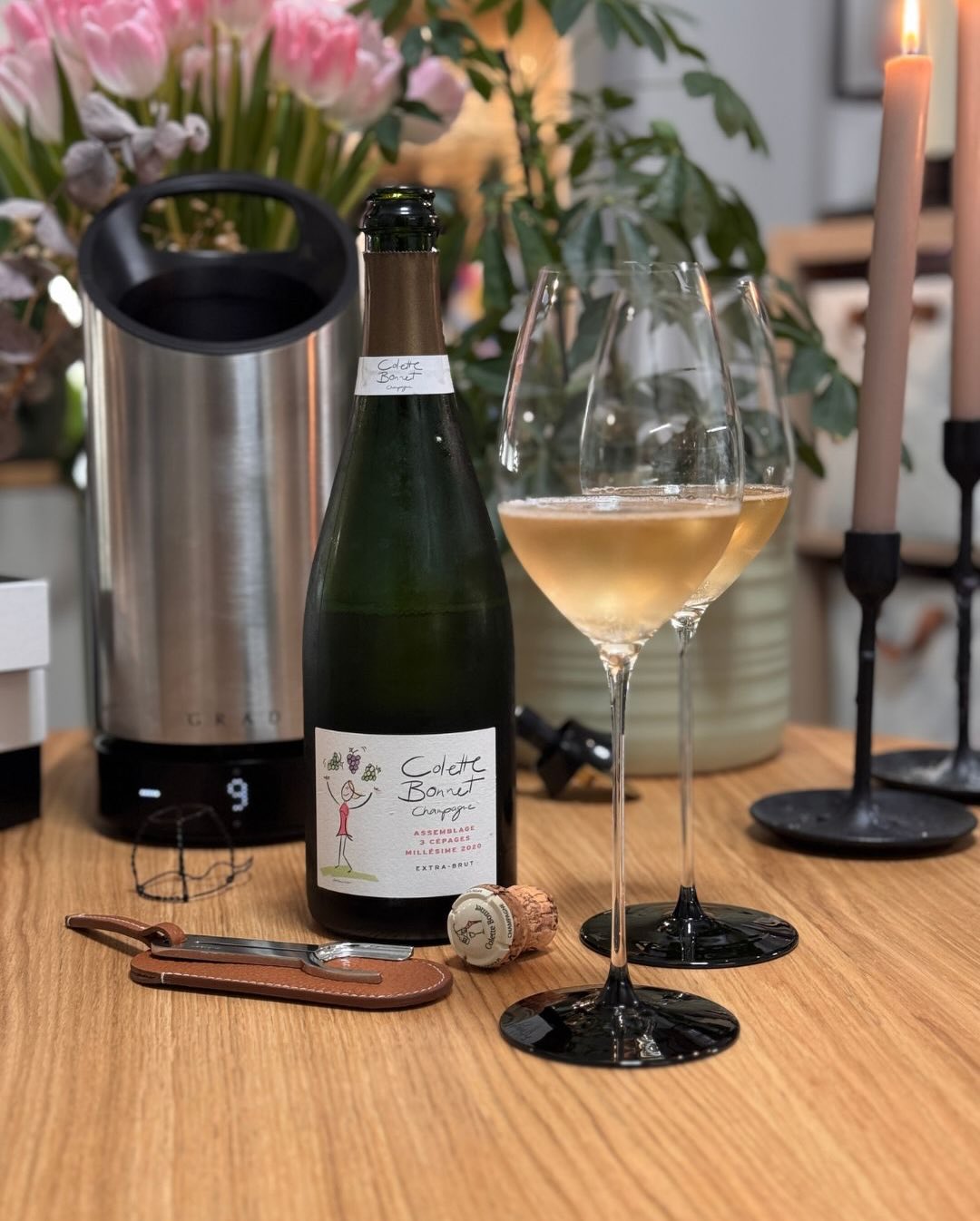
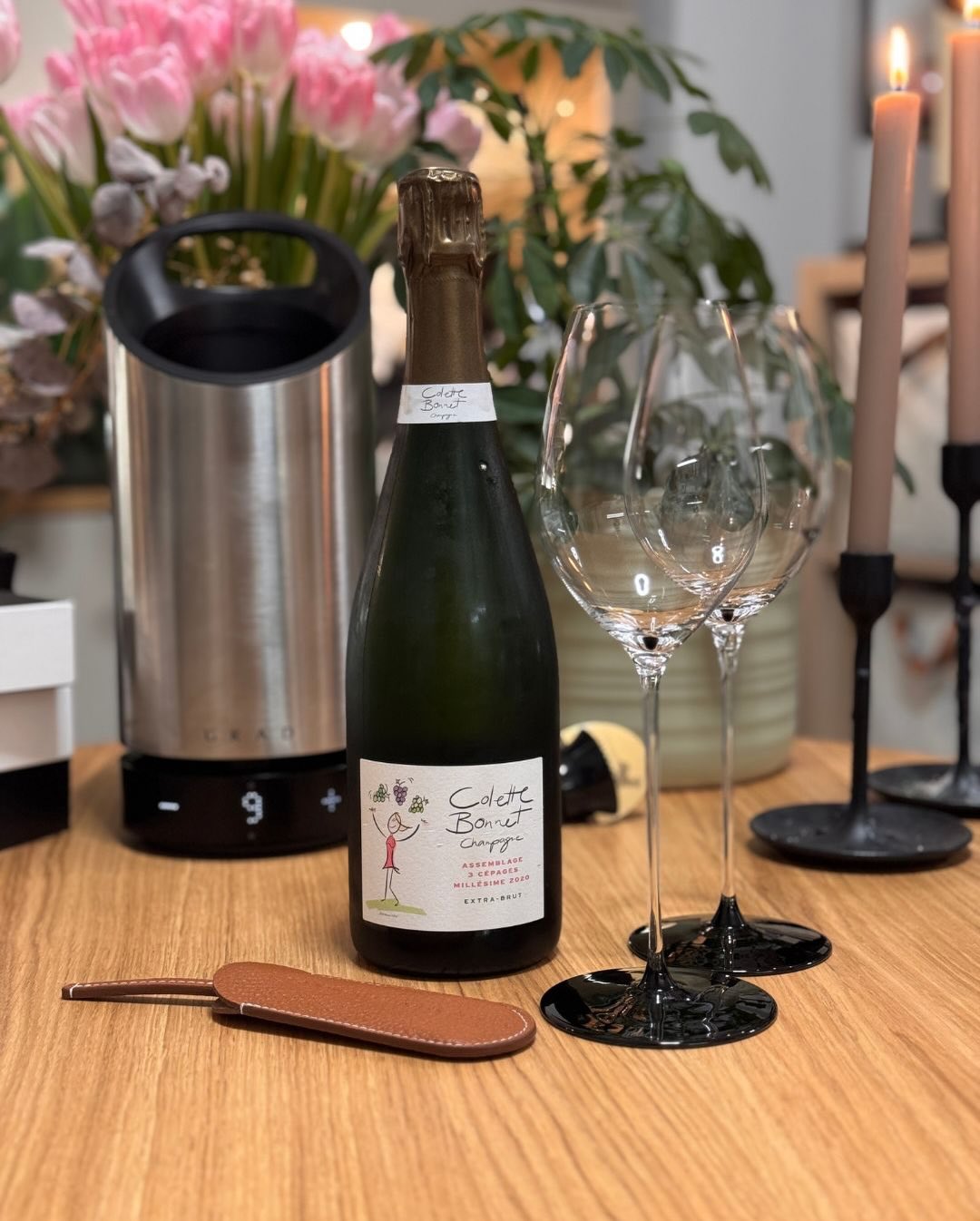
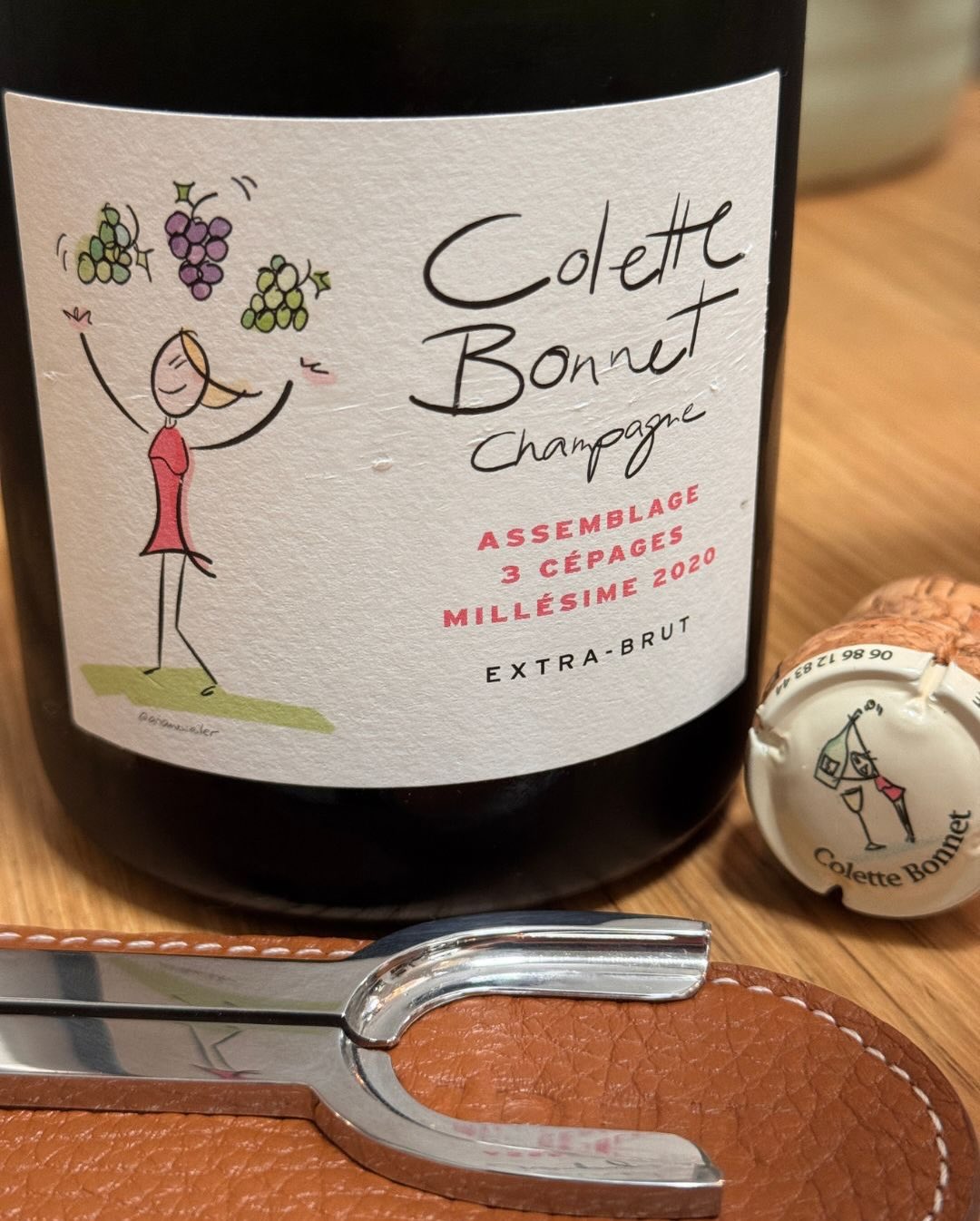
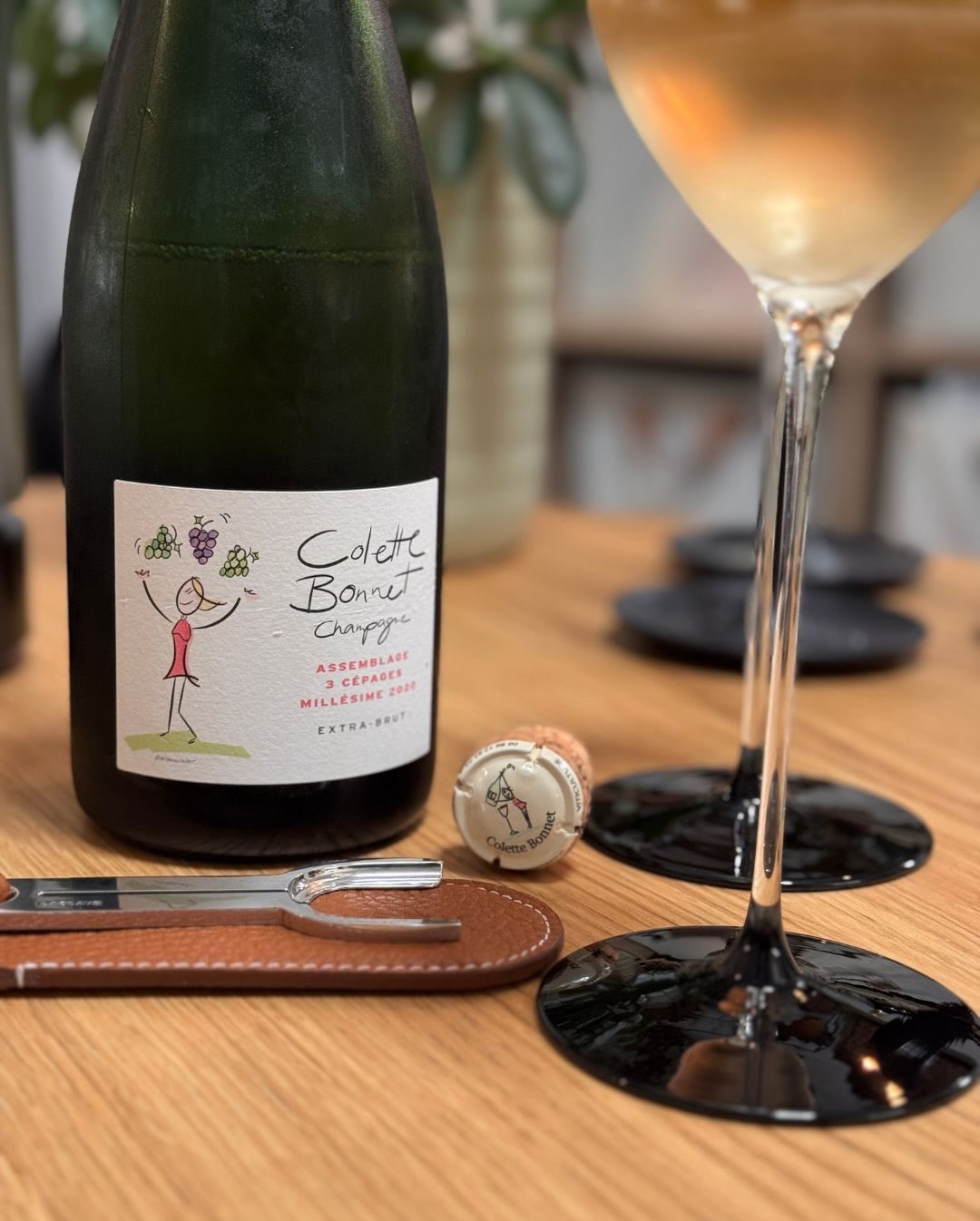
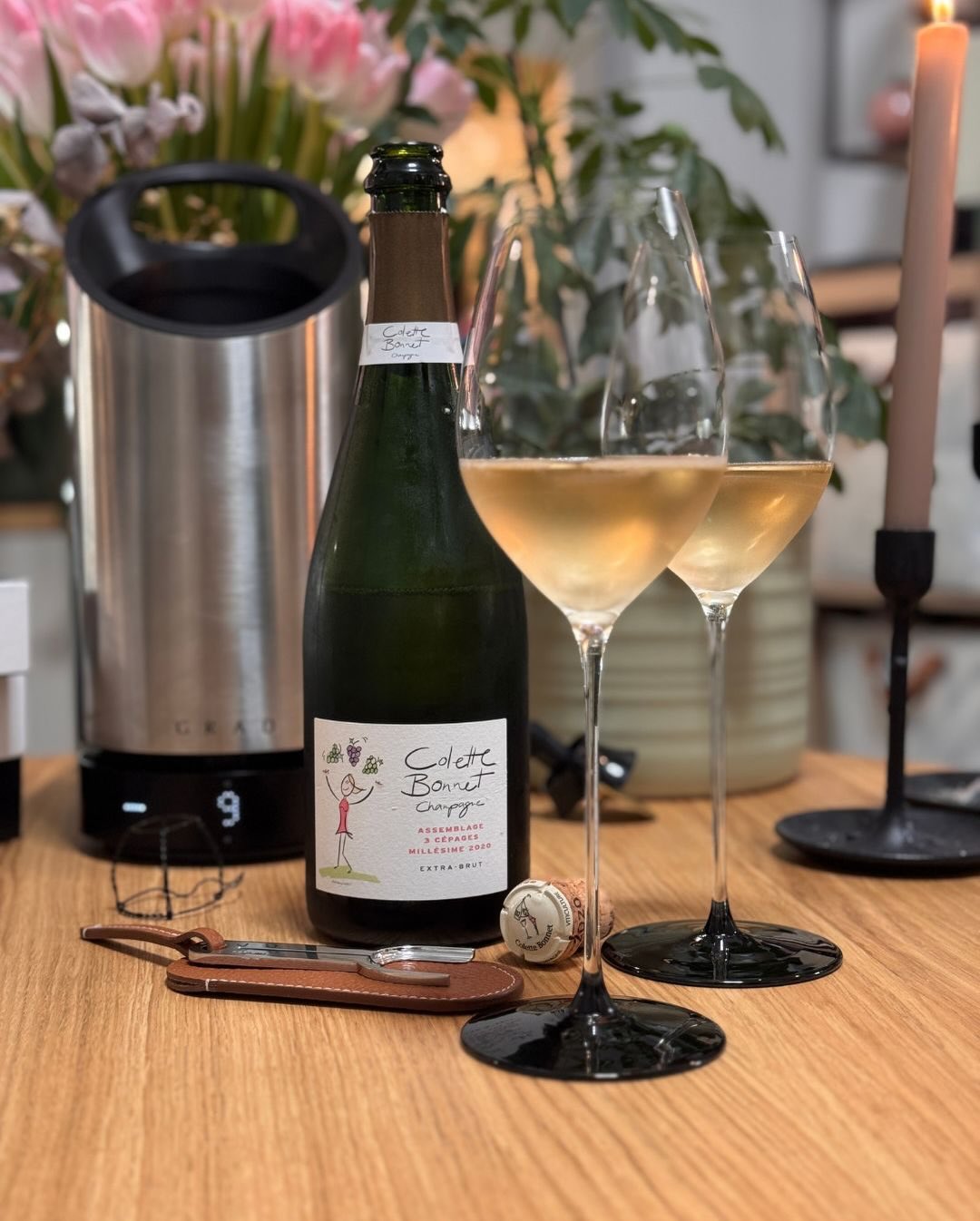
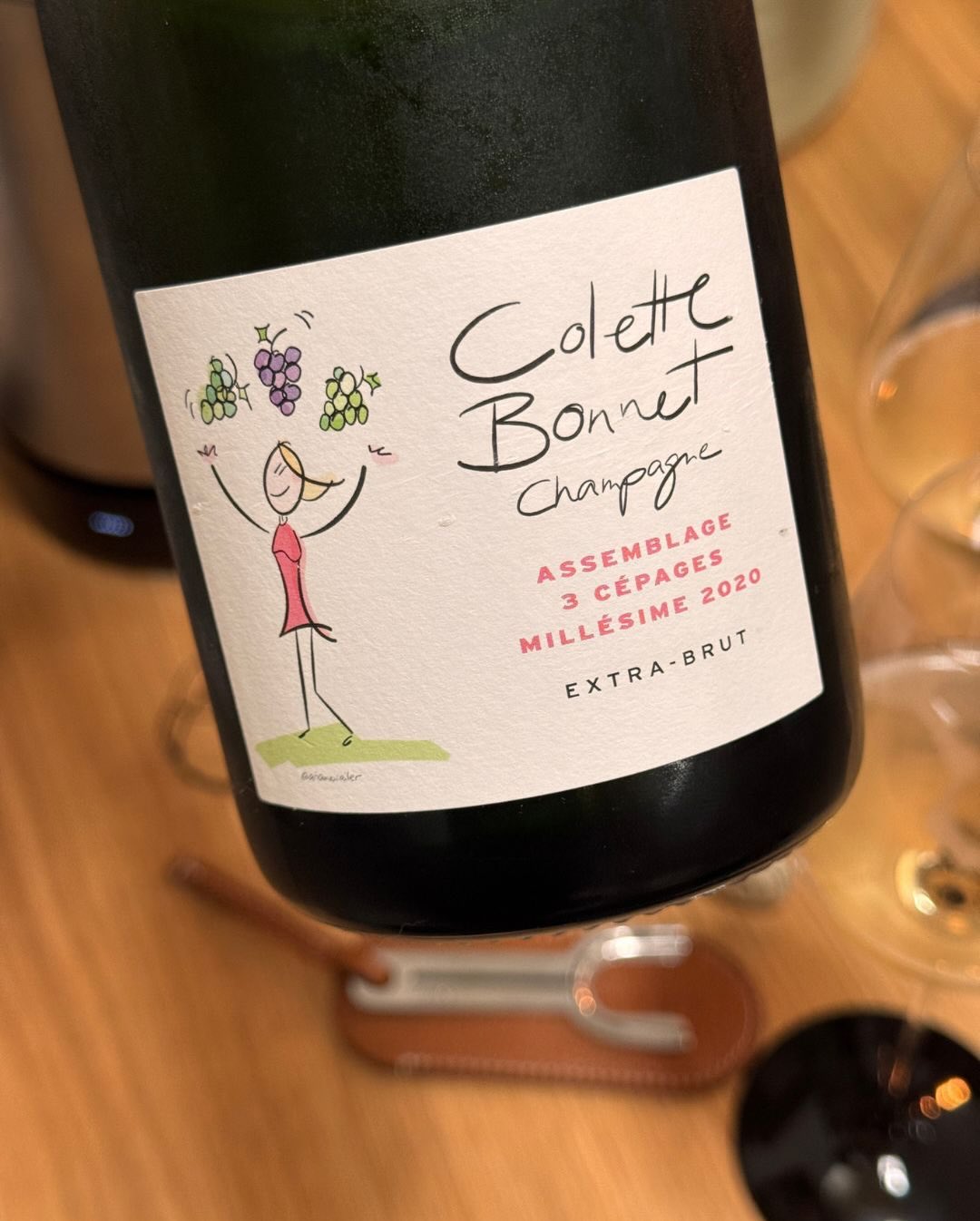
the_champagne.guy Gestern hatte ich mal wieder einen echten Geheimtipp: Den „Assemblage 3 Cépages“ Millésime 2020 von @champagnecolettebonnet . Colette Bonnet bewirtschaftet gerade einmal 2,24 Hektar im Süden der Champagne und arbeitet mit voller Überzeugung komplett ökologisch. Ihr Fokus liegt darauf, das besondere Terroir der Côte des Bar (Kimmeridgium-Kalkstein und Ton) so unverfälscht wie möglich in die Flasche zu bringen. Was diese Cuvée so besonders macht, verrät schon der Name. Sie vereint drei Rebsorten: 54 % Pinot Noir bringen Struktur und dunkle Frucht, 31 % Chardonnay sorgen für Eleganz und Frische. Der eigentliche Clou sind aber die 15 % Pinot Blanc. Diese oft vergessene Champagner-Rebsorte gibt dem Wein eine wunderbare Cremigkeit, Schmelz und exotische Fruchtnoten. Nach 45 Monaten auf der Hefe wurde dieser 2020er Jahrgangschampagner erst ganz frisch im Februar 2025 degorgiert. Durch die malolaktische Gärung zeigt er sich am Gaumen herrlich rund und zugänglich. Mit nur 4 g/l Dosage und extrem niedrigem Schwefeleinsatz bleibt er dabei aber absolut puristisch, trinkig und zieht seine Spannung tief aus dem kalkhaltigen Boden von Noé-les-Mallets. Ein großartiger Wein, um die Vielfalt des Südens zu entdecken! Champagne-Facts 🥂 🍇 54 % Pinot Noir · 31 % Chardonnay · 15 % Pinot Blanc 📍 Terroir: Noé-les-Mallets (Côte des Bar) – Kimmeridgium-Böden 🌱 Philosophie: Bio-zertifiziert (Ecocert), 30 Jahre alte Reben 📅 Jahrgang: 2020 (Dégorgement: Februar 2025) 🕰 Ausbau: Edelstahltank, 45 Monate Hefelager 🍬 Dosage: 4 g/l (Extra Brut) Fazit: Ein fantastischer Winzerchampagner mit Persönlichkeit. Bei Colette spürt man, dass in dieser Kleinstproduktion ein maximales Maß an Liebe steckt - auch sichtlich in den schönen Etiketten - gezeichnet von @arianesailer . #TheChampagneGuy @grad.dk @riedel_official @grad_rd @laclaye #PinotBlanc #GrowerChampagne #BioChampagne #Vintage2020
Auf Instagram weiterlesen →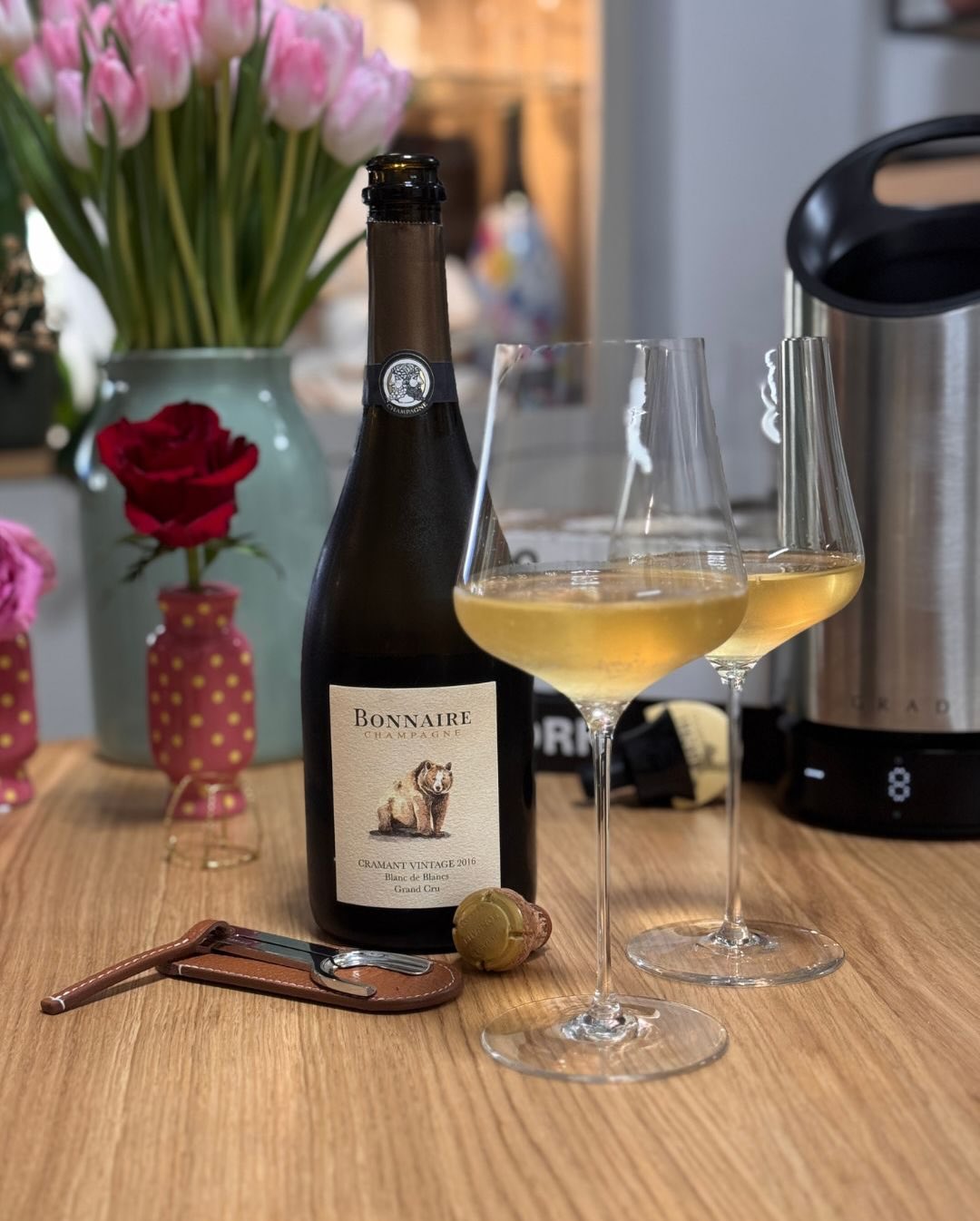
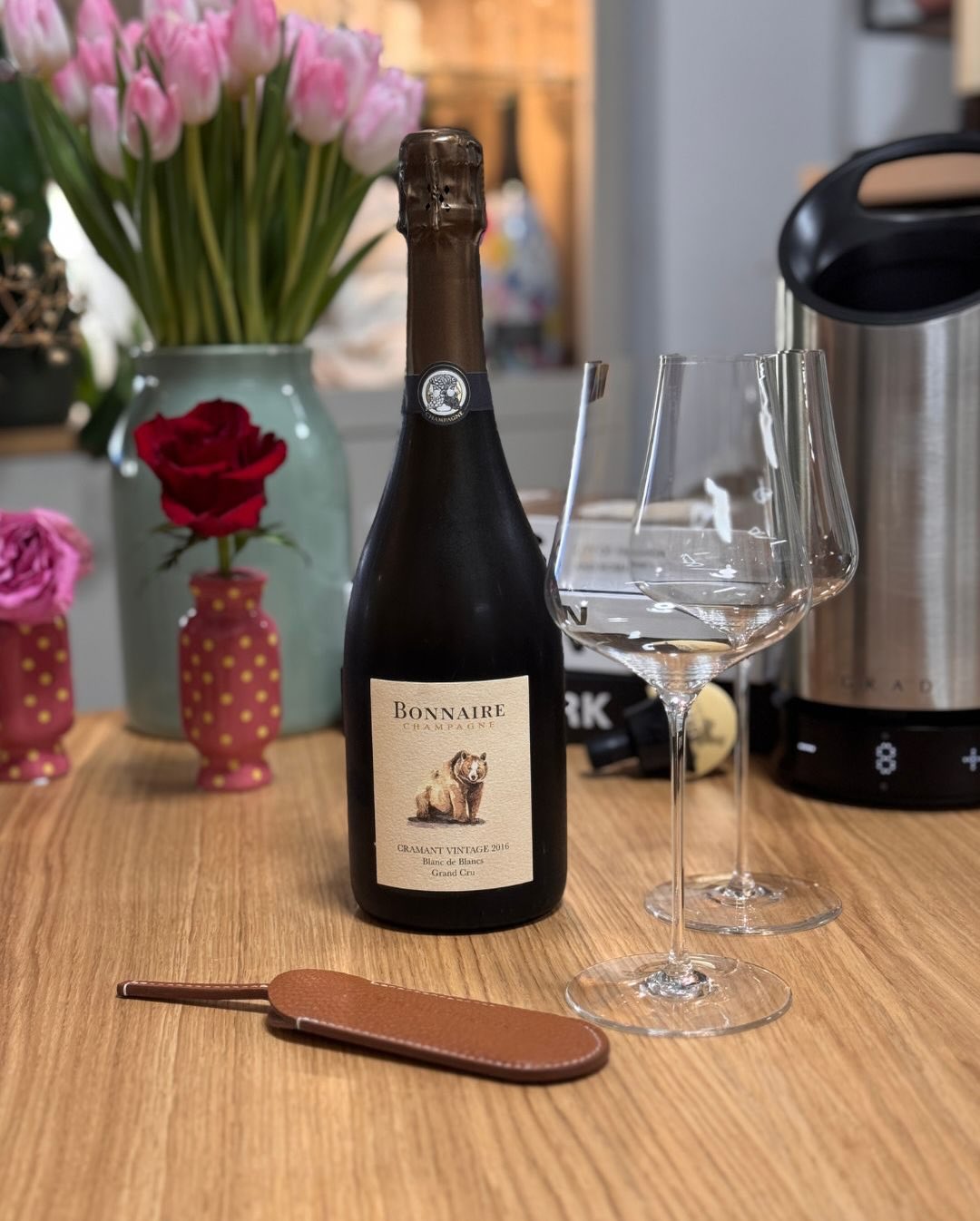
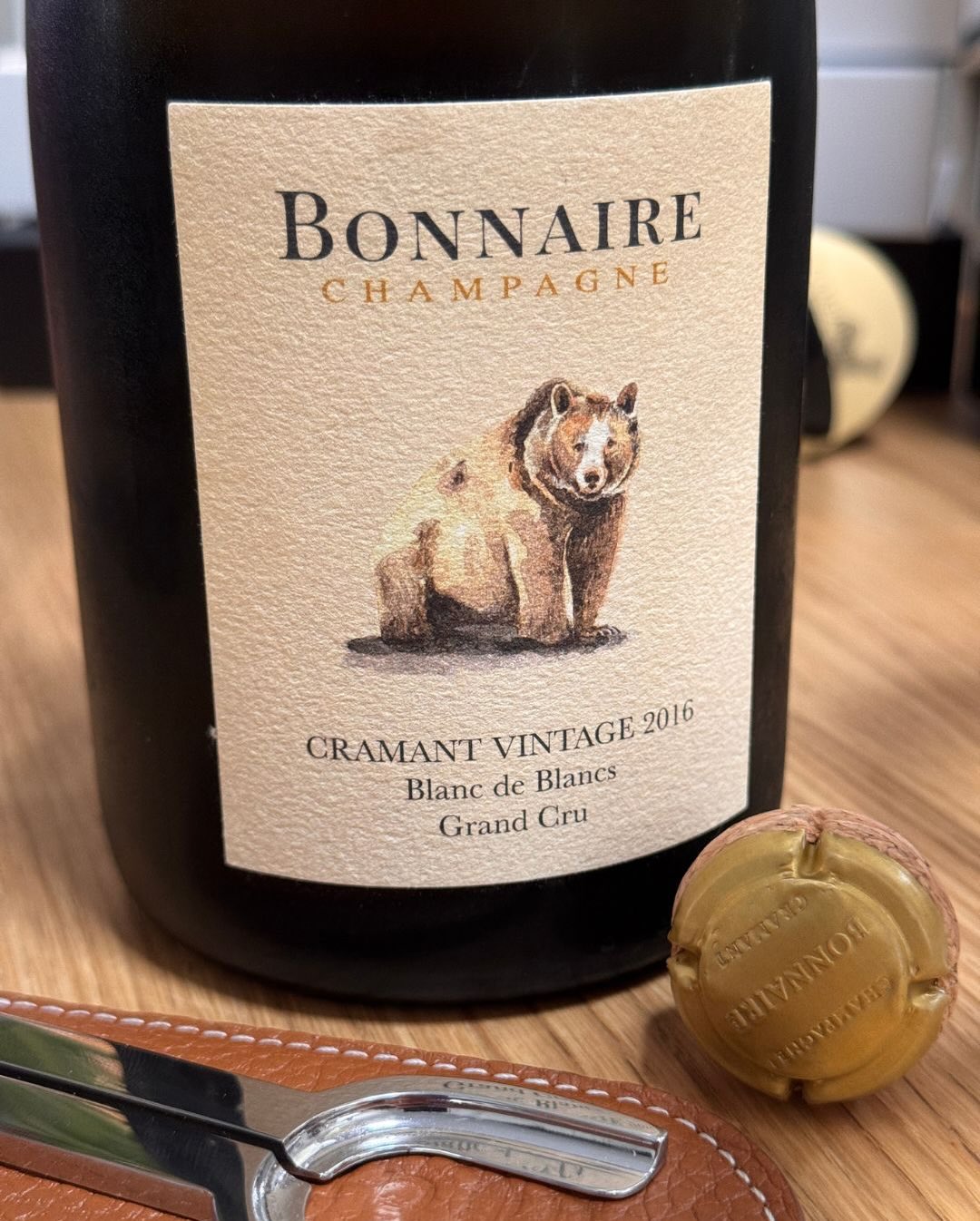
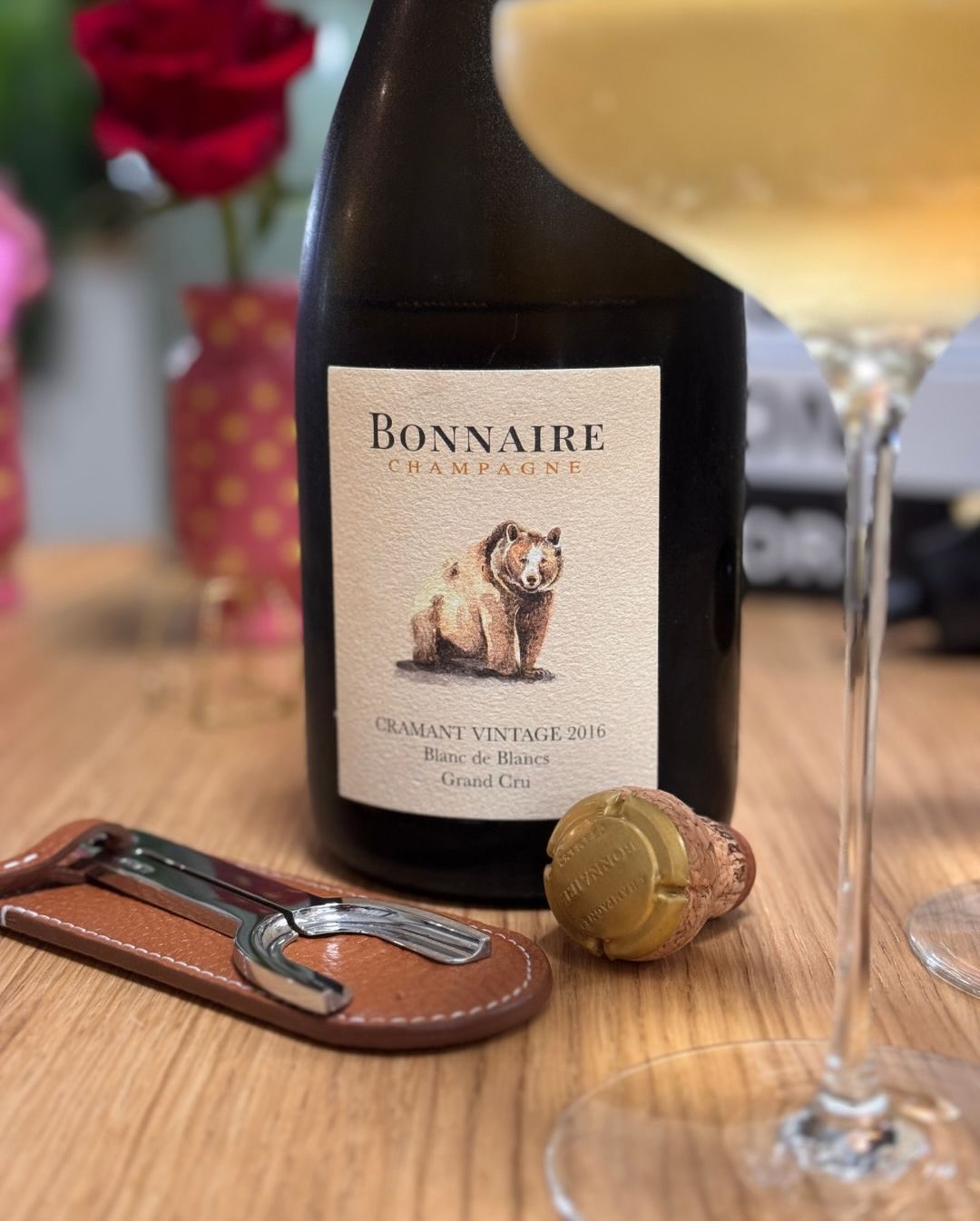
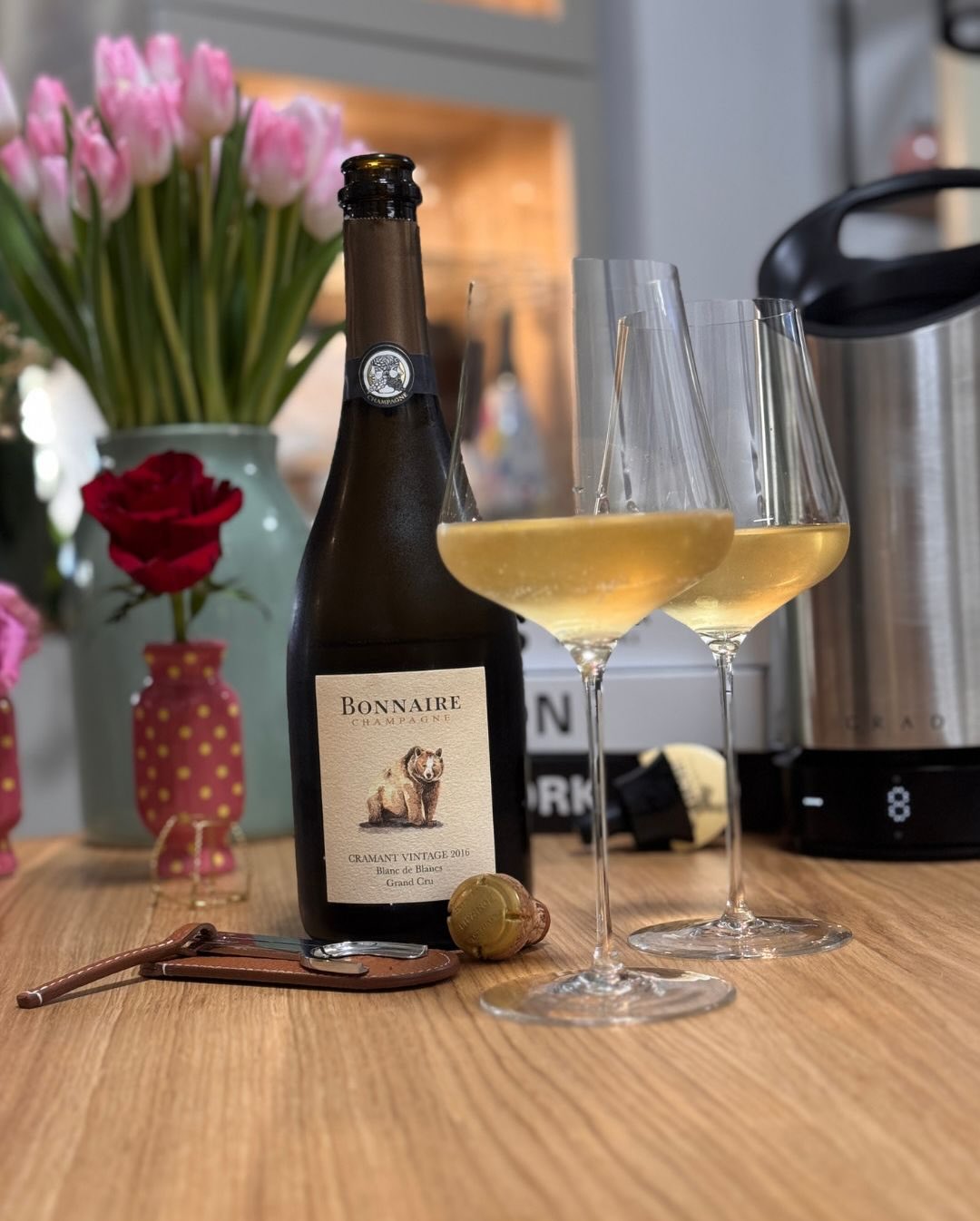
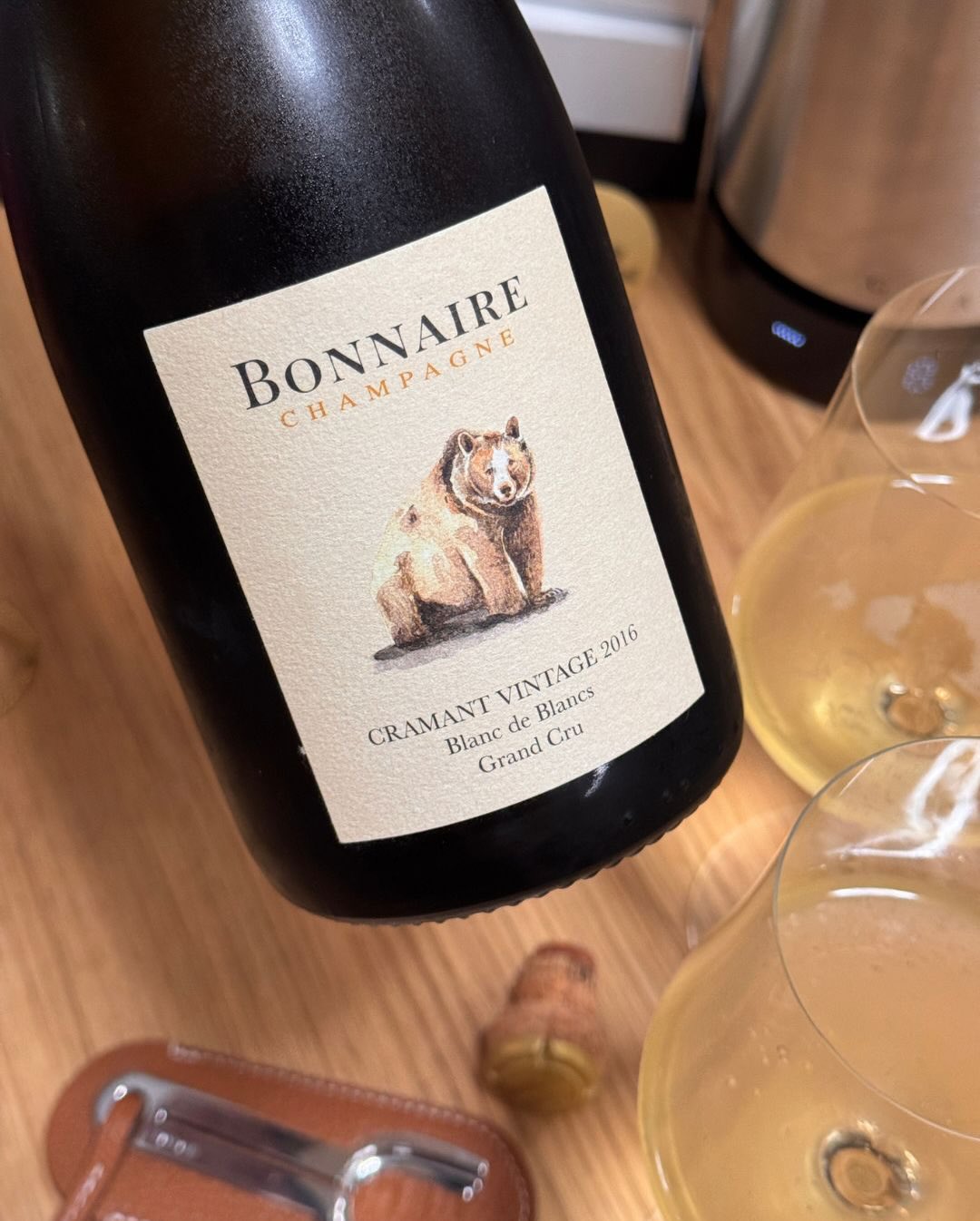
the_champagne.guy Wer 100 % Chardonnay liebt, kommt an den Grand-Cru-Lagen von Cramant an der nördlichen Côte des Blancs nicht vorbei. Das Dorf ist berühmt für Weine mit enormer aromatischer Kraft und dieser unverwechselbaren, kreidigen Mineralität. @bonnaireclouet hat für den „Cramant Vintage 2016“ nur die besten Parzellen in der Hangmitte ausgewählt und bei allen Flaschen die ich von Bonnaire Clouet bisher hatte, hatte ich nicht weniger erwartet. Der Jahrgang 2016 war geprägt von einer langsamen Reifung und hoher Säure – perfekte Voraussetzungen für ein langes Leben im Keller. Nach stolzen 7 Jahren auf der Hefe zeigt dieser Blanc de Blancs jetzt, was in ihm steckt. Für dieses Tasting habe ich ganz bewusst die etwas bauchigeren @gabriel_glas (Gold Edition) genutzt. Mein Gedanke dahinter: Ich wollte die enorme Tiefe und die reiche, cremige Textur dieses Weins maximal hervorheben. Und der Plan ging voll auf! In der Nase entfalten sich sofort feine buttrige Noten, kandierte Früchte und Zitruszesten. Am Gaumen startet er extrem präzise und direkt, bekommt dann aber durch den Raum im Glas eine unglaubliche Fülle. Das Finish? Ewig lang und wunderbar salzig. 🍋🐚 Mit nur 2,5 g/l Dosage (Extra-Brut) bleibt er absolut ehrlich und puristisch. Ein bärenstarker Champagner – passend zum Wappentier von Cramant, welches hier auch das Etikett schmückt! 🐻 Champagne-Facts 🥂 🍇 100 % Chardonnay (Blanc de Blancs) 📍 Terroir: Cramant – Grand Cru (Côte des Blancs) 📅 Jahrgang: 2016 🕰 Mind. 7 Jahre Hefelager 🍬 Dosage: 2,5 g/l (Extra-Brut) Fazit: Ein Blanc de Blancs mit beeindruckender Tiefe und salziger Länge. Die Wahl des bauchigeren Glases war hier absolut goldrichtig, um die Struktur von Cramant perfekt in Szene zu setzen. #TheChampagneGuy @mygabrielglas @grad.dk @grad_rd @laclaye #ChampagneBonnaire #Vintage2016 #BlancDeBlancs #GrandCru
Auf Instagram weiterlesen →A major frustration: The lees aging time is almost never on the label. There's no requirement for it. Some growers print it voluntarily, others provide it upon request. But for most champagnes, you have to guess, or use the disgorgement date as a reference point.
When I see a disgorgement date and know the harvest year (for vintage) or the approximate period (for NV), I can estimate the lees aging time. An NV that came to market in 2020 and was disgorged in 2024 probably only had the legal 15 months. A vintage 2012 that was disgorged in 2024 had 12 years sur lie, that's a different league.
More Lees Aging = Always Better?
Almost always, yes. But not without qualification. A champagne whose base wine was thin and acid-driven from the start won't magically become good through long lees aging. It will become milder, rounder, creamier, but if the substance is lacking, it's still lacking after ten years.
Conversely, it's possible that a particularly fruity, approachable champagne loses its primary fruit through too-long lees aging and becomes overly autolysis-dominant. This is rare, but it happens, especially with Meunier-based champagnes that live off their freshness.
The golden rule: The better the base wine and the more complex the assemblage, the more the champagne benefits from long lees aging. A Grand Cru Chardonnay from Le Mesnil gains with every year on the lees. A simple Cuvée reaches its optimum after three years.
Lees aging is the invisible quality factor. You don't see it on the label (unfortunately), but you taste it immediately. A champagne with 5 years sur lie is a fundamentally different beverage than one with 15 months.
Posts
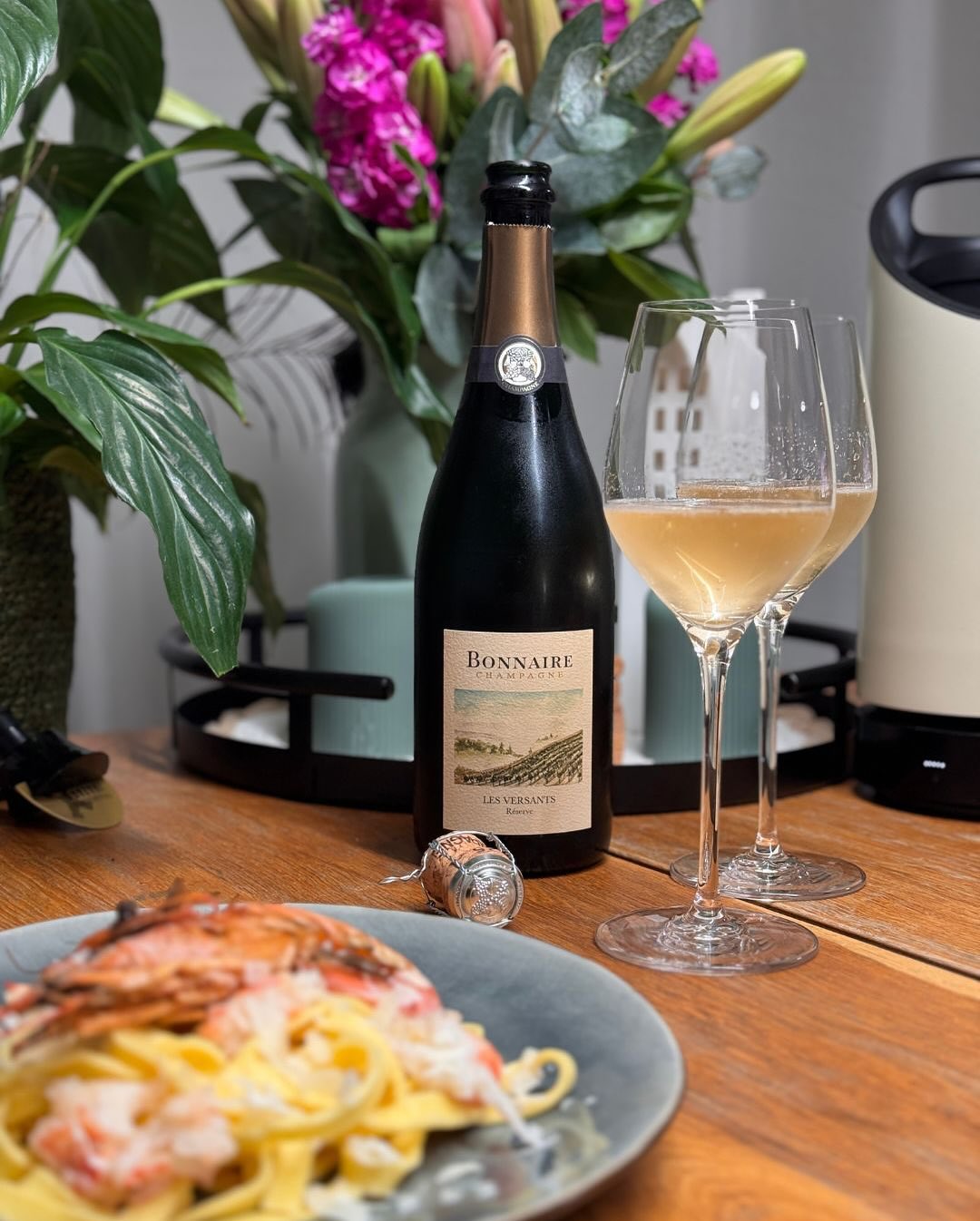
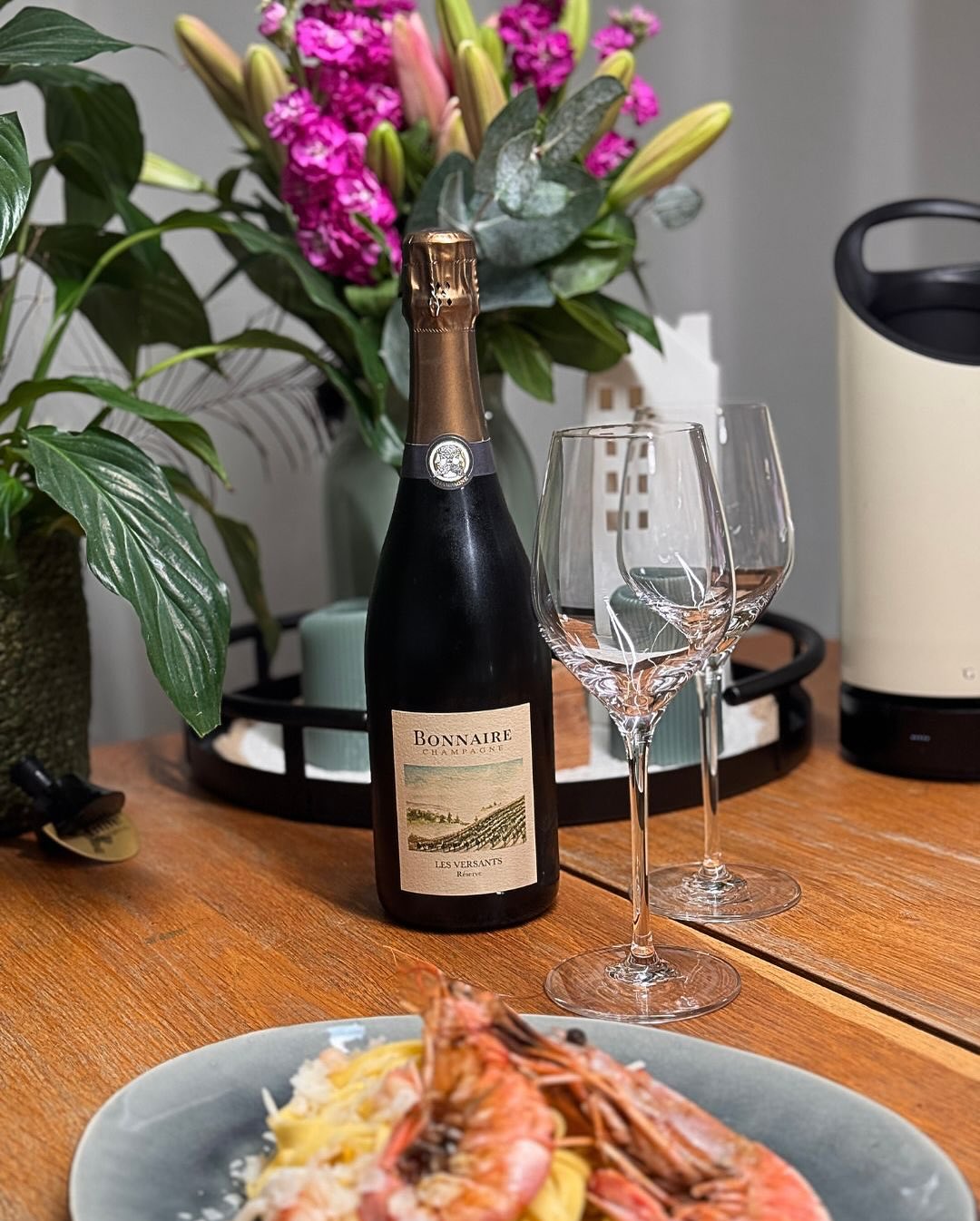
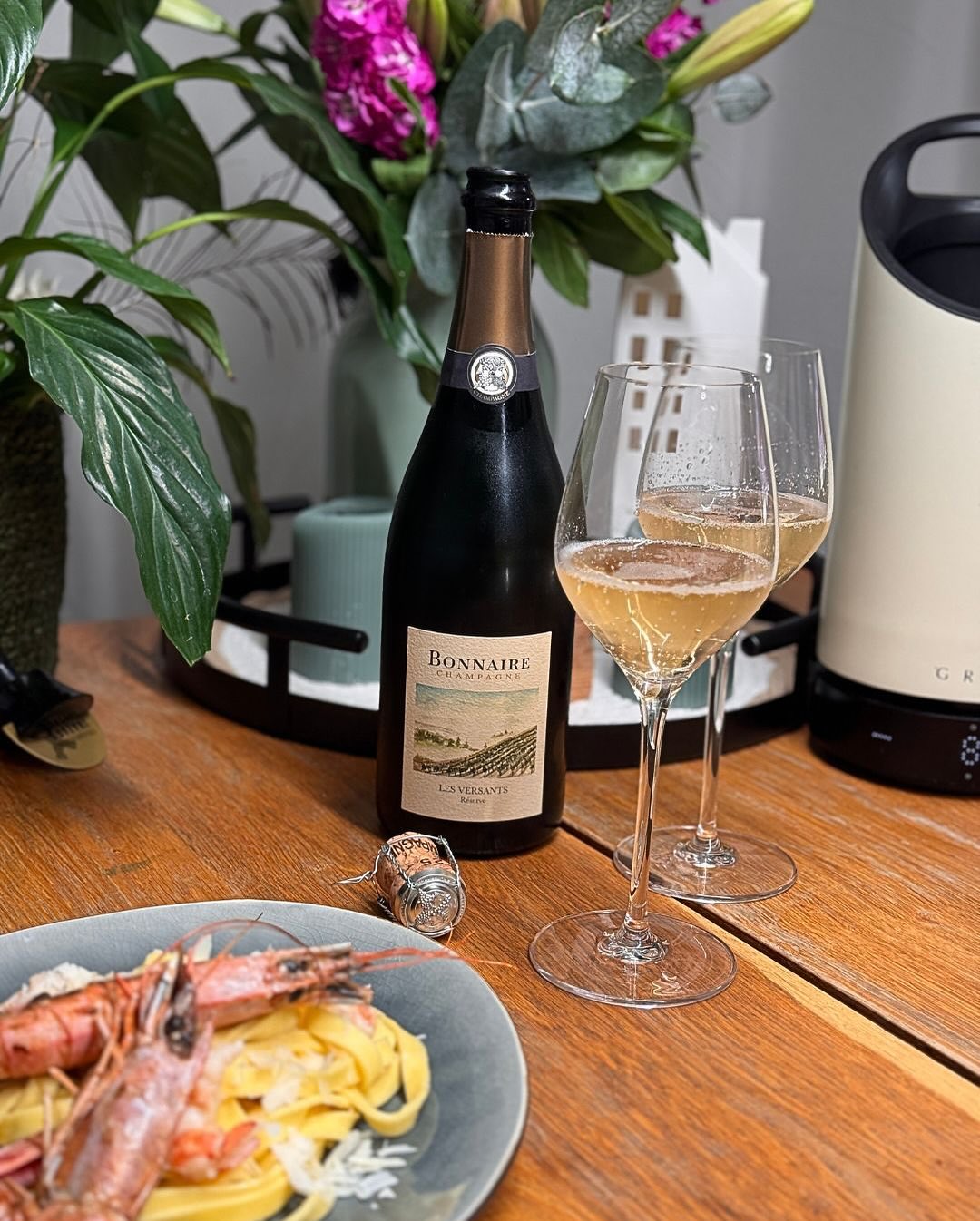
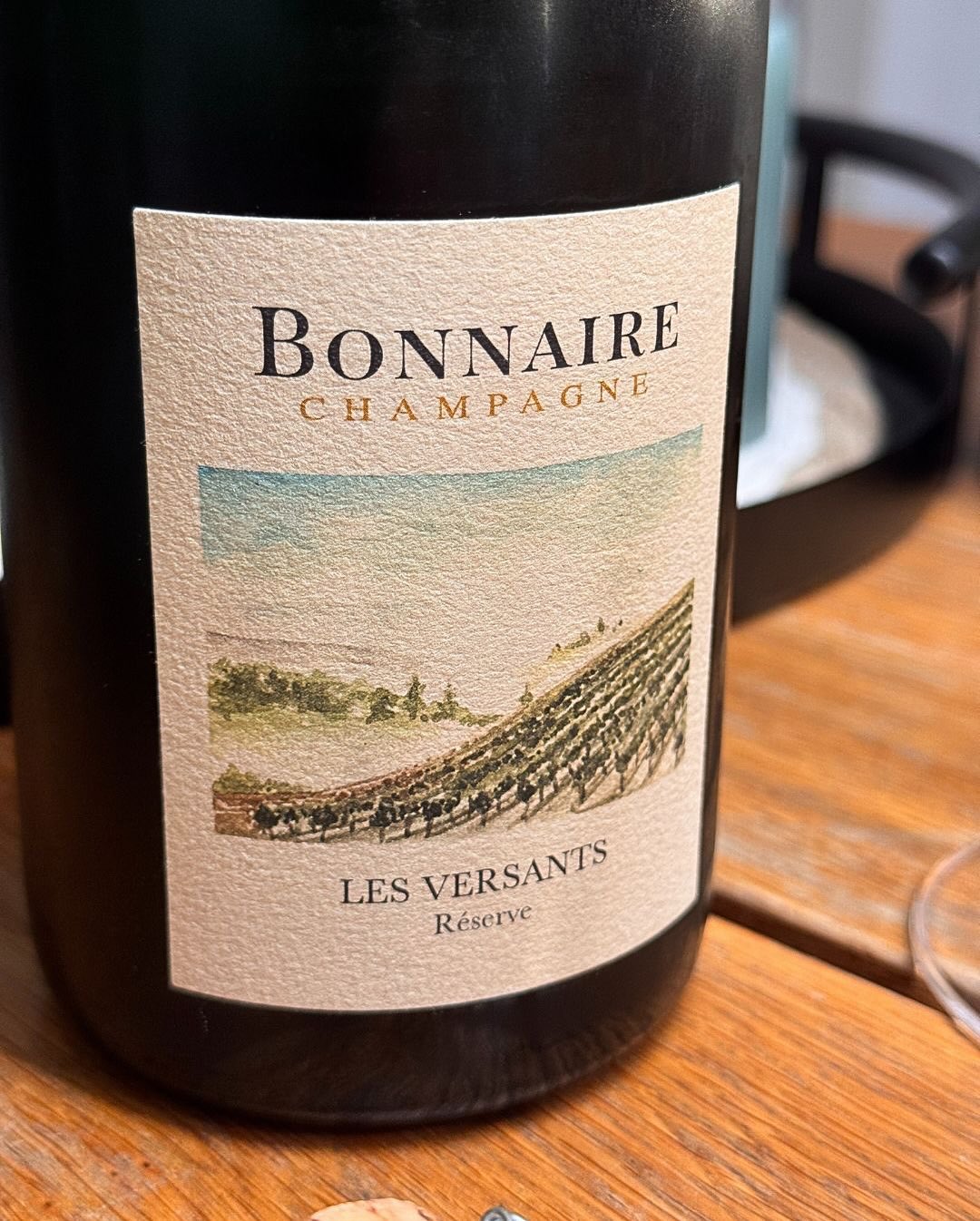
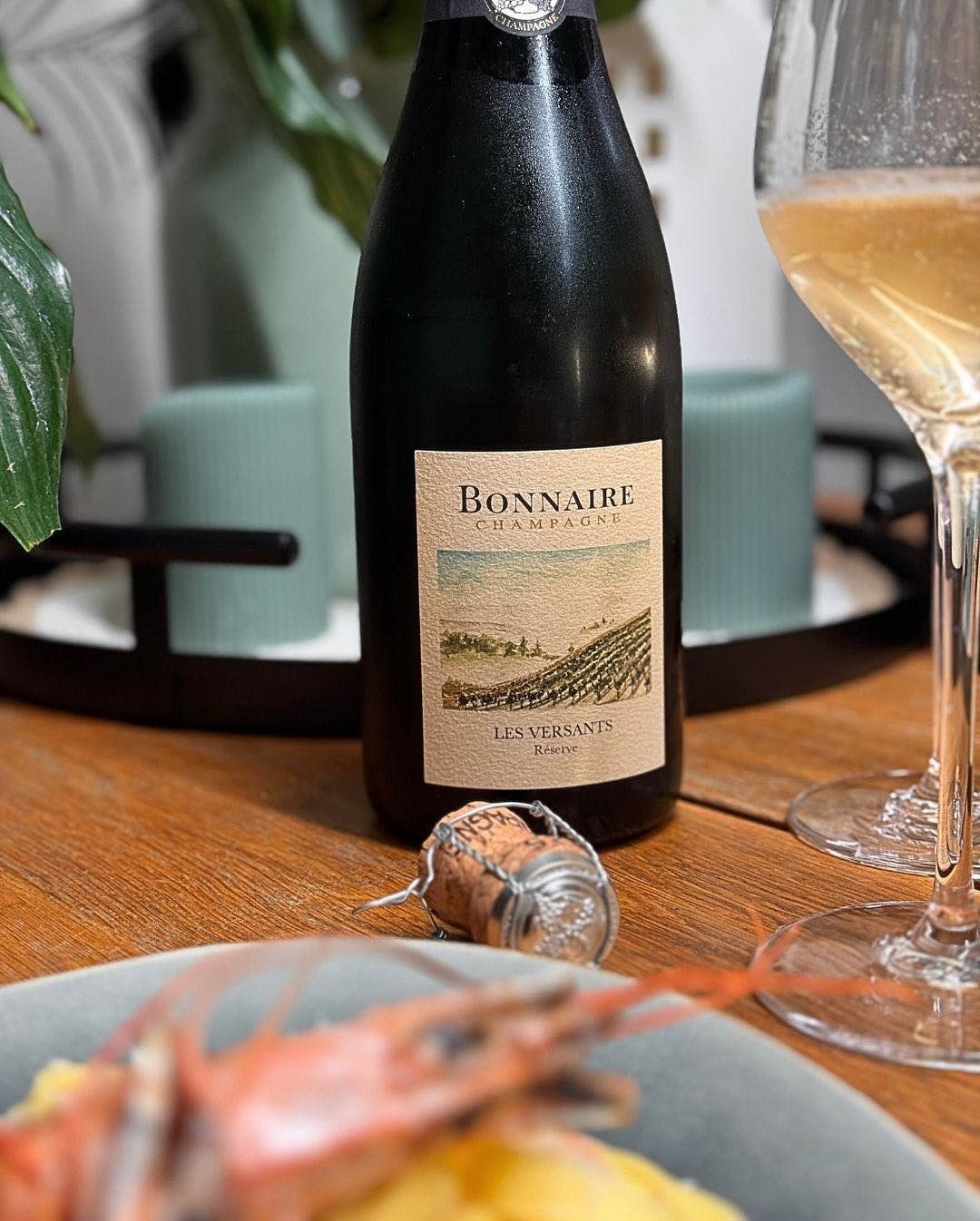
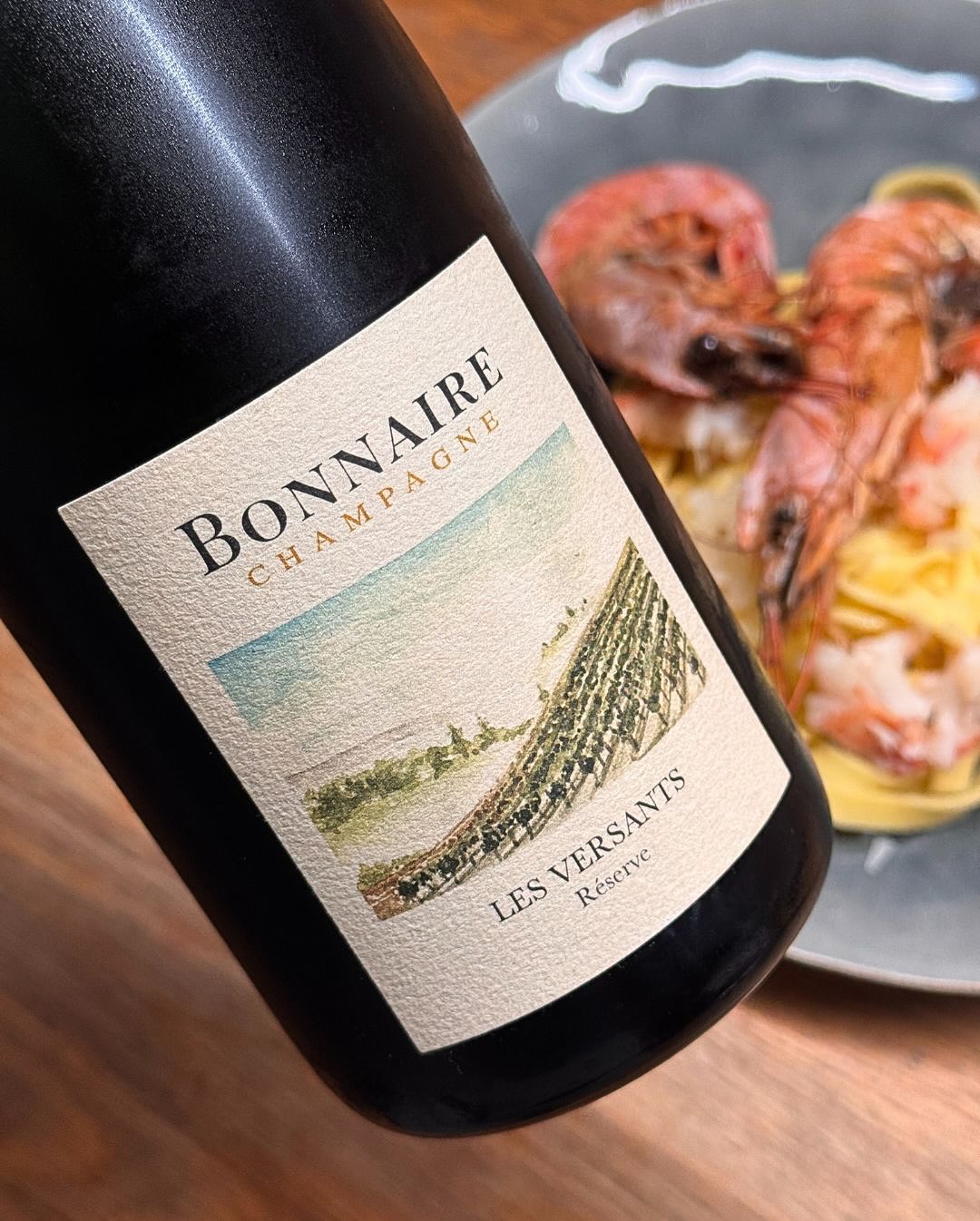
the_champagne.guy Frische Pasta, gegrillte argentinische Rotgarnelen und eine Zitronen-Salbei-Butter – das war der Plan für gestern Abend. Und dazu der Les Versants Réserve von @bonnaireclouet – spontan gewählt, aber perfekt im Timing. Der Champagner bringt genau das mit, was so ein Gericht braucht: Spannung, Frische und ein wenig Grip. Zitrus, weißer Pfirsich, etwas Brioche, dazu eine feine Würze vom leichten Holzausbau. Das alles zum perfekt gegarten Garnelenfleisch mit seinem süßlichen Aroma und der cremigen Struktur - ein Traum! Die 4 g/l Dosage hält alles auf Linie – genug Frucht, ohne jede Schwere. Die Glaswahl fiel heute auf mein neues Grand Ultima von @royal_glass_official , das erst heute vor meiner Tür stand. Ein massives Glas, ganz anders als meine filigranen Riedel- und Josephinen-Gläser, oder gar meine Gabriel Glas Gold Edition. Ich bin mir noch nicht sicher, wie sehr die Haptik den Eindruck beeinflusst – das muss ich wohl im direkten Vergleich testen. Aber spannend war’s allemal und ich werde wohl in Zukunft immer den ein oder anderen Moment länger brauchen, bis ich das perfekte Glas ausgewählt habe. :) Champagne-Facts 🥂 50 % Chardonnay · 30 % Pinot Noir · 20 % Meunier 📍 Cramant, Cuis, Bouzy, Bergères-les-Vertus & Fossoy 🪵 Ausbau in Edelstahl & 10 % kleinen Holzfässern 🕰 30 Monate Hefelager (minimum) 🍬 Dosage 4 g/l (Extra Brut) Ein eleganter Allrounder, der Struktur und Balance in einer Leichtigkeit verbindet, die genau das Richtige für den Abend war. #TheChampagneGuy @grad.dk @made_in_champagne #ChampagneBonnaire #LesVersants #ExtraBrut #GrowerChampagne #CotedesBlancs #MontagnedeReims #ValleedelaMarne #ChampagneMoment #ChampagneLife #ChampagneVibes #ChampagneTasting #ChampagnePairing #TheChampagneGuyMoments
Auf Instagram weiterlesen →