When I pour a champagne into my glass and pick up those wonderful smoky notes – whether it's toasted bread, coffee beans, or warm wood aromas – I know: here's a winemaker who has demonstrated true craftsmanship. These complex, warm aromas are among the most fascinating and multi-layered in the entire champagne spectrum.
The Origin of Smoky Aromas: Three Main Sources
Oak Barrel Aging: The Classic Path to Smoky Notes
The most obvious path to smoky aromas leads through aging in wooden barrels. Traditional champagne houses like Krug, Louis Roederer, or Bollinger still rely on oak for their base wines. The type of wood already determines the aroma profile.
French oak from the forests of the Vosges or Allier gives champagne elegant vanilla and spice notes, while American oak brings more intense, sometimes almost aggressive roasted aromas. With new barrels, the wood tannins and toast aromas dominate initially, while old, already multiply-used barrels give off more subtle, mature wood notes.
The degree of "toasting" – how intensely the barrel staves were heated during bending – plays a crucial role. Light toasting creates delicate bread and biscuit aromas, medium toasting brings forth caramel and roasted nuts, while heavy toasting can lead to intense coffee, chocolate, and even smoke aromas.
Autolysis: Smoky Complexity Without Wood Contact
This is where it gets really exciting: Many champagnes develop smoky aromas entirely without wood contact – through long lees aging sur lattes. During autolysis, the breakdown of dead yeast cells, complex amino acids and proteins form that become these characteristic toast and roasted aromas after years.
Champagnes like Dom Pérignon or Pol Roger Winston Churchill, which often age on the lees for over a decade, develop these unique "brioche-like" notes completely naturally. It's fascinating: without any wood contact, aromas emerge that remind you of toasted bread, toasted hazelnuts, or even roasted coffee beans.
Terroir Influences: When the Soil Speaks
Particularly in certain sites of the Champagne, mineral soils can contribute to smoky, almost "stony" notes. The famous chalk soils of Avize or Le Mesnil-sur-Oger sometimes give Blanc de Blancs an almost smoky minerality that develops over time into complex toast aromas.
Grape Varieties and Their Smoky Characteristics
Pinot Noir: The King of Roasted Aromas
Pinot Noir is predestined for smoky aromas. This grape variety responds particularly well to oak barrel aging and develops intense toast-bread notes during autolysis. Champagnes from the Montagne de Reims, where Pinot Noir dominates, often show these characteristic warm, roasted aromas.
Bollinger Grande Année is a perfect example: the assemblage of predominantly Pinot Noir, partially aged in oak barrels, develops wonderful roasted hazelnut and toast aromas.
Pinot Meunier: Surprising Toastiness
Often underestimated, Pinot Meunier can also develop impressive smoky notes. Krug Grande Cuvée, which traditionally contains a high proportion of Pinot Meunier, often shows surprisingly complex roasted aromas – proof that it's not just about the grape variety, but about the vinification.
Chardonnay: Elegant Buttery Toast Notes
Chardonnay from oak barrel aging develops more buttery, brioche-like notes rather than intense roasted aromas. Louis Roederer Cristal often shows these elegant, toasted brioche notes after years of aging, which harmonize perfectly with Chardonnay's natural minerality.
Concrete Champagne Examples with Smoky Aromas
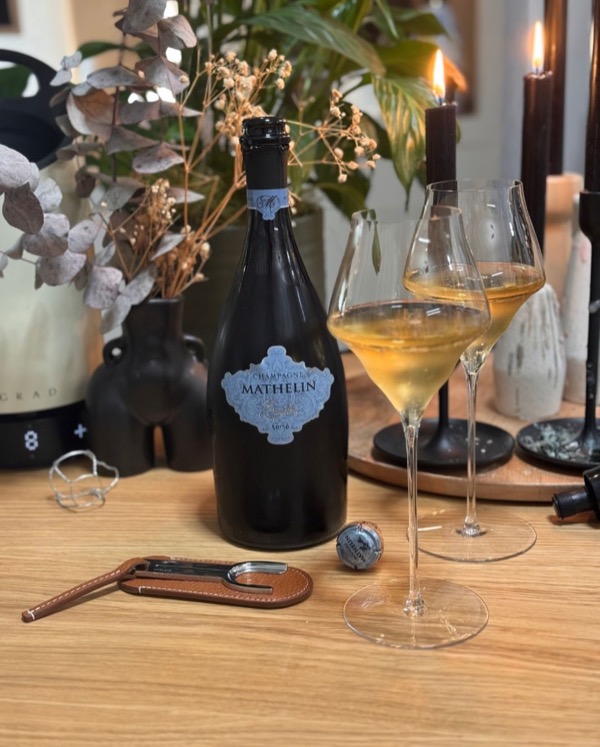
Manchmal sagt ein minimalistisches Etikett schon alles: Beim „Équilibre“ von @champagne_mathelin ist der Name absolutes Programm! Auf der Flasche…
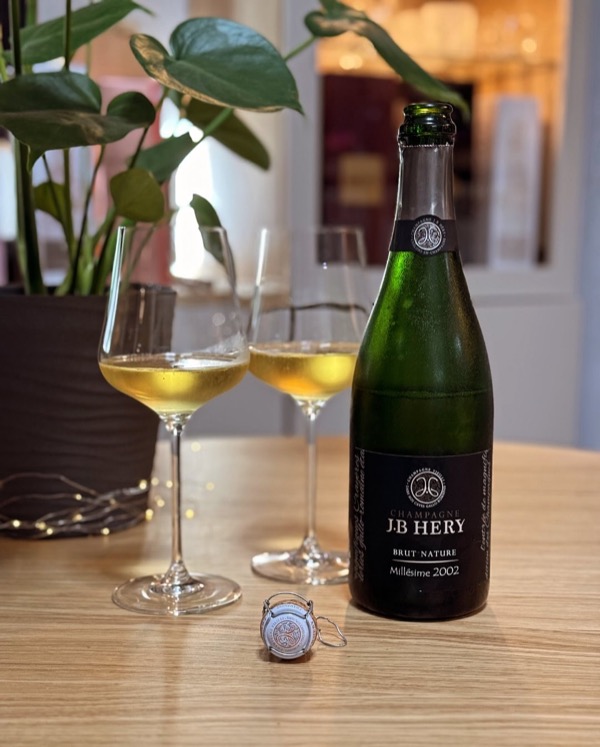
🍾 Heute im Glas: J.B Héry - Millésime 2002 - Brut Nature – ein spannender Fund aus meinem letzten Einkauf. Gerade erst frisch in den Keller…
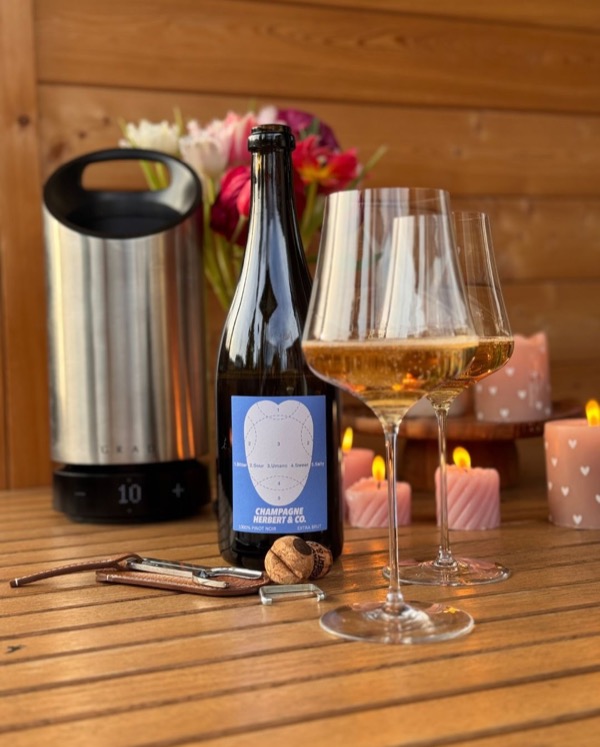
Heute gibts den 1000% Pinot Noir von @champagne_herbertandco . Von diesem kleinen, feinen Haus (geführt von @thomas___herbert und @charlottehbrt_ in…
The Oak Barrel Specialists
Krug Grande Cuvée stands for intense wood notes without compromise. Years in oak barrels give this champagne incomparable roasted and spice aromas.
Bollinger R.D. (Recently Disgorged) combines oak barrel aging with extreme lees aging – the result is complex toast, nut, and sometimes even coffee aromas.
The Autolysis Masters
Dom Pérignon Vintage develops wonderful brioche-like roasted aromas after 10+ years, even though it's completely vinified in stainless steel tanks.
Salon Le Mesnil Blanc de Blancs shows an almost smoky minerality after decades of aging that develops into complex toast notes.
Food Pairing: Smoky Champagnes at the Table
Smoky champagnes are true all-rounders for food pairing:
Classic Combinations
- Roasted poultry: The toast notes harmonize perfectly with the Maillard reaction of the browned skin
- Nuts and almonds: Especially roasted varieties enhance the natural roasted aromas
- Aged cheeses: Comté or aged Gouda complement the warm, complex aromas ideally
Surprising Pairings
- Dark chocolate: Smoky champagnes with intense roasted aromas can handle even 70%+ cocoa content
- Toasted bread with truffle: The earthy, smoky notes reinforce each other
- Grilled vegetables: Especially grilled eggplant or peppers harmonize wonderfully
The Art of Perfect Timing
Smoky aromas often develop only with time. A young champagne from oak barrels might initially show only aggressive wood tannins, while the elegant toast notes unfold only after years of bottle aging.
For me, it's therefore important to enjoy smoky champagnes with patience. A Bollinger Grande Année is a completely different wine after 5-7 years than directly after dégorgement – the smoky notes have integrated and show their full complexity.
Serving Temperature and Decanting
Smoky champagnes can handle somewhat higher serving temperatures than fresh, mineral cuvées. 8-10°C is ideal – this way the warm roasted aromas can fully unfold. My GRAD cooler keeps the bottle precisely in this range — without ice water, which would cool the champagne down to 4-5 degrees and suppress the smoky notes. With very complex, aged champagnes, I even experiment with decanting – 15-20 minutes of aeration can bring hidden roasted and spice notes to light.
The world of smoky champagne aromas is infinitely multifaceted and shows how versatile and complex this great wine can be. From subtle brioche notes to intense coffee aromas – every smoky champagne tells its own story of craftsmanship, time, and terroir.
My Posts About This
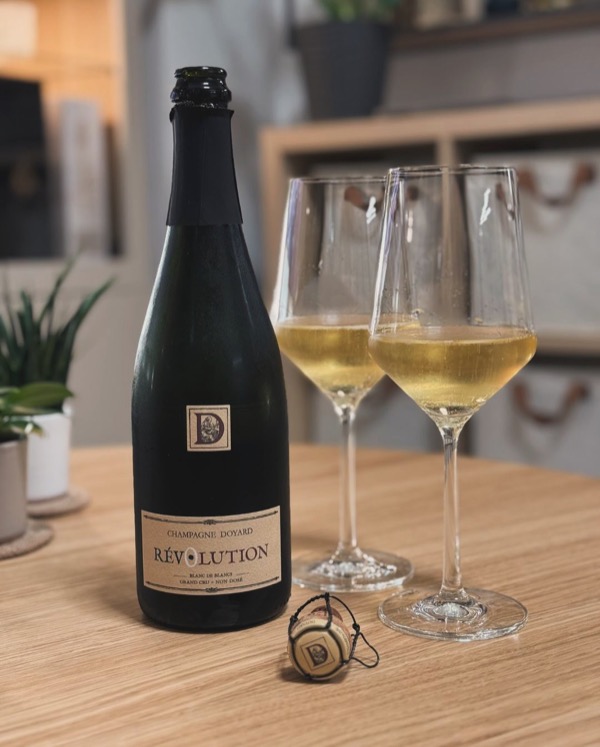
Gestern habe ich noch den Champagne Doyard ( domainedoyard ) – Révolution – Blanc de Blancs geöffnet - ein Erlebnis für die Sinne. Was diesen…
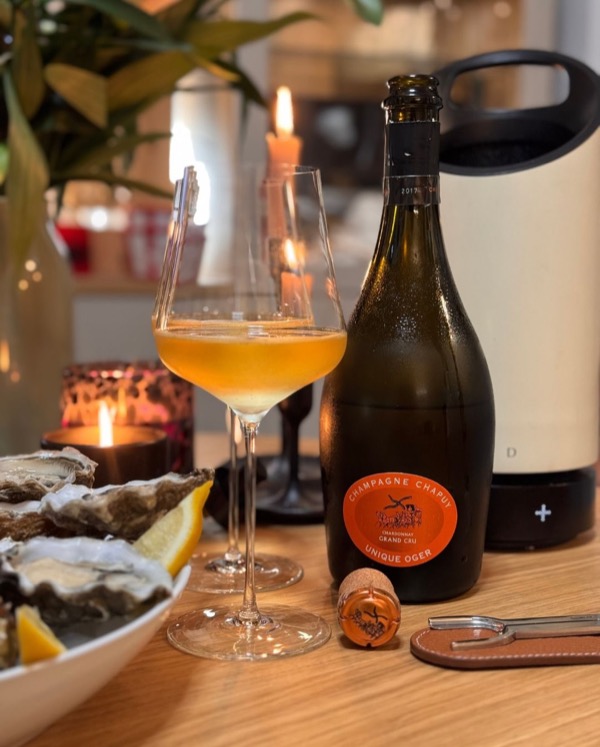
Wenn es um die Kombination mit frischen Austern geht, ist Reinheit für mich mittlerweile das oberste Gebot. Heute im Glas: Der…
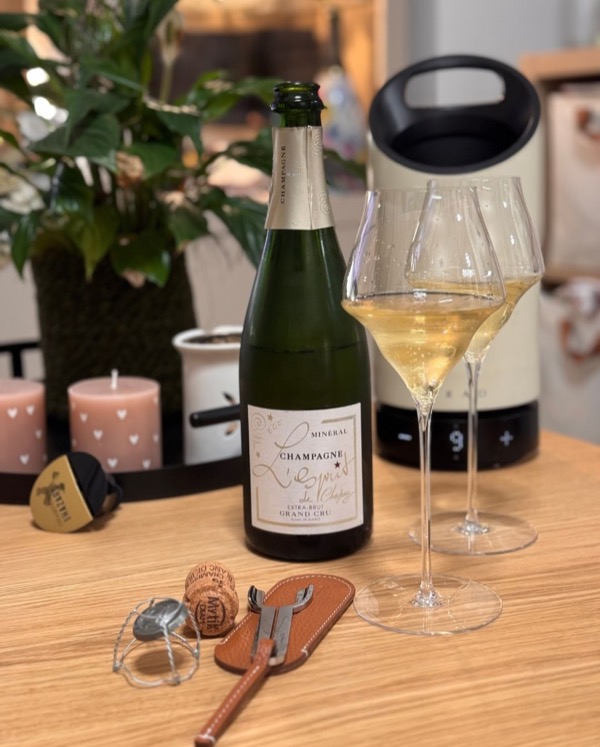
Gestern habe ich die Cuvée Minéral von @champagne_espritchapuy geöffnet. Ein 100 % Chardonnay Grand Cru aus Oger, Basisjahr 2014, mit 30 %…