Louis Roederer
Louis Roederer is a champagne house based in Reims, led by Frédéric Rouzaud in the 7th generation. The house farms 240 hectares of its own vineyards, 150 hectares organically. The vineyard sites are located in Grand Cru and Premier Cru areas, including Aÿ, Avize, Cramant, Mesnil-sur-Oger, Oger, Mareuil-sur-Aÿ, Dizy, and Cumières.
History
Camille Olry-Roederer took over leadership of the house in 1932 after the death of her husband Léon Olry-Roederer. Under her guidance, Louis Roederer developed over 43 years into one of the most significant houses in Champagne. In 1961, an extraordinary bottle was produced from the Les Volibarts parcel in Mesnil-sur-Oger, which was tasted in 2017 and impressively documented Camille's vision. Her era ended in 1975, she had led the house through turbulent times and laid the foundations for today's direction.
In 2009, vines were planted for the parcel wine Milnon, a massal selection from their own domains. This step symbolically represents the connection between historical heritage and visionary ambition that continues to define the house today.
Vignoble & Soil
The 240 hectares are spread across eight villages: Aÿ, Avize, Cramant, Mesnil-sur-Oger, Oger, Mareuil-sur-Aÿ, Dizy, and Cumières. These sites were strategically acquired after the phylloxera crisis and count among the most valuable terroirs in Champagne. 150 of the 240 hectares are now farmed organically, a proportion that continues to grow.
The Les Volibarts parcel in Mesnil-sur-Oger covers 0.55 hectares with southeast exposure, planted with 100% Chardonnay. Here the Cuvée Hommage à Camille, Les Volibarts is created, a Blanc de Blancs that is only produced in years of full ripeness. The Climat Milnon, planted since 2009 with massal selection, produces an independent red wine in limited edition.
Viticulture & Sustainability
Louis Roederer farms 150 of 240 hectares according to organic principles, certified with the AB label. Vinification is done parcel by parcel to preserve the identity of individual sites. The approach is respectful and long-term oriented, no quick solutions, but consistent work in the vineyard over years.
Organic farming isn't a marketing argument, but the expression of a clear philosophy: visionary spirit, structure, and precision are born in the vineyard, not in the cellar.
Vinification
Fermentation lasts longer than usual to build more structure. Part of the base wines mature in wood, others in stainless steel or clay vessels, depending on the parcel and vintage. The Collection series uses 36% Réserve Perpétuelle, a solera-like system with vintages from 2012 to 2018. Plus 10% barrel-aged reserve wines. Around 35% of the base wines undergo malolactic fermentation; with Cristal they skip it to maintain the taut minerality.
The dosage ranges between 7 and 8 g/l, enough balance to connect freshness and depth without blurring the contours. Innovation and precision aren't opposites, but two sides of the same philosophy.
The Cuvées in Detail
Collection 244
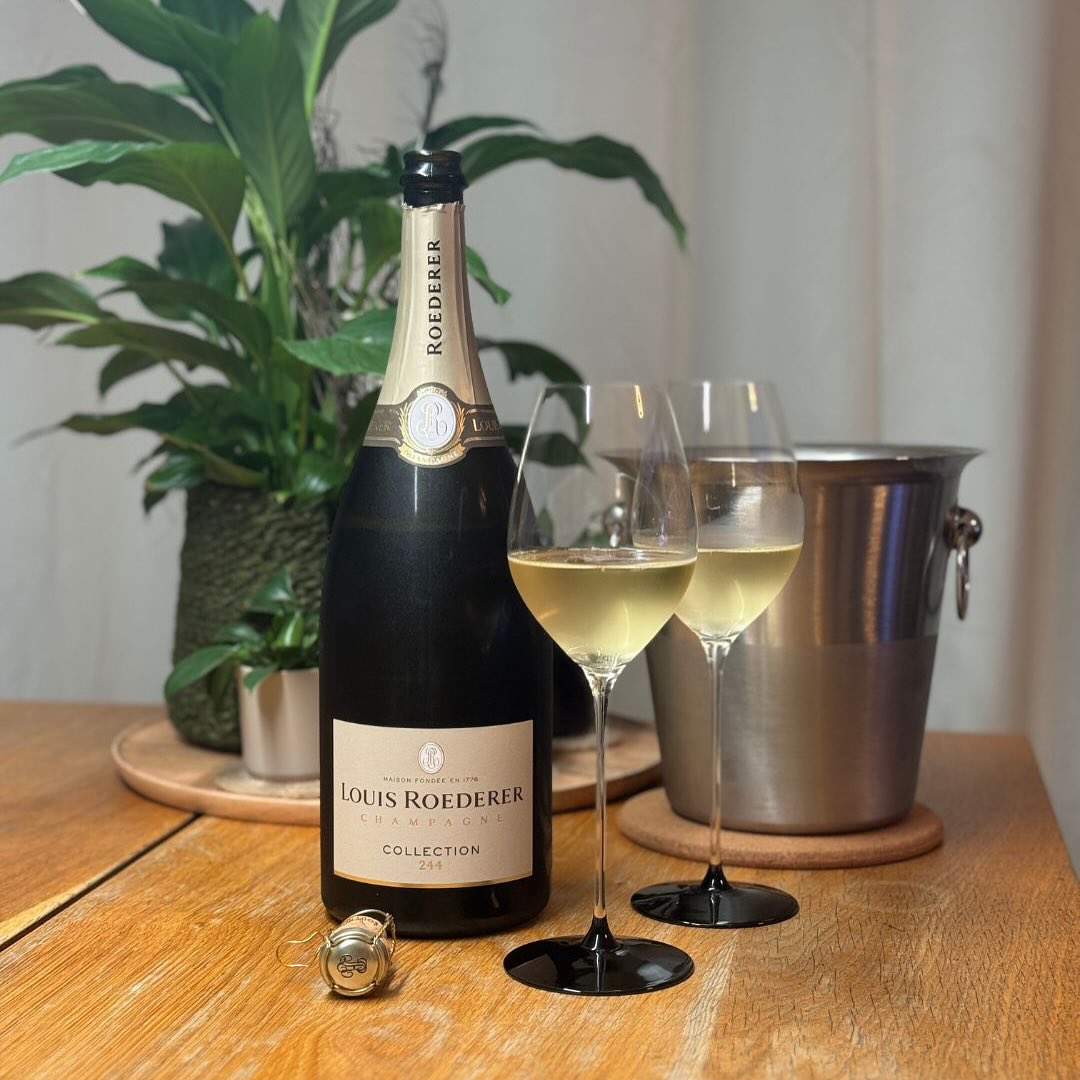
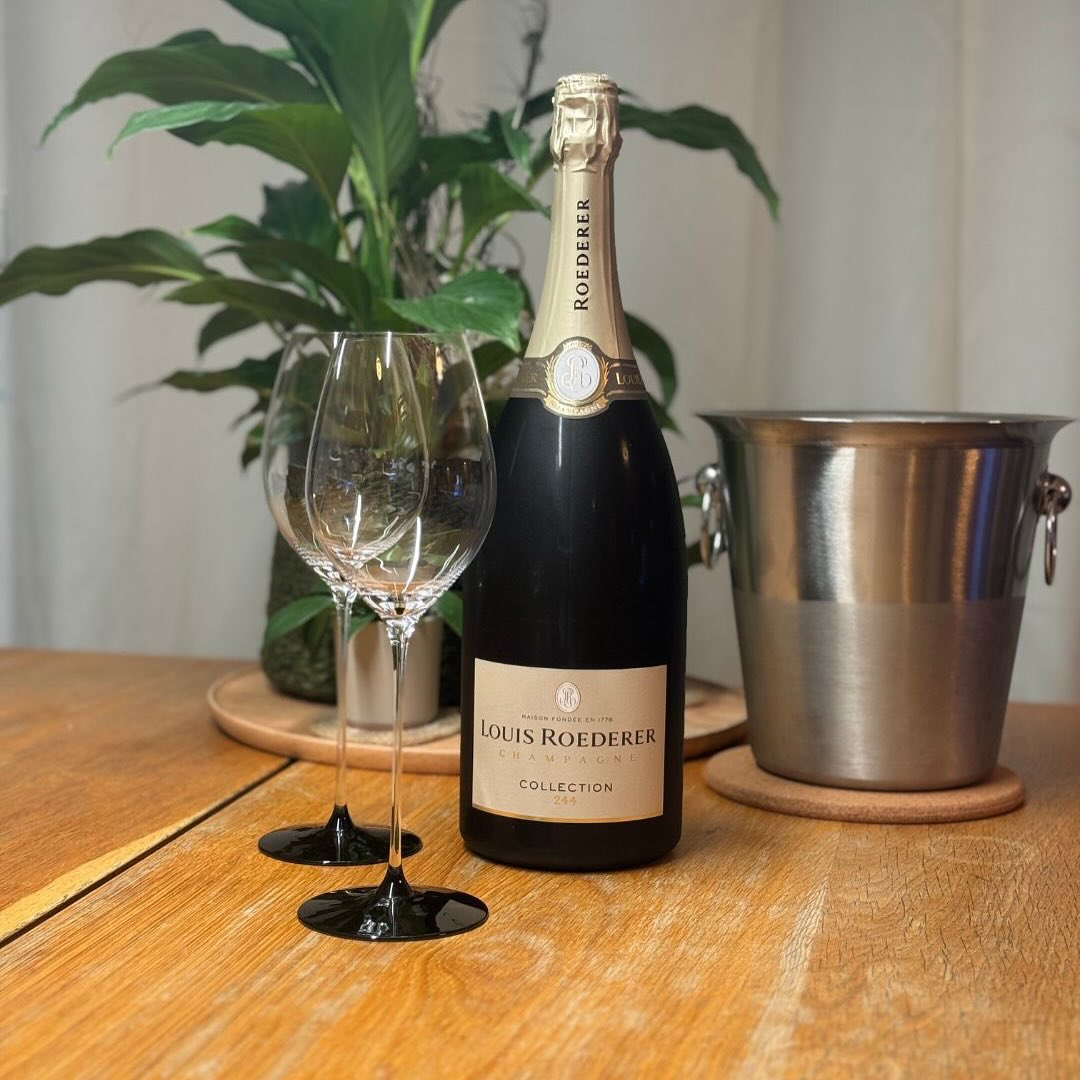
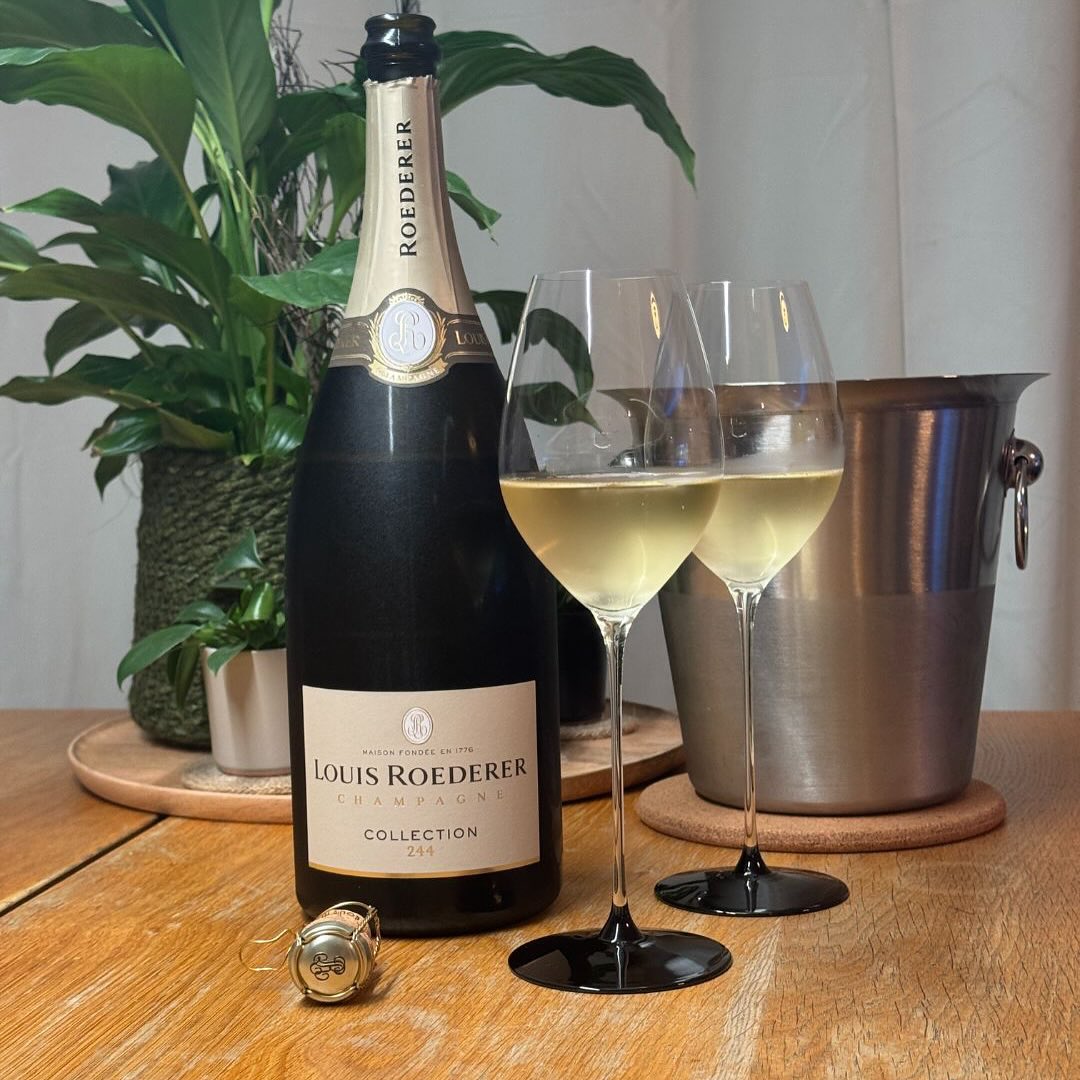
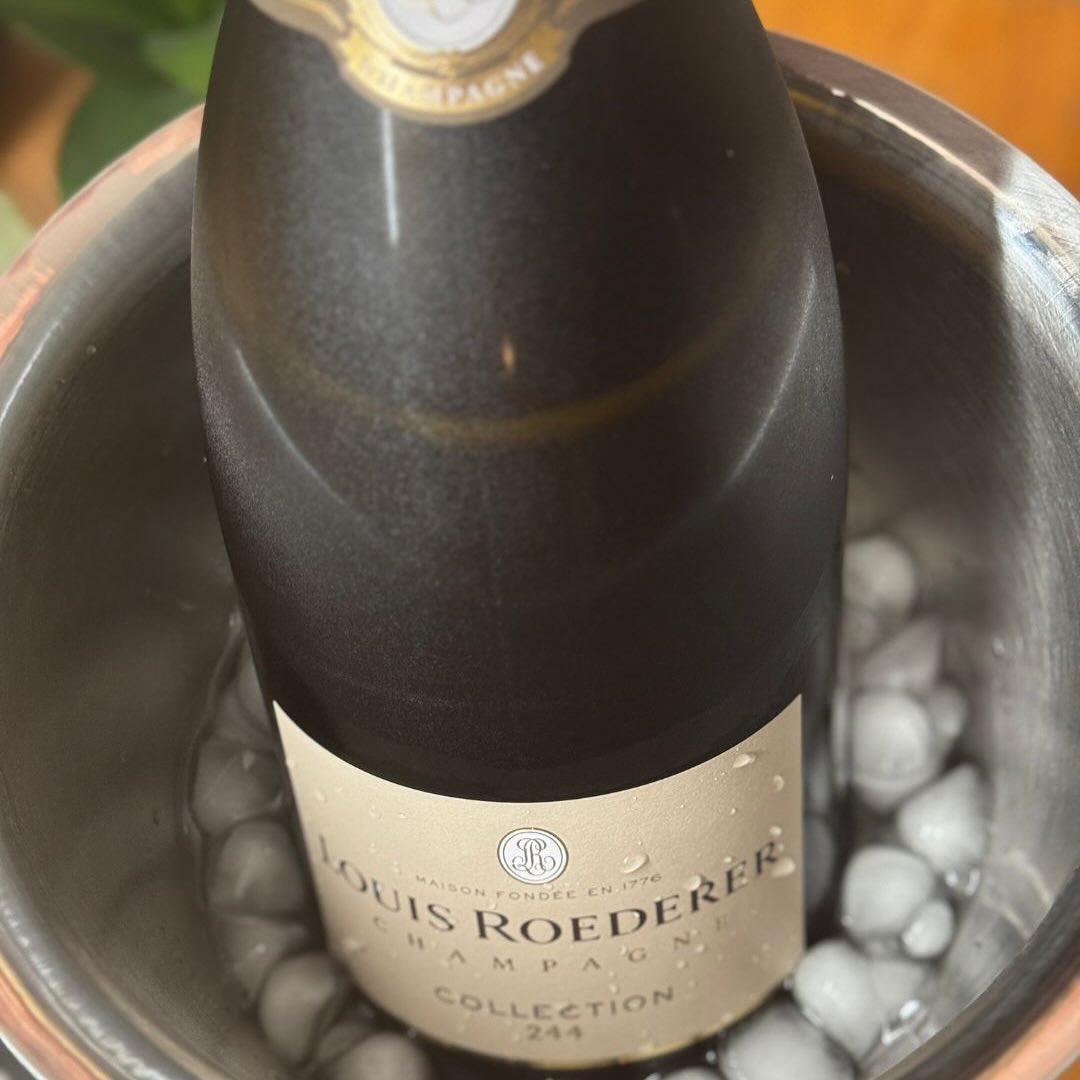
the_champagne.guy Warum eine Magnum? Geburtstag? Hochzeitstag? Großes Fest? Nein – einfach nur Lust auf einen @louisroederer_ . Und im Keller stand halt nur noch die Magnum. 😄 Manchmal braucht es keinen Anlass, nur den richtigen Moment. Ein freier Abend, gute Stimmung – und ein großer Wein. Louis Roederer – Collection 244 Die 244. Ernte des Hauses – mit 54 % der Grundweine aus dem Jahr 2019, ergänzt durch 36 % Réserve Perpétuelle und 10 % Reserveweine aus dem Holzfass. Die Stilistik? Elegant, klar, präzise. Frische Frucht, feine Würze, straffe Mineralität. Ein Champagner mit Struktur – aber auch mit Schmelz. 🍇 Assemblage: 41 % Chardonnay • 33 % Pinot Noir • 26 % Pinot Meunier 📦 Réserve perpétuelle: 36 % aus älteren Jahrgängen (2012–2018) 🛢️ Reserveweine aus Holzfässern: 10 % (ebenfalls von 2012–2018) 🍷 Dosage: 7 g/l (Brut) 🔄 Malolaktische Gärung: ca. 35 % der Grundweine durchlaufen sie 📦 Format: Magnum (1,5 Liter) Ein moderner Klassiker – in groß einfach nochmal beeindruckender. #TheChampagneGuy @riedel_official @jblfizz #Roederer #Collection244 #MagnumMoment #NoOccasionNeeded #ChampagneLover #GrandeDégustation #Winzerkunst #ChampagnerFreude
Auf Instagram weiterlesen →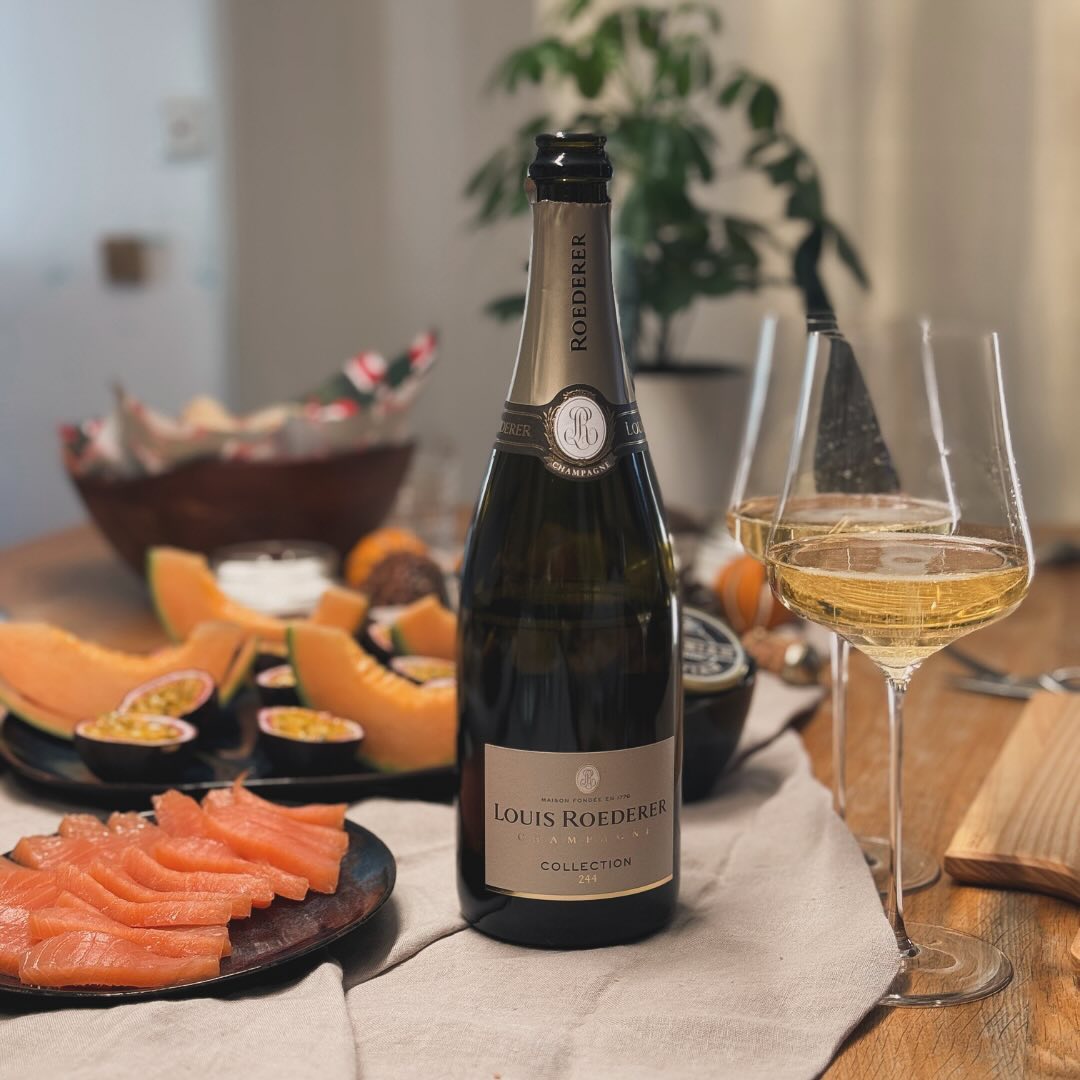
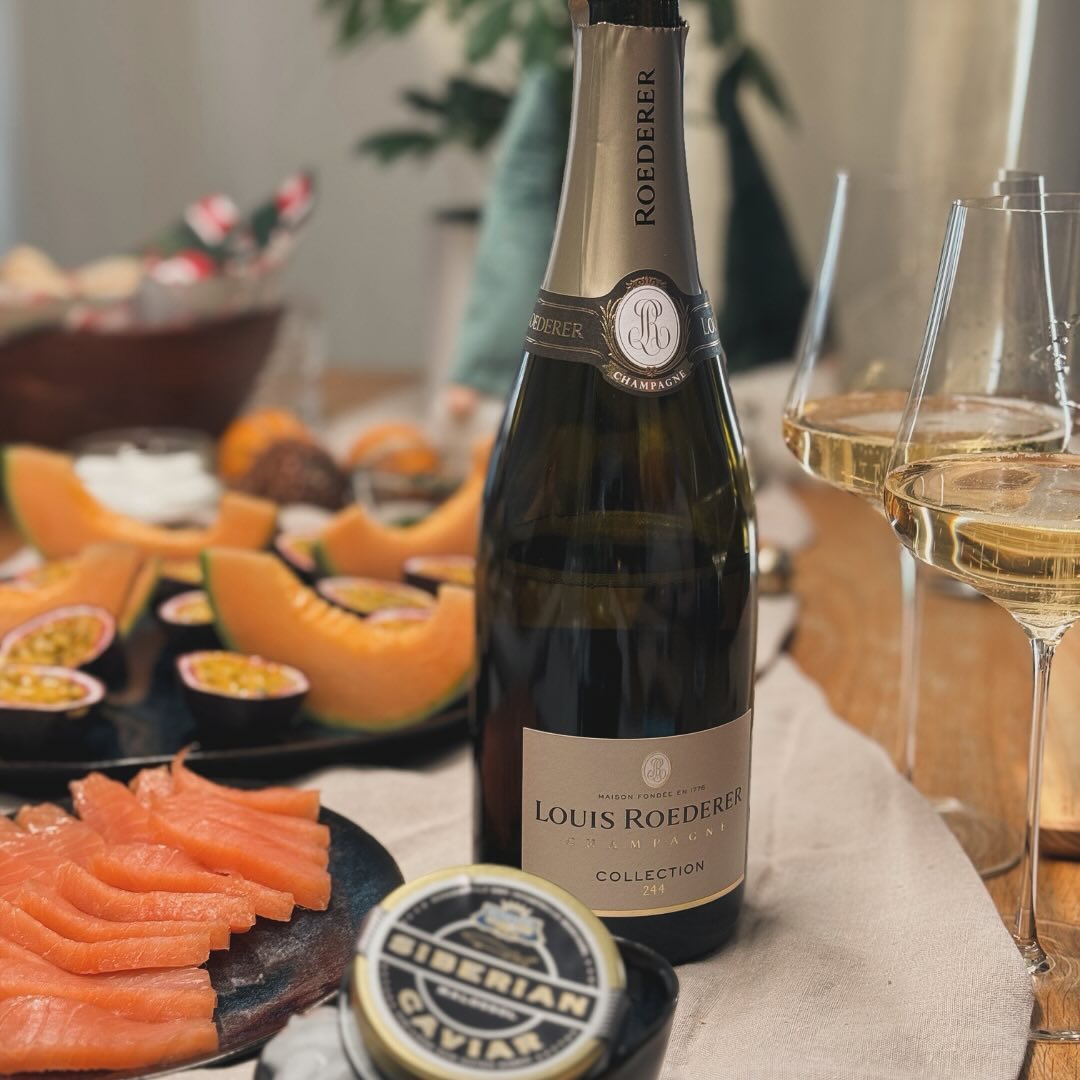
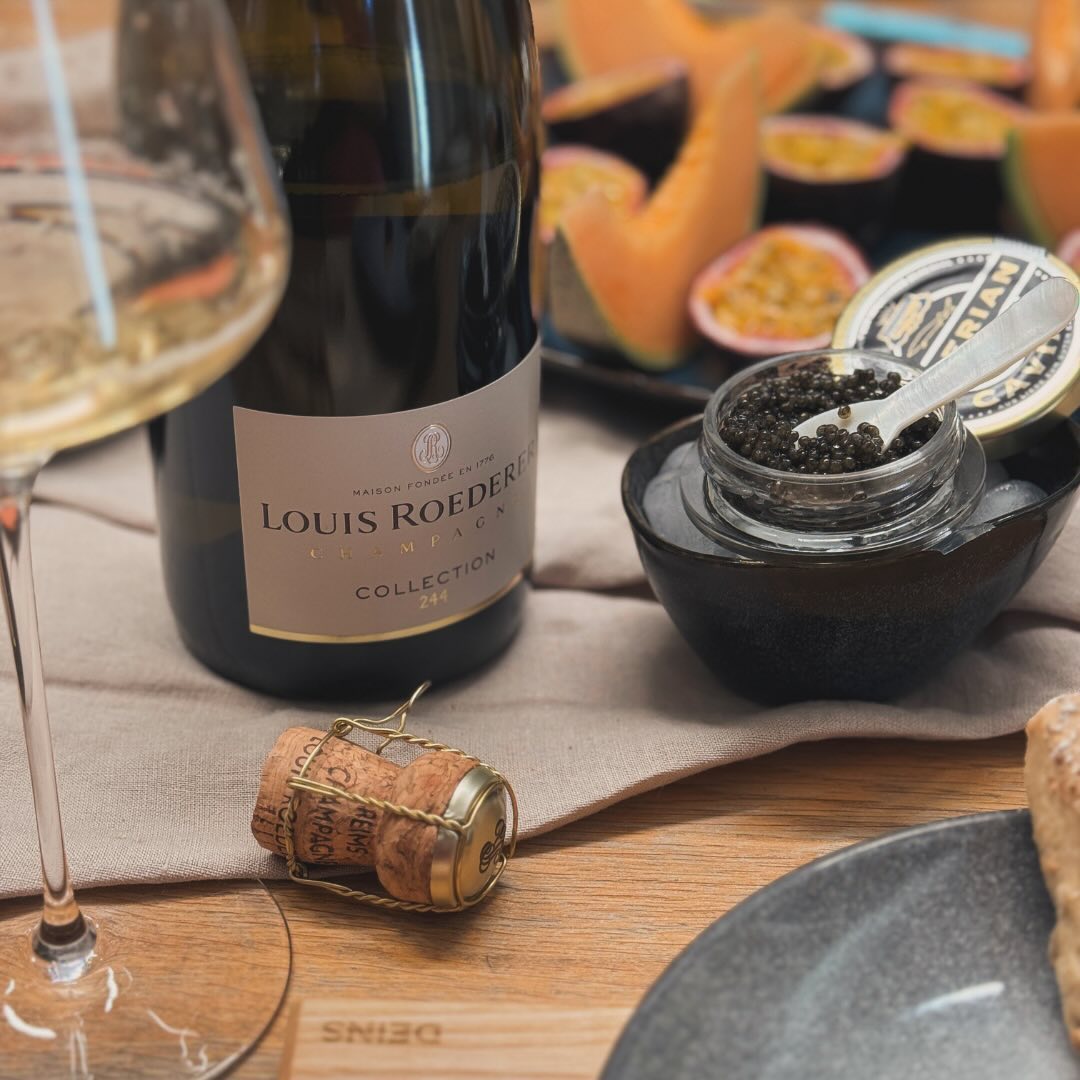
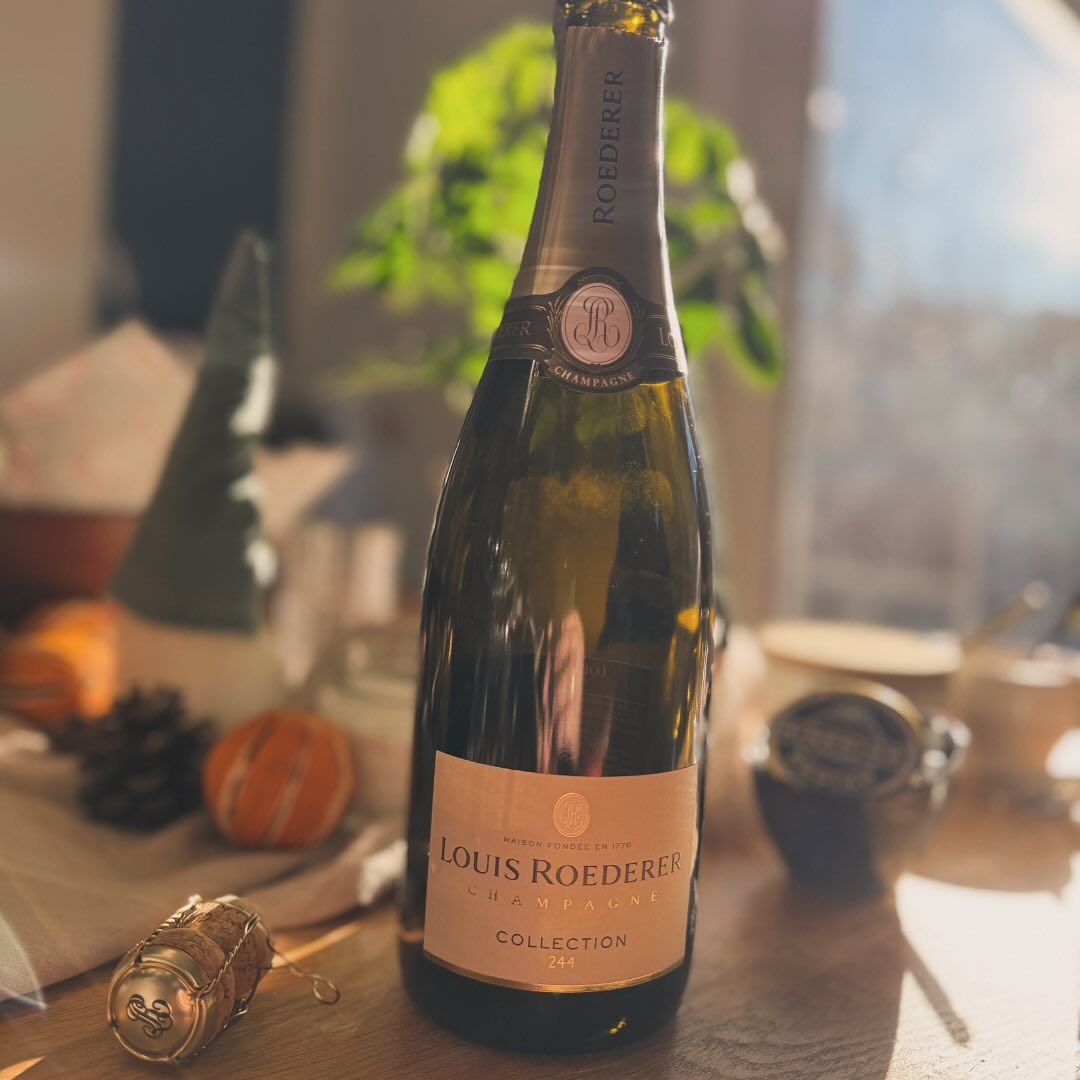
the_champagne.guy Weihnachten bedeutet für mich, besondere Momente mit außergewöhnlichem Genuss zu füllen – und heute, am 2. Weihnachtsfeiertag, haben wir das Frühstück noch einmal so richtig genossen. 🌟 Allerdings auch mit der Feststellung im Kopf, dass man eigentlich jeden Morgen so beginnen sollte. Nicht aus Dekadenz, sondern weil es so viel Gutes zu entdecken gibt. ❤️ Deswegen wandert bei mir auch jeder Champagner-Korken in meine „Sammel-Box“ mit der Aufschrift „Das Leben ist zu kurz, um schlechten Wein zu trinken.“ Im Glas: @louisroederer_ Collection 244, der für mich einer der besten und vielseitigsten Champagner in seiner Preisklasse ist. 🥂 Ich habe bisher die 243 und 244 probiert und finde, dass er einfach immer passt – zu jeder Stimmung, zu jedem Anlass, und heute perfekt zu unserem Frühstück. Auf dem Teller: - Zarenlachs, butterzart und voll im Geschmack - natürlich pur oder wahlweise mit Krenn und frischem Dill. 🐟 - Malossol Kaviar von @schenkeldelikatessen , mild gesalzen und ein echter Genussmoment. 🖤 - Dazu eine herrlich fruchtige Begleitung aus Maracuja und Melone, die das Ganze wunderbar abrundet. 🍈🥭 Der Roederer 244 hat mit seinen Aromen von reifen Birnen, Zitrusfrüchten und einem Hauch von Röstaromen diese Kombination perfekt ergänzt. Seine Vielseitigkeit macht ihn zu einem Champagner, der einfach immer begeistert – vielleicht wird es zu Silvester dann endlich Zeit für seinen großen Bruder, den Cristal? 😉✨ Was gibt es bei euch zu besonderen Anlässen im Glas? Und wer plant schon sein Silvestermenü? 🎇 @gabriel_glas @jblfizz #LouisRoederer #Collection244 #ChristmasBreakfast #Weihnachten2024 #ChampagneLover #Festtagsgenuss #TheChampagneGuy
Auf Instagram weiterlesen →Base 2019, 41% Chardonnay, 33% Pinot Noir, 26% Meunier. 54% base wines from 2019, 36% Réserve Perpétuelle, 10% reserve wines from oak barrels. Around 35% of base wines with malolactic fermentation. Clear, precise, with fresh fruit, fine spice, and taut minerality, a signature that runs through all Collection vintages.
41% Chardonnay / 33% Pinot Noir / 26% Meunier · 7 g/l Dosage · Base 2019
Collection 245
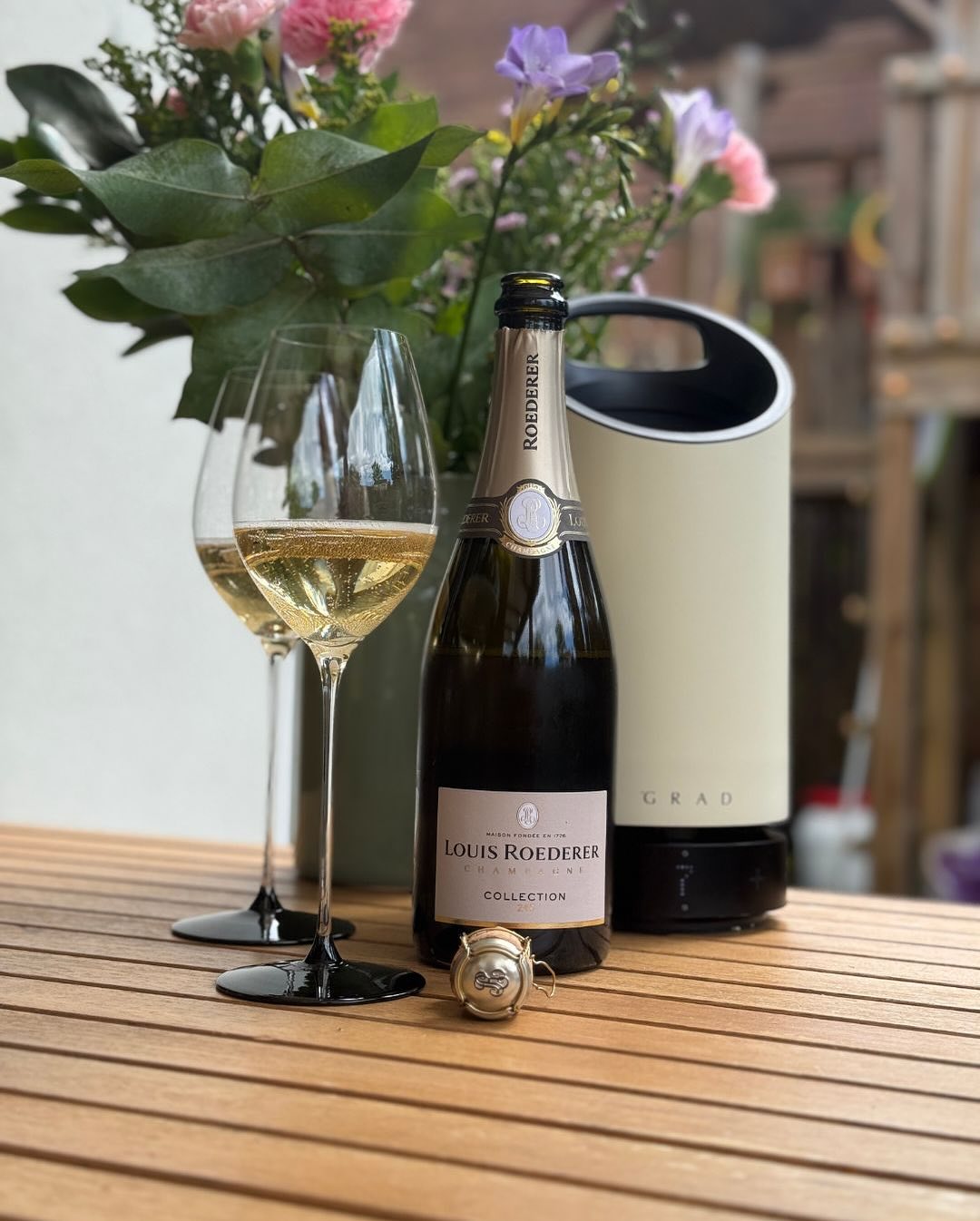
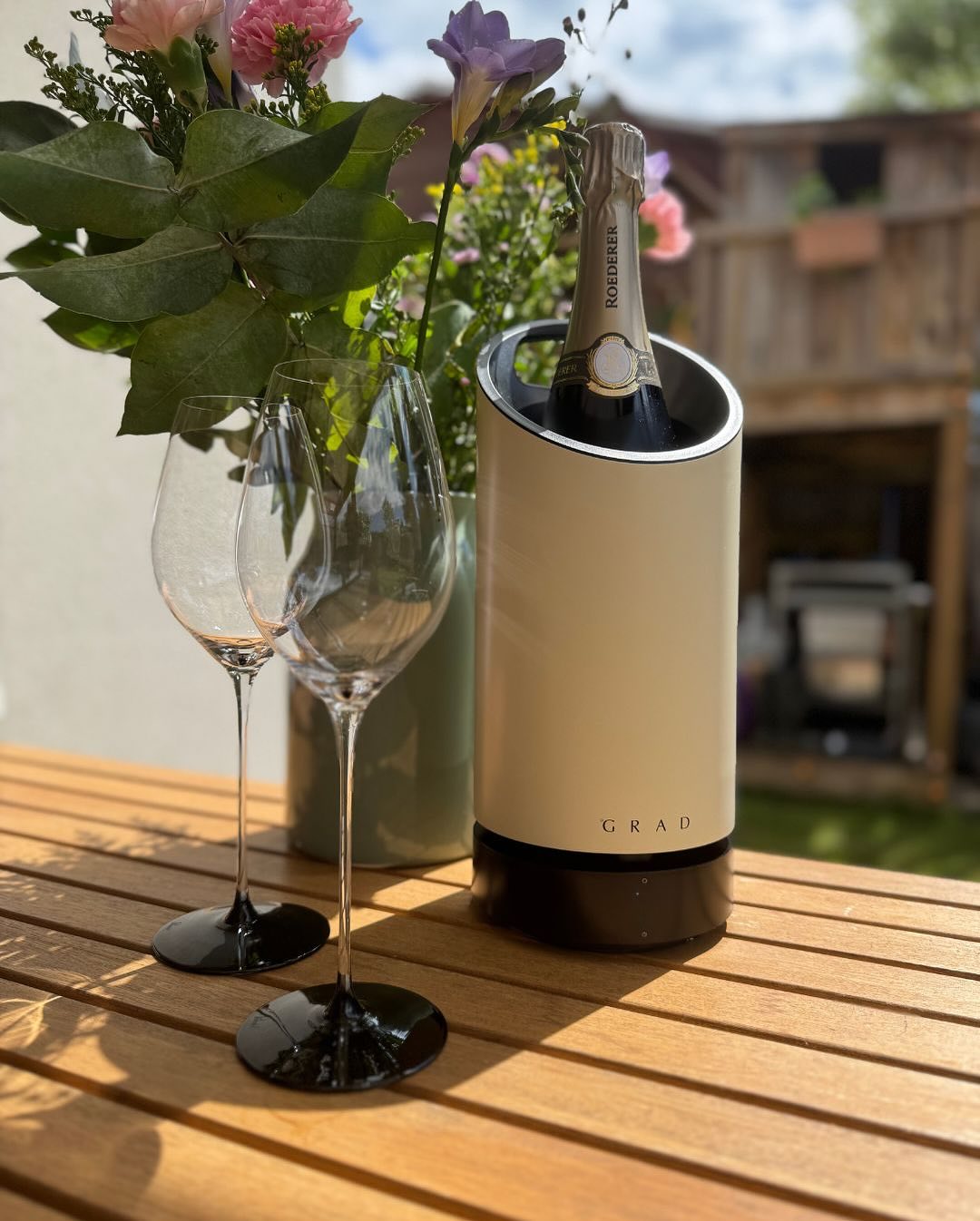
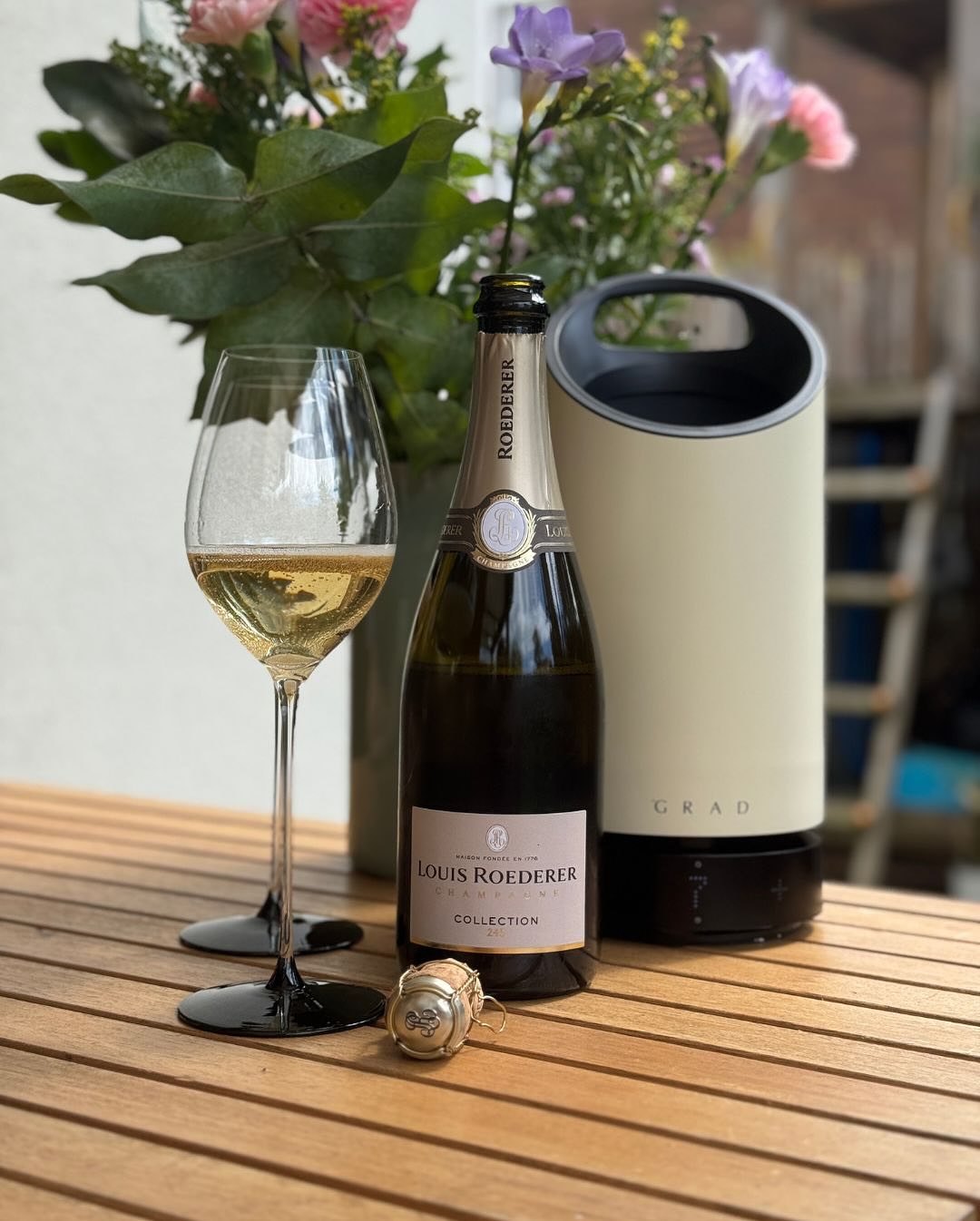
the_champagne.guy Am späten Sonntagvormittag eine Flasche @louisroederer_ – Collection 245 geöffnet – draußen in der Sonne, ganz entspannt, einfach so. Getrunken aus dem @riedel_official Fatto a Mano – Black Tie – und durchgehend perfekt temperiert dank meinem @grad.dk Cooler. So kann man gemütlich genießen, ohne sich ständig Gedanken um die Temperatur machen zu müssen ❄️❄️❄️ Die Collection-Linie von Roederer bringt jedes Jahr aufs Neue Charakter und Klarheit ins Glas. Die 245 basiert auf dem Jahrgang 2020, ergänzt durch über 30 % Réserveweine – ein Drittel davon aus dem Solera-ähnlichen Réserve Perpétuelle-System. ✨ Fakten: 🍇 41 % Chardonnay 🍇 33 % Pinot Noir 🍇 26 % Meunier 📦 34 % Réserve Perpétuelle + 10 % fassgereifte Reserveweine 📆 Dégorgiert 2023 📉 Dosage: 7 g/l 🍋 Aromen: weiße Blüten, Zitronenzeste, Birne, Salzmandel, feine Reife Ein Champagner, der mit Ruhe und Tiefe überzeugt – ein idealer Begleiter für diesen stillen, besonderen Tag, und wenn ich ehrlich bin, mein liebstes der „großen Häuser“. #TheChampagneGuy @jblfizz @maxiriedel #LouisRoederer #Collection245 #ChampagneTime #Muttertag #RiedelBlackTie #gradcooler #ChampagneExperience
Auf Instagram weiterlesen →Base 2020, identical assemblage as Collection 244. 34% Réserve Perpétuelle plus 10% barrel-aged reserve wines, disgorged 2023. White flowers, lemon zest, pear, salted almond, fine ripeness. More calm and depth than 244, the 2020 vintage shows its own character.
41% Chardonnay / 33% Pinot Noir / 26% Meunier · 7 g/l Dosage · Base 2020
Vintage 2016
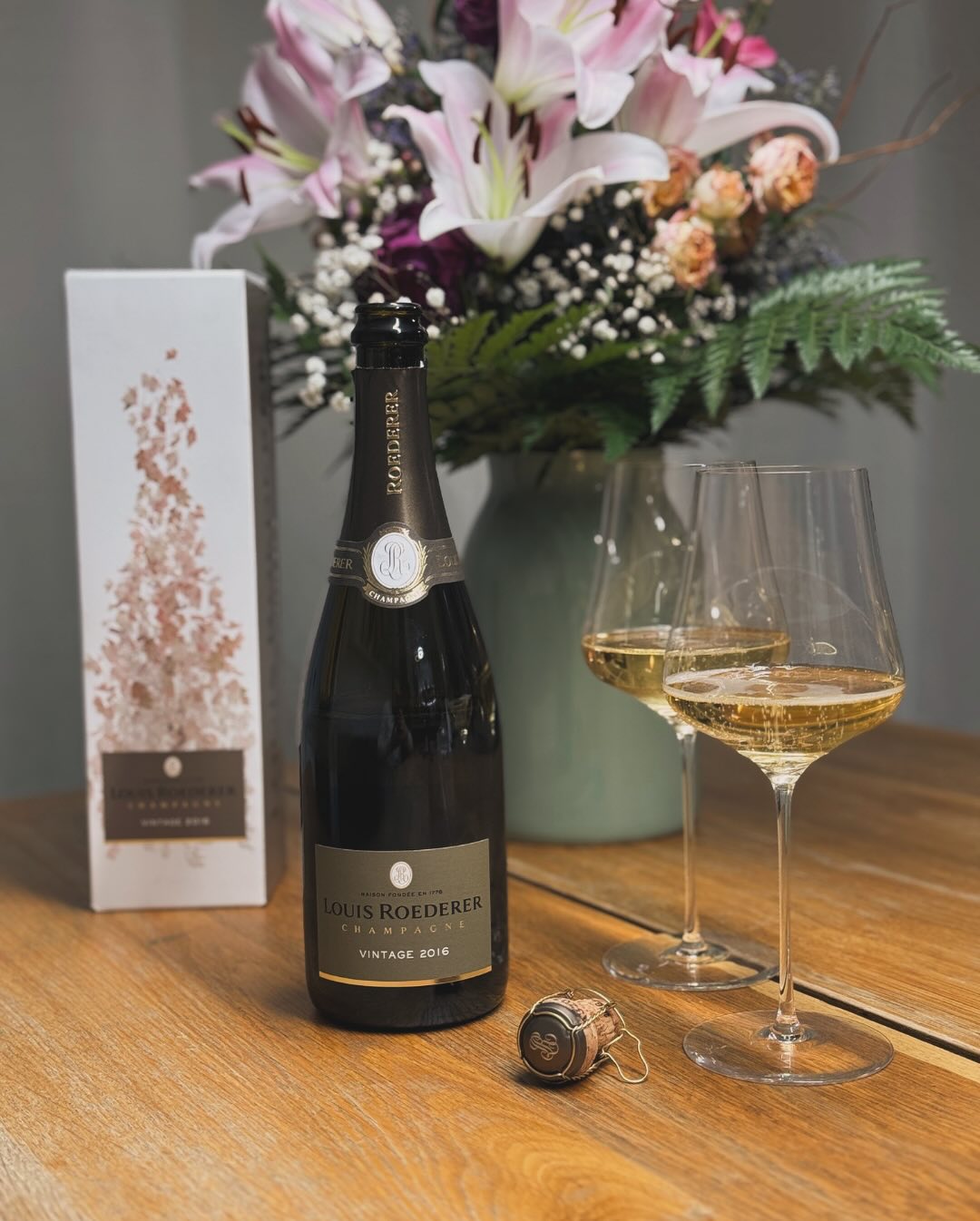
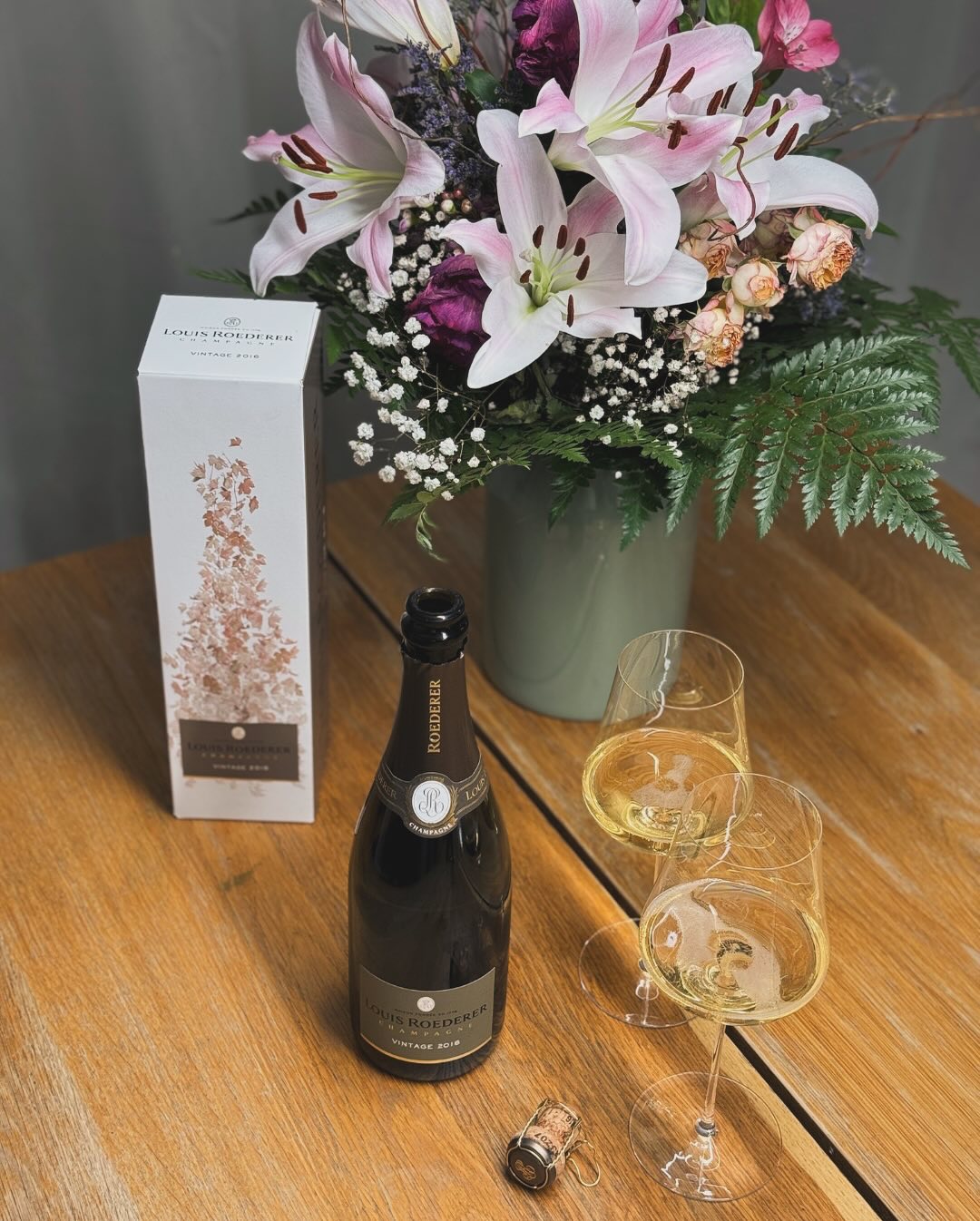
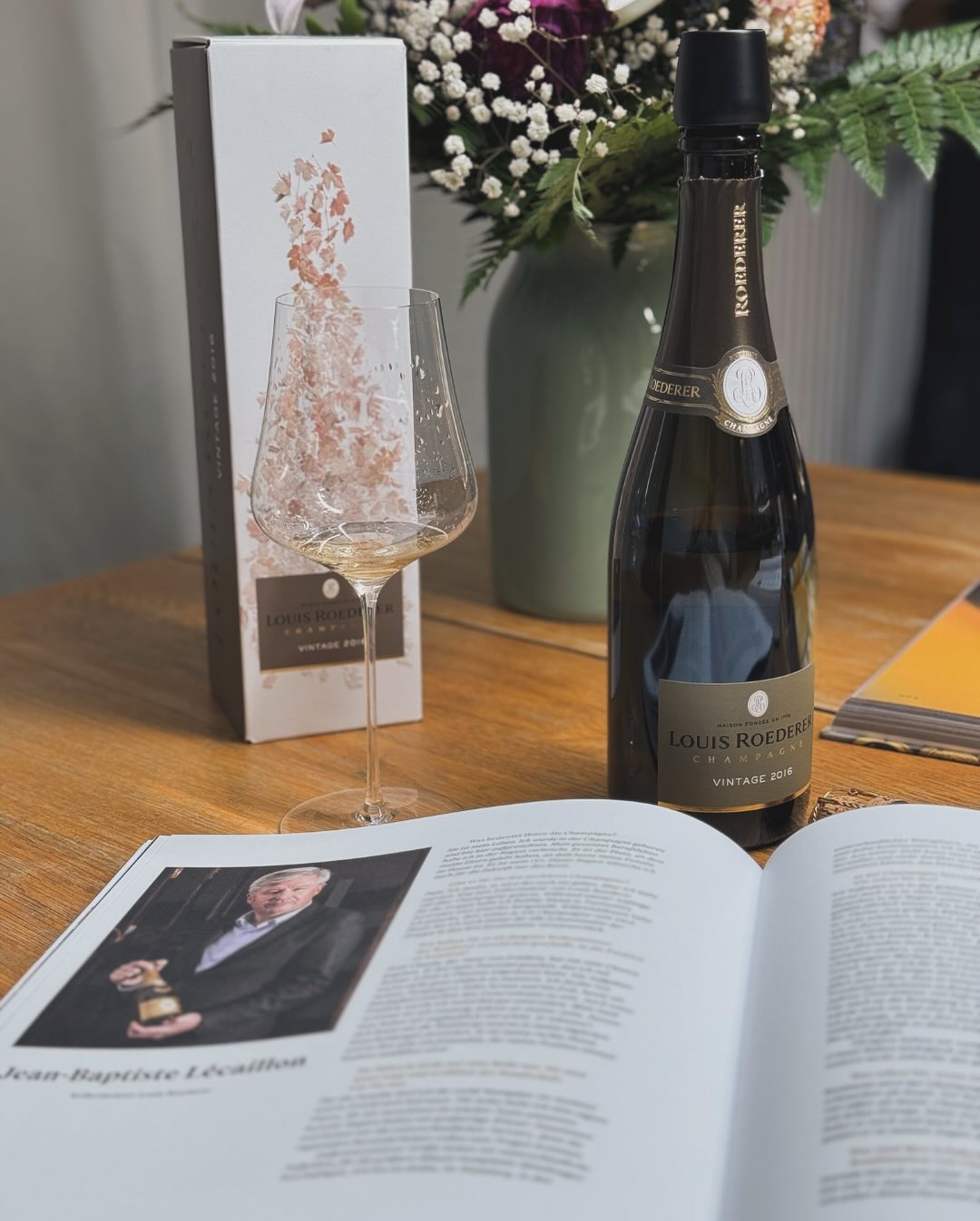
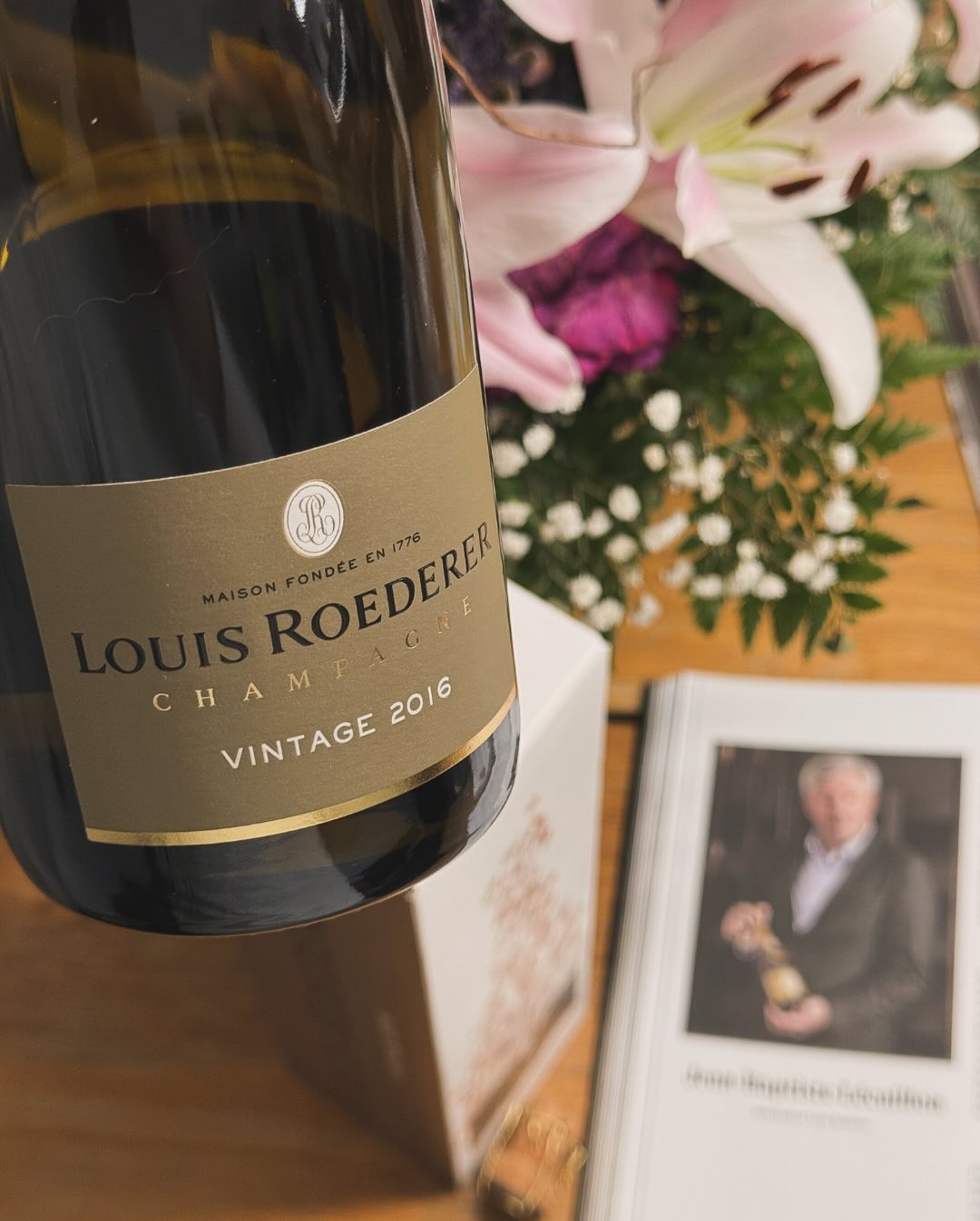
the_champagne.guy Nachdem ich bisher von @louisroederer_ nur die Collection 242 und 243 probiert hatte war es an der Zeit, tiefer in Roederers Stil einzutauchen – mit Vintage 2016. Schon der erste Schluck zeigt: Das hier ist eine andere Liga. Verkostungseindrücke: 🔸 Reife gelbe Früchte, geröstete Mandeln & Honig 🔸 Tiefgründig & strukturiert, mit lebendiger Frische 🔸 Cremige Textur mit eleganter, anhaltender Perlage 🔸 Langes, präzises Finish mit salziger Mineralität Was steckt dahinter? 🍇 Pinot Noir & Chardonnay aus eigenen Grand- & Premier-Cru-Lagen 🔹 2016 – ein herausforderndes Jahr mit kühlem Frühling & heißem Sommer → Ergebnis: perfekte Balance aus Reife & Spannung 🔹 Teilweise im Holz ausgebaut für zusätzliche Tiefe 🔹 Dosage: 7-8 g/l – klassisch Roederer, um die Eleganz zu erhalten 📖 Was macht Roederer so besonders? 150 der 240 Hektar eigenen Weinberge werden mittlerweile biologisch bewirtschaftet. Das ist ein echtes Statement, denn kaum ein anderes großes Champagnerhaus setzt so konsequent auf nachhaltigen Anbau. Hab ich zumindest im Buch von @peter_jauch_official gelesen 🤓 ✔ Lange Fermentation für mehr Struktur ✔ Moderate Dosage für Balance zwischen Frische & Tiefe ✔ Holzausbau & parzellenweise Vinifikation für zusätzliche Komplexität 💡 „Der Vintage ist die Brücke zwischen der Collection-Serie und Cristal. Mehr Struktur, mehr Tiefe, aber weiterhin dieser unverkennbare Roederer-Stil.“ – Jean-Baptiste Lécaillon - @jblfizz 📌 Fazit Dieser Vintage setzt dem, was ich bisher von Roederer probiert habe, die Krone auf. Er zeigt eine andere Facette als die Collection-Serie – mehr Tiefe, mehr Ausdruck, aber trotzdem mit der typischen Roederer-Präzision. ✨ Next Stop – Cristal? ✨ ❓ Hast du schon mal einen Vintage von Roederer probiert? Falls ja, welcher war dein Favorit? Und wie groß ist der Schritt zum Cristal? #LouisRoederer @slp_insta @gabriel_glas #Vintage2016 #Champagne #TheChampagneGuy #ChampagnerLeben
Auf Instagram weiterlesen →60% Pinot Noir, 40% Chardonnay from Grand Cru and Premier Cru sites, partially aged in wood. Ripe yellow fruits, roasted almonds, honey. Profound, structured, with creamy texture and salty minerality. 2016 was a year with cool spring and hot summer, the tension between ripeness and freshness is clearly perceptible.
60% Pinot Noir / 40% Chardonnay · 7.5 g/l Dosage · Vintage 2016 · Grand Cru & Premier Cru
Cristal 2015
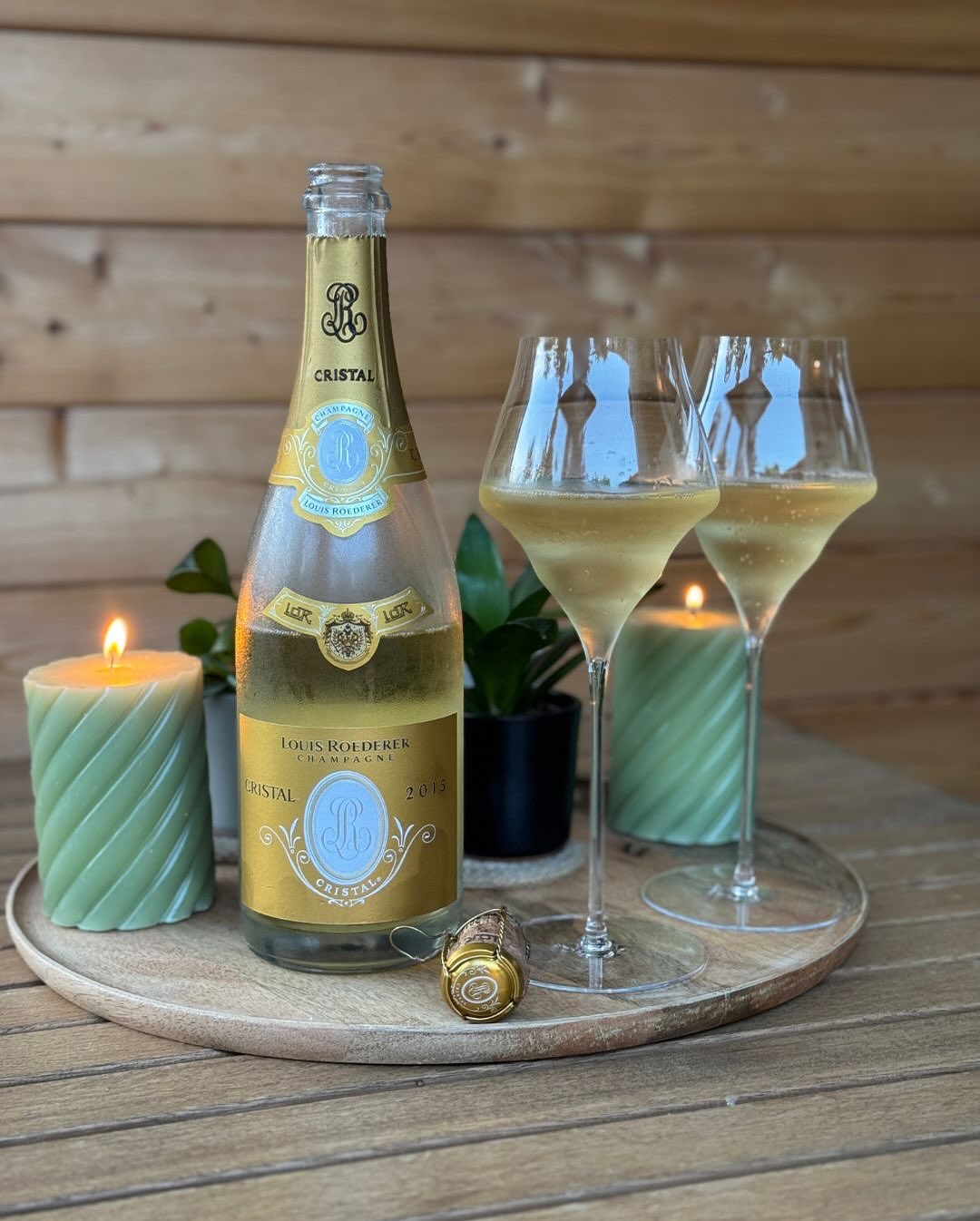
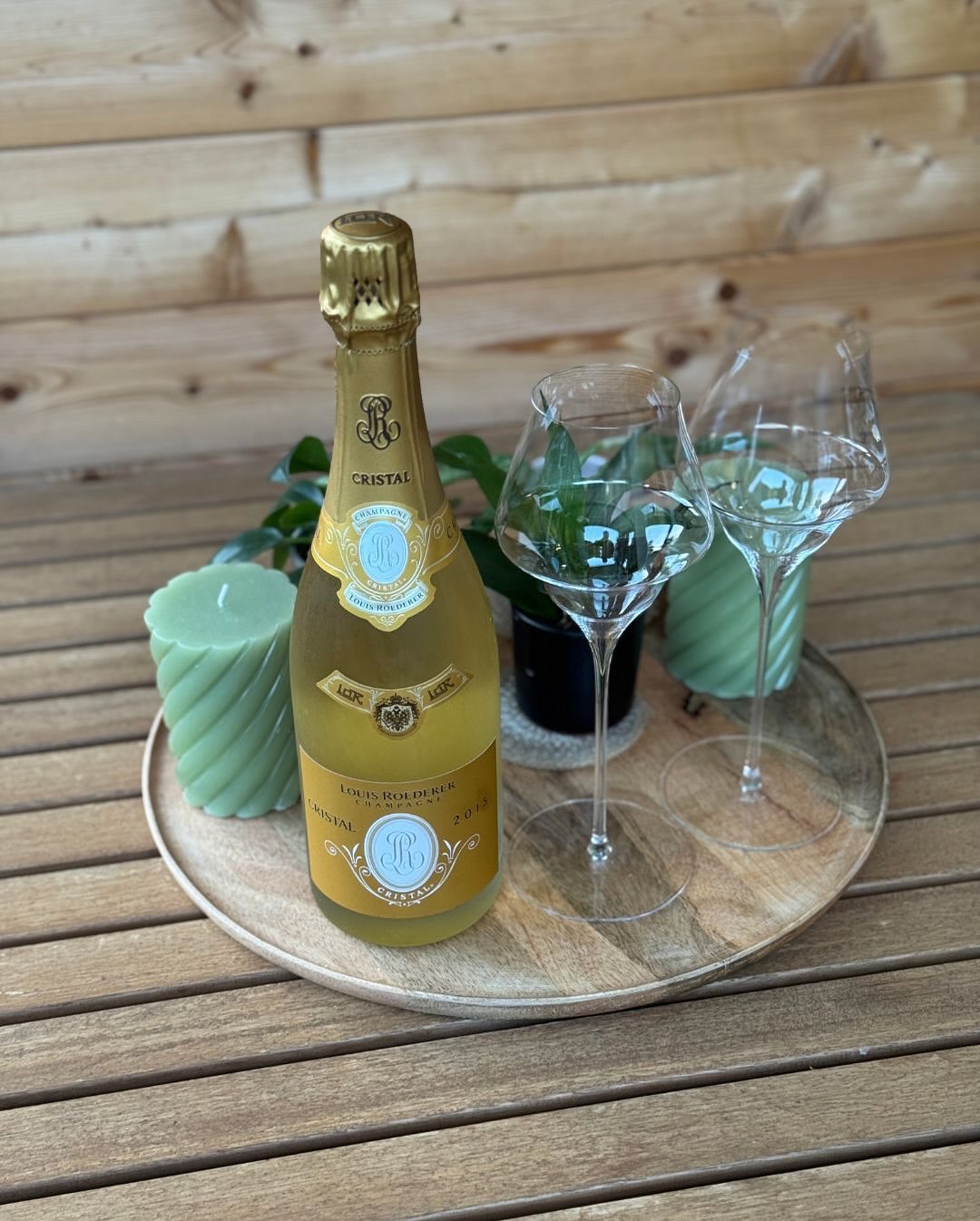
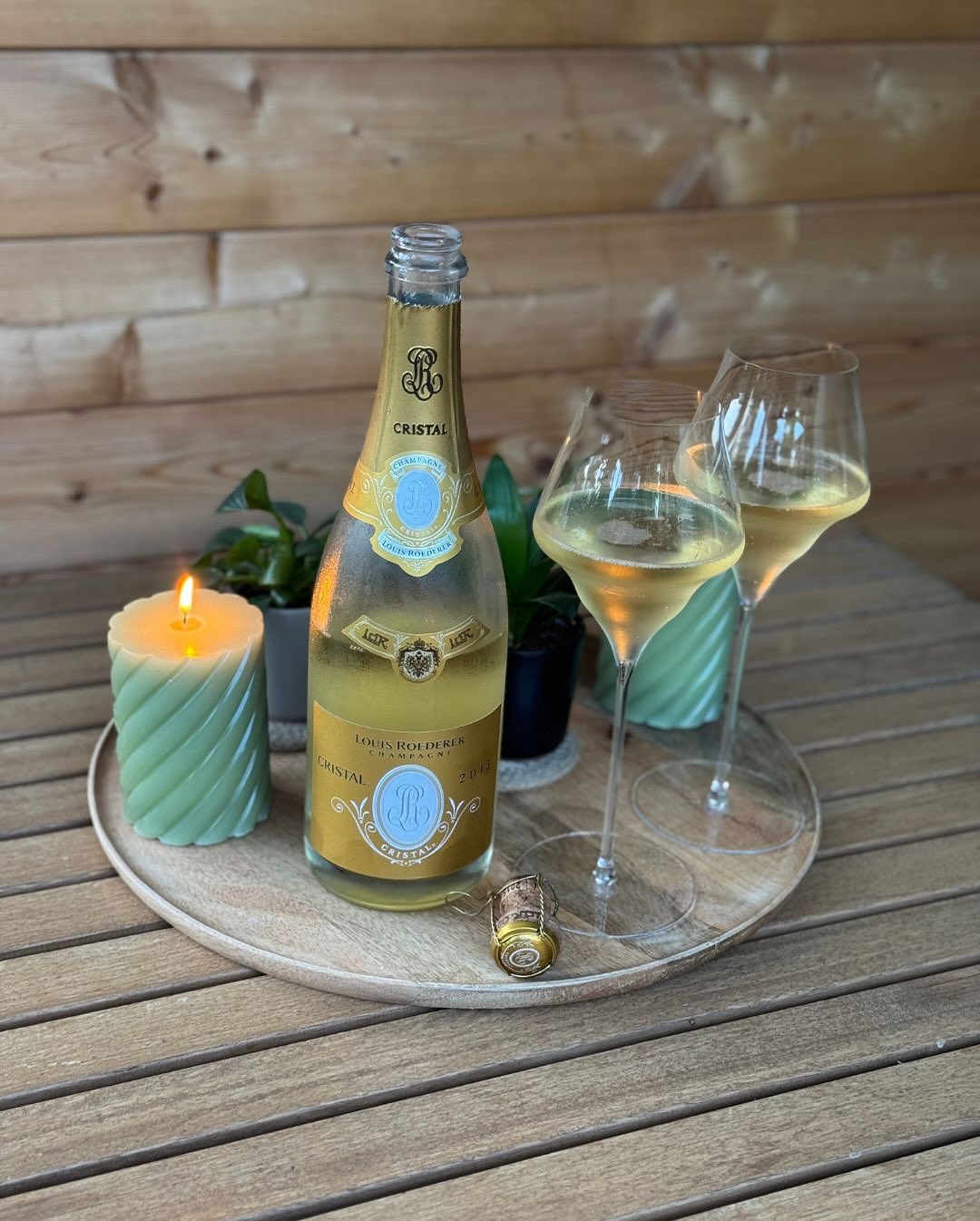
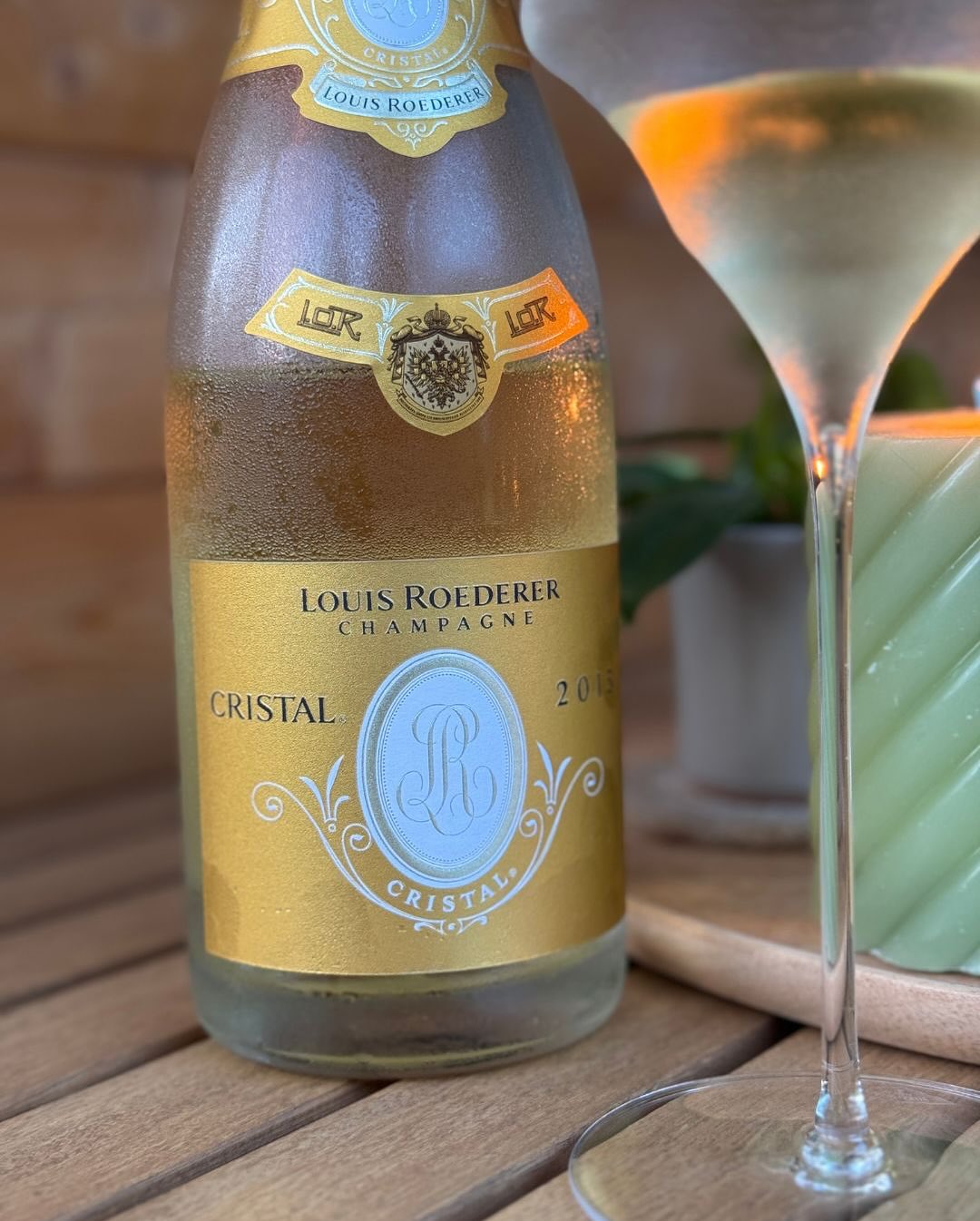
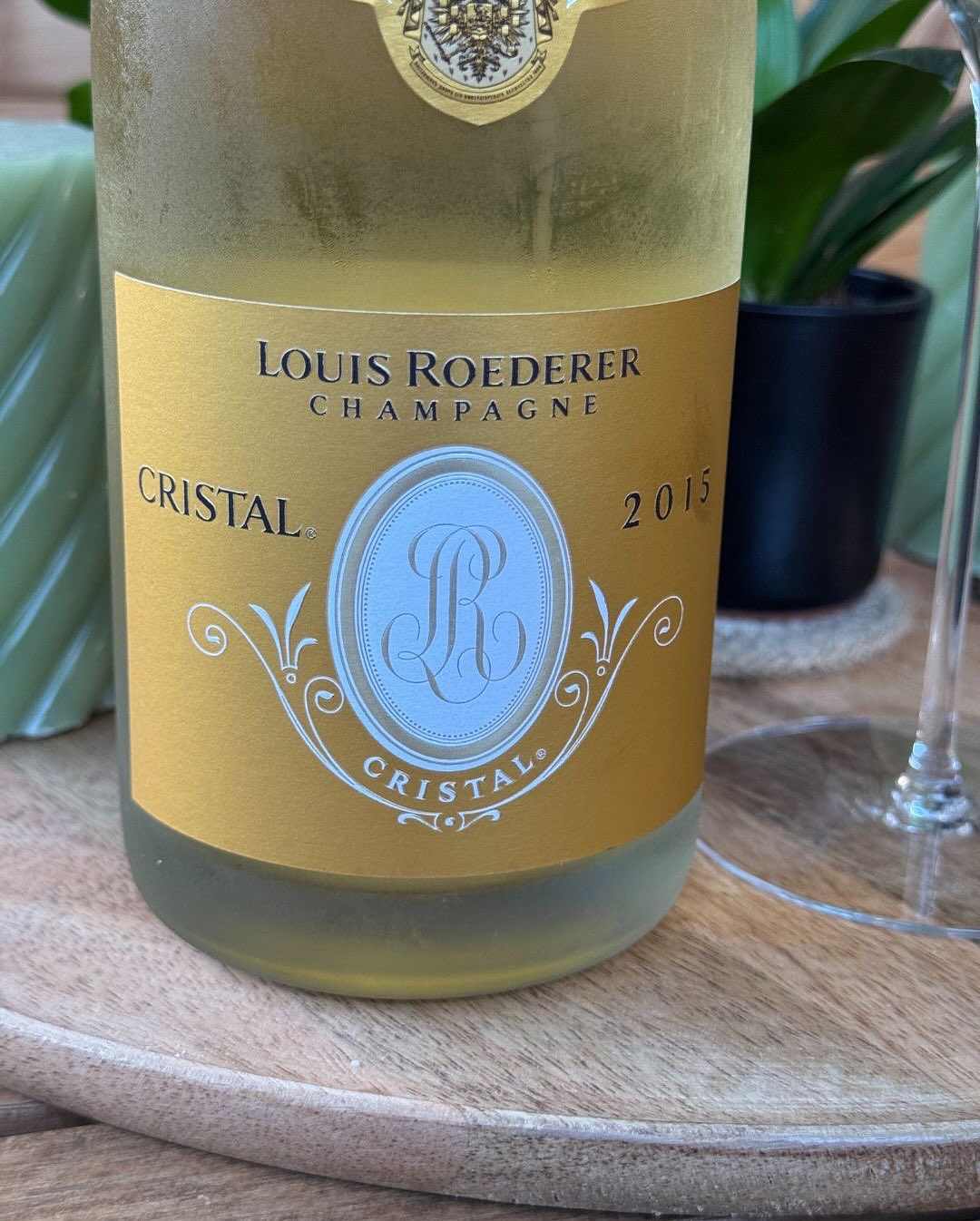
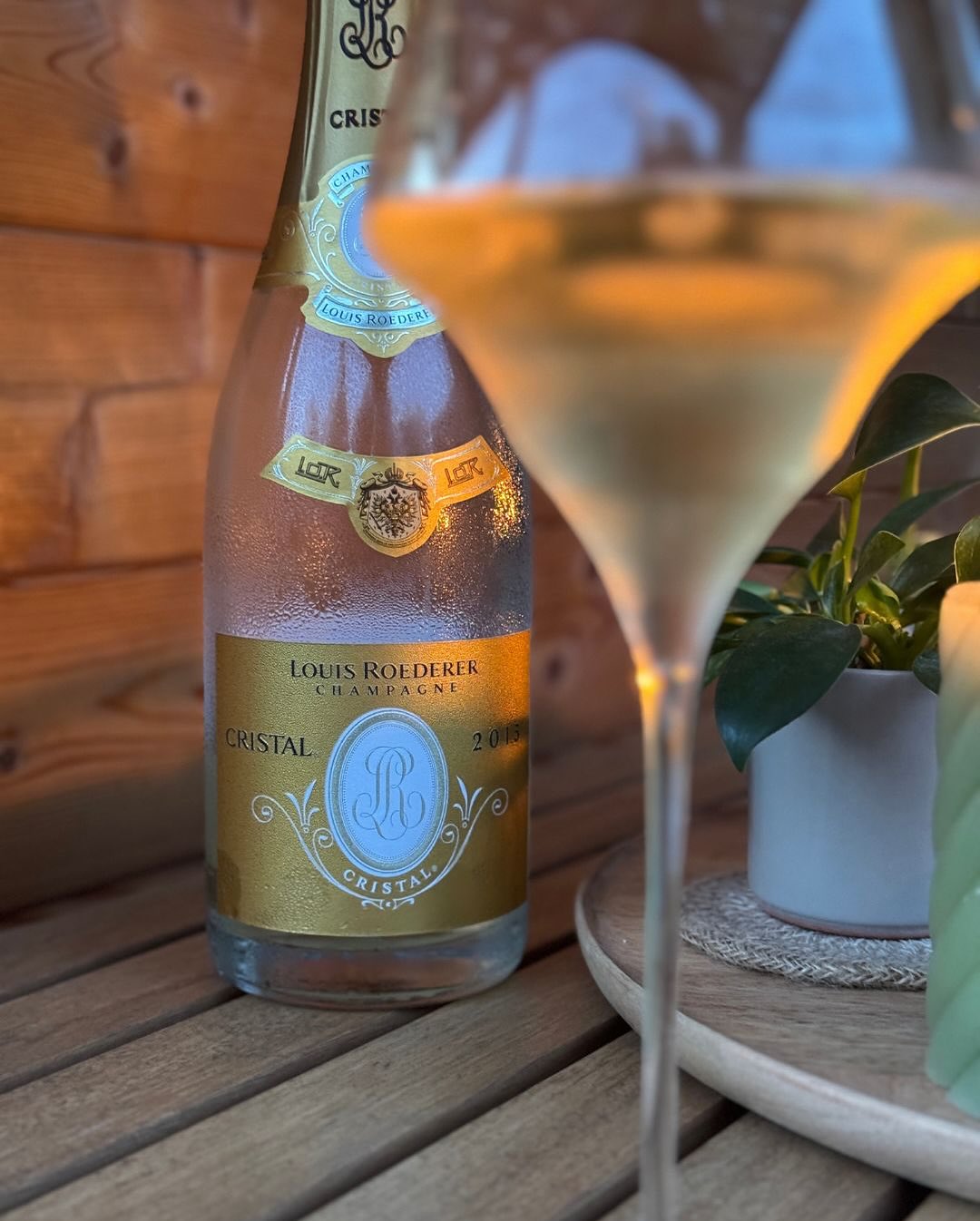
the_champagne.guy Vier Monaten lang lag er im Kühler. Immer wieder hab ich überlegt: Ein Geburtstag? Ein Hochzeitstag? Ein besonderer Erfolg? Aber irgendwie war dieser ganz normale Mittwochabend gestern… der richtige Moment. 😄 @louisroederer_ – Cristal 2015 Ein Champagner, der kein großes Intro braucht. Die Kinder schlafen auswärts. Der Garten gehört uns. Und manchmal reicht genau das – um eine besondere Flasche zu öffnen. Im @josephinenhutte No. 4 serviert – ein Glas, das dem Wein Luft und Raum gibt. Kein Zufall, sondern Absicht. Denn der Cristal wirkt umfangreich mineralisch, tief, zitrisch – mit salziger Energie, feinen Gewürzen und einer seidigen Länge. Eleganz, Kraft und Präzision in vollendeter Balance. 📍 60 % Pinot Noir, 40 % Chardonnay 📆 2015 – ein heißer, trockener Jahrgang mit straffer Struktur 🧊 Serviert bei ca. 10–11 °C – nicht zu kalt, um seine Tiefe zu zeigen 🪵 Ausbau teilweise im Holz, kein biologischer Säureabbau ⏳ Reifepotenzial: Jahrzehnte – aber heute war der richtige Tag. Cristal ist ein Champagner zum ganz bewussten Genuss - nicht weil diese Flasche wirklich deutlich besser schmeckt als vieles andere was ich bereits probiert habe, sondern einfach weil’s ein Roederer ist. #TheChampagneGuy @jblfizz #Cristal2015 #LouisRoederer #QuietLuxury #ChampagnerImGarten #NoOccasionNeeded #PinotChardonnay #GrandVinDeChampagne #FeierabendMitStil #Josephinenhütte #ChampagneMoments
Auf Instagram weiterlesen →60% Pinot Noir, 40% Chardonnay, partially aged in wood, no malolactic fermentation. Extensively mineral, deep, citrusy with salty energy, fine spices, and silky length. 2015 was hot and dry, the taut structure balances the ripeness. Serving temperature 10-11°C to not mask the precision.
60% Pinot Noir / 40% Chardonnay · Vintage 2015 · Grand Cru & Premier Cru
Hommage à Camille: Les Volibarts
100% Chardonnay from the 0.55-hectare Les Volibarts parcel in Mesnil-sur-Oger, southeast exposure, organic farming. Aging on lees in clay, stainless steel, and wood vessels without grape separation, after 12 months assemblage of the three vessels. Only produced in years of full ripeness, a tribute to Camille Olry-Roederer and her vision of parcel-precise work.
100% Chardonnay · 12 months aging · Mesnil-sur-Oger, Les Volibarts parcel (0.55 ha)
Hommage à Camille: Milnon
Red wine from the Climat Milnon, organic farming. The vines were planted in 2009 with massal selection from their own domain. Limited edition, vinified parcel by parcel. A still wine that shows the depth and precision of the house even outside the champagne categories.
Climat Milnon · massal selection 2009 · Organic
My Tastings
- Collection 244 (2019) · 2025-09-02
- Cristal 2015 (2015) · 2025-07-24
- Collection 245 (2020) · 2025-05-13
- Vintage 2016 (2016) · 2025-02-18
- Collection 244 · 2024-12-26
Facts
| Address | 21 Bd Lundy, 51100 Reims |
|---|---|
| Category | NM |
| Leadership | Frédéric Rouzaud (7th generation) |
| Vineyard area | 240 ha (150 ha organic) |
| Sites | Aÿ, Avize, Cramant, Mesnil-sur-Oger, Oger, Mareuil-sur-Aÿ, Dizy, Cumières |
| Certification | AB (organic farming) |
| Website | champagne-roederer.com |
| @louisroederer_ | |
| Phone | +33 3 26 40 42 11 |
Sources for this portrait: Maison website, my own tastings, CRM data, and cross-checks. Fields without sufficient verification remain open.