As The Champagne Guy, I continuously experience those magical moments when the first sip of a great champagne reveals an entire palette of spicy notes. A hint of white pepper, a warm vanilla tone, the sharpness of fresh ginger, or the exotic sweetness of cinnamon and cloves – spicy aromas give champagne impressive complexity and depth.
The Art of Spice: Where Do These Fascinating Notes Come From?
Spicy aromas in champagne are not left to chance. They arise through a fascinating interplay of various factors that I have studied and tasted over the years.
Pinot Noir: The Spicy Character
Pinot Noir is the true king of spicy notes in Champagne. This noble grape variety naturally brings pronounced pepperiness with it. When I taste a champagne with a high Pinot Noir content, I immediately recognize this characteristic note of white pepper that elegantly spreads across the palate.
Particularly in the southern slopes of the Montagne de Reims, where Pinot Noir thrives on chalky soils, the grape variety develops these spicy nuances especially intensely. The cooler temperatures and longer ripening time further enhance this aromatic profile.
Oak Aging: Vanilla and Cinnamon from the Barrel
When champagne producers age their base wines in oak barrels, something magical happens. The vanilla aromas arise from the lignins in the oak wood, while cinnamon notes develop from the tannins. I have found that French oak produces particularly elegant, fine vanilla notes, while American oak imparts stronger, sweeter aromas.
Maturity: Ginger and Complex Spice Notes
With increasing bottle aging, champagne develops increasingly complex aromas through autolysis – the dissolution of the yeast. Ginger notes often emerge after several years of aging, when the fruity primary aromas transform into spicier secondary aromas. This transformation is particularly observable in reserve champagnes and vintage cuvées.
Fûts de Chêne: The Influence of Oak on Spice Aromas
Aging in oak barrels is an art in itself. Not all champagne houses rely on this traditional method, but those that do create true aromatic wonders.
Toasting Makes the Difference
Depending on the toast level of the oak, different spicy notes emerge. Lightly toasted barrels produce fine vanilla and coconut nuances, while more heavily toasted barrels develop intense cinnamon, clove, and even allspice aromas. I have learned to recognize and appreciate these subtle differences.
New versus Old Barrels
New oak barrels impart significantly more spicy aromas than previously used ones. Experienced cellar masters skillfully use this fact and blend wines from new and old barrels to achieve the perfect balance.
Champagne Legends: Concrete Examples of Spicy Masterpieces
Krug Grande Cuvée: The Spicy Icon
The Krug Grande Cuvée is, for me, the prime example of spicy complexity. The use of over 120 different wines from at least ten vintages, combined with partial aging in small oak barrels, creates a unique aromatic profile. Here I find notes of white pepper, ginger, vanilla, and even hints of exotic spices like cardamom.
Bollinger Grande Année: Power and Spice
Bollinger is known for traditional aging in old oak barrels. The Grande Année shows this spicy signature particularly impressively. The high Pinot Noir content brings peppery notes, while barrel aging contributes warm vanilla and cinnamon tones. A champagne that combines power with elegance.
Dom Pérignon: Subtle Spice Harmony
Dom Pérignon also surprises with spicy facets, especially in mature vintages. Here, fine ginger and clove aromas develop over the years, giving the champagne an additional dimension.
Selosse Substance: Experimental Spice
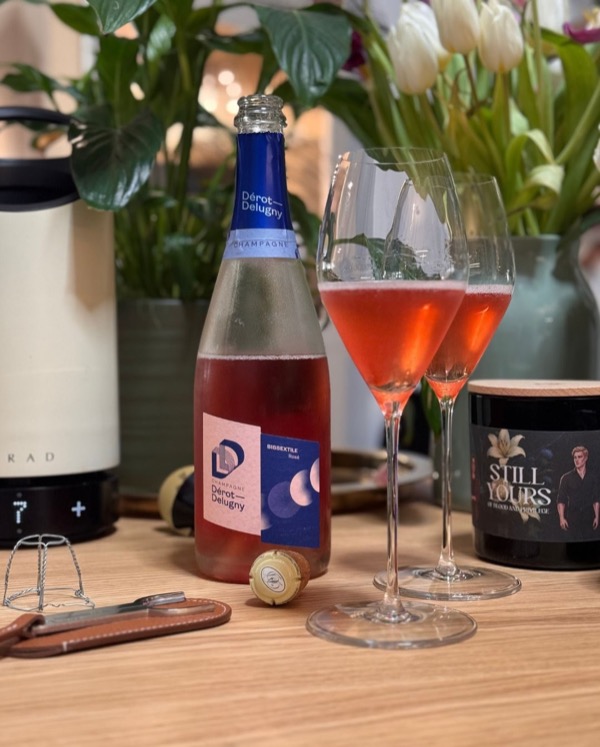
Hier habe ich einen ganz besonderen Rosé göffnet: den „Bissextile“ von @derotdelugny . Der Name ist hier Programm, denn dieser Rosé d’Assemblage…
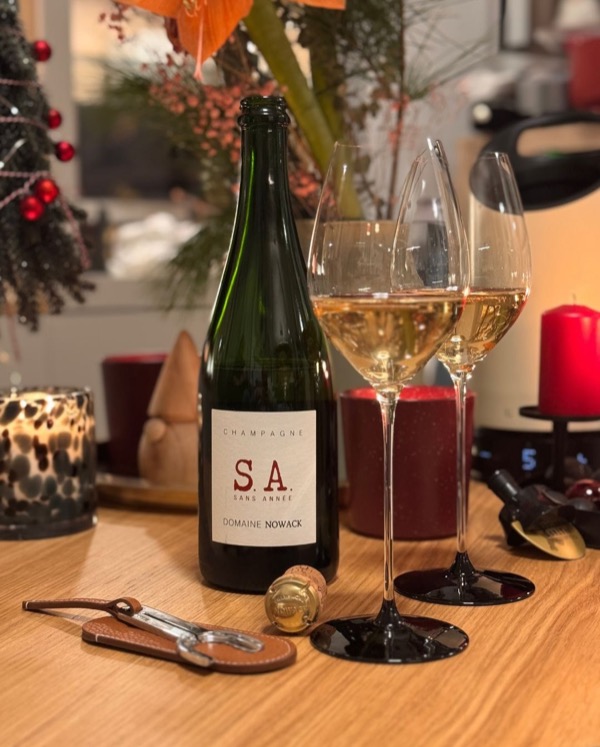
Heute kam die Flasche nicht von mir. Ich habe meist eine ziemlich klare Vorstellung davon, welche Champagner ich für welche Situation öffnen möchte.…
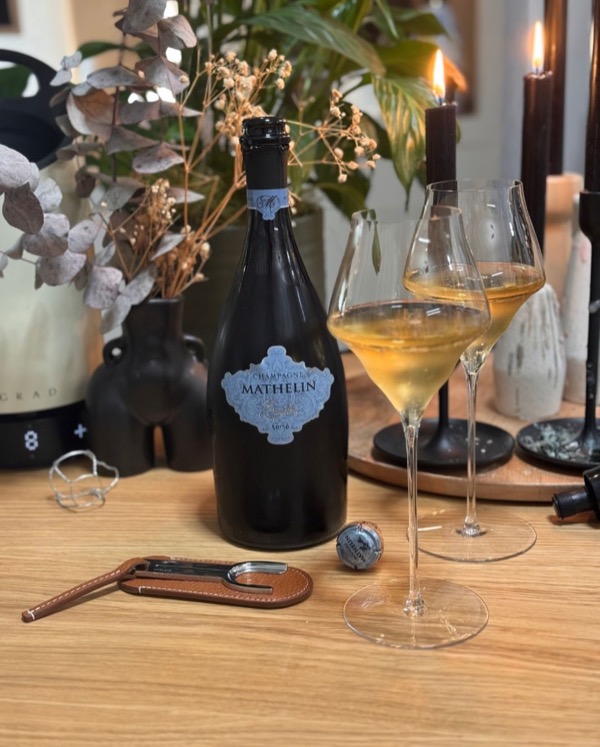
Manchmal sagt ein minimalistisches Etikett schon alles: Beim „Équilibre“ von @champagne_mathelin ist der Name absolutes Programm! Auf der Flasche…
Anselme Selosse, one of the most innovative champagne producers, creates a true aromatic wonder with his "Substance." Aging in various wood types and the use of old vines produce complex spicy notes ranging from white pepper to exotic spices.
Grape Varieties and Their Spicy Characteristics
Pinot Noir: The Spice Master
- Main aromas: White pepper, black pepper, clove
- Regional differences: Montagne de Reims (more peppery), Côte des Bar (more spicy)
- Best examples: Bollinger, Pol Roger, Gosset
Chardonnay: Subtle Spice
Chardonnay brings fewer spicy notes naturally but can develop interesting spice nuances through oak aging and skin contact:
- Vanilla and butter through oak aging
- Hazelnut and cinnamon through malolactic fermentation
- Ginger and white spices through long lees aging
Pinot Meunier: The Spicy Surprise
Often underestimated, Pinot Meunier can show surprisingly spicy facets:
- Peppery sharpness in youth
- Spice bread and gingerbread when mature
- Ginger and coriander in special sites
Perfect Food Pairings for Spicy Champagnes
Asian Cuisine: A Natural Connection
Spicy champagnes harmonize wonderfully with Asian cuisine. The peppery notes in champagne emphasize the heat of Szechuan dishes, while vanilla and cinnamon notes pair perfectly with sweet and sour sauces. I particularly recommend:
- Dim sum with a peppery Bollinger
- Thai curry with a vanilla-rich Krug
- Sushi with ginger and an aged Dom Pérignon
Mediterranean Flavors
The spicy notes also harmonize excellently with Mediterranean herbs and spices:
- Rosemary lamb with an oak-aged champagne
- Thyme chicken with a Pinot Noir-heavy champagne
- Fennel dishes with a spicy Selosse
German Cuisine Reinterpreted
Spicy champagnes also find interesting partners in German cuisine:
- Game with juniper and an aged vintage champagne
- Sauerbraten with a powerful Bollinger
- Lebkuchen with a vanilla-rich Krug
The Development of Spicy Aromas in the Glass
A fascinating aspect of spicy champagnes is their development in the glass. I recommend serving these champagnes at 8-10°C and giving them time to unfold. A GRAD cooler is ideal here – it keeps the bottle in exactly this temperature range while giving the champagne time to develop in the glass. Often the spicy notes only show in full glory after 10-15 minutes.
My Personal Tasting Notes
After hundreds of tasted champagnes, I can say: spicy notes are often the
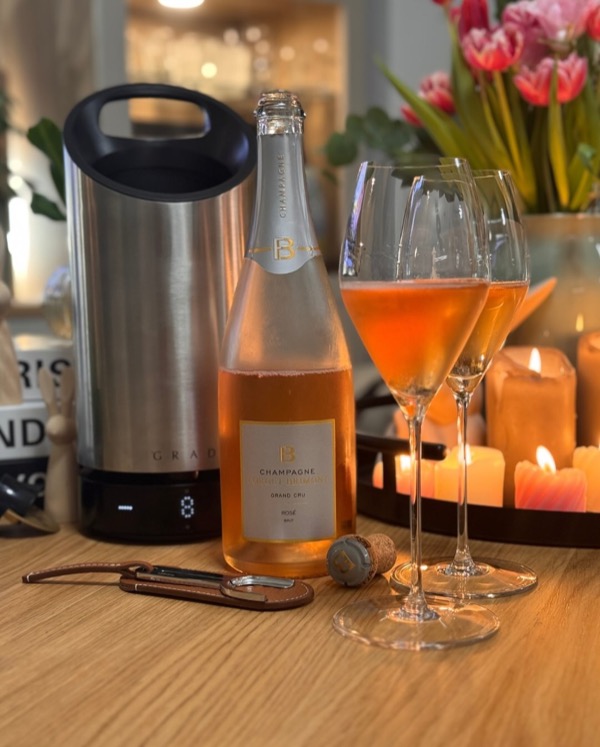
Heute gibt es mal wieder einen Rosé, der optisch und geschmacklich richtig Spaß macht: Den Brut Rosé von @champagne_forget_brimont . Wie ihr auf dem…
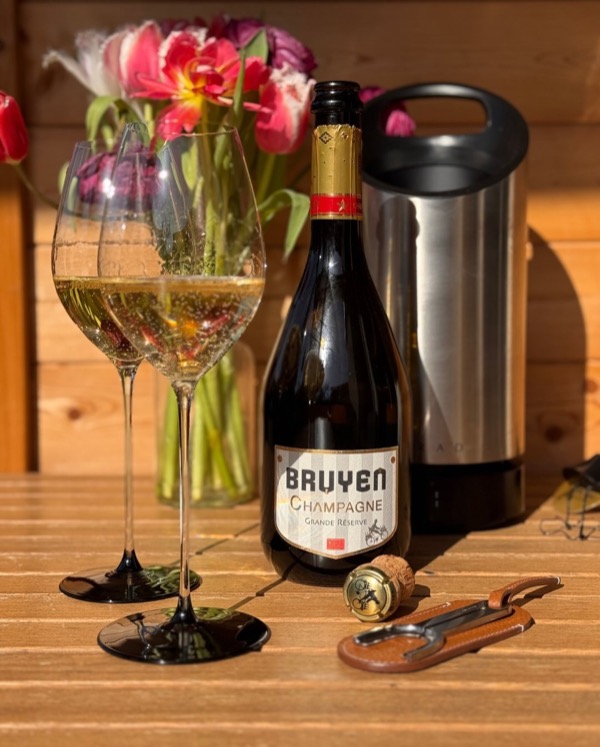
Die Terrassen-Saison für Business-Meetings ist eröffnet! ☀️🥂 Es beginnt wieder die Zeit, in der es warm genug ist, um lockere Geschäftstermine…
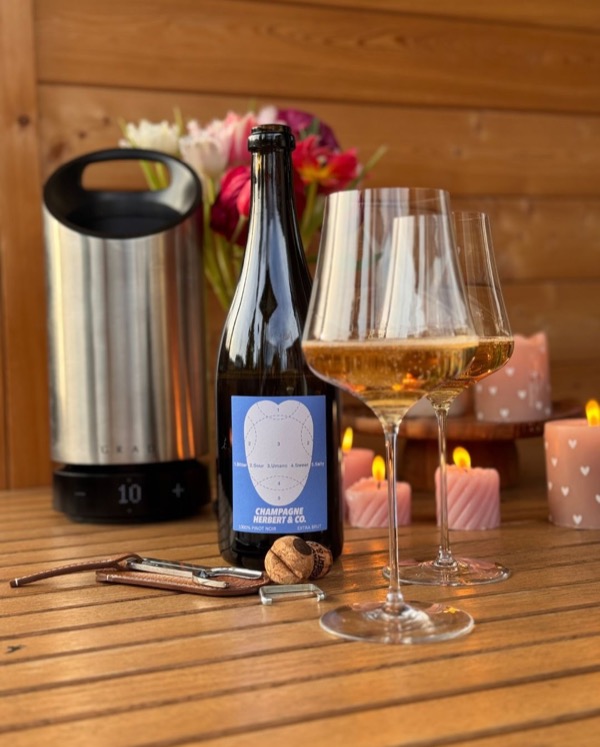
Heute gibts den 1000% Pinot Noir von @champagne_herbertandco . Von diesem kleinen, feinen Haus (geführt von @thomas___herbert und @charlottehbrt_ in…