Cool and Light
The 1980 vintage was characterized by a cool, wet summer with few hours of sunshine. Flowering was uneven, and the growing season was consistently cool. Harvest began late, in mid-October, and the grapes achieved only moderate sugar levels with high acidity. It was not a year for great wines — the base wines were lean, acid-driven, and lacked the concentration that would justify a vintage Champagne.
Character and Development
Only a few houses declared 1980 as a vintage. The Champagnes that made it to market were light, almost delicate, with an acidity that quickly became dominant. Today, over 45 years later, these bottles are rarities — not because of their quality, but because of their scarcity. Anyone who finds one experiences a piece of Champagne history, but shouldn't expect miracles.
The 1980 vintage stands as an example of the challenges that Champagne regularly faced before climate change: too little sun, too much rain, grapes that never truly ripened. In the assemblage of non-vintage Champagnes, these base wines found their place — as an acid backbone and freshness component.
No Personal Tastings Yet
I have not yet tasted any Champagne from the 1980 vintage. This is partly due to availability, partly because not every vintage comes to market as a Millésimé. Many producers use the base wines from 1980 primarily for their non-vintage assemblages — which doesn't mean the quality was poor. A vintage doesn't have to be declared as a Millésimé to be good.
Should the opportunity arise to open a 1980, this post will be supplemented with personal impressions.
Posts
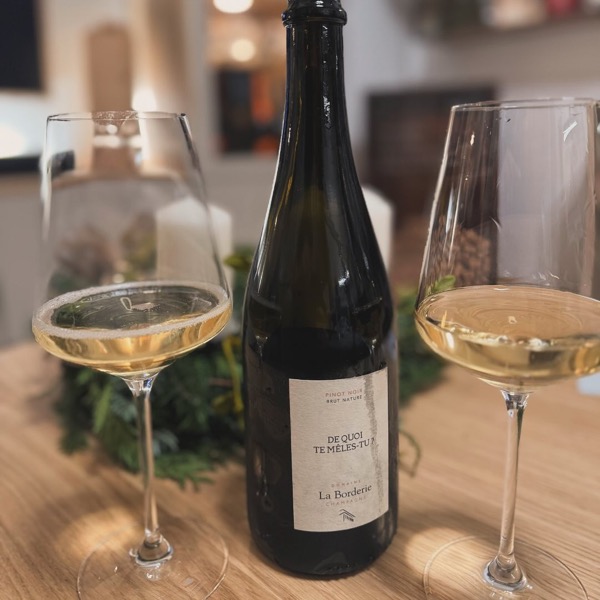
Ende November war bei uns – wie jedes Jahr – eine besonders hektische Zeit. Mitten in diesem Trubel haben meine Frau und ich diesen großartigen…
| Vintage | 1980 |
| Character | Cool and light |
| Champagnes Tasted | 0 |