Little Quantity, Much Substance
2012 is a vintage that proves quantity and quality in Champagne are often in inverse proportion to each other. The harvest was small — really small. Frost, hail, and a difficult summer drastically reduced volumes. But what remained was concentrated, intense, and full of character.
The Weather in 2012
2012 was a year of extremes. The winter was cold, with frost periods that dropped well below -10 degrees Celsius. Spring brought further challenges: late frosts in April damaged young shoots in exposed sites. Flowering in mid to late June was uneven, leading to poor fruit set and reduced yields.
Summer was moody. July alternated between warm and cool phases, August brought thunderstorms and localized hail. In some communes, hail destroyed up to 80% of the harvest. Growers were under enormous pressure.
But then came — as so often in the better Champagne vintages — salvation in September. An extended period of beautiful weather with warm, sunny days and cool nights allowed for excellent final ripening. The few remaining grapes were able to fully develop and concentrate.
Harvest began in mid to late September. Volume was low, but the quality of the fruit was excellent: concentrated, healthy, with good acidity and high extract content.
Style of the Vintage
2012 is a vintage with intensity and backbone:
- Concentrated fruit — dark citrus fruits, mandarin, blood orange
- Strong structure — tannin, extract, spine
- Good acidity — tight, but not cutting like 2008
- Mineral depth — flint, smoke, limestone
- Spicy notes — ginger, white pepper, herbs
- Good aging potential — the best will age 20-30 years
The wines have grip and substance. They challenge the palate without overwhelming it. It is the concentration that defines 2012 — the result of a small harvest where all the vine's energy flowed into few grapes.
Varietal Performance
Pinot Noir was the star of the vintage. The concentration from the small harvest particularly benefited the black grapes. The Montagne de Reims delivered material of impressive intensity — dark-fruited, structured, with real backbone.
Chardonnay also benefited from the concentration. The Côte des Blancs — less affected by hail than other regions — delivered grapes with good acidity and fine minerality. Blanc de Blancs from 2012 combine power with elegance.
Pinot Meunier had suffered severely from frost in some regions. Where the grapes survived, they showed remarkable concentration.
My Experiences with 2012
I have tasted 7 bottles from the 2012 vintage — and the vintage has consistently impressed me. The wines have a density and intensity that one doesn't experience every day.
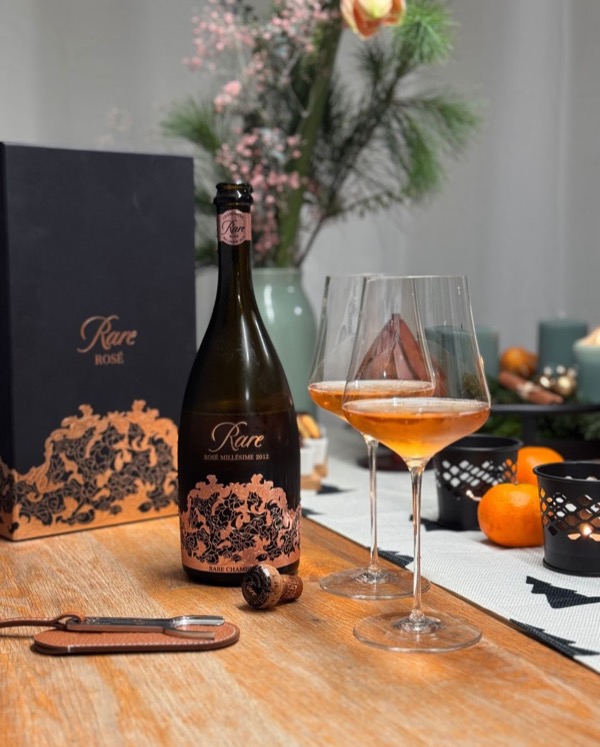
Es gibt Flaschen, die man für besondere Momente aufhebt – und sich irgendwann fragt, wann dieser Moment eigentlich sein soll. Gestern, an Nikolaus,…
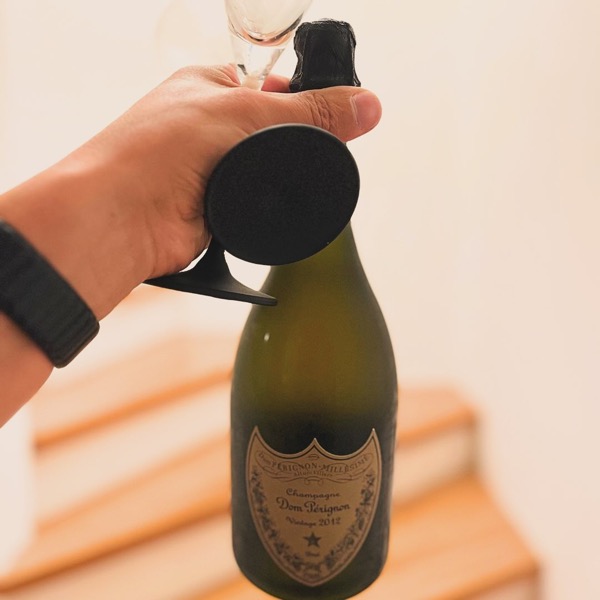
Heute geht es nicht um Verkostungsnotizen. Nicht um Rebsorten, Terroir oder Dosage. Heute geht es um einen Moment. Full House bis zum Nachmittag.…
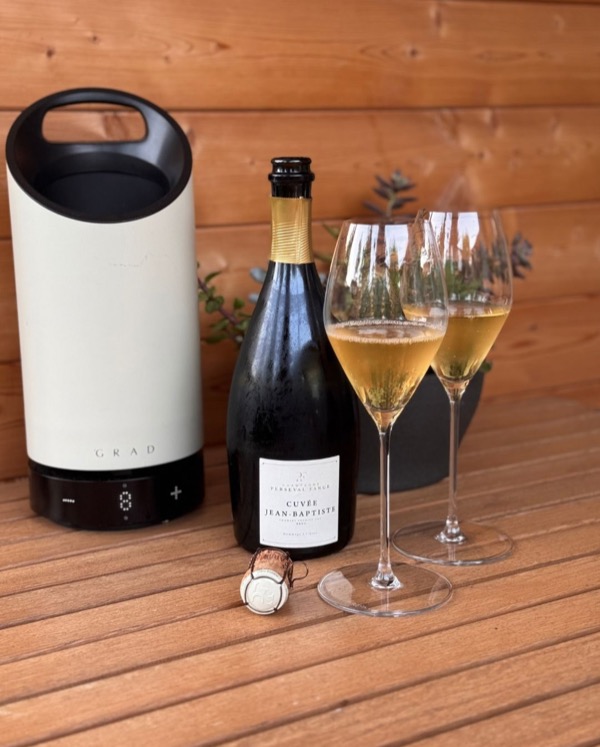
Es gibt Winzer, die arbeiten im Hintergrund – ruhig, präzise, ohne großes Marketing. Und Champagner hat ja ohnehin die schöne Eigenschaft, keine…
What makes 2012 special for me: You can taste the struggle. Not the struggle of the winemaker, but that of the vine. These grapes fought — against frost, against hail, against a moody summer. And what remained carries this story within itself. These are wines with character, with an almost tangible concentration.
The 7 tasted bottles showed remarkable consistency: All had this typical 2012 density, this combination of power and freshness. Not a single one was disappointing — for a difficult vintage like 2012, that's a real statement.
Comparison with Neighbors
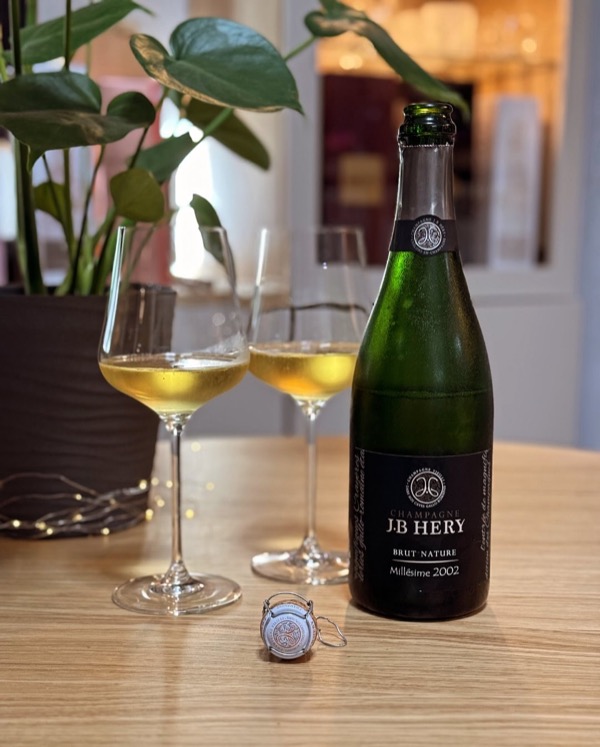
🍾 Heute im Glas: J.B Héry - Millésime 2002 - Brut Nature – ein spannender Fund aus meinem letzten Einkauf. Gerade erst frisch in den Keller…
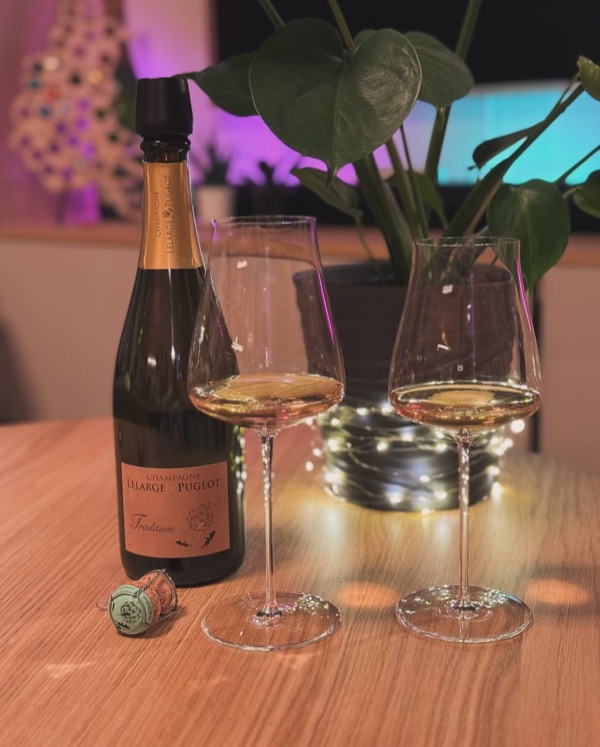
Vor über 10 Jahren habe ich im Rahmen eines Projekts für eine Weinverkostung und ein Feature in einem Print-Magazin Gläser von @eisch_glass ,…
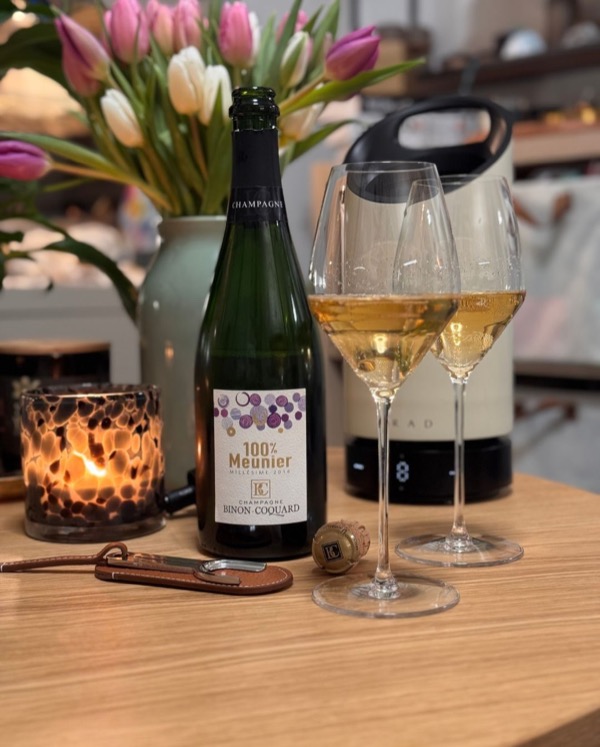
Erdbeermarmelade, Quittengelee und ein Hauch von Kakao – wer bei Meunier nur an „einfache Frucht“ denkt, sollte mal den Millésime 2016 von…
| Year | Style | Volume | Quality |
|---|---|---|---|
| 2011 | Light | Large | Medium |
| 2012 | Concentrated | Small | Good to very good |
| 2013 | Acid-driven | Small | Good (late) |
2012 and 2013 form an interesting duo: Both are the result of difficult conditions, both are concentrated and acid-driven. But where 2012 draws its power from concentration, 2013 lives from acid-driven finesse (more on this in the next article).
Prestige Cuvées
Despite — or perhaps because of — the small harvest, many houses declared a Millésime 2012. The concentration of the material was too good to pass up. Volumes were naturally limited, which has made some 2012s sought-after collector's items.
The Cuvées consistently show the vintage character: dense, structured, with a serious core and an almost tangible minerality.
Drinking Window Today
2012 champagnes are in an exciting development phase. The best are not yet at their zenith — the concentration and acidity will carry them for many more years. Secondary aromas are just beginning to show: nuts, honey, spices, candied fruits.
Those drinking now experience a champagne in transition between youth and maturity. Those who wait will be rewarded with more complexity. The best 2012s have another 10-15 years ahead of them.
Posts
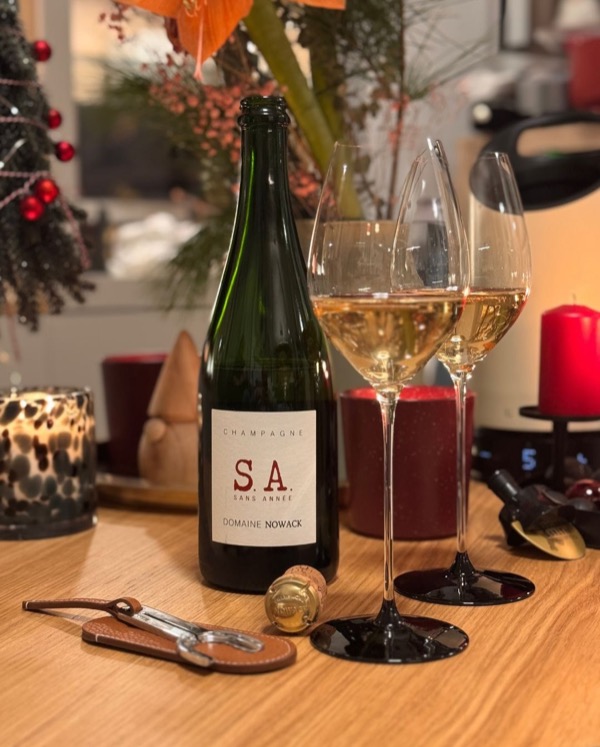
Heute kam die Flasche nicht von mir. Ich habe meist eine ziemlich klare Vorstellung davon, welche Champagner ich für welche Situation öffnen möchte.…
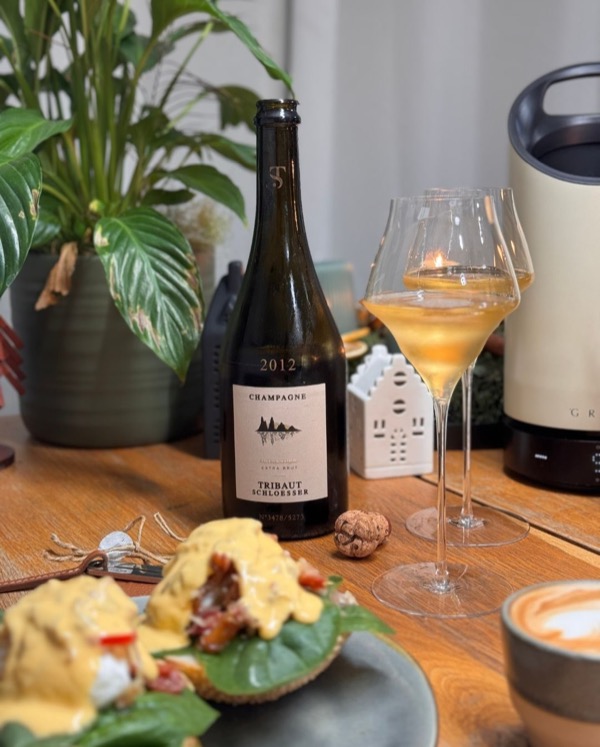
Wenn der Tag so beginnt wie heute, dann ist eigentlich alles gut :) Mit einem reichhaltigen Brunch mit der Familie und einem passenden Champagner…
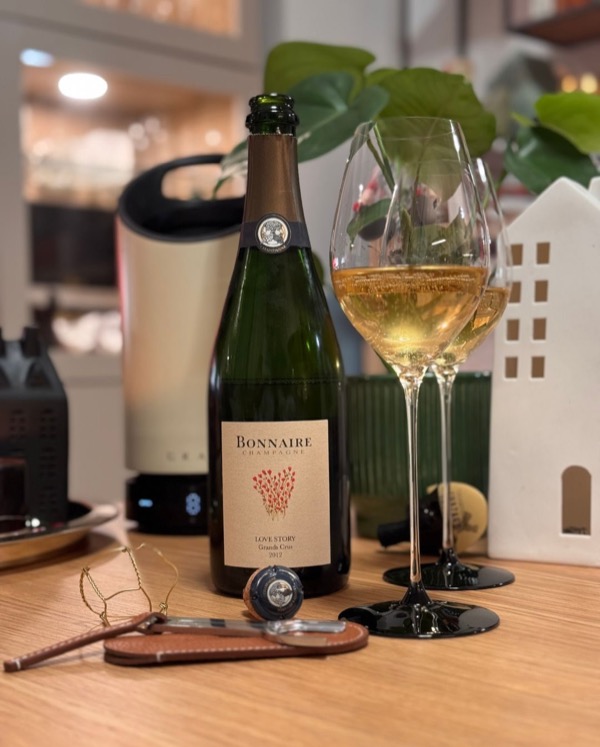
Manchmal öffnest du eine Flasche und merkst schnell: Das hier ist kein Solo-Künstler – das ist jemand, der ein Gegenüber braucht. Gestern war es…
Conclusion
2012 is a vintage that made virtue from necessity. The difficult conditions created champagnes with an intensity and substance that would never have emerged in an "easy" year. It's one of those vintages that shows great champagne doesn't arise from perfect conditions, but from the interplay of challenge and craftsmanship.