Abundant Sunshine
2015 was a hot year in Champagne — not quite as extreme as 2003, but significantly warmer than average. Summer brought long heat waves, especially in July when temperatures regularly climbed above 95°F. Drought was an issue, but timely rainfall in August prevented serious stress damage to the vines.
Flowering occurred early and evenly, raising hopes for a large, homogeneous vintage. Harvest began in the first half of September — significantly earlier than the historical average. The grapes were healthy, concentrated, and with high sugar levels. Natural acidity was moderate — lower than in cool years like 2013 or 2016, but sufficient for Champagnes with drinkability and balance.
Style of the Vintage
2015 represents a warmer, more generous Champagne style that can be polarizing. Purists who only accept Champagne as "taut and mineral" struggle with 2015. Those open to richness and fruit will find wonderful wines here.
The typical characteristics:
- Ripe fruit — Yellow apple, mirabelle plum, peach, candied citrus fruits
- Fullness — More body and volume than cooler vintages
- Soft acidity — Not a cutting acid structure, but enveloping freshness
- Accessibility — Many 2015s are immediately drinkable, without years of waiting
- Warmth — In some Champagnes you can feel the hot summer in the finish
Chardonnay and Pinot Compared
Both main grape varieties delivered excellent material in 2015, albeit with different character. Chardonnay from the Côte des Blancs preserved a certain freshness and minerality thanks to the chalk soils — the Blanc de Blancs are among the most successful Champagnes of the vintage. Pinot Noir from the Montagne de Reims was powerful and concentrated, sometimes almost too expansive. Pinot Meunier benefited from the warmth and showed lush, tropical fruit aromas.
Classification and Comparisons
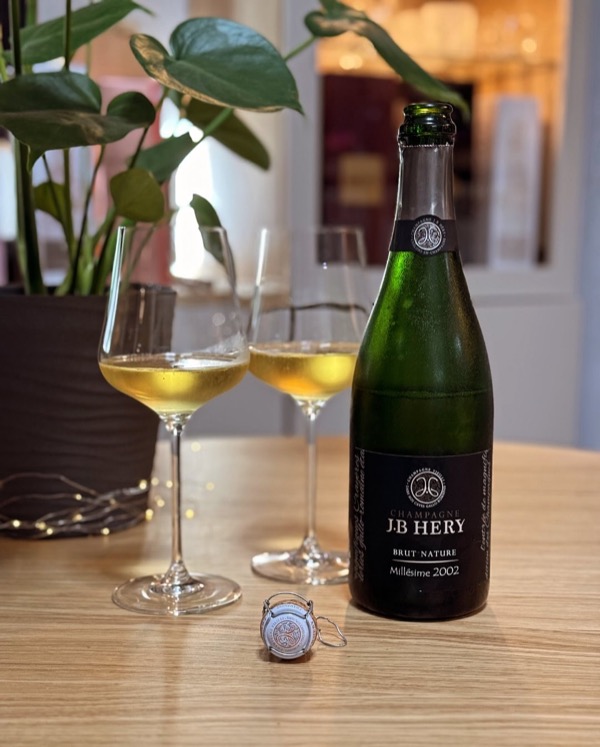
🍾 Heute im Glas: J.B Héry - Millésime 2002 - Brut Nature – ein spannender Fund aus meinem letzten Einkauf. Gerade erst frisch in den Keller…
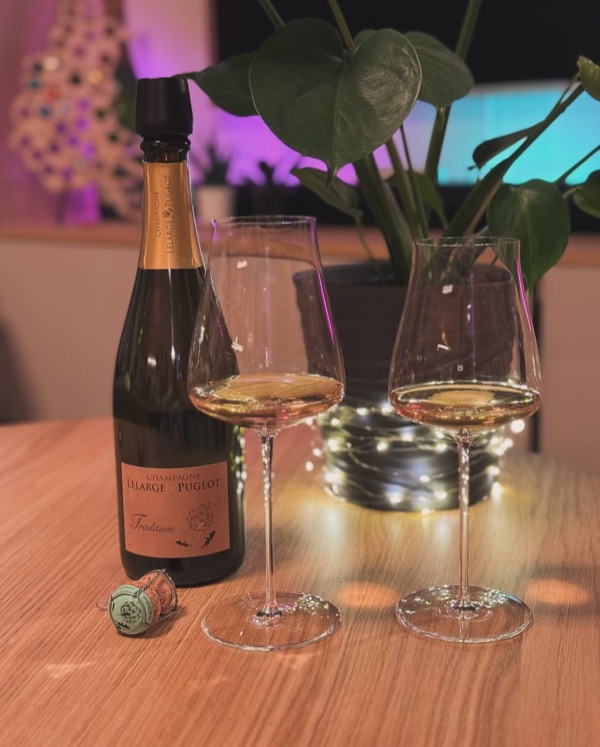
Vor über 10 Jahren habe ich im Rahmen eines Projekts für eine Weinverkostung und ein Feature in einem Print-Magazin Gläser von @eisch_glass ,…
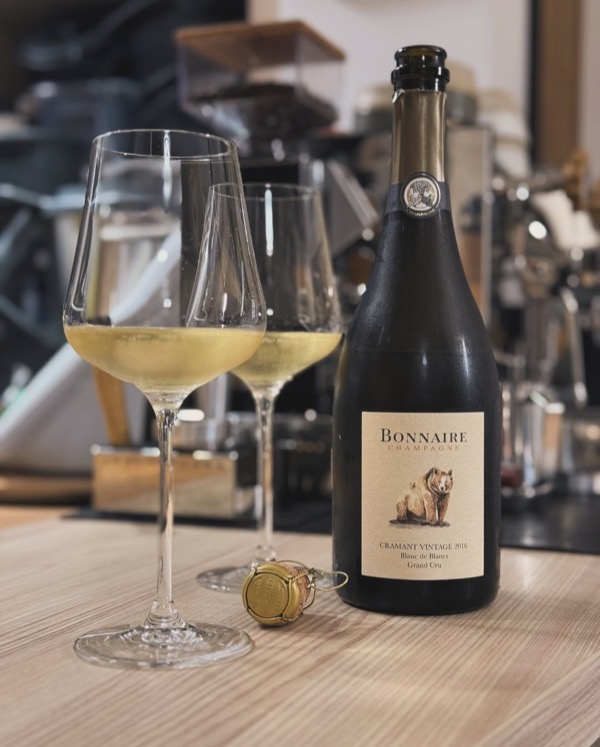
Diese Woche kam eine frische Lieferung direkt aus der Champagne bei mir an – Drei spannende Flaschen von @bonnaireclouet . Für den Auftakt habe ich…
Stylistically, 2015 aligns with 2018 and 2019 — the "warm vintages" of recent Champagne history. Compared to its immediate successor 2016 (cold, taut, mineral), 2015 is the exact opposite program. Those who taste 2015 and 2016 side by side understand what enormous influence weather has on Champagne style — the same vines, the same winemakers, but fundamentally different wines.
Compared to 2003 (the hottest year to date), 2015 is more elegant and balanced. The heat was less extreme in 2015, and the grapes had more time for even ripening. Where 2003 Champagnes sometimes seemed overripe and alcoholic, the best 2015s maintain an inner tension.
2015 is a vintage for enjoyment, not for analysis. These Champagnes are fun, they are immediate and inviting. Not every Champagne has to be an intellectual challenge — sometimes it can simply taste delicious.
My Tastings
I've had 16 Champagnes from the 2015 vintage in my glass so far — a solid basis for a well-founded assessment. The range extends from simple Brut Champagnes through Blanc de Blancs to Prestige Cuvées. What unites them all: A ripe, inviting fruit and a soft, creamy mouthfeel.
Drinking Window and Aging Potential
Most 2015s are now in an excellent drinking window. The soft acidity also means limited aging potential — unlike the taut 2016s or 2008s, which can still age for decades, 2015s should be enjoyed in the next 5-8 years. The Prestige Cuvées have somewhat more reserves, but they too will develop into soft, opulent Champagnes rather than taut classics.
Posts
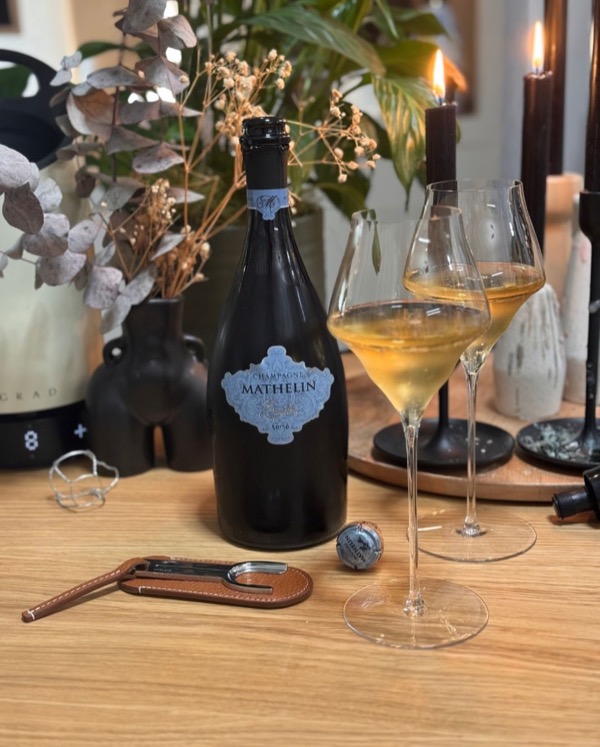
Manchmal sagt ein minimalistisches Etikett schon alles: Beim „Équilibre“ von @champagne_mathelin ist der Name absolutes Programm! Auf der Flasche…
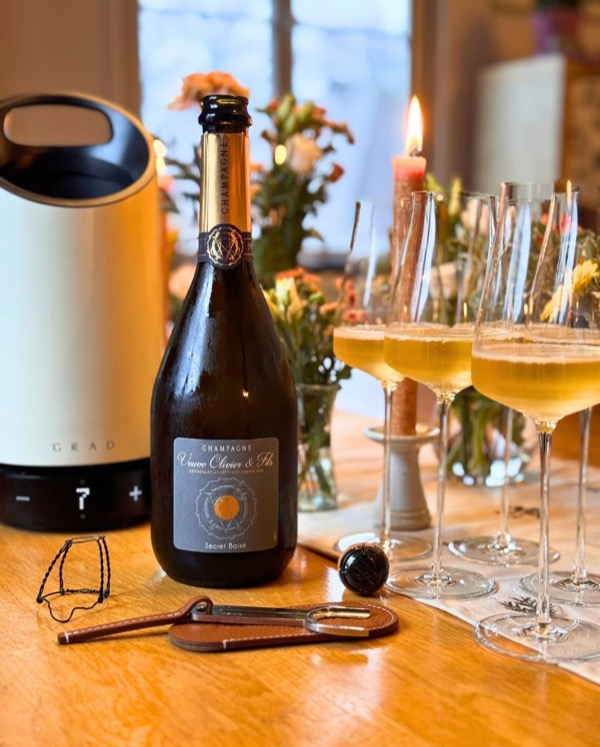
Am Wochenende gab es einen 60er zu feiern und natürlich habe ich mich um die Begleitung mit Champagner gekümmert. Geplant war ein Menü, welches…
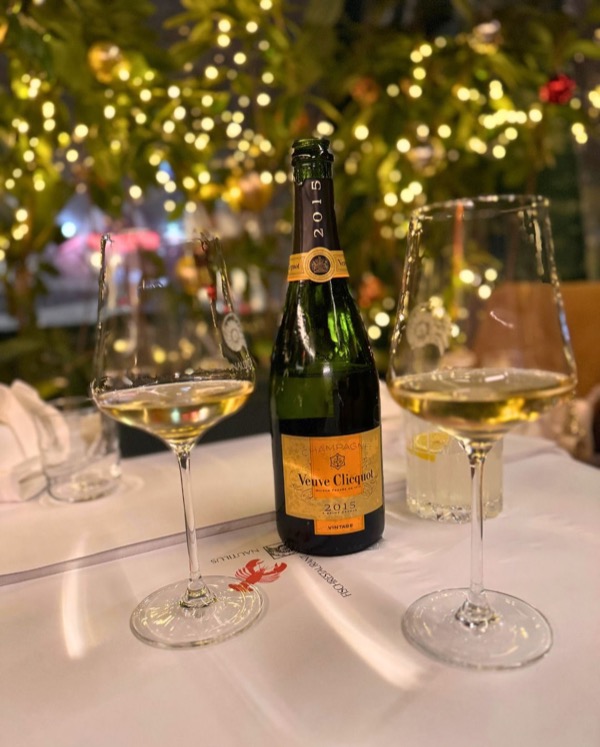
Neulich hat es uns ins @fischrestaurantnautilus in Wien verschlagen. Zum Start gab’s Austern: Fines de Claire & Gillardeau, beide super frisch,…
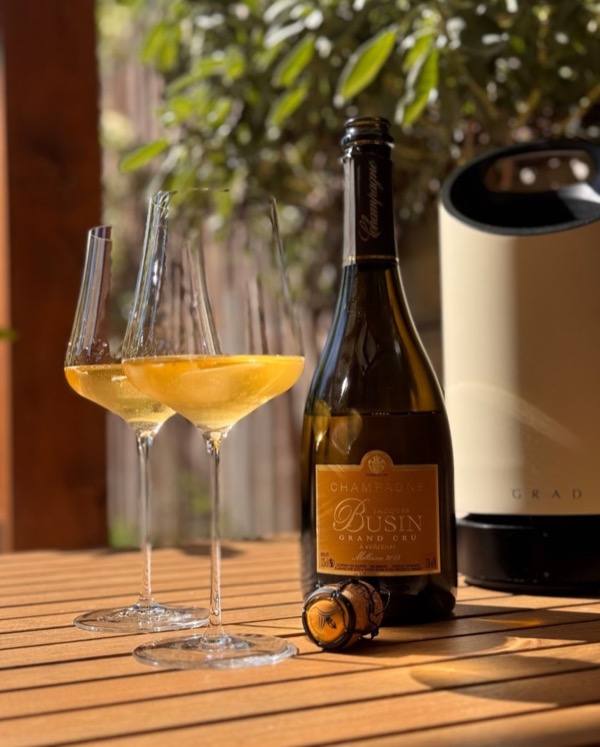
Erinnert ihr euch noch an den @champagnejacquesbusin – Millésime 2015 Grand Cru? Ich hatte diesen kraftvollen Champagner aus Verzenay letztes Jahr…
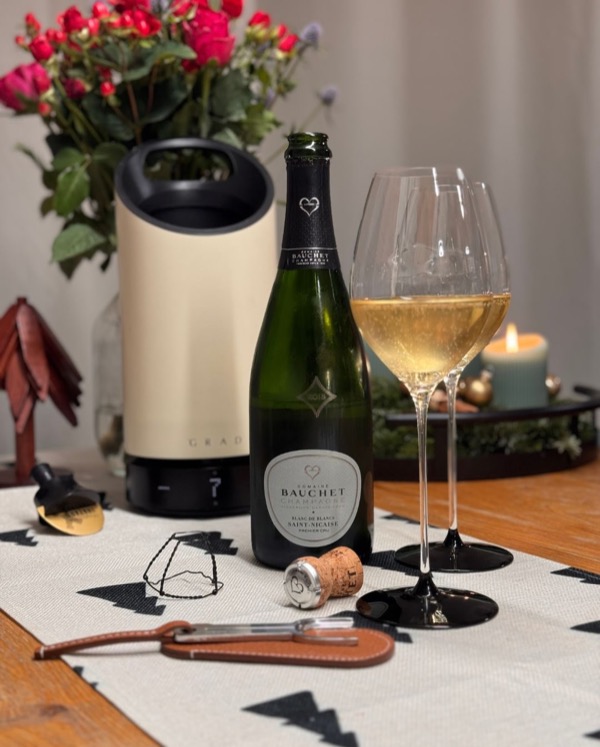
Der Saint-Nicaise 2015 von @domainebauchet hat gestern genau diese ruhige, warme Stimmung getroffen, die man sich für einen entspannten Abend…
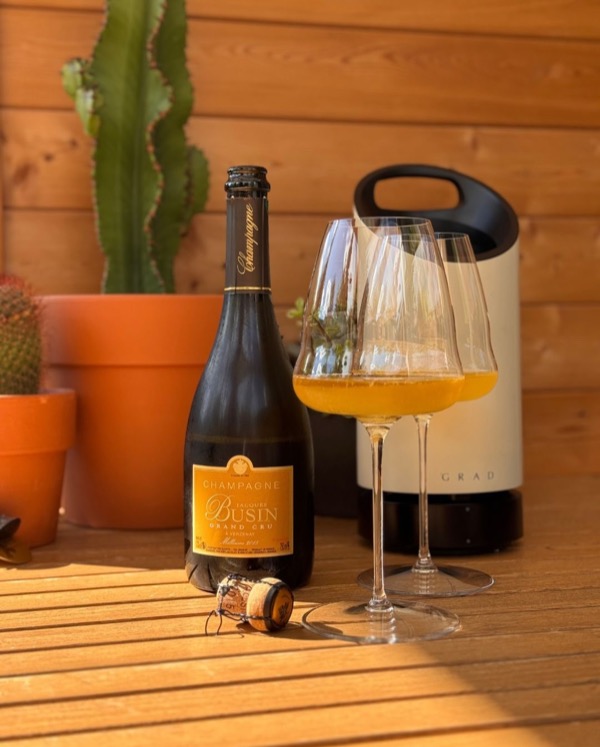
Grand Millésime 2015 Von @champagnejacquesbusin - Eine Cuvée mit Geduld, gebaut für den langen Atem. 10 Jahre Reifung in den Kellern von Verzenay –…
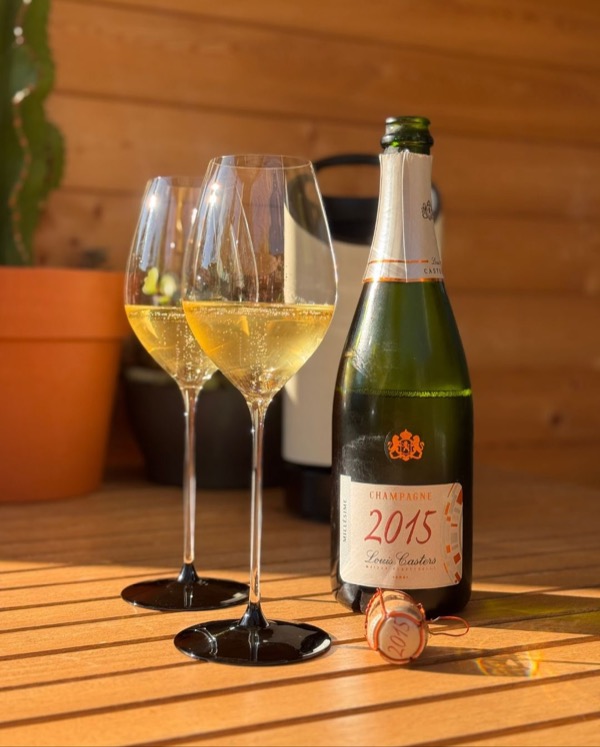
Im Supermarkt entdeckt – und gleich mitgenommen: @champagnecasters – Millésime 2015 Grand Cru Blanc de Blancs. Eine Marke, die man nicht bei den ganz…
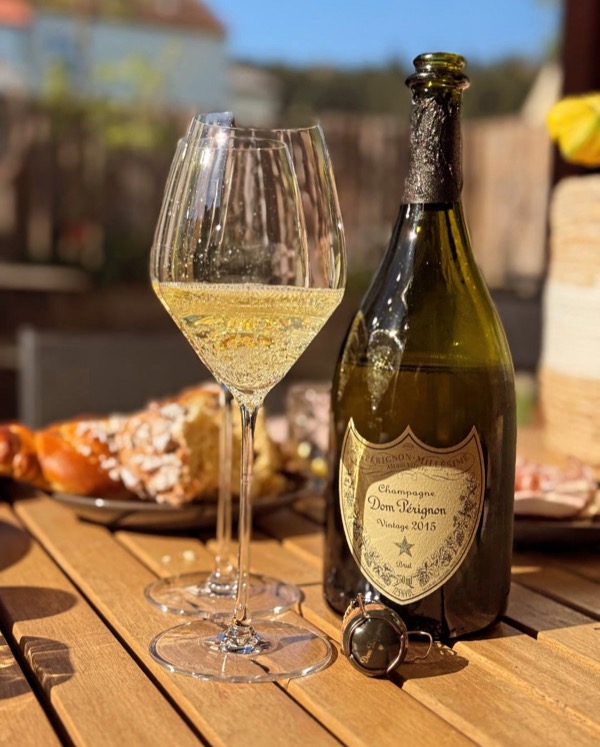
Die Sonne steht noch tief, die Kids springen durchs Haus – heute gibt’s Ostereier zu suchen. Und Geschenke. Denn zusätzlich zu Ostern hat meine…
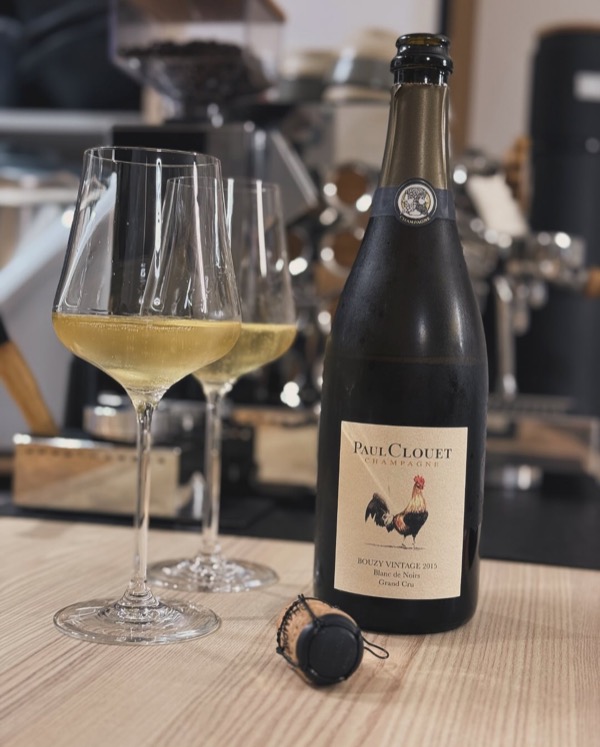
Nach dem eleganten, mineralischen Bonnaire – Cramant Vintage 2016 musste ich gestern noch einen ganz anderen Charakter ins Glas holen: Paul Clouet –…
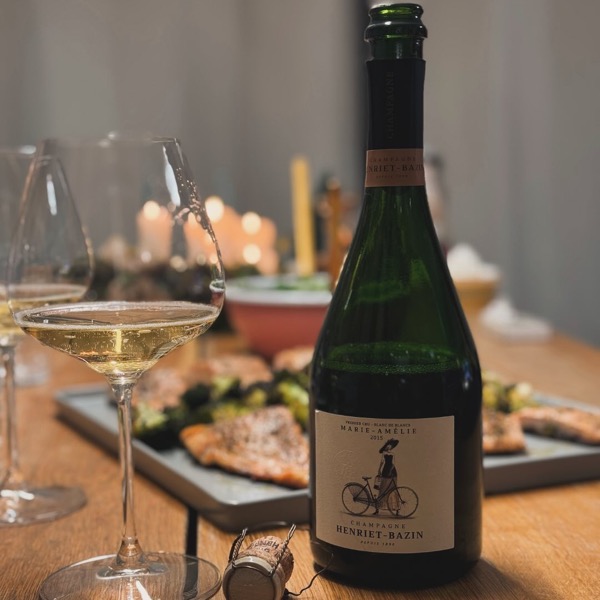
Mit nur noch 28 Flaschen im Kühler war die Wahl heute schnell getroffen: der @champagne_henriet_bazin - Marie-Amélie 2015, ein Blanc de Blancs, der…
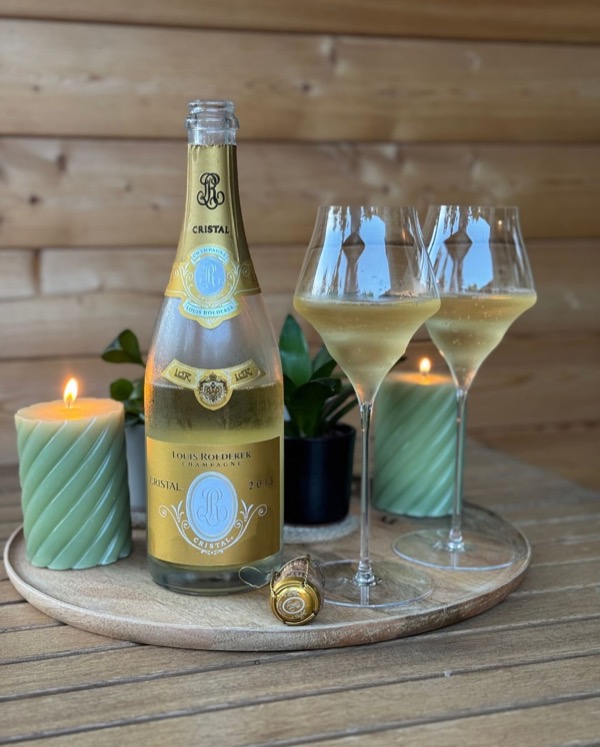
Vier Monaten lang lag er im Kühler. Immer wieder hab ich überlegt: Ein Geburtstag? Ein Hochzeitstag? Ein besonderer Erfolg? Aber irgendwie war…
| Vintage | 2015 |
| Character | Warm, ripe, concentrated |
| Acidity | Moderate |
| Comparison | Stylistically close to 2018/2019, opposite to 2016 |
| Drinking Window | Now until 2030 |
| Tasted Champagnes | 11 |