The Strangest of the Strange
Petit Meslier is an indigenous grape variety of Champagne that almost went extinct. Only a few hectares are still planted — mainly by experimental growers who want to preserve the region's heritage.
The story of Petit Meslier is the story of almost all forgotten grape varieties: After the phylloxera catastrophe at the end of the 19th century, Champagne's vineyards were replanted. They chose the varieties that brought the highest yields and ripened most reliably. Petit Meslier failed on both counts — low-yielding and late-ripening. The decision was purely economic, and it almost wiped out the variety entirely.
Character
What makes Petit Meslier special: extremely high natural acidity that even surpasses Chardonnay. Add to that floral, almost perfumed aromas and a green, herbal note. The variety ripens late and is low-yielding — reasons why it almost disappeared.
In detail, Petit Meslier shows an aromatic profile that is unique in Champagne:
- Extreme acidity — Higher than any other permitted variety, which almost predestines it for sparkling wine
- Floral aromas — Linden blossom, acacia, chamomile, almost like herbal tea
- Green notes — Freshly cut grass, herbs, sometimes a hint of mint
- Citrus — More intense than Chardonnay, with an almost bitter grapefruit note
- Lightness — The wine stays lean and nervous, never heavy or opulent
Why Petit Meslier is Ideal for Sparkling Wine
Paradoxically, the trait that makes Petit Meslier problematic as a still wine grape is its greatest strength in Champagne: the extreme acidity. In a sparkling wine you need high acidity — it gives the finished Champagne tension, freshness and aging potential. The second fermentation and dosage soften the acidity, so the end product appears harmonious rather than aggressive.
A Champagne with Petit Meslier shows electrifying freshness that doesn't fade even after years of aging. That's an advantage no other variety can offer with this intensity.
Growing and Challenges
Growing Petit Meslier is an exercise in patience. The variety is sensitive to mildew, susceptible to poor fruit set (the flowers don't get properly pollinated and don't form clusters) and delivers low yields even in good years. The late ripening means that in cool years the grapes sometimes don't accumulate enough sugar — although for Champagne base wine, high sugar content isn't necessary.
All of this explains why the big houses never bothered to grow Petit Meslier. For a négociant producing millions of bottles, a grape variety with unreliable yields makes no sense. But for a grower-Champagne producer making 5,000 bottles a year and striving for uniqueness, Petit Meslier is a treasure.
Where to Find Petit Meslier
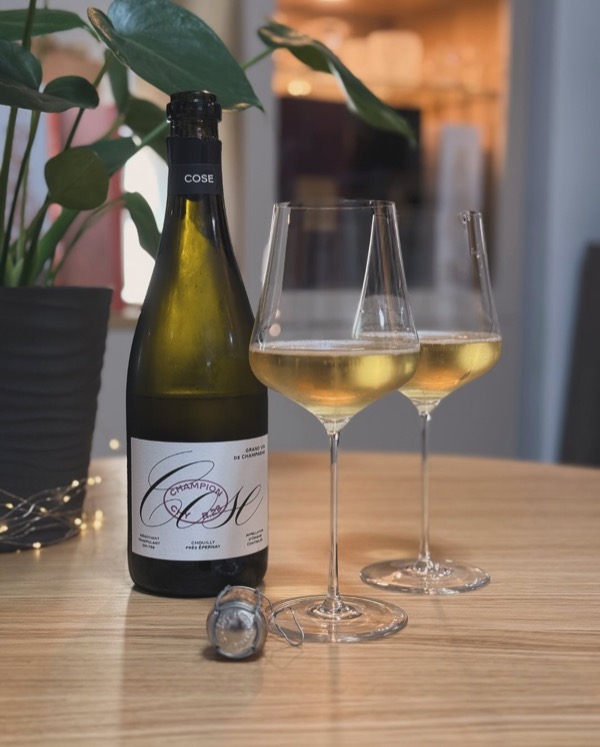
Es gibt Champagner, die eine Geschichte erzählen – und dann gibt es Champagner wie Champion CHY R.22 von @champagne.cose , die ganze Traditionen neu…
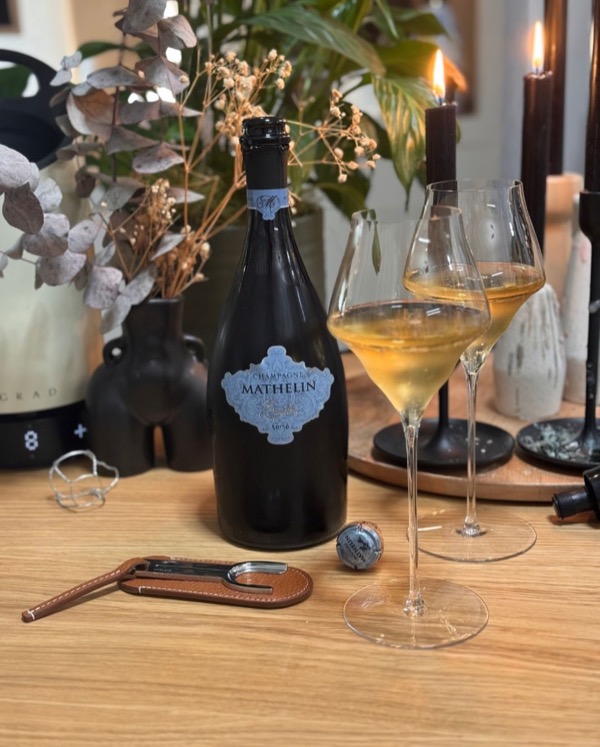
Manchmal sagt ein minimalistisches Etikett schon alles: Beim „Équilibre“ von @champagne_mathelin ist der Name absolutes Programm! Auf der Flasche…
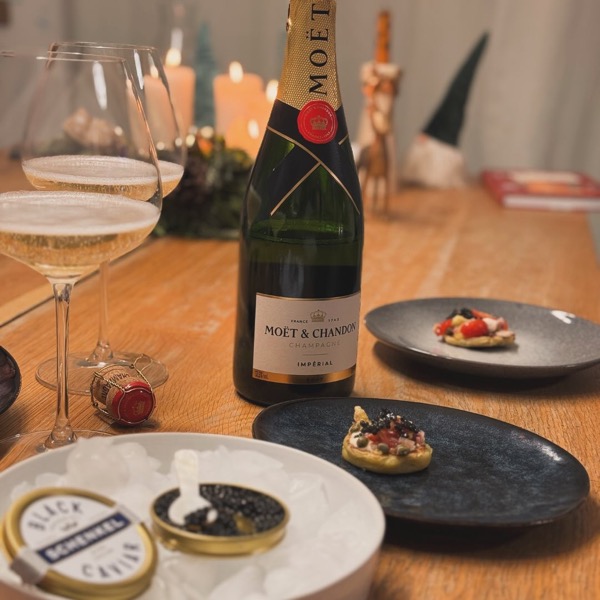
Manchmal braucht es keine große Inszenierung, um echten Luxus zu erleben – nur einen guten Black Imperial Stör Kaviar von @schenkeldelikatessen ,…
Most remaining Petit Meslier plantings are in the Côte des Bar and scattered locations on the Côte des Blancs. Some growers have deliberately preserved old parcels with mixed plantings where Petit Meslier stands alongside Chardonnay and Pinot Blanc.
In the so-called "Cépages Oubliés" cuvées of some growers, you'll find Petit Meslier as part of an assemblage of all the forgotten varieties. These Champagnes are always limited, often numbered, and tell a story of diversity and tradition that has almost been lost in modern Champagne.
Varietal Petit Meslier
Finding a varietal Petit Meslier is like a treasure hunt. But they exist — occasionally brave growers produce cuvées from 100% Petit Meslier. The result is radically different from anything you're used to from Champagne: taut, nervous, almost ascetic, with an acidity that demands your attention. Not a wine for every day, but a fascinating experience for anyone who wants to know what Champagne has to offer beyond the three main varieties.
Future
Petit Meslier will never play a major role — the variety is too quirky and too difficult to grow. But as a niche grape variety it has a future. The growing interest in biodiversity, historical varieties and uniqueness plays in its favor. Every hectare of Petit Meslier that remains is a contribution to Champagne's genetic diversity.
At home I've already tried several Champagnes with Petit Meslier. Every single one was a discovery.
Posts
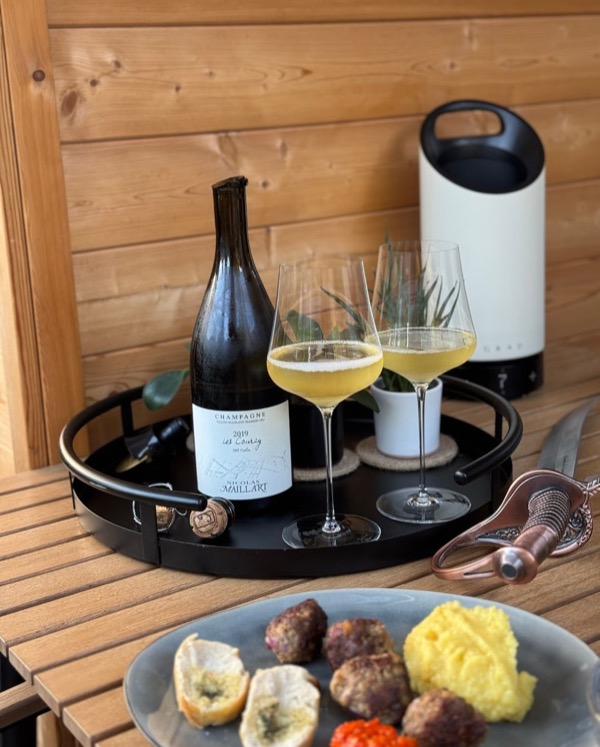
Zwei hungrige Kinder, drei unterschiedliche Wünsche – und am Ende eine Kombi, die doch ganz harmonisch scheint: 🥩 Gegrillte Fleischbällchen mit…
Meine Posts dazu
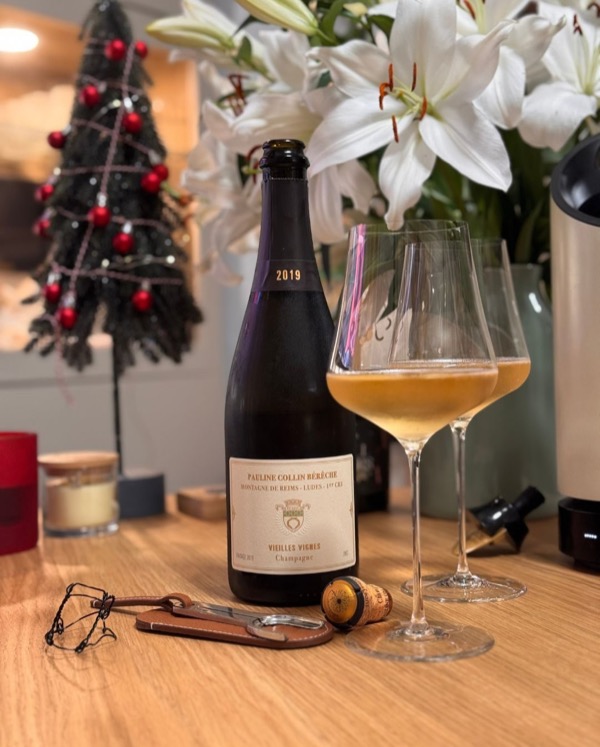
Gestern habe ich den Vieilles Vignes 2019 von @paulinecollinbereche geöffnet und war direkt begeistert von der ausgewogenen Cuvée. Pauline Collin…
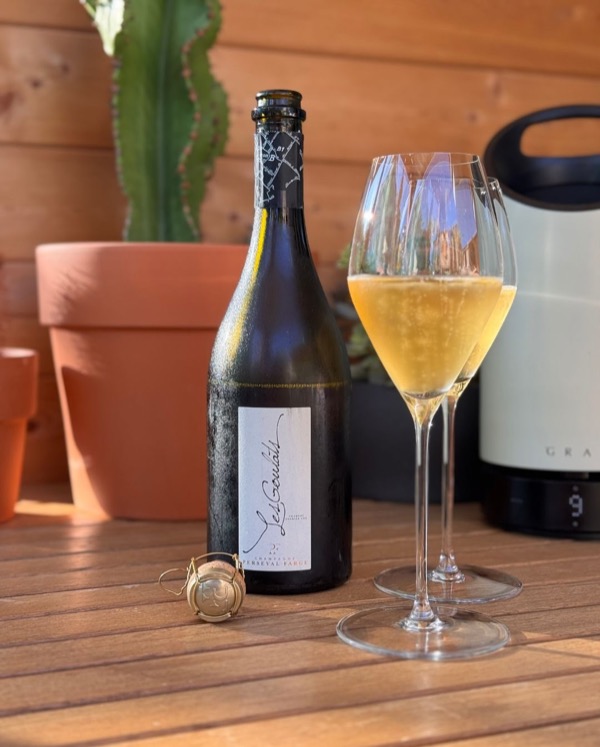
Heute endlich mein Post zum @persevalfarge – Les Goulats. Bei dieser Flasche hat mich vor allem die Rebsorten-Mischung gereizt – Arbane, Petit…
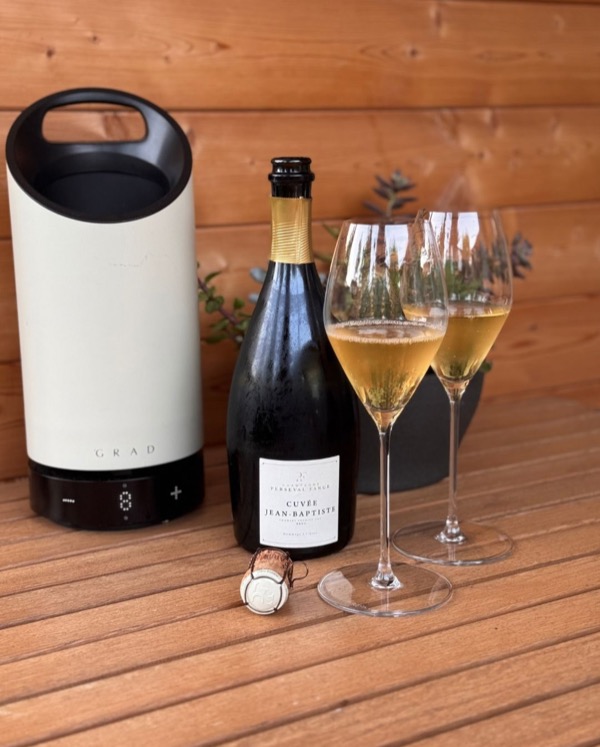
Es gibt Winzer, die arbeiten im Hintergrund – ruhig, präzise, ohne großes Marketing. Und Champagner hat ja ohnehin die schöne Eigenschaft, keine…