The Strangest of the Rare
Petit Meslier is an indigenous grape variety of Champagne that almost went extinct. Only a few hectares are still planted, mainly by experimental winemakers who want to preserve the region's heritage.
The story of Petit Meslier is the story of almost all forgotten grape varieties: After the phylloxera catastrophe at the end of the 19th century, Champagne's vineyards were replanted. They chose the varieties that brought the highest yields and ripened most reliably. Petit Meslier failed on both counts, low yielding and late ripening. The decision was purely economic, and it almost wiped out the variety completely.
Character
What makes Petit Meslier special: extremely high natural acidity that even surpasses Chardonnay. Add to that floral, almost perfumed aromas and a green, herbal note. The variety ripens late and is low yielding, reasons why it almost disappeared.
In detail, Petit Meslier shows an aromatic profile that is unique in Champagne:
- Extreme acidity, Higher than any other approved variety, which practically predestines it for sparkling wine
- Floral aromas, Linden blossom, acacia, chamomile, almost like an herbal tea
- Green notes, Freshly cut grass, herbs, sometimes a hint of mint
- Citrus, More intense than Chardonnay, with an almost bitter grapefruit note
- Lightness, The wine remains lean and nervous, never heavy or opulent
Why Petit Meslier is ideal for sparkling wine
Paradoxically, the characteristic that makes Petit Meslier problematic as a still wine grape is its greatest strength in Champagne: the extreme acidity. In a sparkling wine you need high acidity, it gives the finished Champagne tension, freshness and aging potential. The second fermentation and the Dosage moderate the acidity, so the end product seems harmonious rather than aggressive.
A Champagne with Petit Meslier content has an electrifying freshness that doesn't fade even after years of aging. That's an advantage no other variety can offer with this intensity.
Cultivation and challenges
Growing Petit Meslier is a test of patience. The variety is sensitive to mildew, susceptible to millerandage (the flowers don't get properly fertilized and don't form grapes) and delivers only low yields even in good years. The late ripening means that in cool years the grapes sometimes don't accumulate enough sugar, although high sugar content isn't necessary for Champagne base wine.
All of this explains why the big houses never bothered growing Petit Meslier. For a négociant producing millions of bottles, a grape variety with unreliable yields makes no sense. But for a grower-Champagne producer making 5,000 bottles a year and striving for uniqueness, Petit Meslier is a treasure.
Where to find Petit Meslier
Most remaining Petit Meslier plantings are in the Côte des Bar and scattered locations on the Côte des Blancs. Some winemakers have deliberately preserved old parcels with mixed plantings where Petit Meslier stands alongside Chardonnay and Pinot Blanc.
In the so-called "Cépages Oubliés" Cuvées from some winemakers, you'll find Petit Meslier as part of an Assemblage of all forgotten varieties. These Champagnes are always limited, often numbered and tell a story of diversity and tradition that has almost been lost in modern Champagne.
Varietal Petit Meslier
Finding a varietal Petit Meslier is like a treasure hunt. But they exist, occasionally bold winemakers produce Cuvées from 100% Petit Meslier. The result is radically different from anything you're used to from Champagne: taut, nervous, almost ascetic, with an acidity that demands your attention. Not a wine for every day, but a fascinating experience for anyone who wants to know what Champagne has to offer beyond the three main varieties.
Future
Petit Meslier will never play a major role, the variety is too idiosyncratic and too difficult to cultivate for that. But as a niche grape variety it has a future. The growing interest in biodiversity, historical varieties and uniqueness works in its favor. Every hectare of Petit Meslier that is preserved is a contribution to Champagne's genetic diversity.
At home I've already tried several Champagnes with Petit Meslier. Every single one was a discovery.
Posts
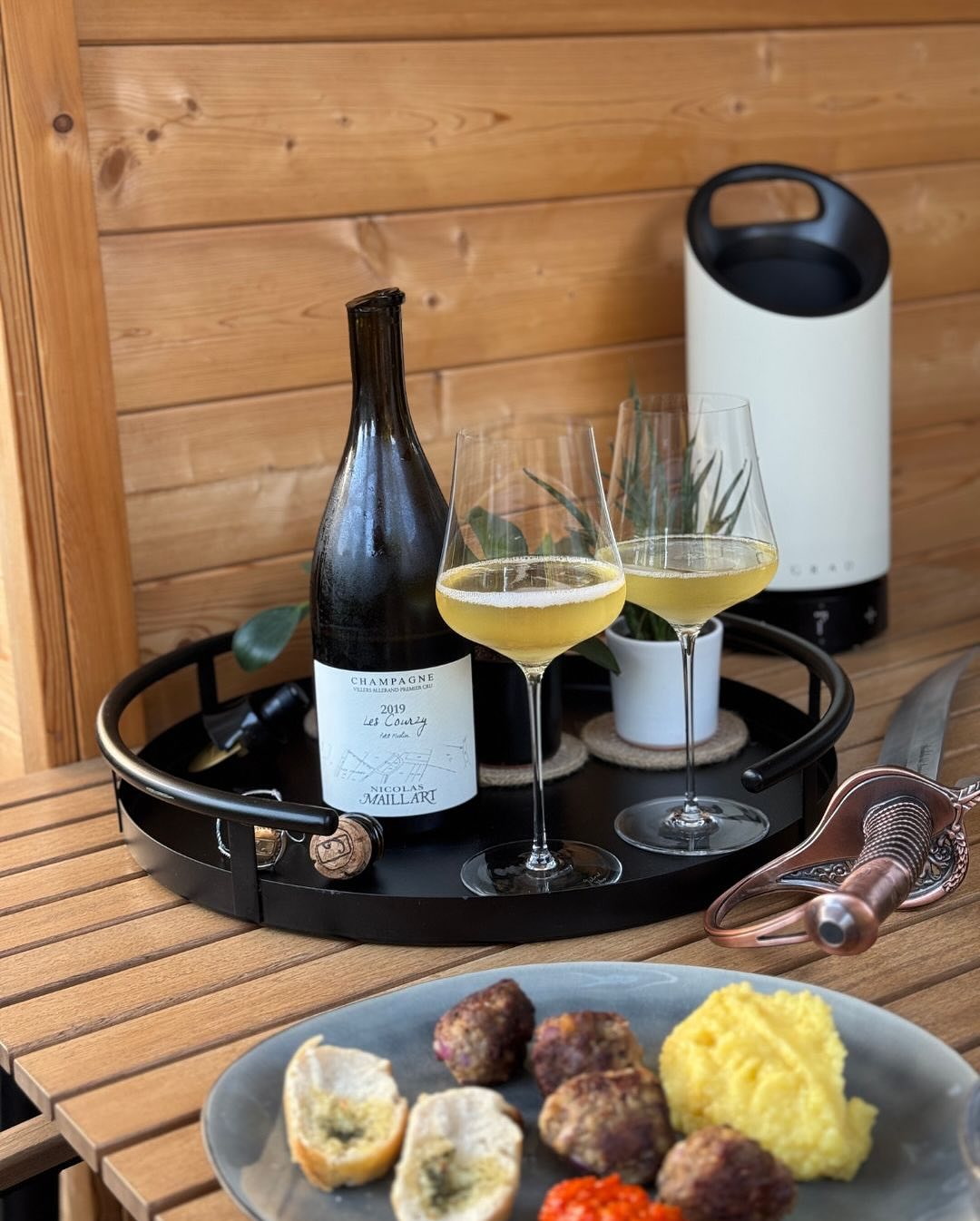
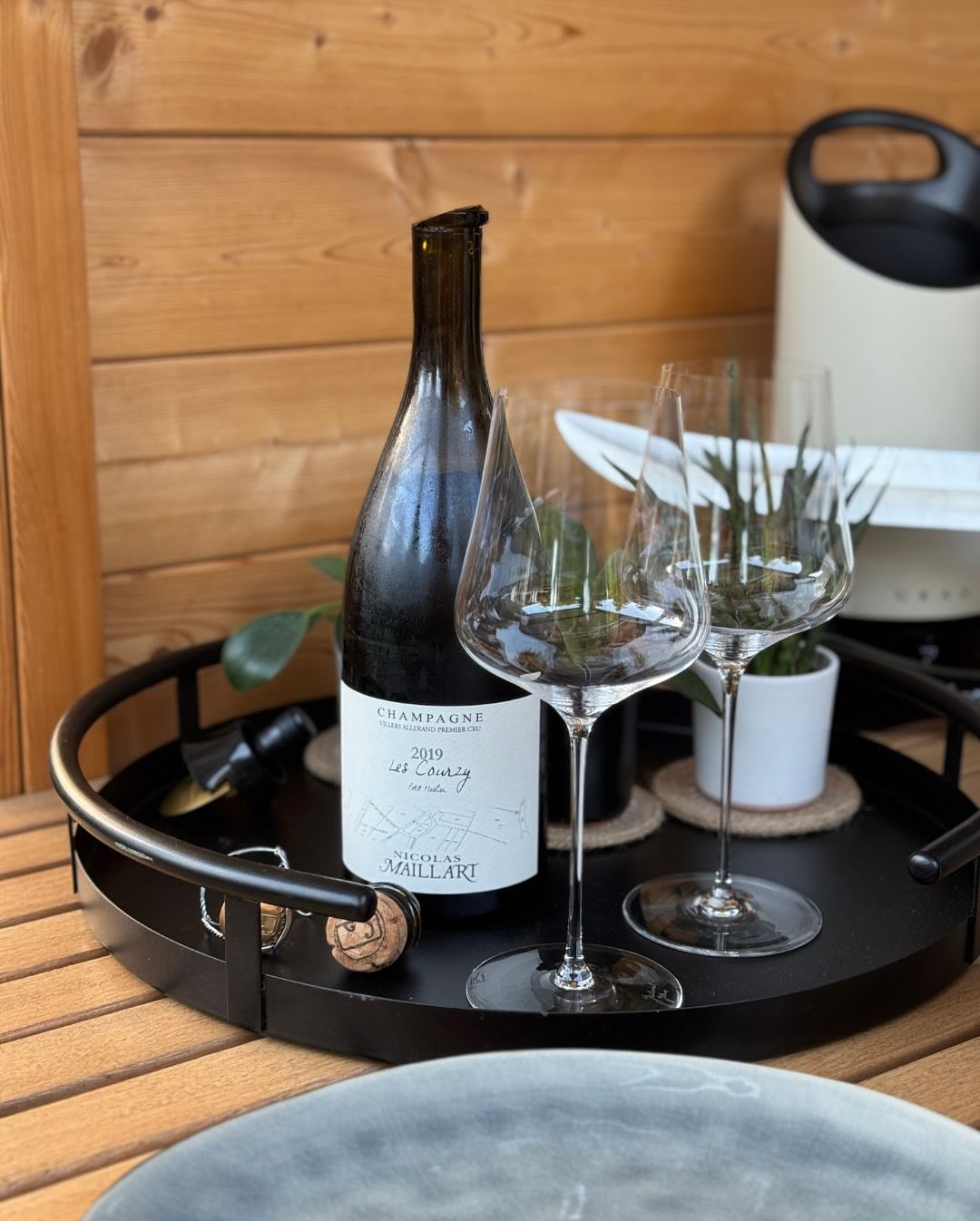
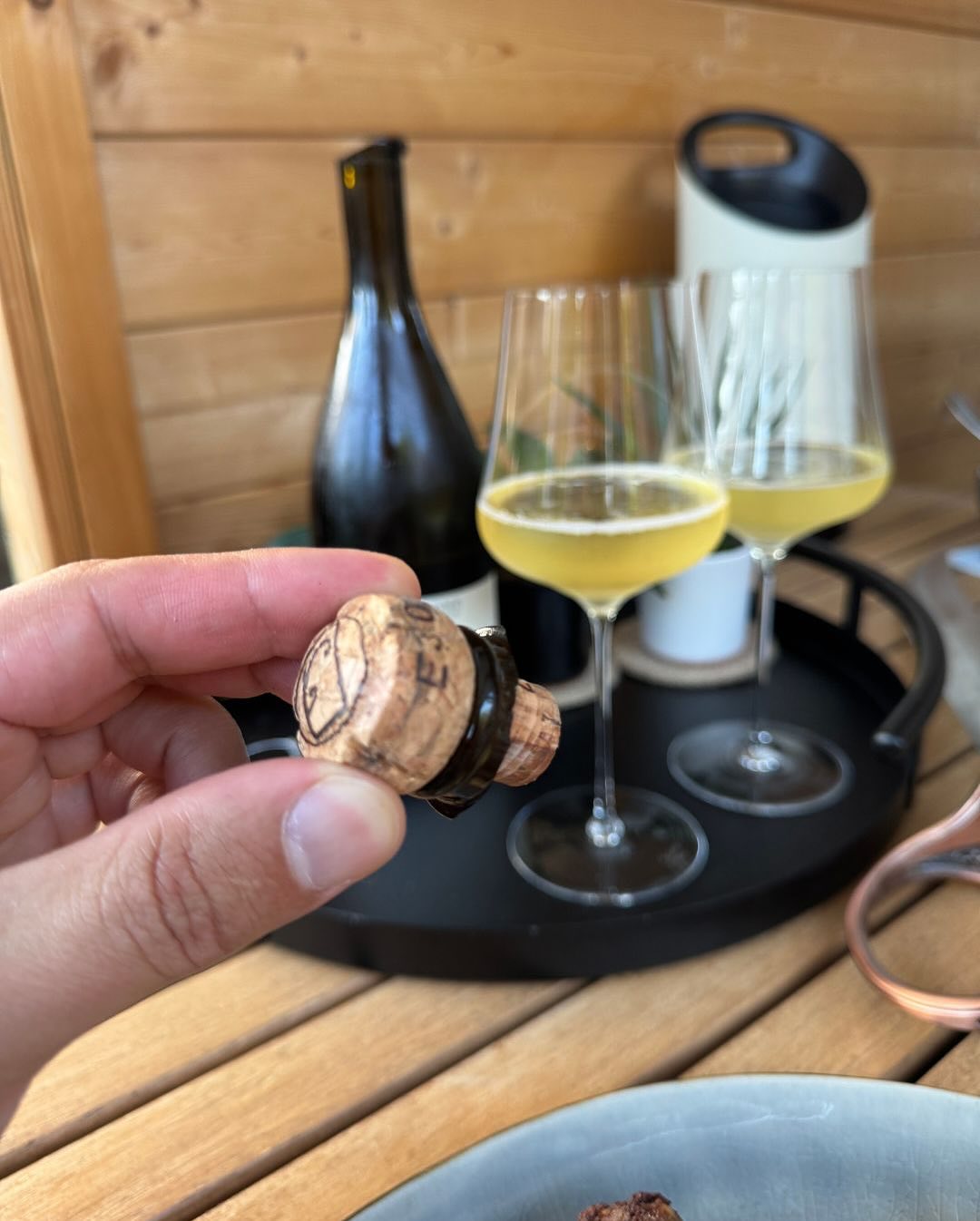
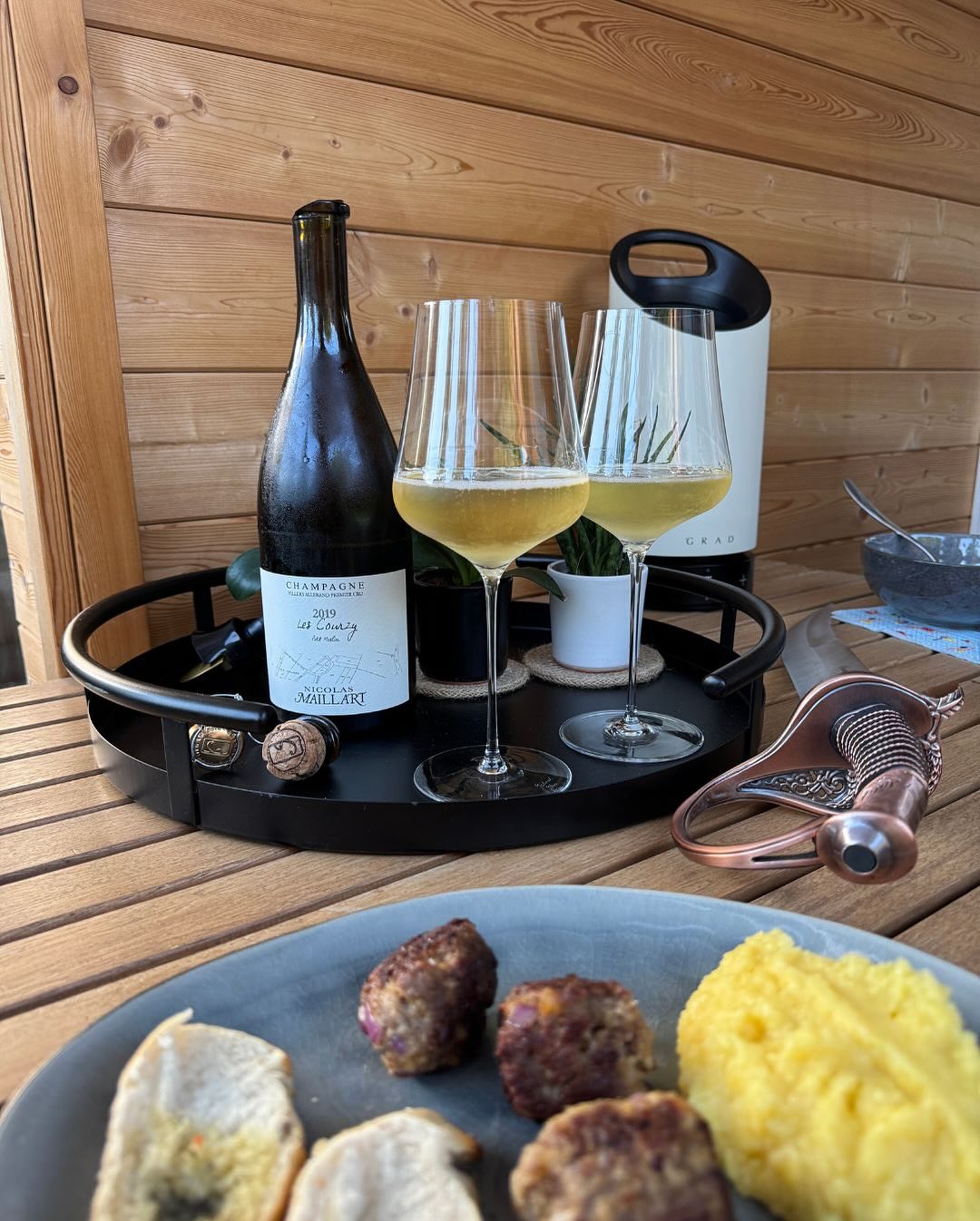
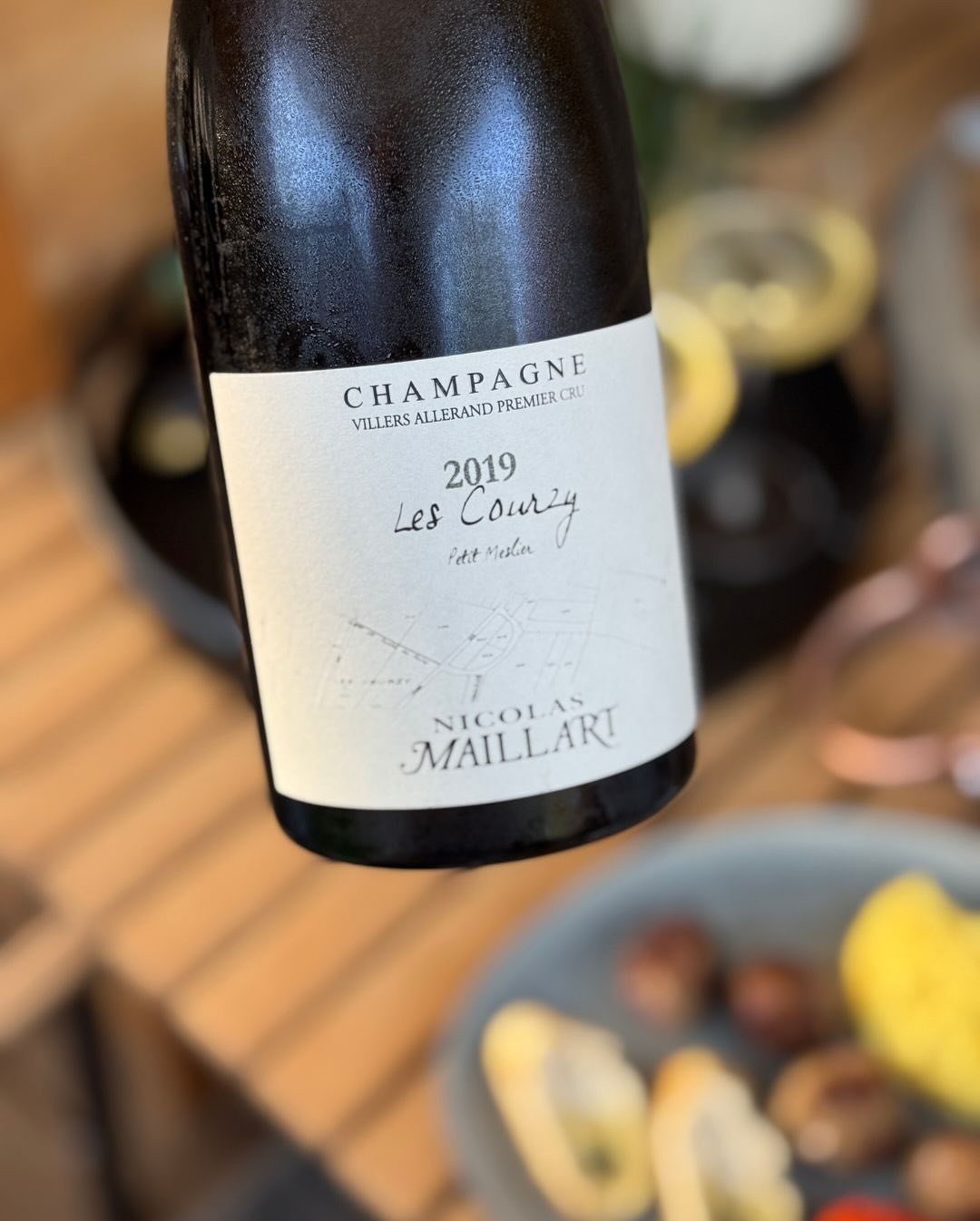
the_champagne.guy Zwei hungrige Kinder, drei unterschiedliche Wünsche – und am Ende eine Kombi, die doch ganz harmonisch scheint: 🥩 Gegrillte Fleischbällchen mit scharfem Aivar – saftig, leicht rauchig 🥔 Kartoffelpüree mit Butter & Muskat – warm, weich, mild 🥗 Griechischer Salat – Feta, Gurke, Tomate, Oliven, etwas Zitrone Nichts Aufwendiges. Aber genau richtig. Und dazu? Eine Flasche, die schon lange gewartet hat – still, im Kühler, wie gemacht für genau diesen Moment: 🍾 @nicolasmaillart – Les Couzy 2019 • 🍇 100 % Petit Meslier – selten, kräutrig, zitrisch • 📍 Einzellage „Les Couzy“ in Écueil – Lehm-Kalk über Kreide • 🌿 Massale Selektion, spontanvergoren • 🛢️ Ausbau im Holzfass, lange auf der Feinhefe • 🚫 Keine Malo, keine Filtration, keine Schönung • 🗓️ Dégorgiert 07/2023 – Extra Brut mit 3 g/l • 🔢 Nur 1697 Flaschen produziert Im Glas: vibrierende Säure, grün-würzige Frische, leicht salzige Textur. Ziemlich wild – aber auf eine sehr elegante Art. Hat dem Essen nicht die Show gestohlen, sondern es getragen. Der salzige Feta wurde klarer, der Püree leichter, die Fleischbällchen weicher. Das erste Glas zum Essen – der Rest dann über den Abend verteilt, draußen, noch in Badehose - Ein lauer Abend, wie man ihn sonst im August erwartet. Und ja: Als kleines Special haben wir diese Flasche sabriert. Einfach, weil wir Lust hatten und mein Sohn berechtigterweise fragte, warum wir den Säbel aus der Vitrine nicht benutzen 😂😂😂. #TheChampagneGuy @gabriel_glas #NicolasMaillart #LesCouzy #PetitMeslier #ChampagneDinner #Sabrage #Samstagabend #1697Flaschen
Auf Instagram weiterlesen →My posts about it
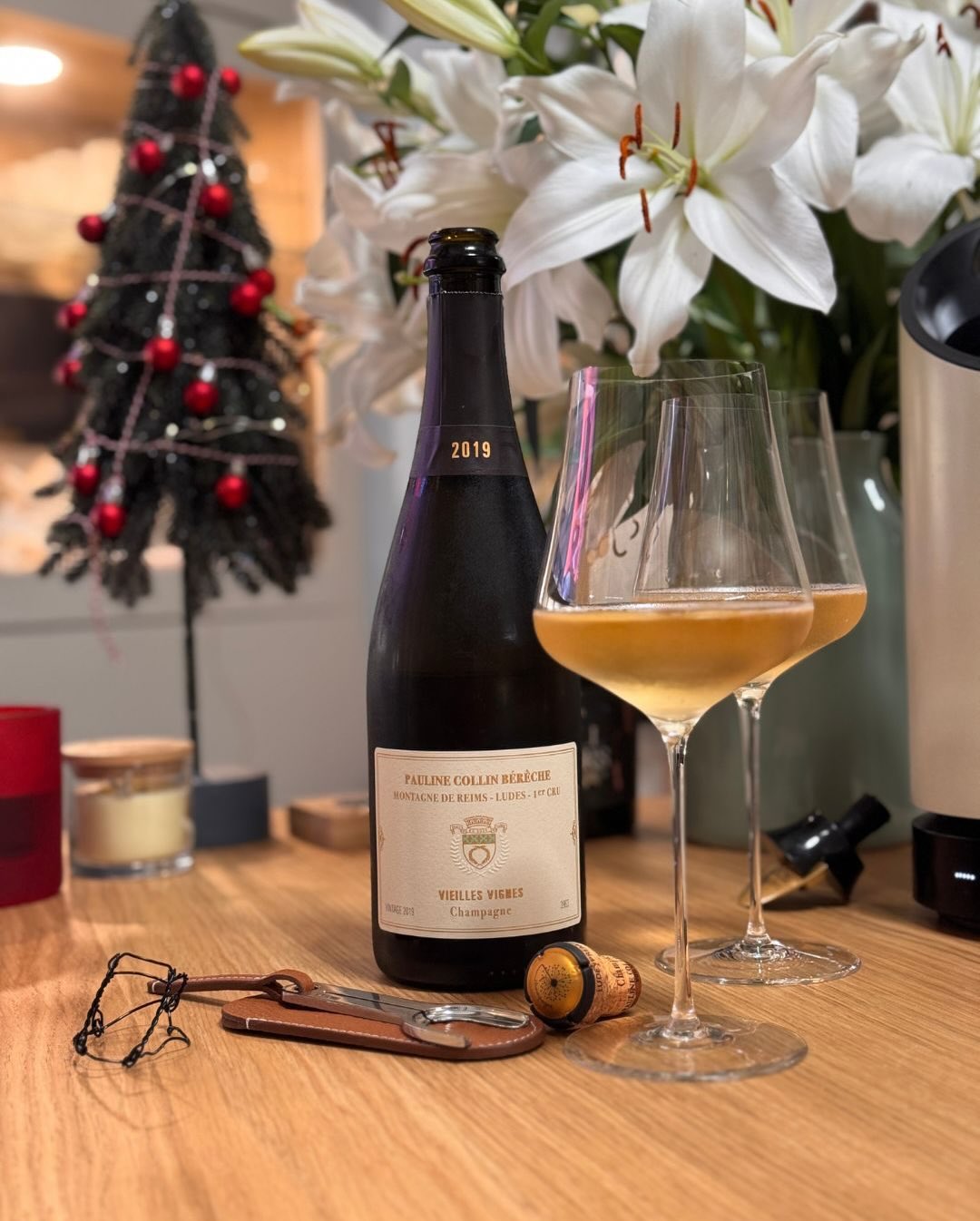
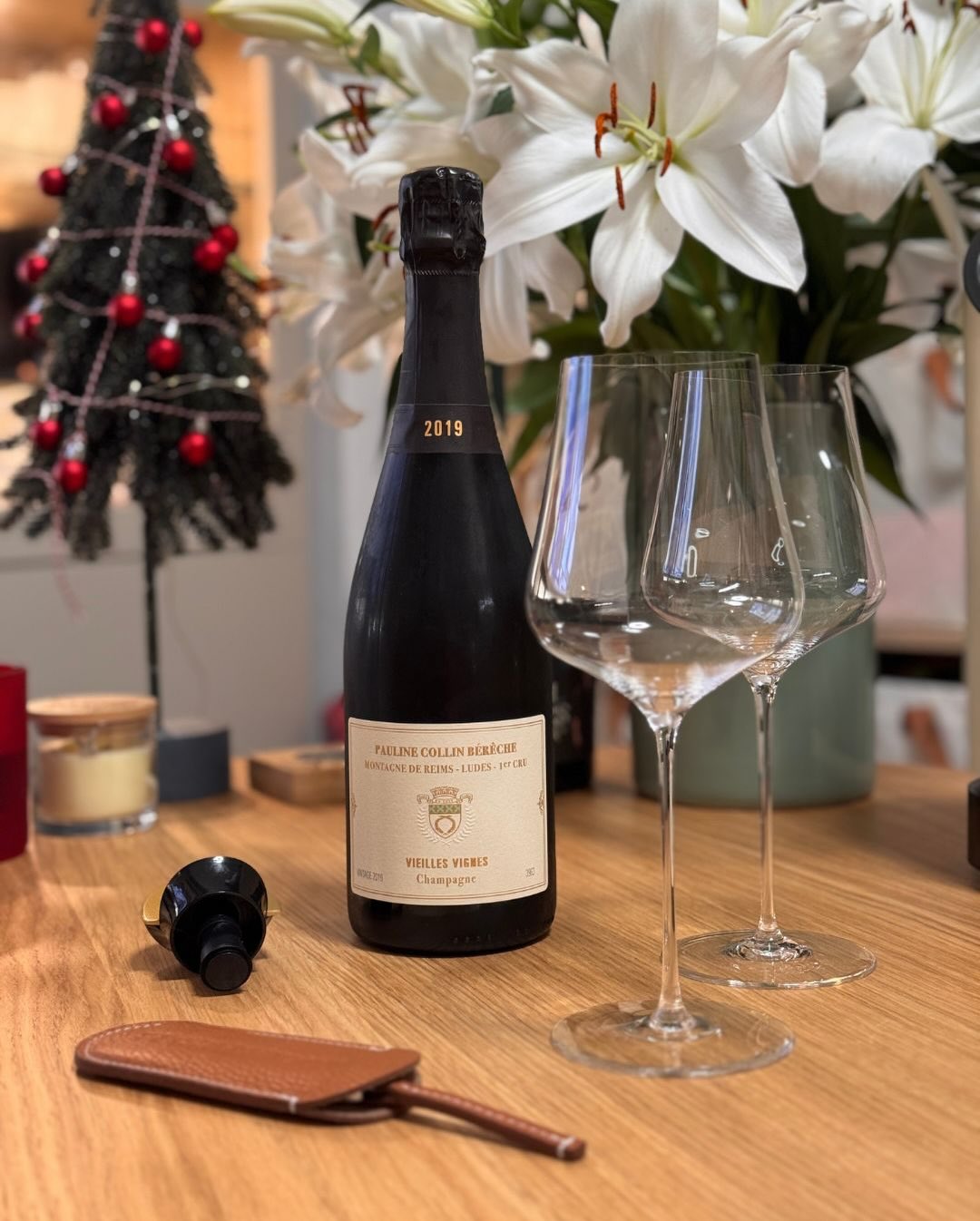
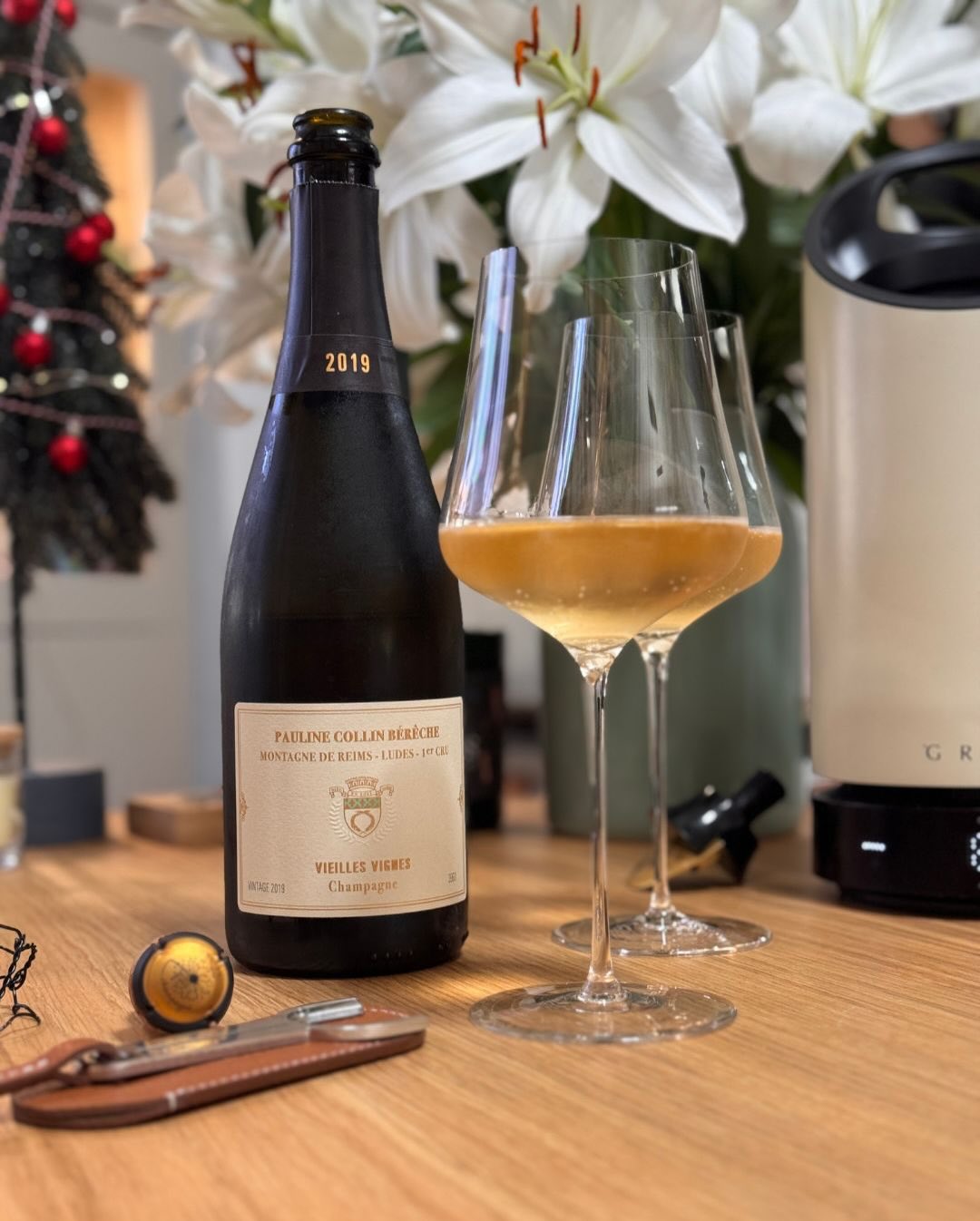
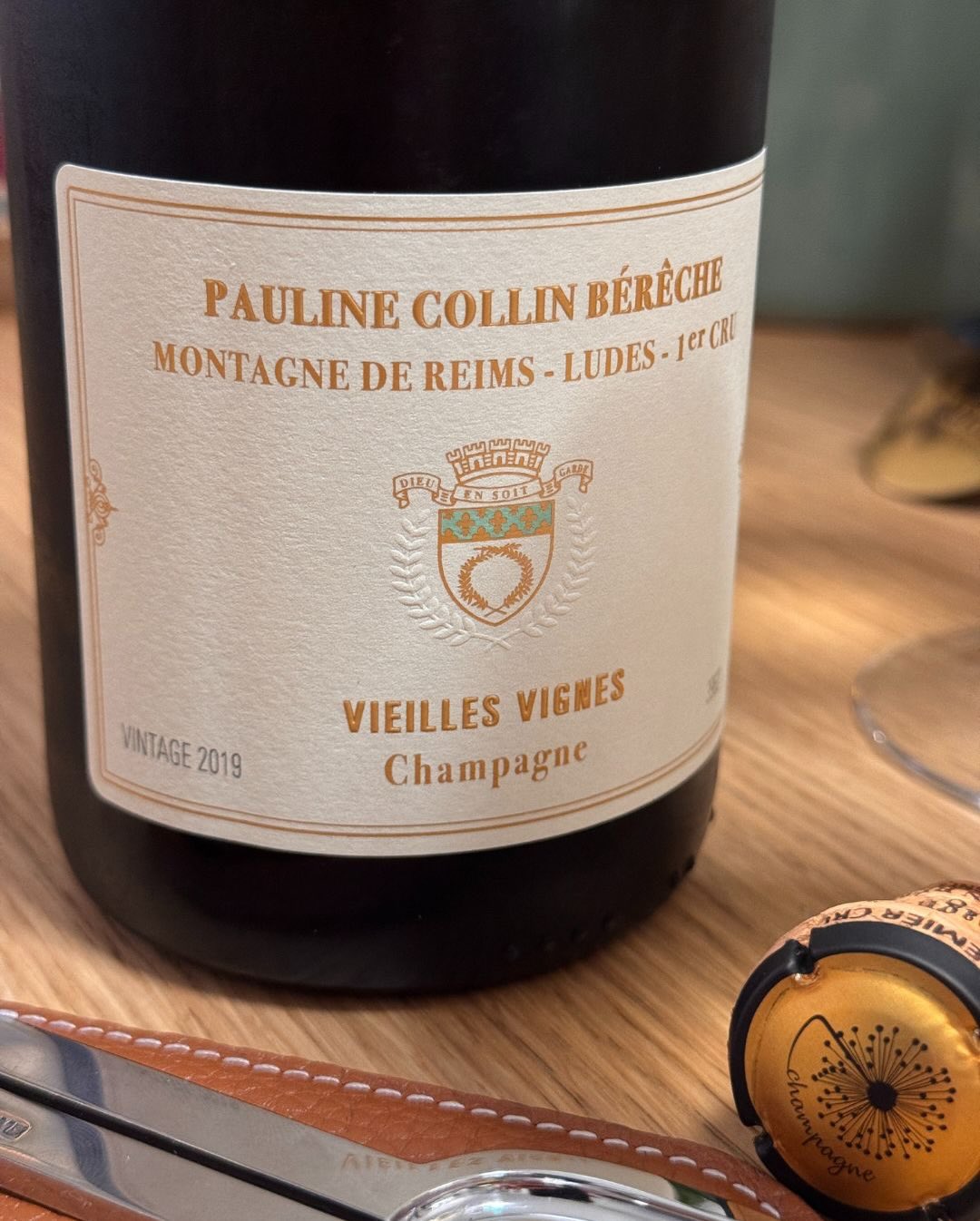
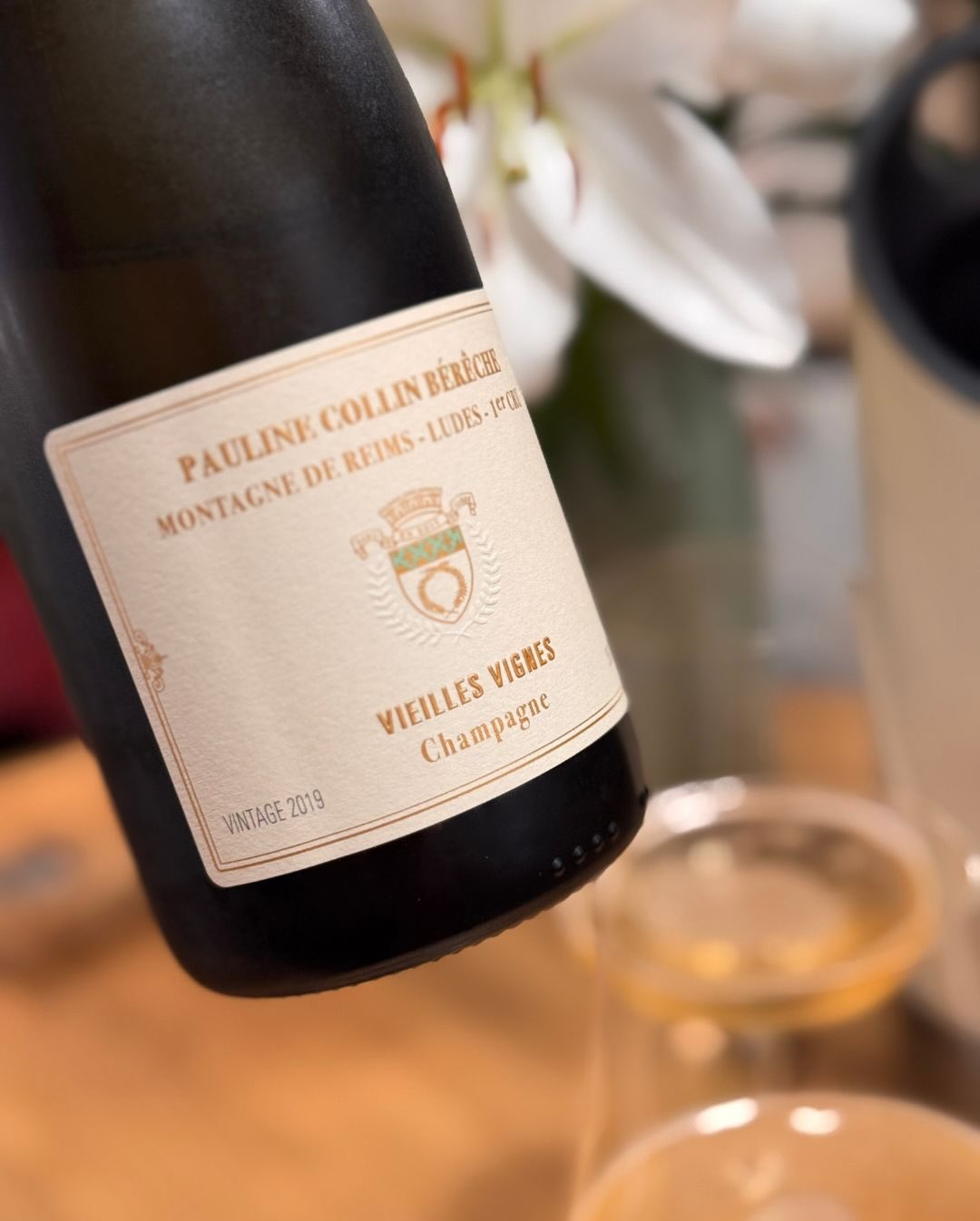
the_champagne.guy Gestern habe ich den Vieilles Vignes 2019 von @paulinecollinbereche geöffnet und war direkt begeistert von der ausgewogenen Cuvée. Pauline Collin ist die Tochter von Raphaël Bérêche und damit Teil einer Familie, die in Ludes seit Jahrzehnten für kompromisslose Präzision steht. Mit ihrem eigenen Projekt geht sie bewusst einen Schritt zur Seite – nicht weg von der Familie, sondern hinein in ihr eigenes Verständnis von Terroir. Die Reben stammen aus Ludes Premier Cru, alte Stöcke, mittlere Hanglage, karger Kalk. Spontanvergoren, zurückhaltend ausgebaut, ohne Schönung – der Fokus liegt klar auf dem Ort, nicht auf Spielereien. Im @gabriel_glas zeigt sich der Champagner ruhig, dicht und strukturiert. Reife Frucht, etwas Kräuterwürze, feine Hefenoten – und alles ist genau dort, wo es hingehört. Champagne-Facts 🍇 60 % Pinot Noir · 35 % Chardonnay · 5 % Petit Meslier 📍 Ludes Premier Cru · Montagne de Reims 🪨 Kalkhaltige Böden · alte Reben 🪵 Spontanvergärung · Ausbau auf der Hefe 🕰 Lange Hefereife 📅 Dégorgement: Juli 2024 🍬 Extra Brut · sans ajout de liqueur Ein sehr persönlicher Champagner, der sich schon vor dem Öffnen besonders anfühlt. Definitiv einer, der im Kopf bleibt 🙂 #thechampagneguy @mygabrielglas @grad.dk @laclaye #collinbereche #vieillesvignes #ludes #growerchampagne
Auf Instagram weiterlesen →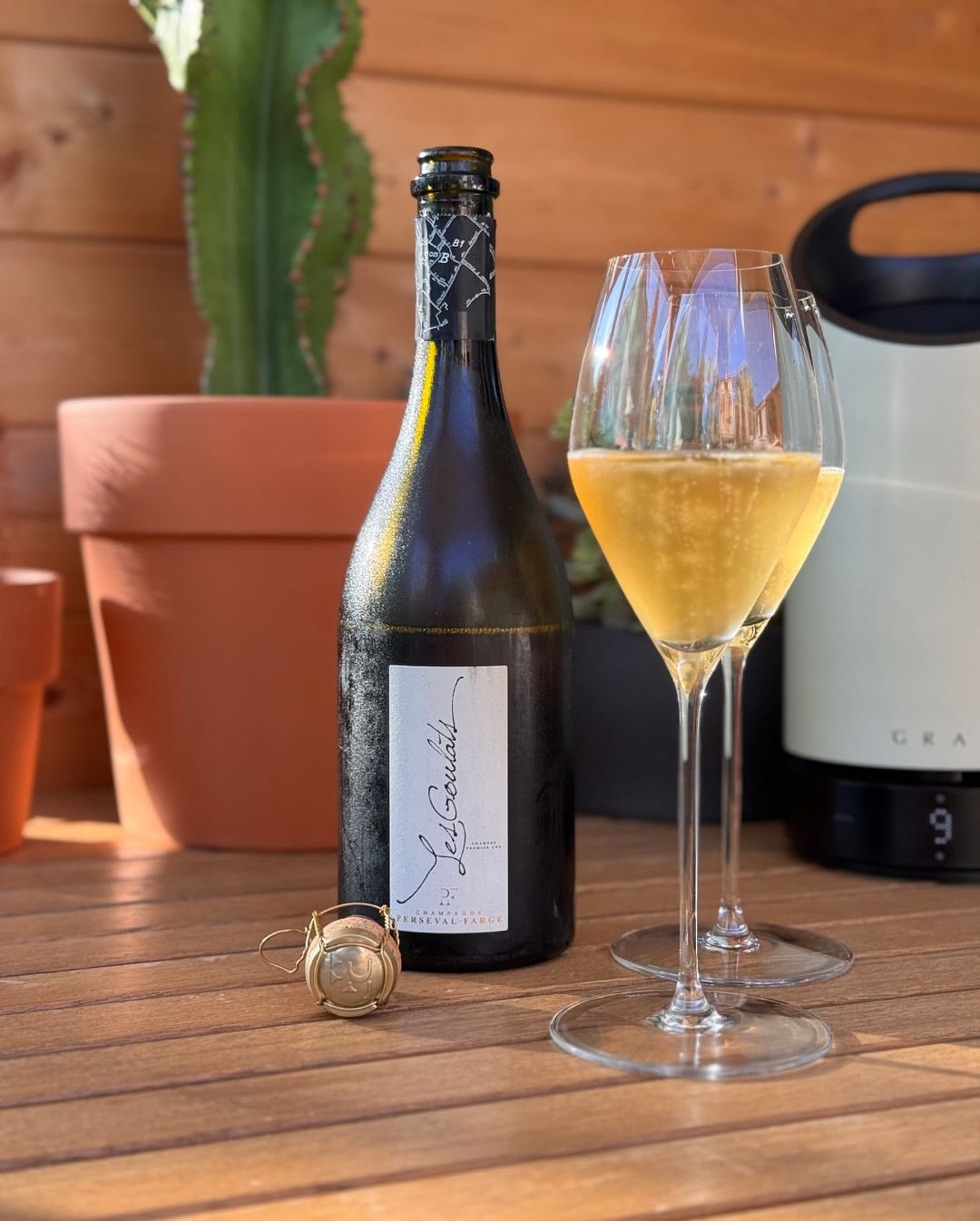
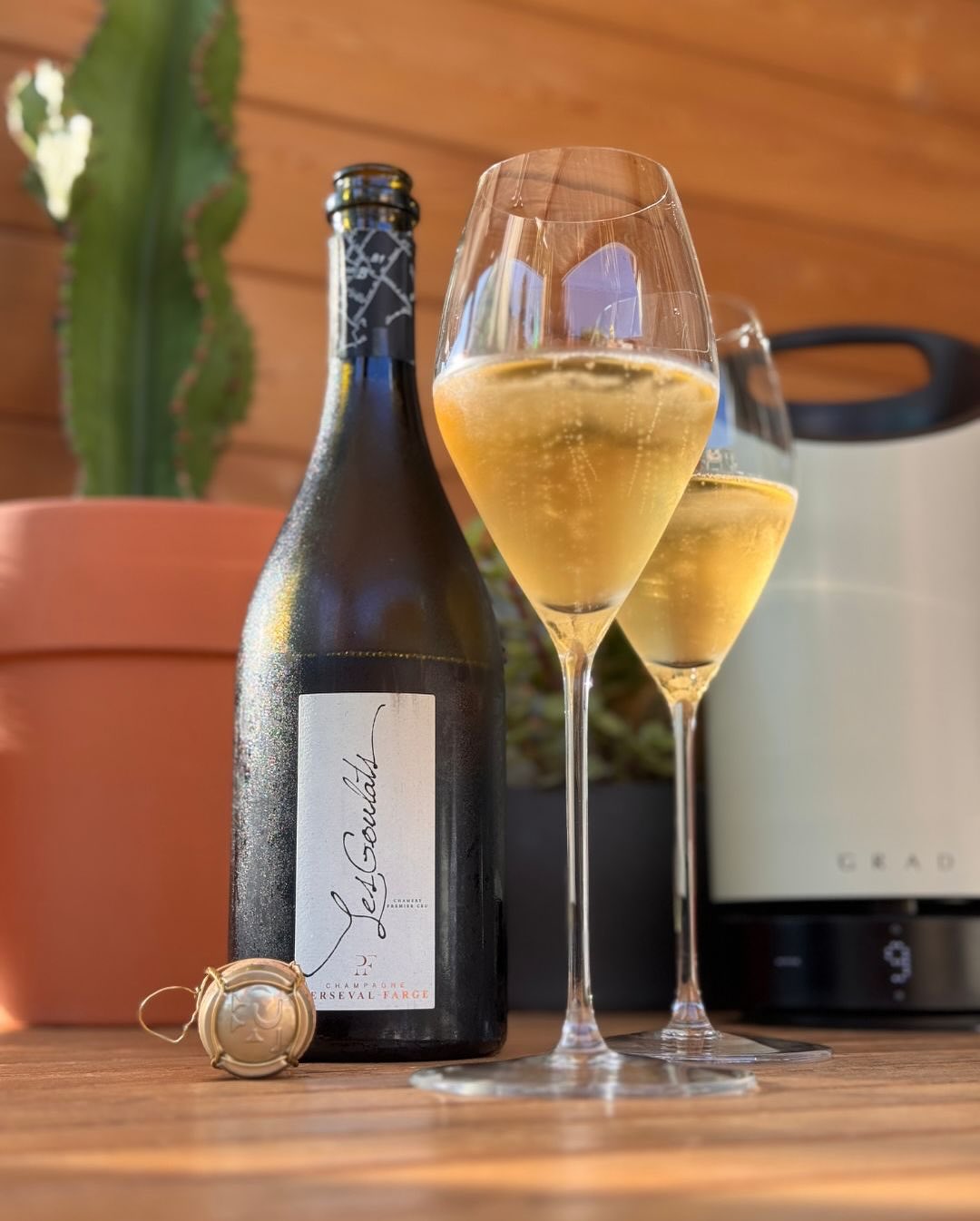
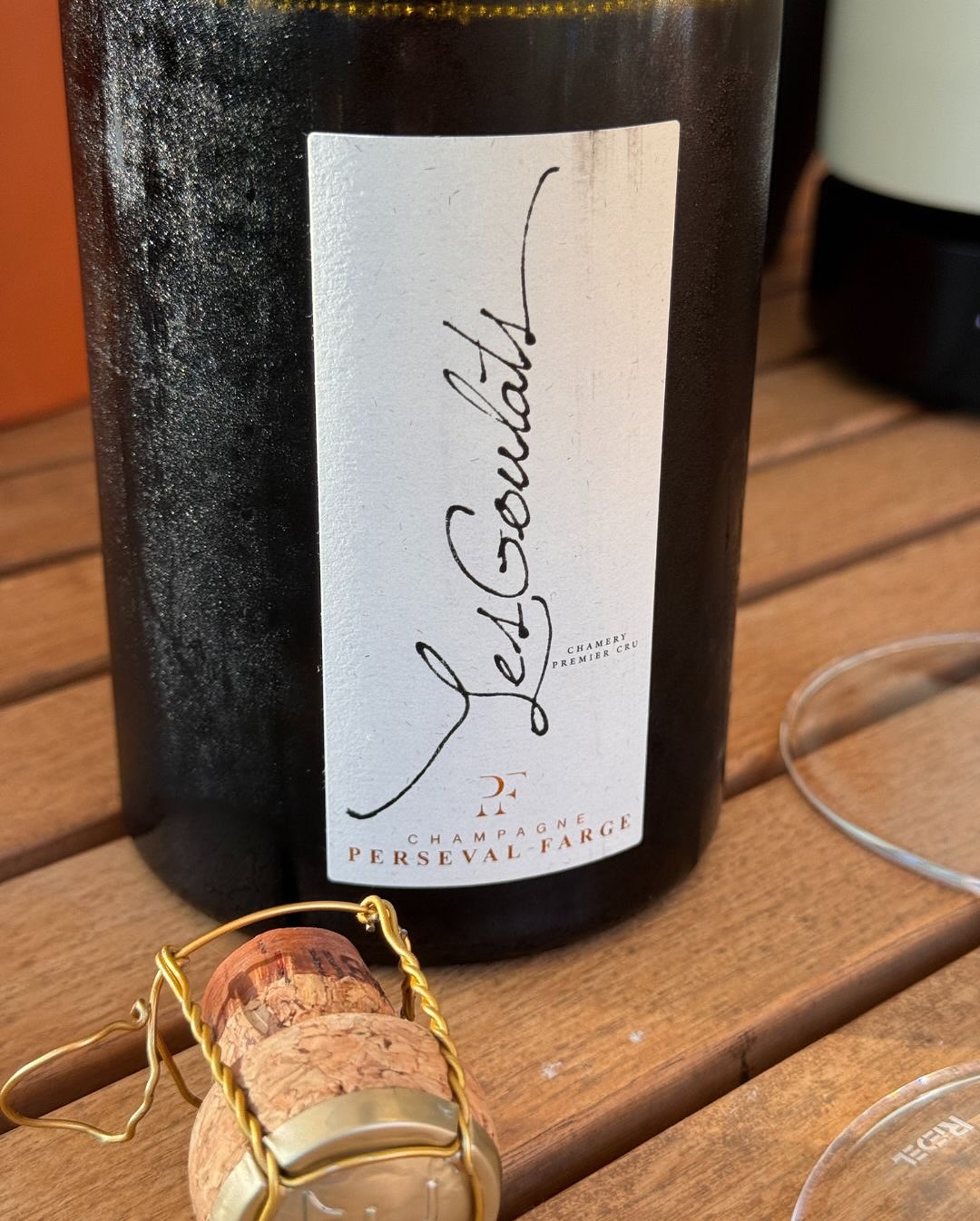
the_champagne.guy Heute endlich mein Post zum @persevalfarge – Les Goulats. Bei dieser Flasche hat mich vor allem die Rebsorten-Mischung gereizt – Arbane, Petit Meslier und Pinot Gris (zusammen 78 %) plus 22 % Chardonnay. Diese drei „vergessenen“ Sorten sind Teil der ursprünglichen DNA der Champagne, aber heute kaum noch zu finden. Umso spannender, wenn ein Winzer sie bewusst in den Vordergrund stellt. Im Glas zeigt sich der Les Goulats dann auch genauso charaktervoll, wie man es erwarten würde: gelbes Steinobst, Mirabelle, ein Hauch Nuss und etwas Holz. Sehr trocken, fast puristisch, mit einer feinen, lebendigen Säure. Trotz seiner Klarheit wirkt er ruhig und ausgewogen – kein lauter Wein, aber einer, der mit jeder Minute mehr Tiefe zeigt. Champagne-Facts 🍇 Assemblage: 78 % Arbane, Petit Meslier, Pinot Gris · 22 % Chardonnay 🪵 Ausbau: 100 % Holzfässer (fûts) 🍬 Dosage: 4 g/l (Brut) 📆 Jahrgänge im Blend: 2014 (64 %) + 2013 (36 %) 🍾 Tirage: 2016 · Produktion: 1.076 Flaschen 🗓️ Dégorgement: 05/2022 📍 Herkunft: Chamery, Montagne de Reims – Premier Cru Eine Flasche, die zeigt, dass Geschichte und Innovation sich nicht ausschließen müssen – sondern sich manchmal perfekt ergänzen. #TheChampagneGuy @grad.dk @riedel_official #Champagne #PersevalFarge #LesGoulats #Arbane #PetitMeslier #PinotGris #PremierCru #GrowerChampagne #ChampagneMoments
Auf Instagram weiterlesen →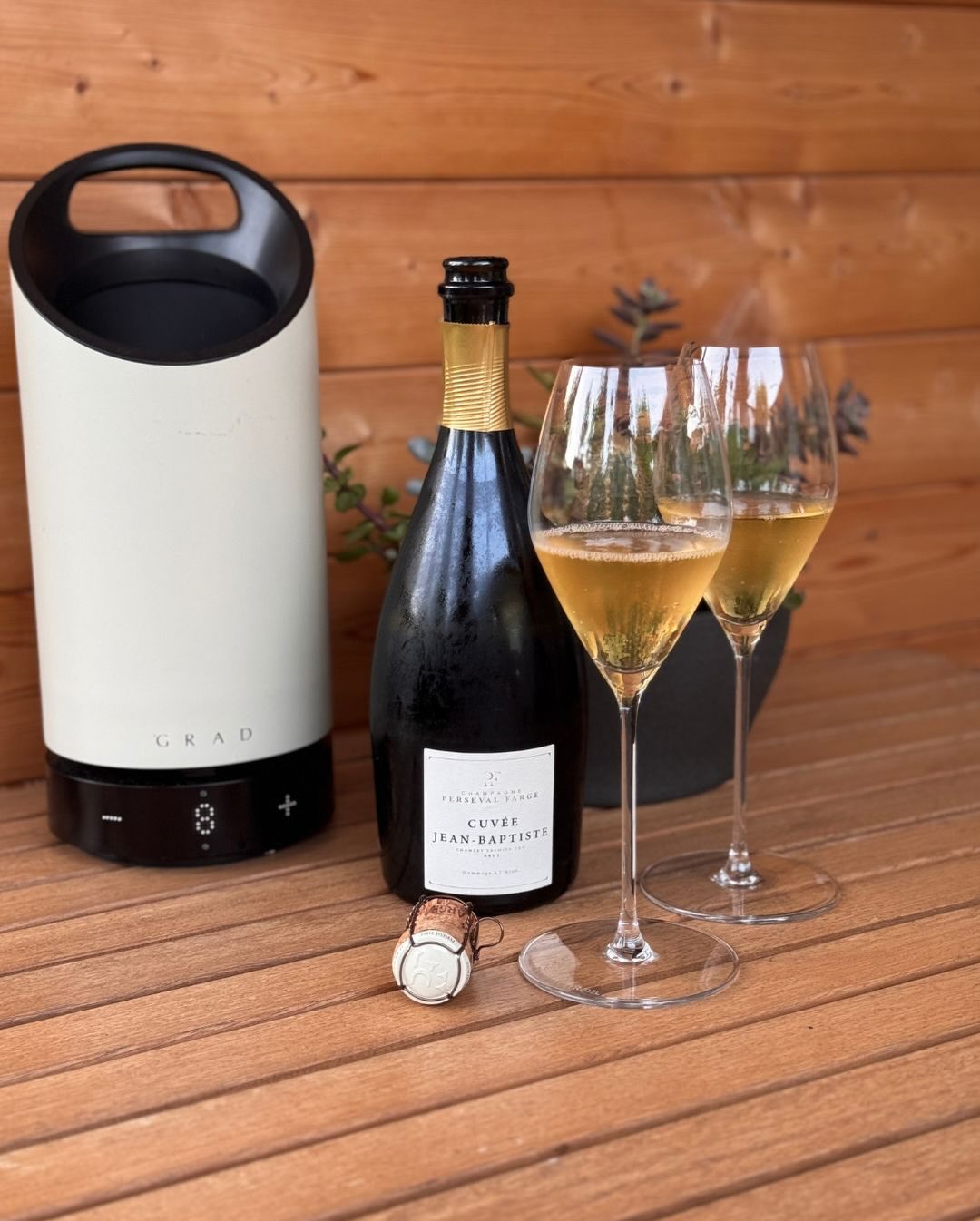
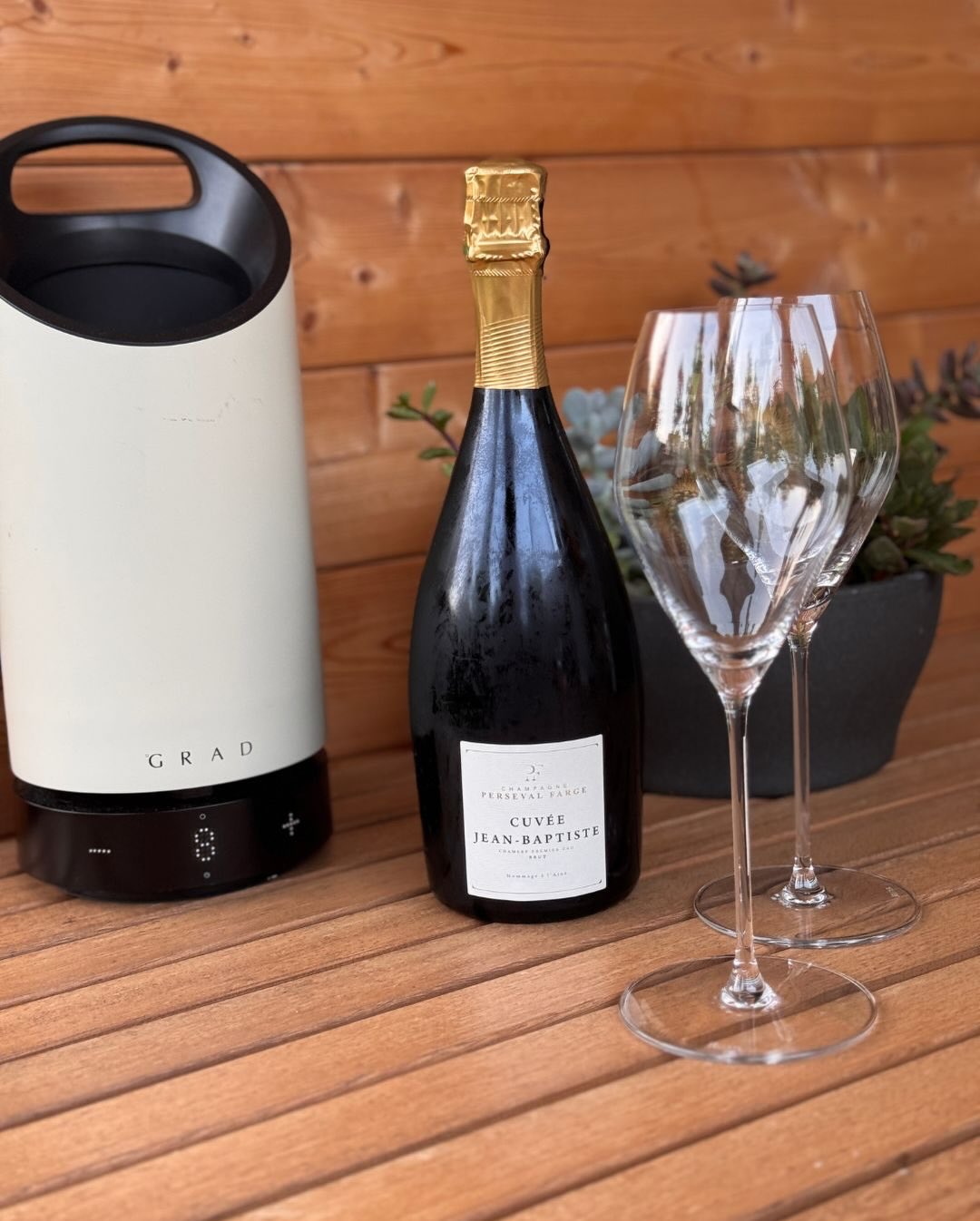
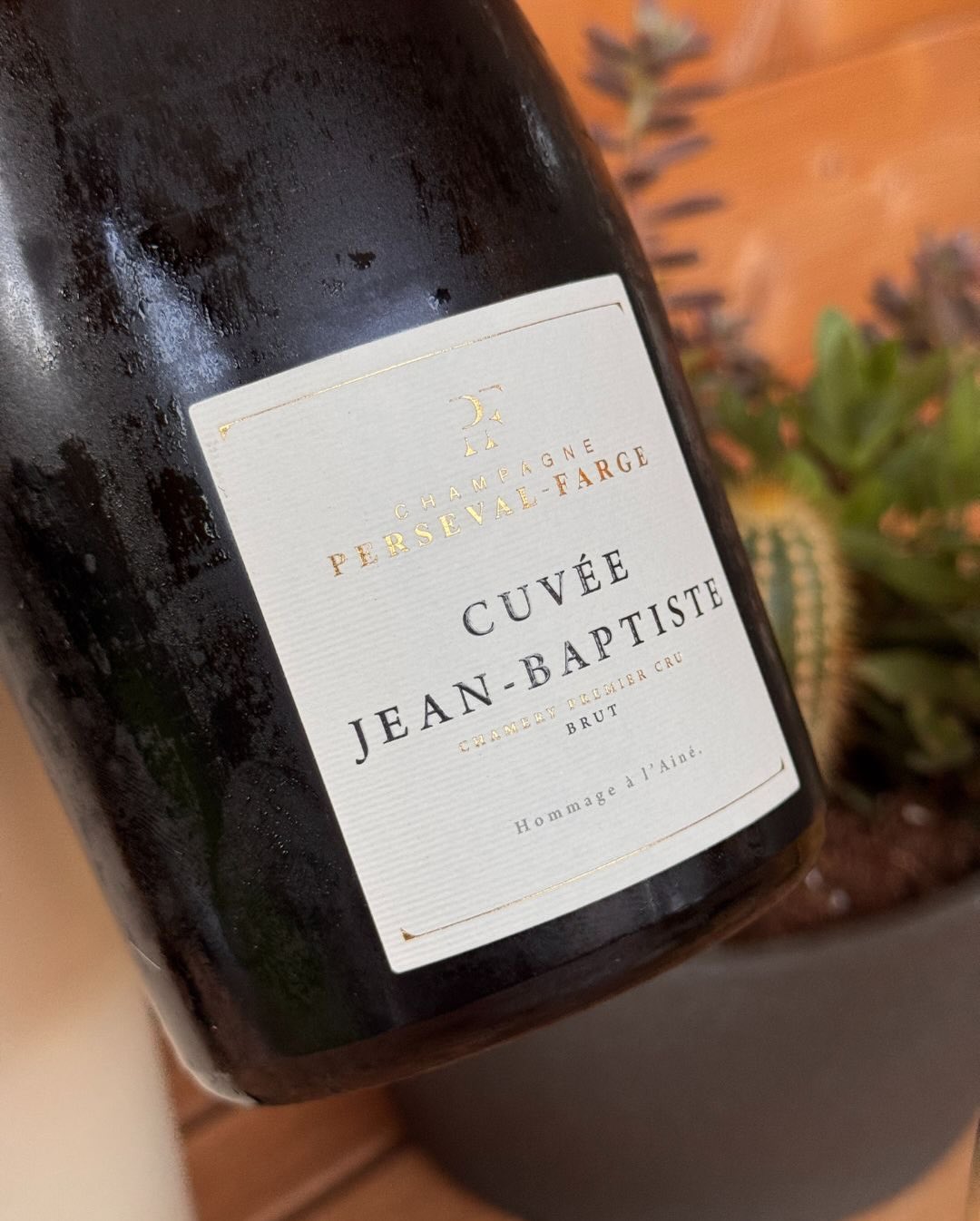
the_champagne.guy Es gibt Winzer, die arbeiten im Hintergrund – ruhig, präzise, ohne großes Marketing. Und Champagner hat ja ohnehin die schöne Eigenschaft, keine Bühne zu brauchen, sondern selbst die Bühne zu sein. Die Cuvée Jean-Baptiste von @persevalfarge ist so eine Flasche, die du nicht zufällig trinkst. Chamery, Premier Cru, fünfte Generation – alles auf Handwerk und Identität gebaut. Und genau das spürst du in dieser Cuvée sofort. Im Glas startet er kernig, hell und ernsthaft: feine Kräuter, etwas Zitrusschale, ein Hauch Steinobst, alles dezent im Hintergrund gehalten – als würde er sich erst langsam öffnen wollen. Auf dem Gaumen dann dichter, komplexer, strukturierter als erwartet: kühle Klarheit vom Chardonnay, rote Tiefe vom Pinot Noir und diese winzigen Nuancen der seltenen Rebsorten Arbane, Petit Meslier und Pinot Gris. Das macht etwas mit der Textur. Es wirkt fast wie eine Mischung aus Präzision und rauchiger Wärme. Champagne-Facts 🥂 Assemblage: 53 % Chardonnay · 34 % Pinot Noir · 8 % Meunier · 5 % Arbane, Petit Meslier & Pinot Gris 📅 Basis: 58 % Jahrgang 2012 🪵 Reserveweine: 42 % aus 2013 / 2011 / 2010 und älter 42 % der Weine im Holz ausgebaut (Mise en fûts 2014) 📍 Terroir: Chamery · Premier Cru 🍬 Dosage: 5,5 g/l (Brut) 🕰 Degorgiert: 01/2024 🍷 Stil: komplex · strukturiert · ruhig · anspruchsvoll #TheChampagneGuy @riedel_official @grad.dk #PersevalFarge #JeanBaptiste #PremierCru #Chamery #RareGrapes #Arbane #PetitMeslier #PinotGris #ChampagneMoment #ChampagneLife
Auf Instagram weiterlesen →