Where Chardonnay Is at Home
The Côte des Blancs is a narrow hillside south of Épernay, planted almost exclusively with Chardonnay. Here are born the most elegant, longest-lived, and most coveted champagnes in the world.
Anyone who wants to understand why Blanc de Blancs captivates so many champagne lovers must visit the Côte des Blancs. It's an unassuming landscape — gentle hills, white chalk paths, small villages — but beneath the surface lies one of the most extraordinary terroirs in the wine world.
The Côte des Blancs stretches nearly 15 kilometers from Chouilly in the north to Bergères-lès-Vertus in the south. A narrow strip, east-facing, that houses six Grand Cru villages in this short stretch — a density of top sites that would impress even Burgundy.
Terroir
The name says it all: The "Coast of Whites" owes its reputation to the interplay of Chardonnay and chalk. The soils consist of almost pure belemnite chalk — porous, water-regulating, cooling. The vines root deeply into this bedrock and draw from it a mineral signature that cannot be replicated in any other region.
The chalk of the Côte des Blancs is different from that of the Montagne de Reims. It's finer, purer, more compact. In some parcels, the chalk reaches to the surface — when you walk through the vineyards after a rain shower, white chalk sticks to your shoes. This naked chalk reflects sunlight, stores daytime heat and releases it to the vines at night. It's a natural thermostat that slows ripening while ensuring the grapes get enough warmth.
The result in the glass: a mineral tension that tasters describe as "chalky," "limestone-like," or "saline." It's the signature of the Côte des Blancs, and it's present in every good Blanc de Blancs from this region.
Grand Crus
The Côte des Blancs has 6 Grand Cru villages — all legendary for Chardonnay:
| Village | Character |
|---|---|
| Cramant | Citrus, chalk, nervous elegance |
| Avize | Complex, structured, multi-layered |
| Oger | Fine, floral, delicate |
| Le Mesnil-sur-Oger | Taut, mineral, endlessly long — the Meursault of Champagne |
| Chouilly | Fruity, accessible, soft |
| Oiry | Rare, light |
Le Mesnil-sur-Oger: The Icon
Le Mesnil is the most famous Chardonnay site in Champagne — and perhaps the world. The wines from here are legendarily taut, mineral, and seemingly endlessly long. Almost unapproachable in youth, they develop a complexity with 10, 15, 20 years that leaves one speechless.
Salon, one of the most exclusive champagnes ever, comes exclusively from Le Mesnil-sur-Oger. Jacques Selosse, Pierre Gimonnet, and Pierre Péters also produce champagnes here at the highest level.
Avize: The Golden Mean
Avize sits at the heart of the Côte des Blancs and produces Chardonnay that unites power and elegance. Less austere than Le Mesnil, but more complex than Chouilly. Anselme Selosse, who revolutionized the champagne world with his Burgundian approach, works in Avize.
Cramant: Nervous Elegance
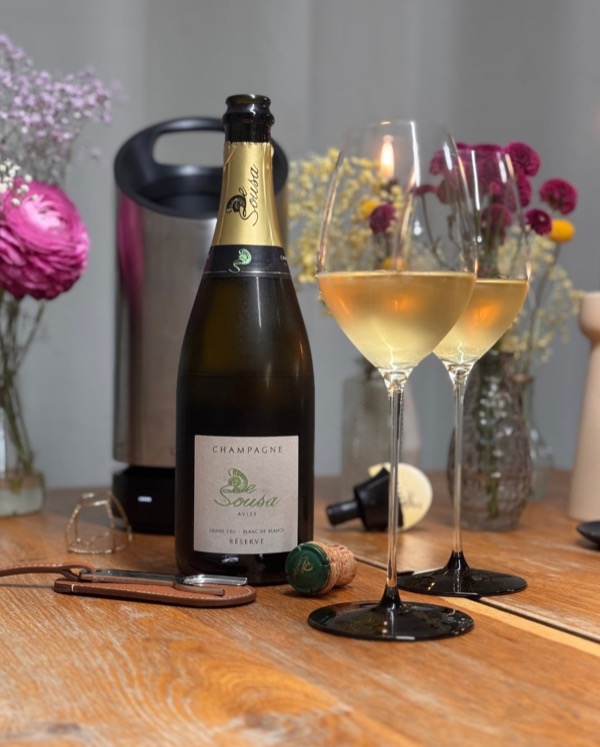
Heute habe ich einen herausragenden Blanc de Blancs geöffnet: Die „Grand Cru Réserve“ von @champagnedesousa aus Avize. Die Familie De Sousa arbeitet…
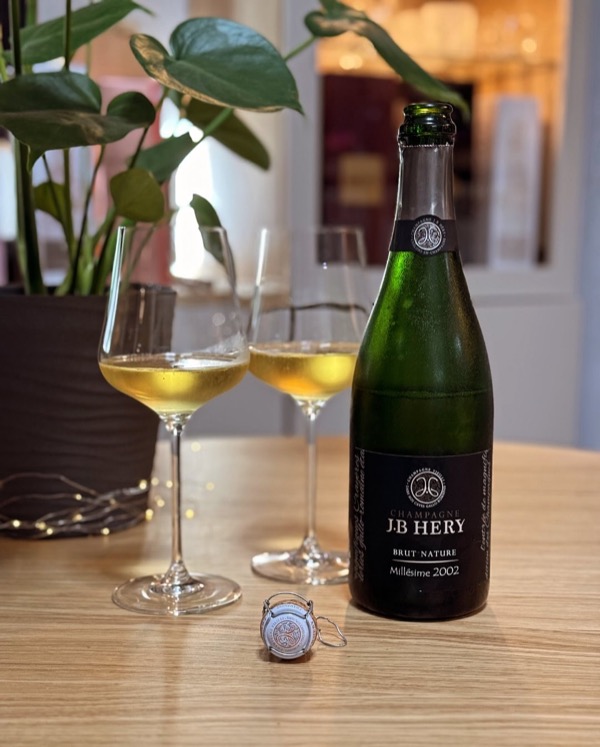
🍾 Heute im Glas: J.B Héry - Millésime 2002 - Brut Nature – ein spannender Fund aus meinem letzten Einkauf. Gerade erst frisch in den Keller…
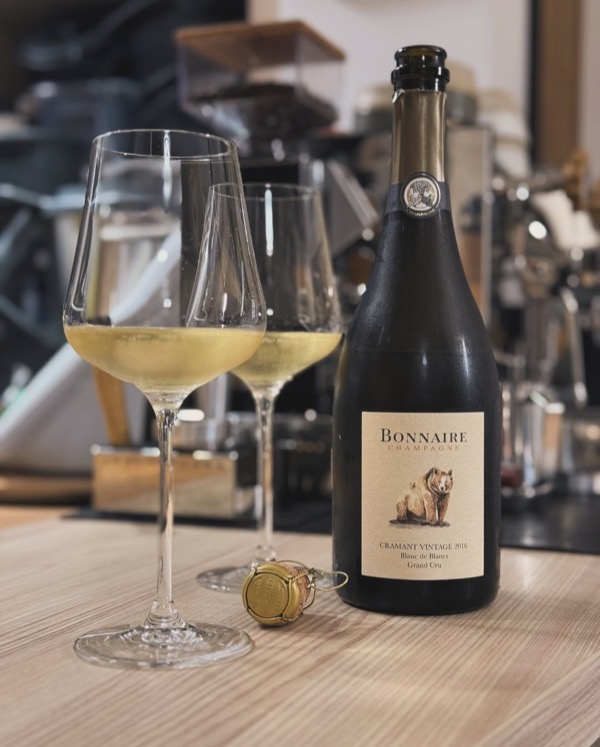
Diese Woche kam eine frische Lieferung direkt aus der Champagne bei mir an – Drei spannende Flaschen von @bonnaireclouet . Für den Auftakt habe ich…
Cramant produces the most "nervous" Chardonnay of the Côte des Blancs — vibrating, citrusy, with an almost electric energy. The champagnes have a lightness and freshness that makes them ideal aperitif wines, but also a depth that makes them age-worthy.
Style
Blanc de Blancs from the Côte des Blancs shows:
- Minerality — Chalk, limestone, almost saline
- Citrus freshness — Lemon, grapefruit, green apple
- Tension — The acidity vibrates without cutting
- Aging potential — The best mature for decades
- Elegance — Fine-beaded, lean, never heavy
Why the Côte des Blancs Is So Special
The combination of chalk terroir and Chardonnay is unique in the wine world. Chardonnay is a grape variety that reflects its terroir like no other — in Burgundy you taste the difference between Meursault and Puligny-Montrachet. In Champagne you taste the difference between Cramant and Le Mesnil. And that within a distance of just a few kilometers.
This terroir transparency makes the Côte des Blancs a mecca for champagne fans who want to understand how soil, site, and climate shape taste. Each village has its own signature, and the best winemakers work to bring this signature into the glass as clearly as possible.
The Côte des Blancs and the Great Houses
Besides the growers, the great houses are also present on the Côte des Blancs. Moët et Chandon owns significant parcels in several Grand Cru villages. Pol Roger, Delamotte, and Deutz also source key base wines from here. For the Prestige Cuvées of many houses, Côte des Blancs Chardonnay is indispensable.
The Côte des Blancs is the place where champagne becomes art. Here you taste terroir in its purest form.
Posts
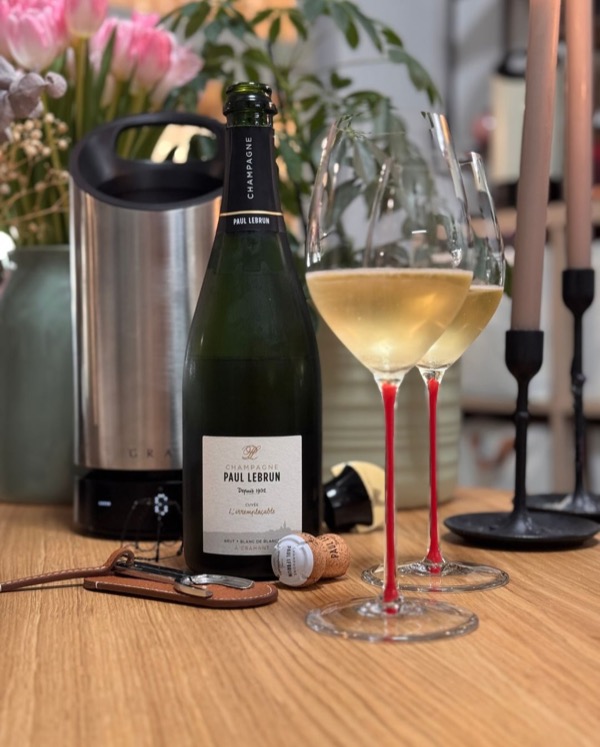
„La passion comme héritage“ – Leidenschaft als Erbe. 🥂✨ Dieser Spruch stand heute in der Kapsel der Cuvée L’Irremplaçable von @champagnepaullebrun…
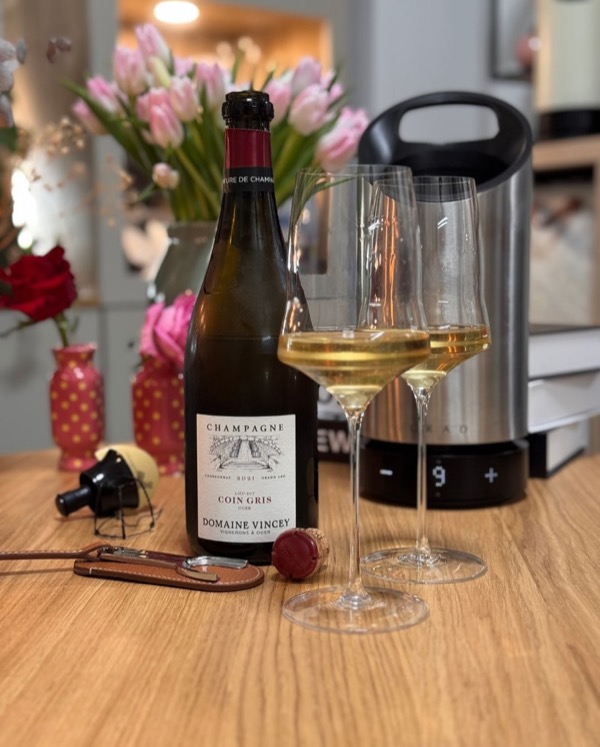
Der „Coin Gris“ von @domainevincey ist ein 100 % Chardonnay aus der gleichnamigen Parzelle (Lieu-dit) im Herzen des Grand-Cru-Dorfes Oger. Das…
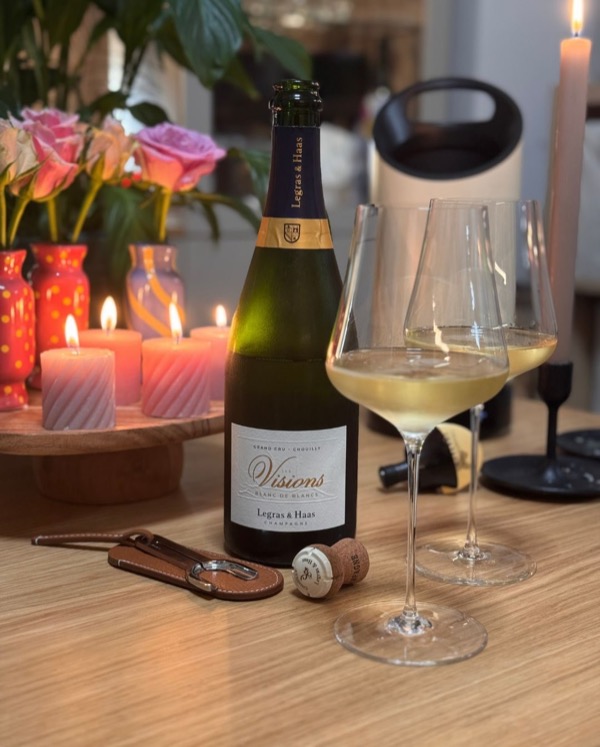
Chouilly ist in der Côte des Blancs oft für seine etwas „großzügigeren“ und cremigeren Chardonnays bekannt. Aber @legras_haas zeigt mit dem „Les…
| Champagnes Tasted | 55 |