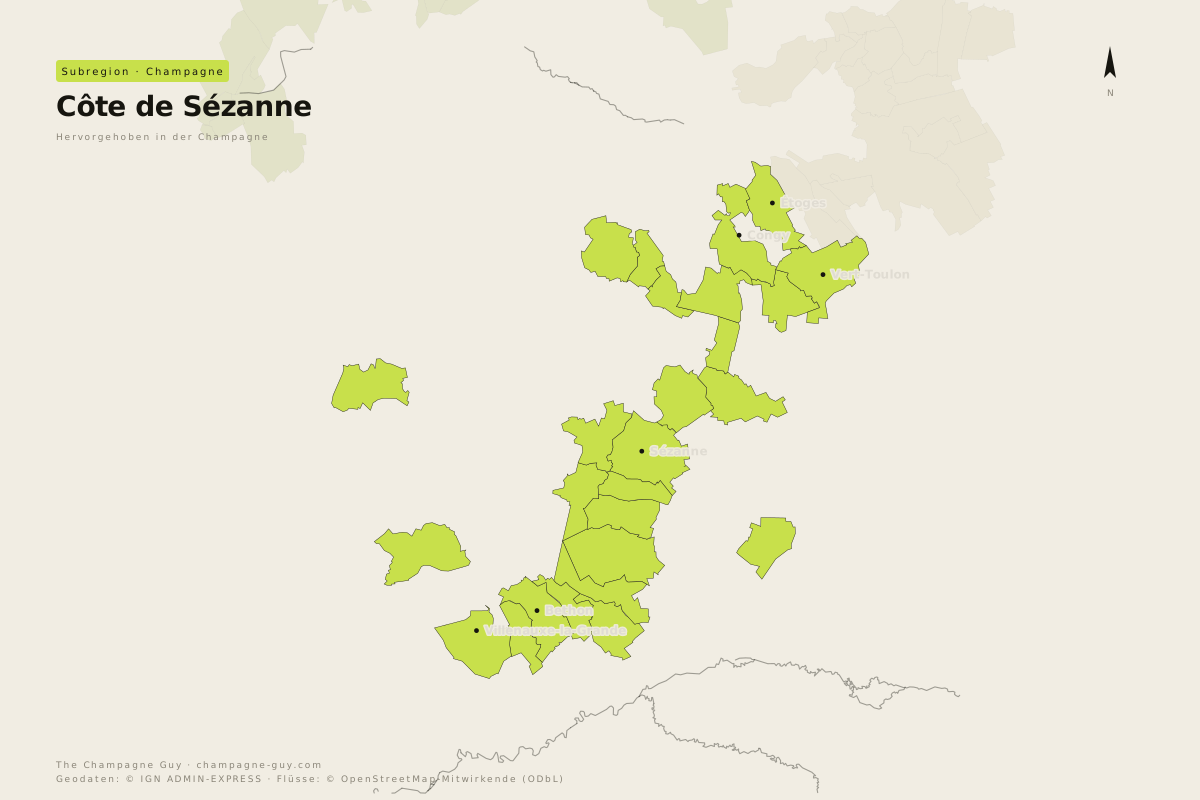
In the Shadow of the Big Brother
The Côte de Sézanne lies south of the Côte des Blancs and is often called its "little sister." The soils are similar (chalk and marl), the climate slightly warmer. The result: Chardonnay Champagnes that are more fruity and accessible than the austere wines from Cramant or Le Mesnil.
The Côte de Sézanne begins where the Côte des Blancs ends, south of Vertus. Geographically it's a continuation of the same ridge, but there are subtle differences: the elevation is lower, the slope gentler, and the chalk is mixed with more clay and marl. These small variations add up to a distinctly different wine character.
Terroir in Detail
The soils of the Côte de Sézanne are less purely chalky than those of the Côte des Blancs. Chalk is still the foundation, but the upper layers contain more clay, sand, and marl. This has direct effects on the wine:
- More clay means better water retention and more opulent wines
- Less bare chalk means less mineral austerity
- The warmer microclimate brings riper fruit with lower acidity
For Chardonnay, this means: it's harvested riper here than on the Côte des Blancs. The grapes have more sugar, less acidity, and a broader aroma profile. Instead of the piercing citrus minerality of the Grand Crus, you find riper fruit here: yellow apple instead of green, pear instead of lemon, honey instead of chalk.
The Champagne Style of the Côte de Sézanne
The Champagnes of this region have a distinctive character:
- Ripe fruit: Yellow apple, pear, mirabelle, sometimes a hint of tropical notes
- Soft acidity: Less taut than Côte des Blancs, but more accessible
- Roundness: A creamy, full mouthfeel
- Floral notes: Acacia, hawthorn, a floral lightness
- Early drinking maturity: Most Champagnes from here don't need years of bottle aging
This doesn't make the Côte de Sézanne worse than the Côte des Blancs, just different. If you're looking for a Blanc de Blancs that's immediately enjoyable without waiting five years, this is the right place. If you want taut, mineral tension that only opens after years, Le Mesnil is the better choice.
Why the Côte de Sézanne is Interesting
- Value: Significantly cheaper without the Grand Cru premium
- Accessibility: The Champagnes are ready to drink earlier
- Character: Riper fruit, softer acidity, yet still finesse
- Rising region: More and more growers are making distinctive, exciting Champagnes here
The value proposition is perhaps the strongest argument. An excellent Blanc de Blancs from the Côte de Sézanne often costs half as much as a comparable Champagne from a Grand Cru village of the Côte des Blancs. And in many cases, the difference in quality is smaller than the difference in price.
Important Villages
The most significant winemaking communes of the Côte de Sézanne:
My Posts About This
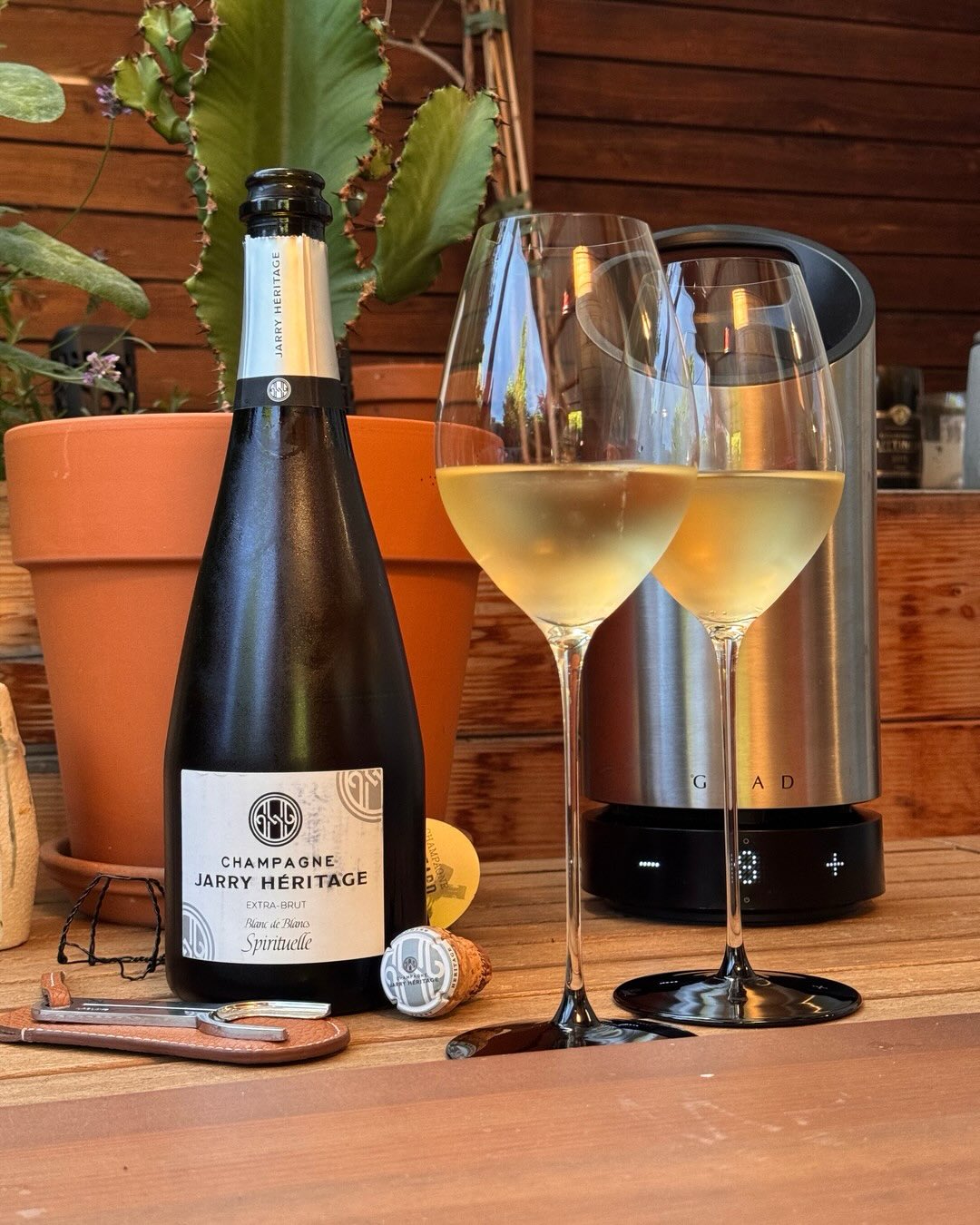
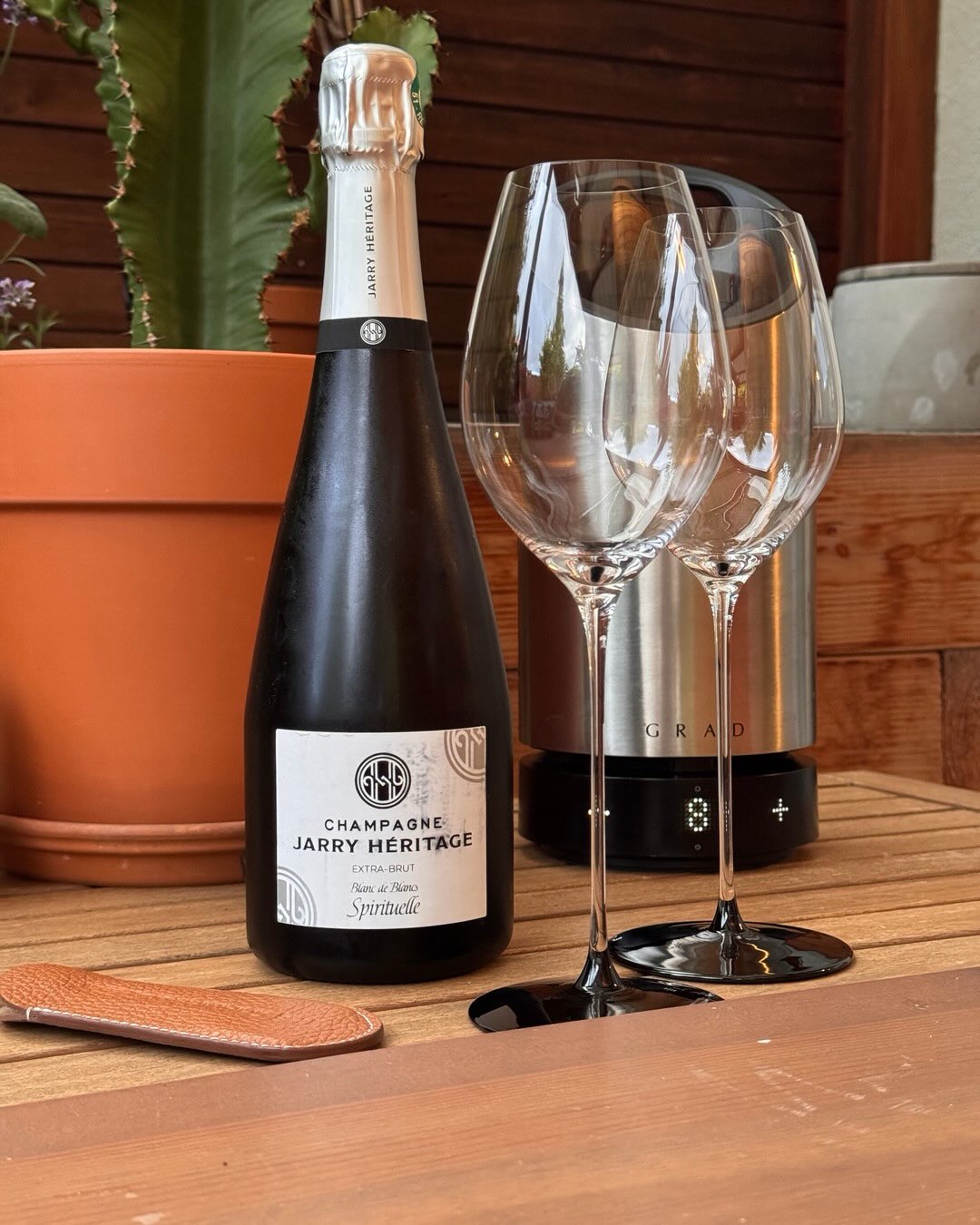
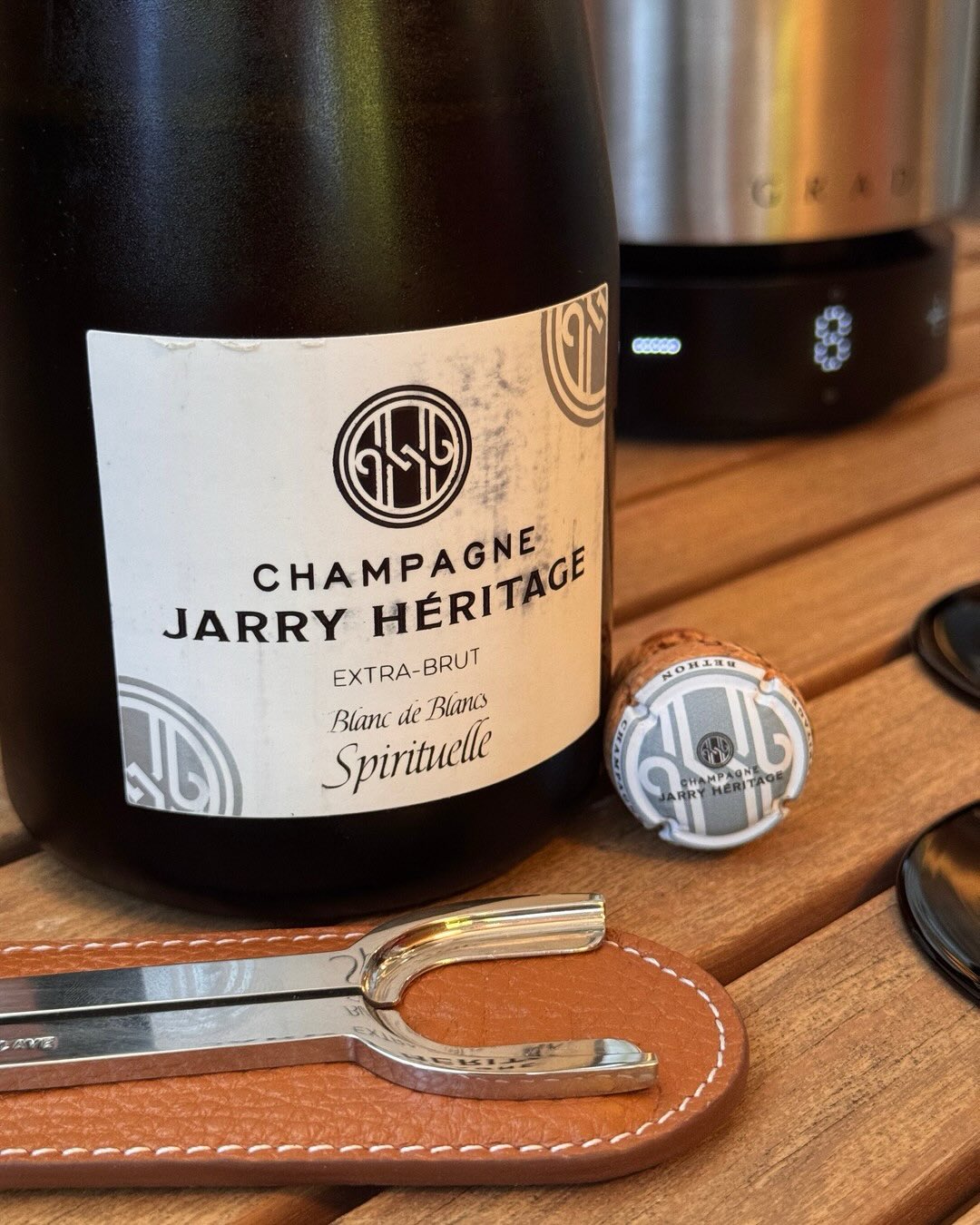
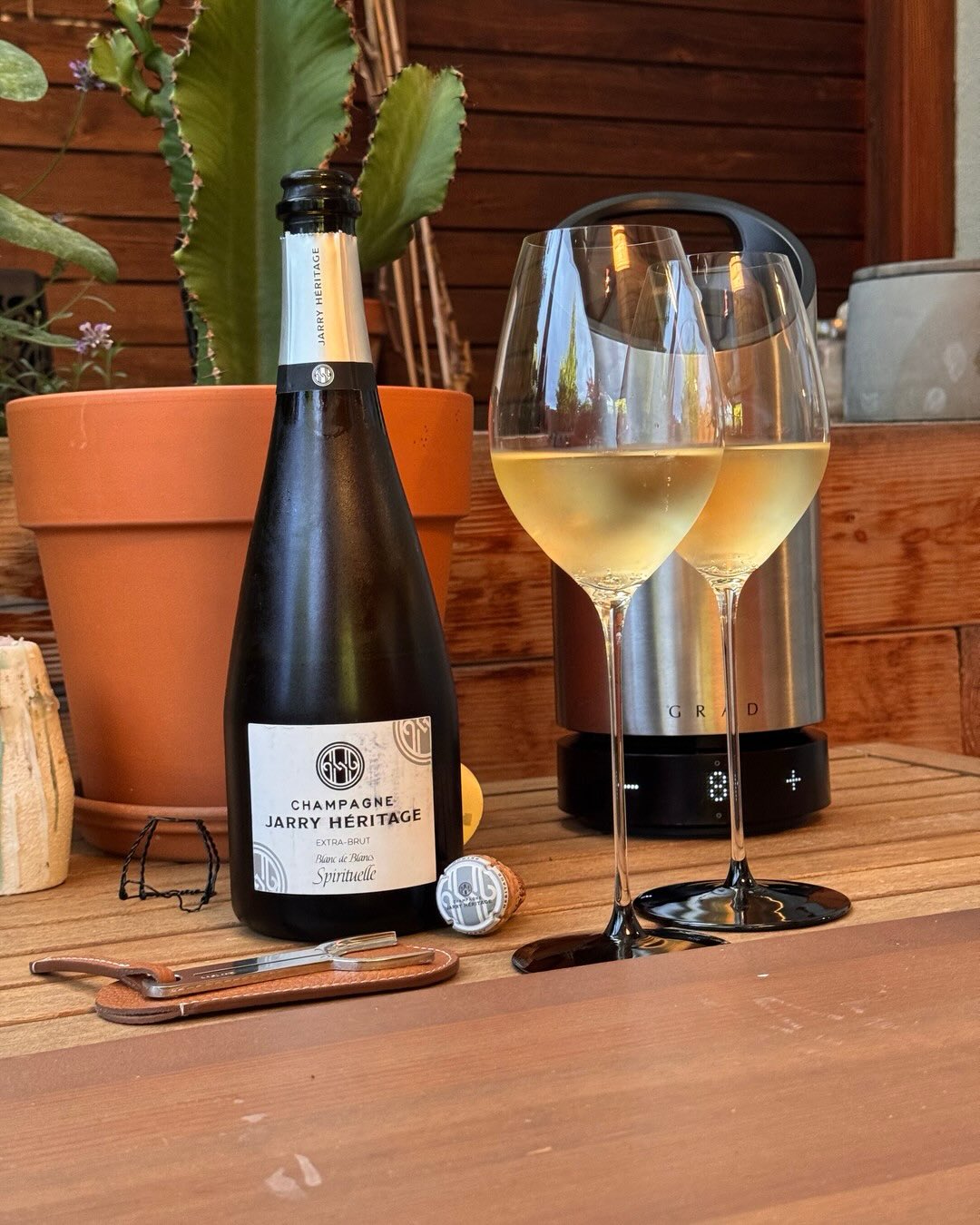
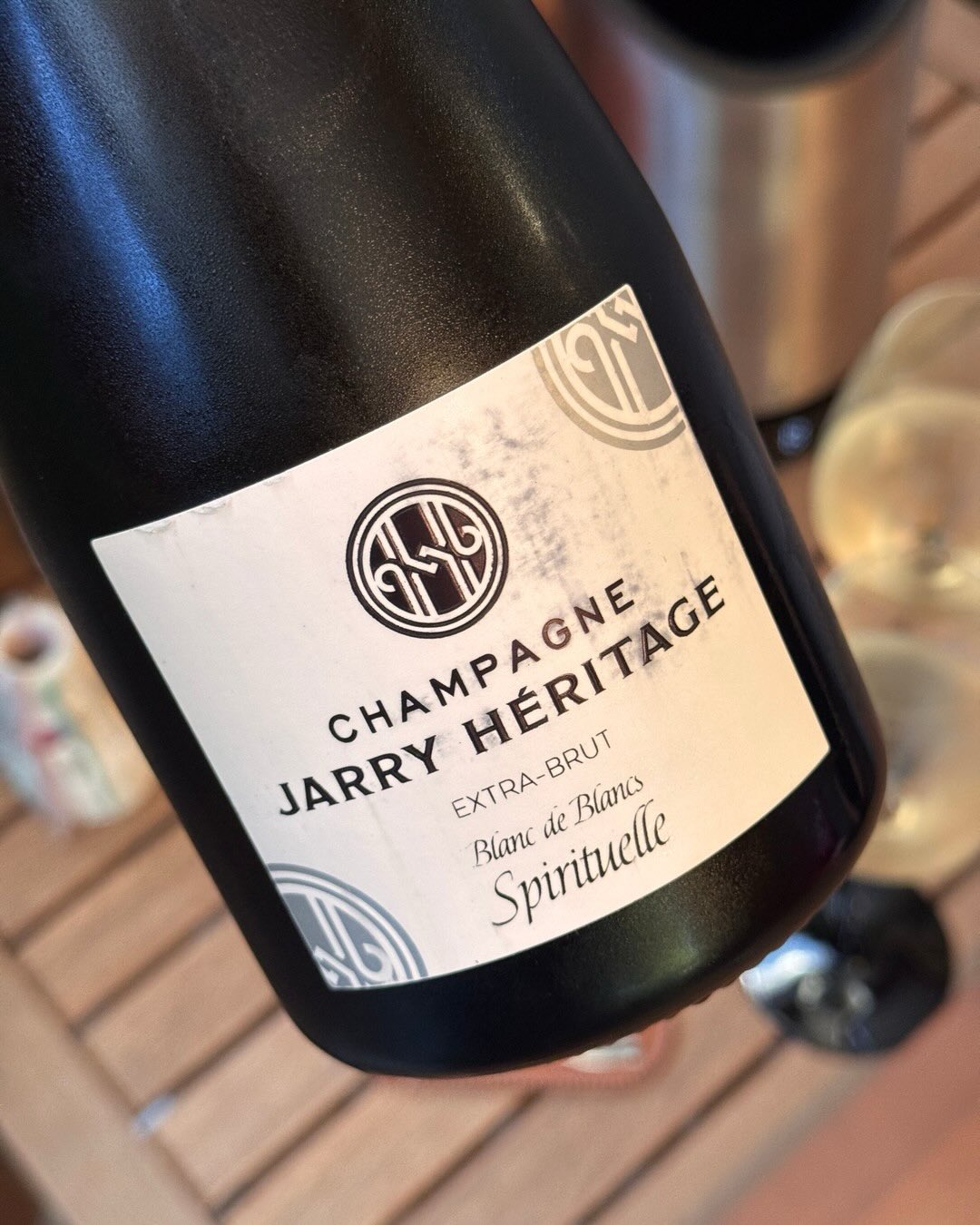
the_champagne.guy Heute gibt’s frisch gepflücktes Obst in der Flasche in Form der „La Spirituelle“ von Champagne @champagne_jarry_heritage aus Bethon, direkt im Herzen der Côte de Sézanne. Bethon ist eine Lage, die ich bisher kaum auf dem Radar hatte: Chardonnay-Gebiet, aber mit einem anderen Charakter als die Côte des Blancs weiter nördlich. Dieser 100% Chardonnay verbringt seine Zeit als Grundwein im Stahltank, nur die Dosage-Liqueur reift im Holz. Das sorgt für klare Frucht ohne Schmelz. Und genau das merkt man: straffe Birne, unreifes Steinobst, eine Säure, die wirklich beißt. Ich gehöre definitiv zur Fraktion, die Früchte lieber eine Woche zu früh als eine Woche zu spät pflückt. Wer Champagner immer zugänglich und rund braucht, wird hier vielleicht zögern. Ich nicht. 🍾 Assemblage: 100% Chardonnay 🏆 Jahrgang: NV 🍷 Ausbau: Stahltank (Grundwein), Holzfass (Dosage-Liqueur), MLF unbekannt ⏱ Reifung: 36 Monate auf der Hefe 🥂 Dosage: 2 g/l (Extra Brut) 📍 Lage: Bethon, Côte de Sézanne 💡 Charakter: straff, zitrisch, mineralisch, präzise Laut Johan Jarry, der mir die Flasche persönlich zugeschickt hat, ist die La Spirituelle explizit für Austern konzipiert. Das macht nach der ersten Verkostung absolut Sinn auch wenn ich heute keine Austern zu Hand hatte. Aber diese Gelegenheit wird noch kommen. #BlancdeBlancs @riedel_official @riedelteam_france @laclaye @grad.dk #CoteDeSezanne #JarryHeritage #ExtraBrut #TheChampagneGuy
Auf Instagram weiterlesen →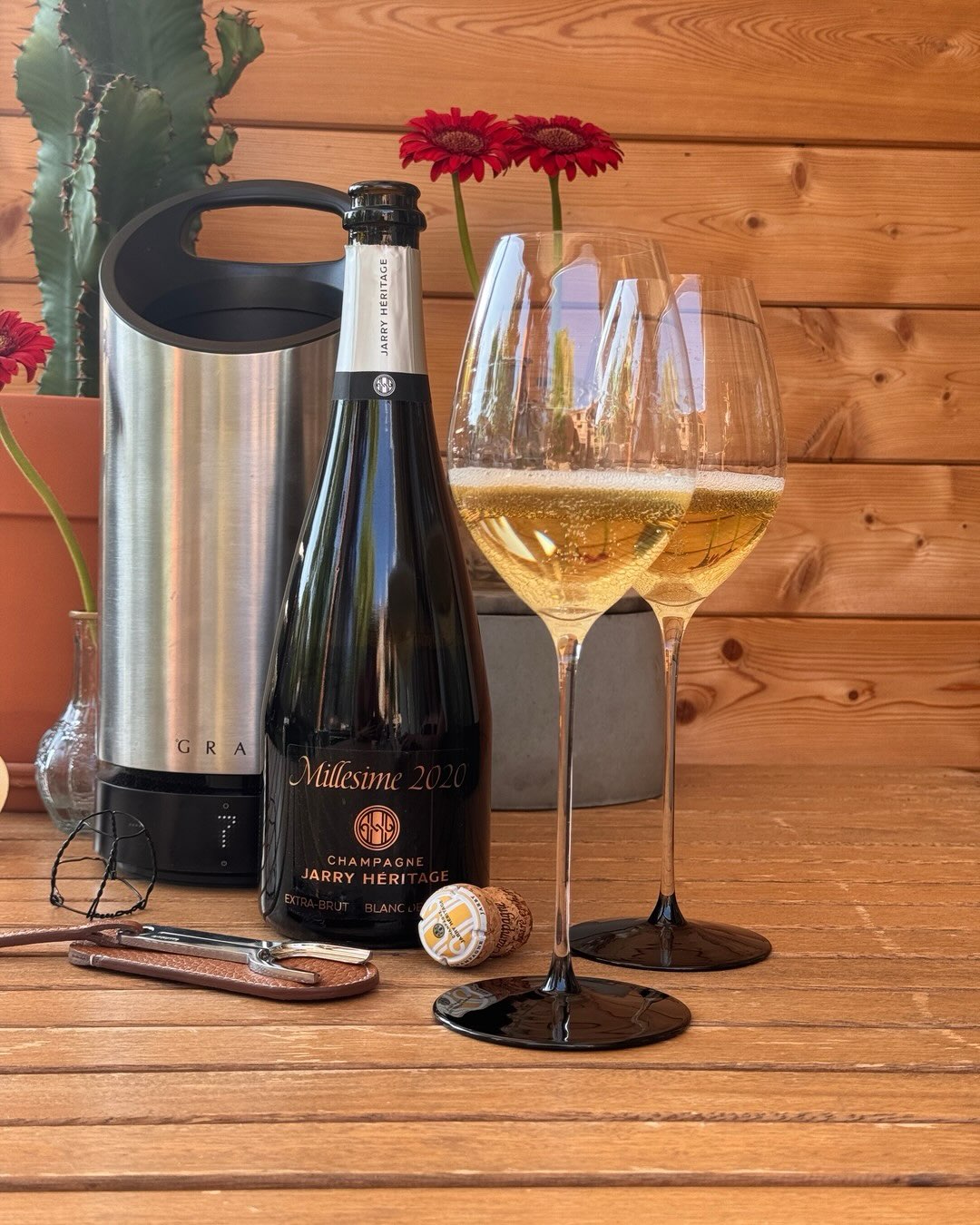
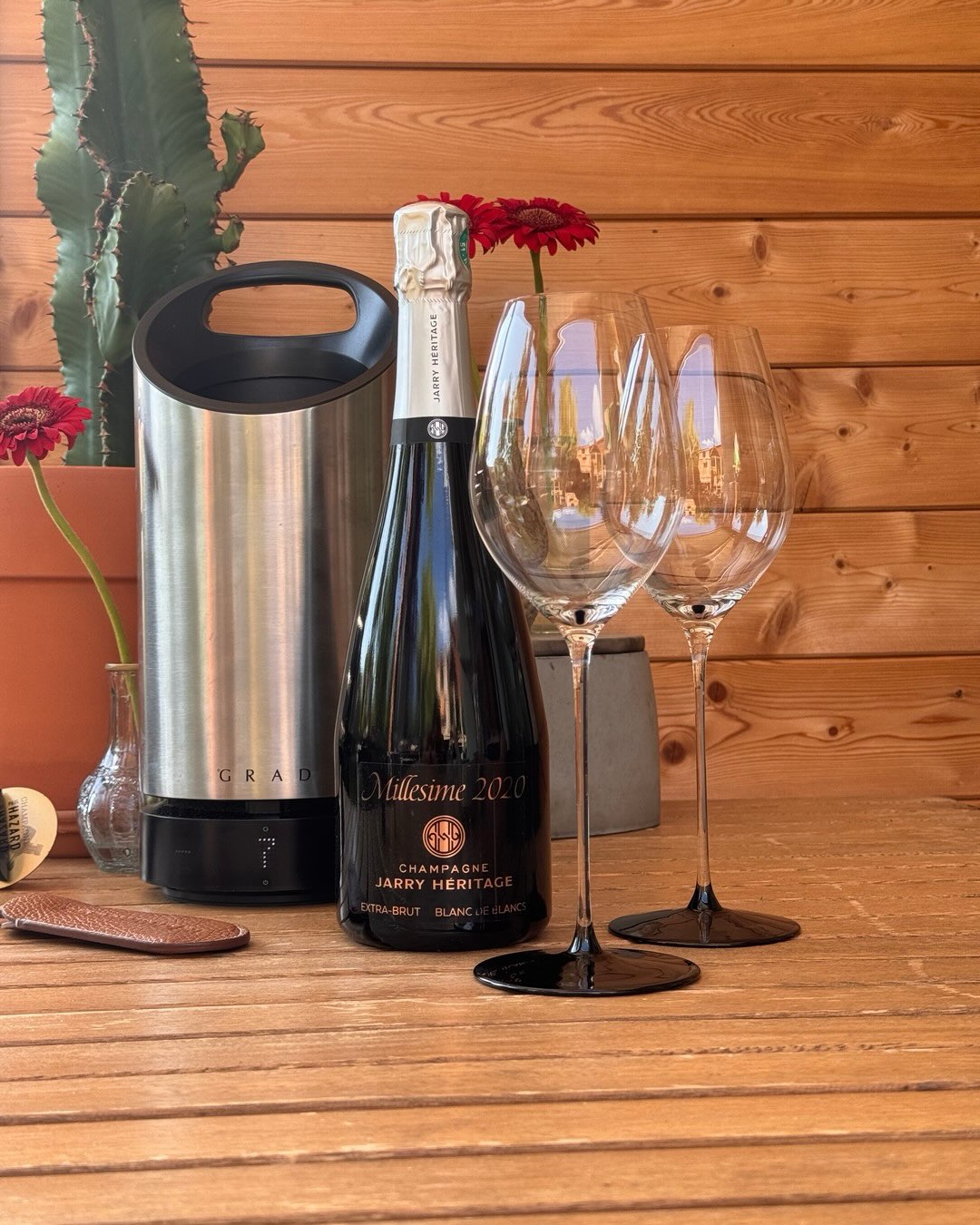
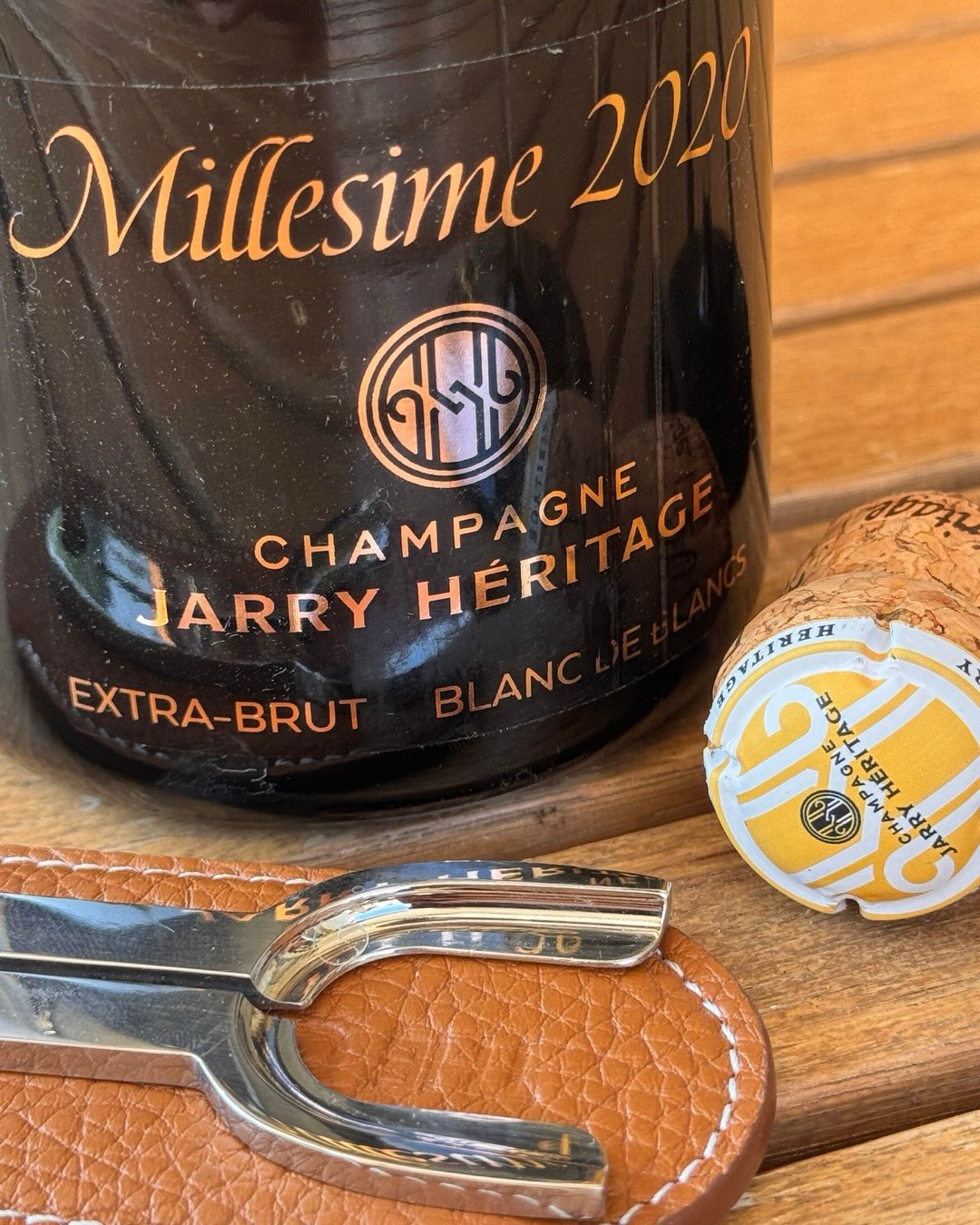
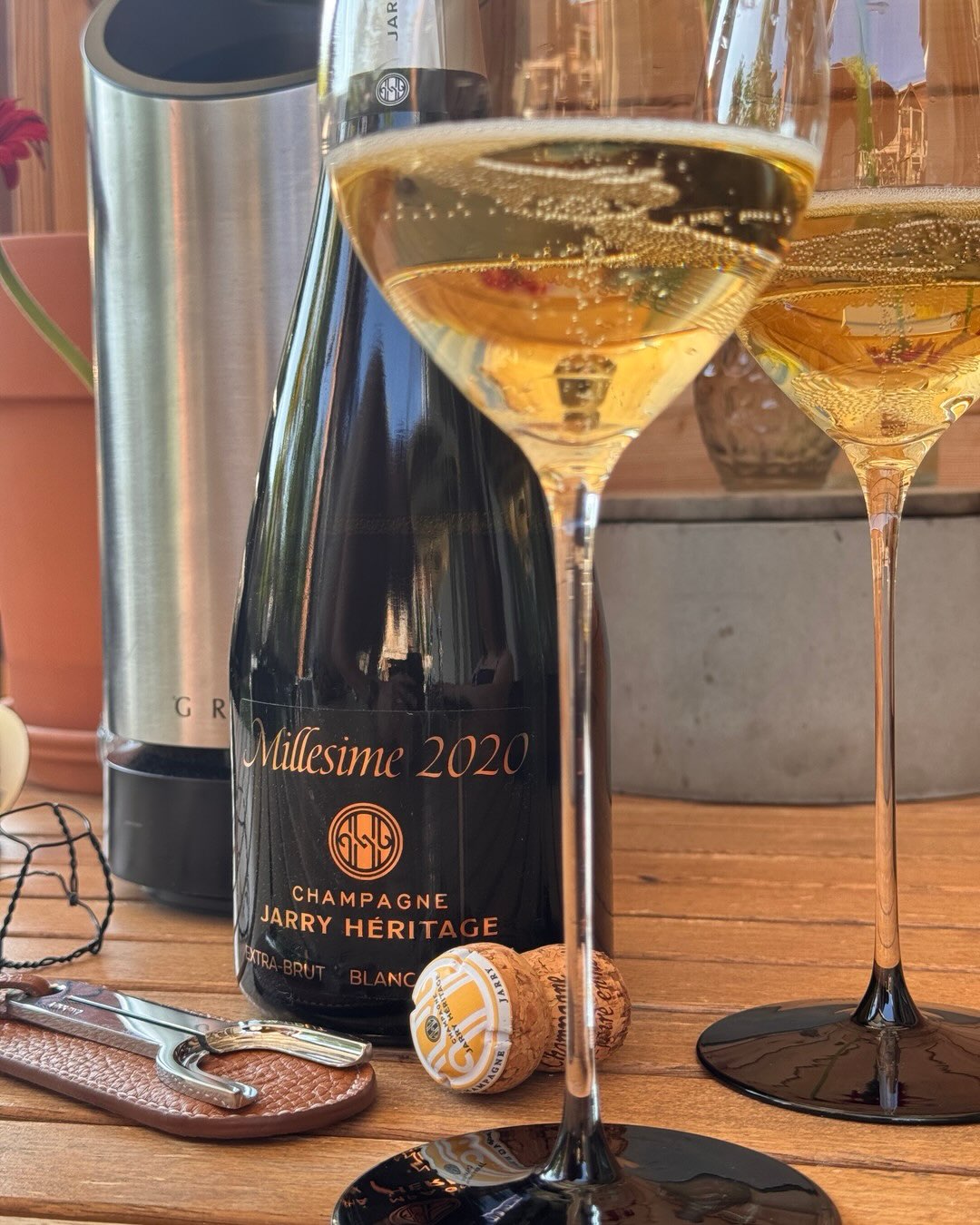
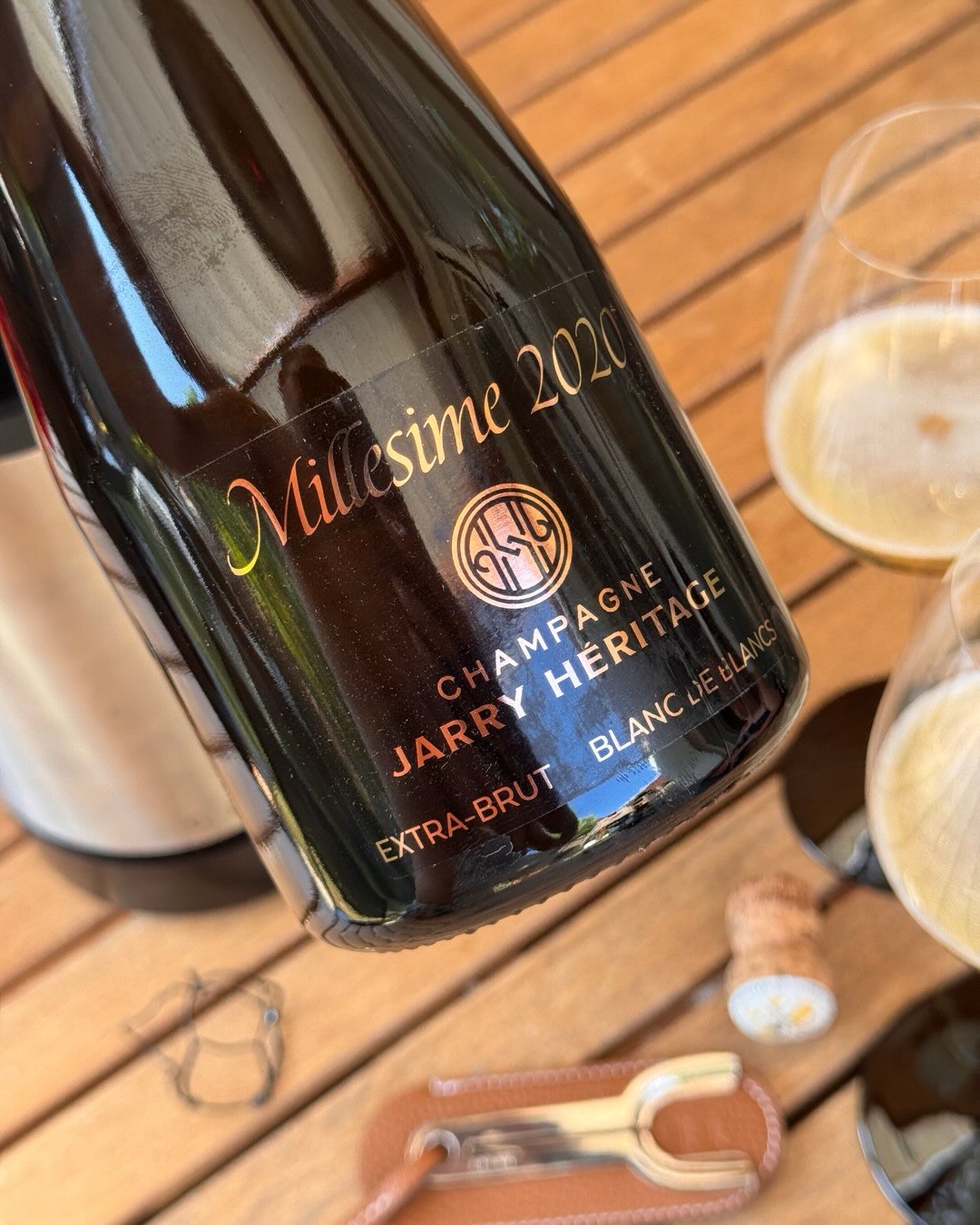
the_champagne.guy Diese Cuvée hat eine Tiefe und Wucht, die ich so selten bei reinem Chardonnay erlebt habe. 100% Chardonnay, 48 Monate Hefelagerung, 4 g/l Dosage, Jahrgang 2020. Das klingt erstmal nach einem klassischen, schlanken Blanc de Blancs aber das hier war wirklich der Hammer. @champagne_jarry_heritage kommt aus Bethon, mitten in der Côte de Sézanne. Eine Region, die gerne im Schatten der Côte des Blancs steht, aber Chardonnay produziert, der sich spürbar anders anfühlt. Weniger filigran, erdiger, mit mehr Substanz. Die Millesime 2020 ist 100% Bethon-Chardonnay, vinifiziert im Edelstahl, was den Fokus komplett auf Frucht, Reifung auf der Hefe und den Jahrgang selbst legt. Vier Jahre Hefelagerung haben hier offensichtlich ihre Spuren hinterlassen. 🍾 Assemblage: 100% Chardonnay (Bethon) 🏆 Jahrgang: 2020 🍷 Ausbau: Edelstahl, keine MLF-Angabe ⏱ Reifung: 48 Monate sur lattes 🥂 Dosage: 4 g/l (Extra Brut) 📍 Lage: Bethon, Côte de Sézanne 💡 Charakter: tief, mineralisch, straff, oxidativ Für mich ist das ein großartiger Blanc de Blancs der nicht so ganz ins Muster passt. Wuchtig, klar, und mit einer Hefe-Prägung, die ich so bisher kaum bei dieser Stilistik erlebt habe. #BlancdeBlancs #CoteDeSezanne @riedel_official @riedelteam_france @laclaye @grad.dk @grad_rd #Vintage2020 #JarryChampagne #TheChampagneGuy
Auf Instagram weiterlesen →| Village | Character |
|---|---|
| Sézanne | Namesake, fruity Chardonnay, soft |
| Bethon | Somewhat chalkier, more structured |
| Villenauxe-la-Grande | Round, floral, accessible |
| Barbonne-Fayel | Rural, honest, good value |
The Grower Scene
The Côte de Sézanne has long stood in the shadow of the more northern regions. Most growers here sold their grapes to the big houses instead of bottling their own Champagnes. This is increasingly changing. A younger generation is discovering the region's potential and bringing distinctive, terroir-driven Champagnes to market.
These growers benefit from a double advantage: on one hand, they have access to good sites that haven't yet reached the astronomical prices of the Grand Cru villages. On the other hand, they can work in the slipstream of the Côte des Blancs: when someone says "Chardonnay from Champagne," they immediately have the attention of Blanc de Blancs fans.
Côte de Sézanne and Climate Change
An often underestimated factor: the Côte de Sézanne could benefit from climate change. In a warmer Champagne, the quality centers are shifting. Regions previously considered "too warm" are moving into the sweet spot. At the same time, the cooler Grand Cru sites on the Côte des Blancs could lose their character if temperatures continue to rise.
The Côte de Sézanne, previously regarded as "riper" and "softer," could in the future produce the character that the Côte des Blancs delivers today. This is speculation, but it's speculation that fills estate owners in the region with optimism.
The Côte de Sézanne is the insider tip for Blanc de Blancs lovers who don't have the budget for Grand Crus but still want first-class Chardonnay.
Related
- The 17 Grand Crus of Champagne: all 17 Grand Cru villages with region, main grape variety and character
- The 42 Premier Crus of Champagne: all Premier Cru villages with Échelle score
- All Champagne Regions: overview of the 5 subregions
Posts
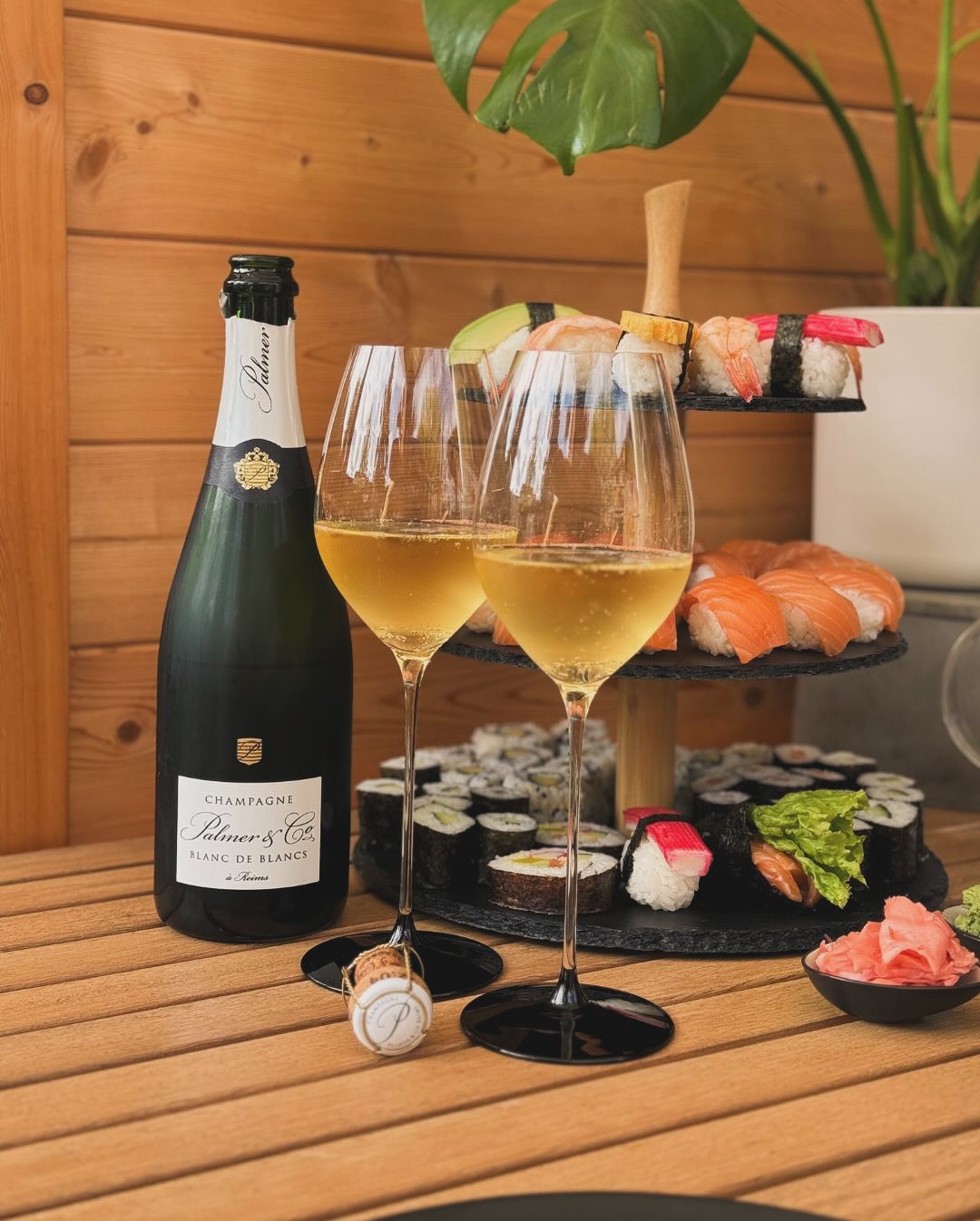
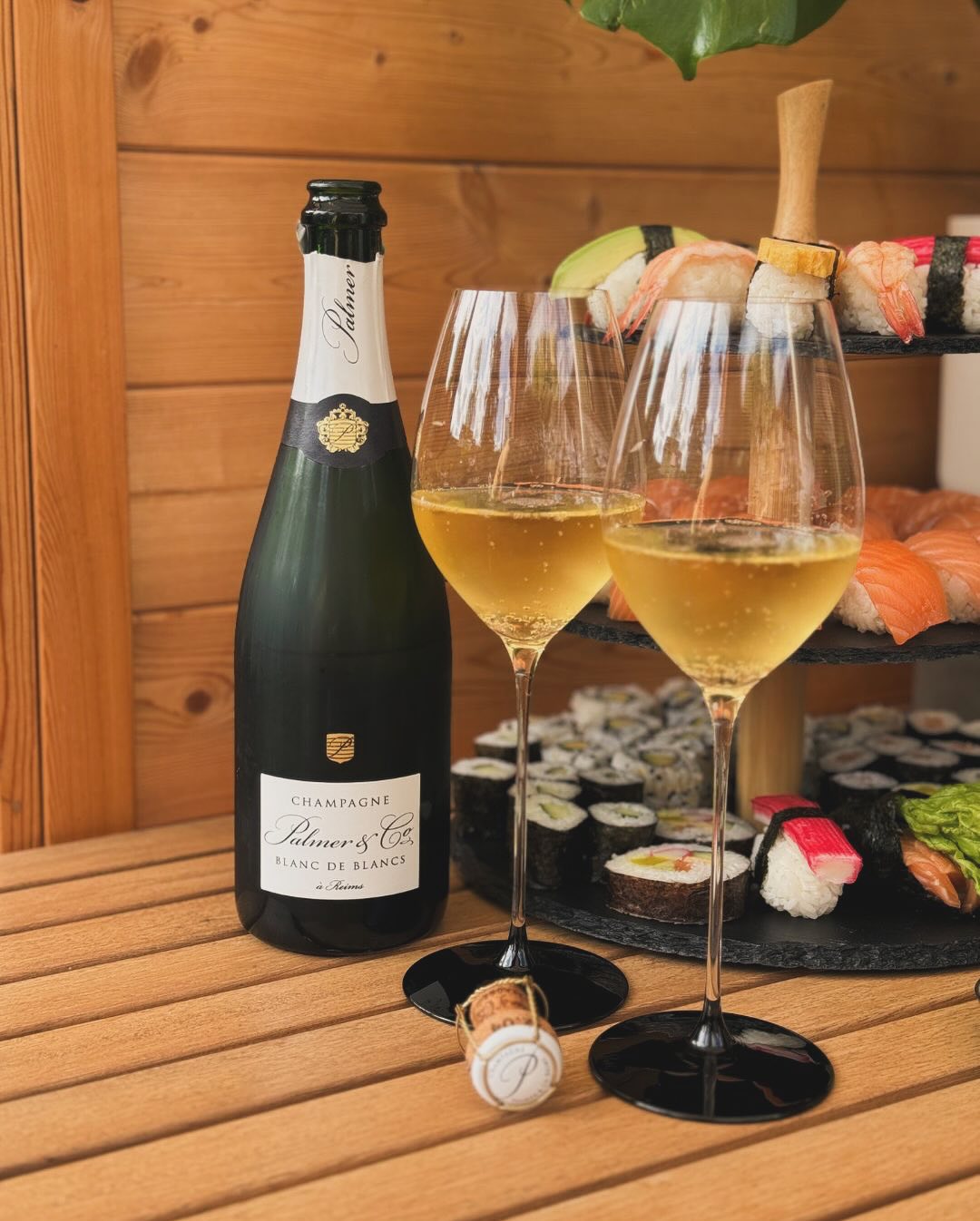
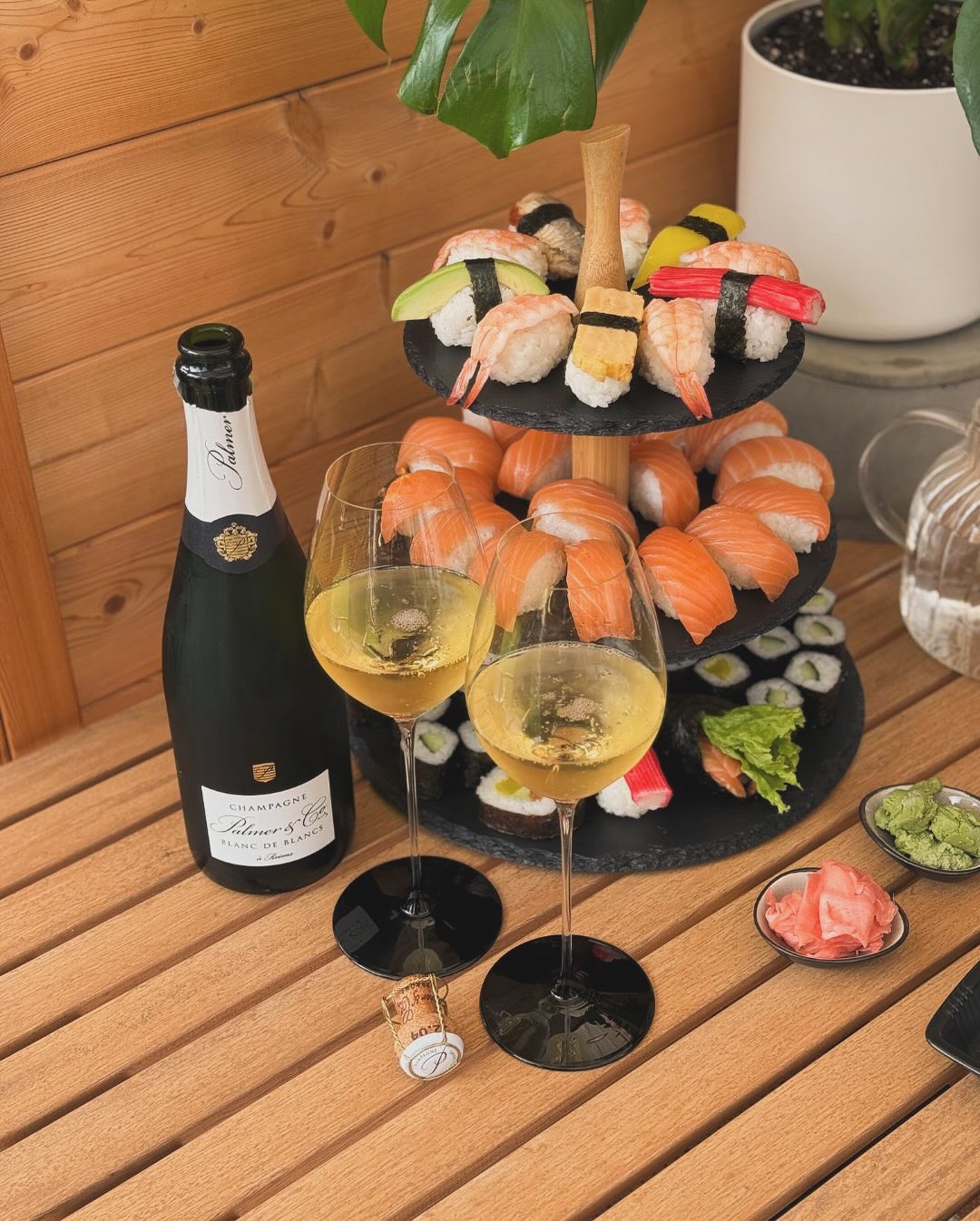
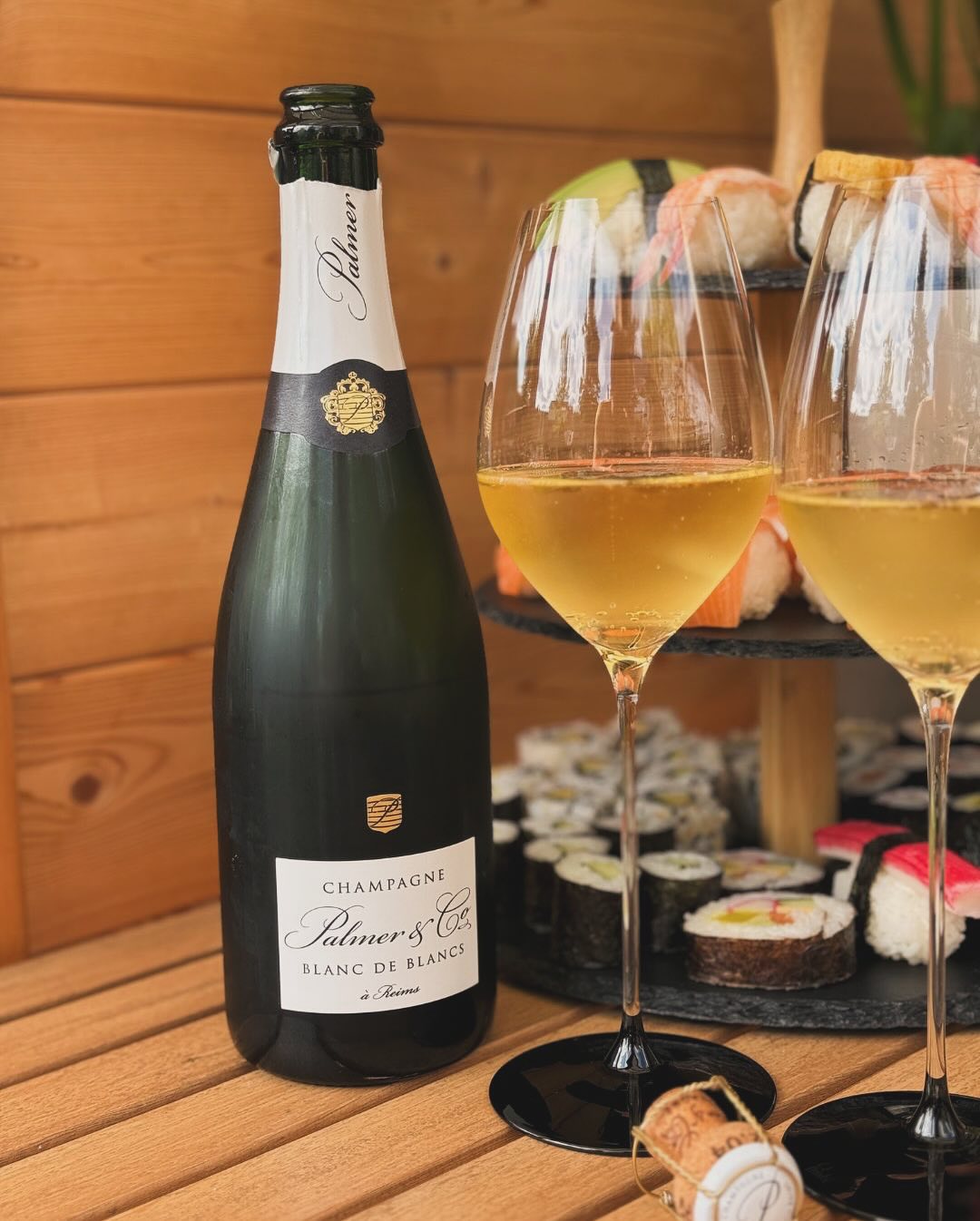
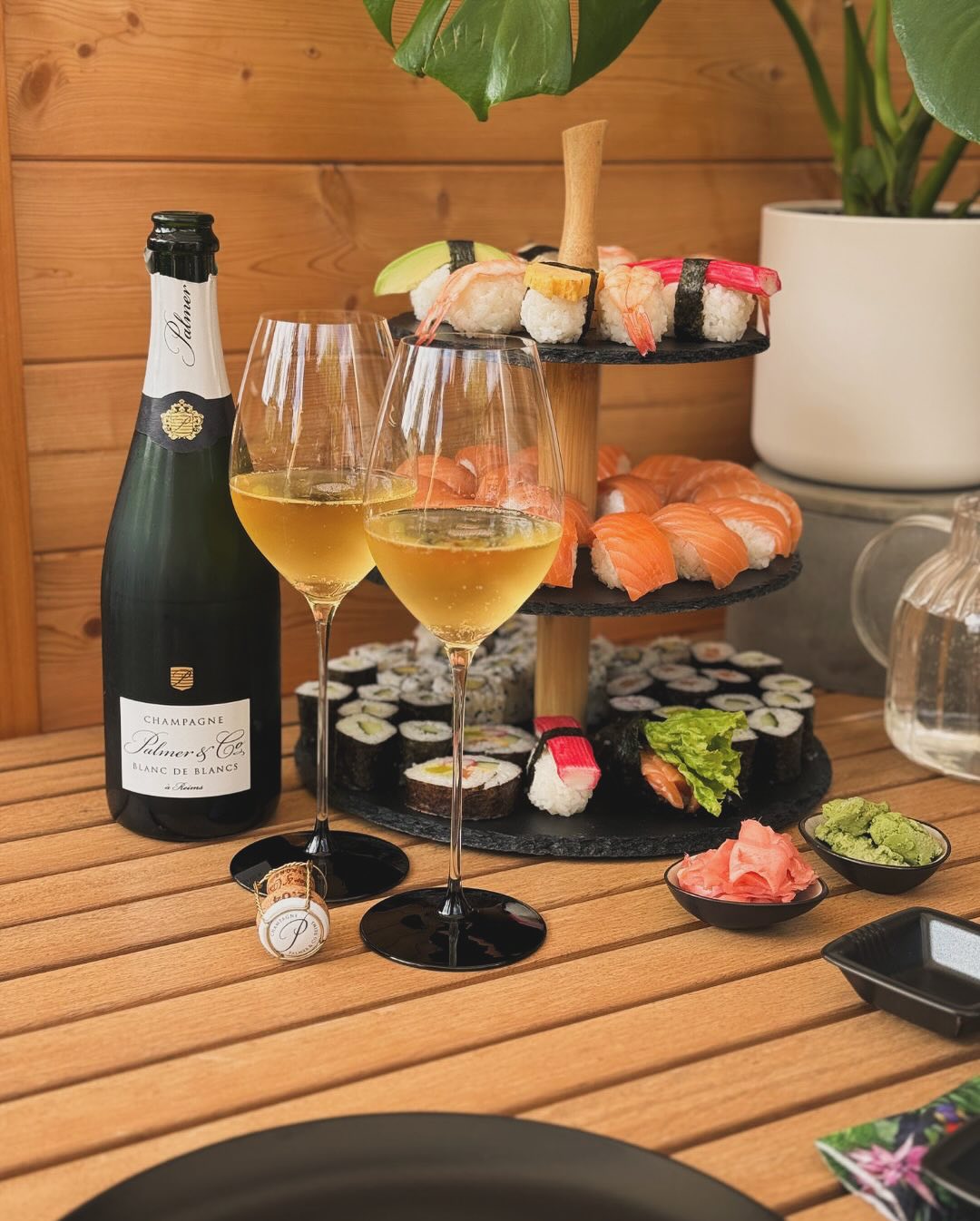
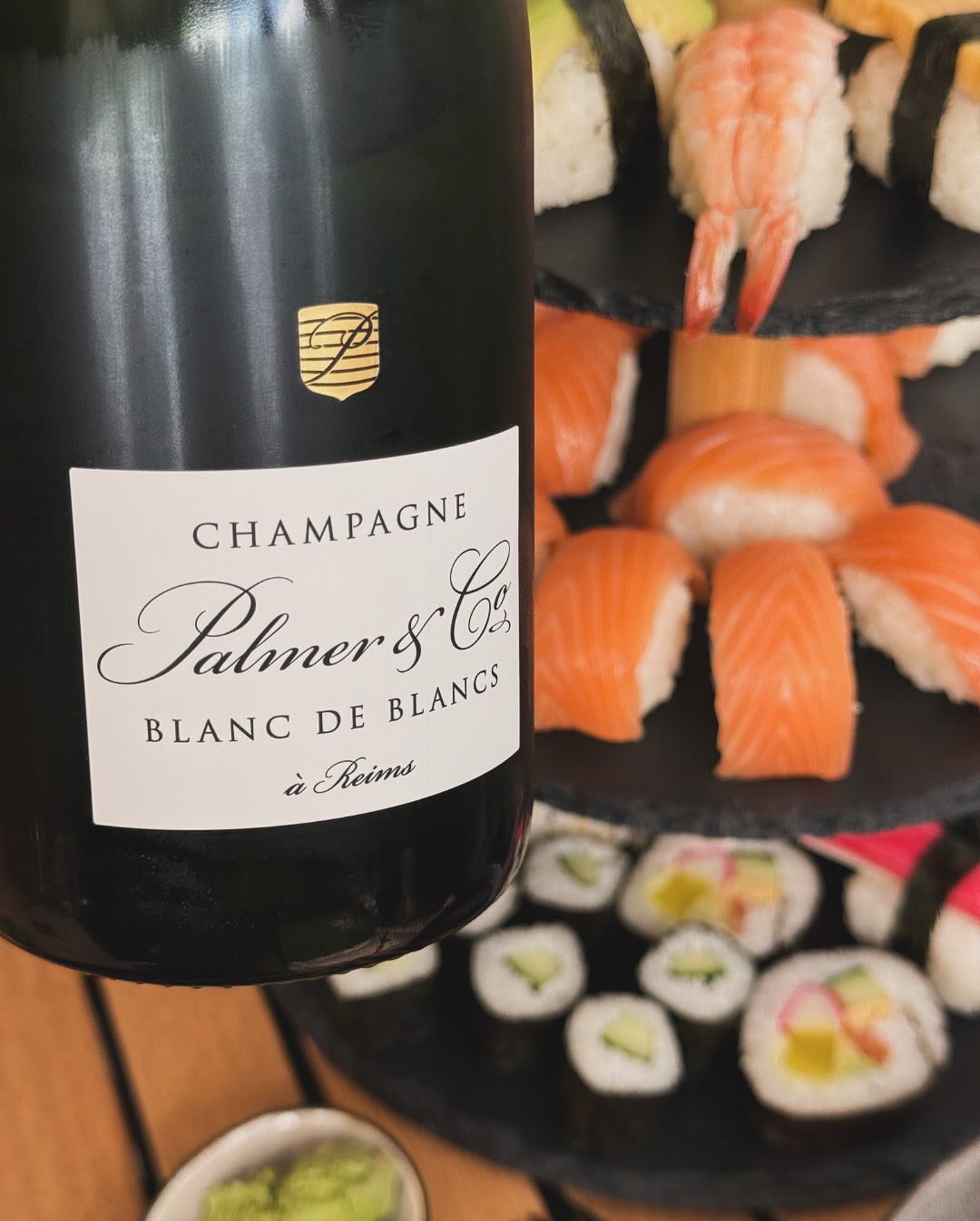
the_champagne.guy Heute mal keine große Küche – sondern das beste Konzept überhaupt: Sushi bestellt, Sonne genossen, Glas eingeschenkt. Und was passt besser zu frischem Fisch, Reis & Wasabi als ein reiner, eleganter Blanc de Blancs? @champagnepalmer – Blanc de Blancs 🍾 100 % Chardonnay, 100 % auf den Punkt. Zitrus, feine Mineralität, ein Hauch Brioche – leicht genug für Nigiri & Maki, kraftvoll genug für Temaki. Auf dem Teller: – Kappa-Maki (Gurke) 🥒 – Lachs-Nigiri 🍣 – Garnelen-Nigiri (Ebi) – Futo-Maki (gefüllt mit Gemüse, Omelett, Fisch) – Lachs-Temaki (handgerollt, mit Reis & Algen) – Hühnersuppe mit Eierblumen 🥣 – Gari (eingelegter Ingwer) & Wasabi 🍾 Champagner-Facts zum Palmer Blanc de Blancs: - 100 % Chardonnay - Trauben aus Premier und Grand Cru Lagen (Côte des Blancs, Côte de Sézanne) - Mindestens 5 Jahre Hefelager - Dosage: ca. 7–8 g/l - Aromen: Zitrus, weiße Blüten, feine Brioche, Mandeln - Stil: elegant, mineralisch, frisch und cremig zugleich Wie man mit wenig Arbeit einen perfekten Sonntag-Nachmittag schafft ❤️ #TheChampagneGuy @riedel_official #SushiAndChampagne #PalmerChampagne #BlancDeBlancs #SushiLiebe #NigiriAndChampagne #Champagnerzeit #Foodpairing
Auf Instagram weiterlesen →| Champagnes tasted at home | 4 |