On the Edge of Champagne
Vitry-le-François sits on the eastern edge of the Champagne appellation, far removed from Reims and Épernay. The region is small, little known, and primarily produces grapes for the assemblages of the grand houses.
When searching for Vitry-le-François on a map of Champagne, you have to look far to the east — almost toward Lorraine. The region lies over 80 kilometers from Épernay and more than 100 kilometers from Reims. For most Champagne tourists, it's unreachable, and even most Champagne connoisseurs have never been there.
This isolation has a reason: Vitry-le-François belongs to the peripheral areas of the appellation. Historically, the Champagne boundary was drawn generously, and Vitry-le-François lies at the outermost periphery. The region was always included — but never at the center.
Terroir and Geology
The soils differ significantly from the famous chalk layers of central Champagne. Instead of pure belemnite chalk, you find here:
- Clay-limestone soils — Heavier, more water-rich, less drained
- Marl — A mixture of limestone and clay that gives the wines a different texture
- Sand deposits — In some parcels you find sandy soils that produce lighter wines
The climate is somewhat more continental than in the center of Champagne — colder winters, warmer summers, but also more frost danger in spring. The temperature swings between day and night are greater, which theoretically is good for aroma development.
Grape Varieties
In Vitry-le-François you find all three main varieties, but the distribution is different than in the central regions:
- Chardonnay dominates on the more limestone-rich parcels
- Pinot Noir grows on the warmest sites
- Pinot Meunier fills the frost-prone valley locations
The Chardonnay champagnes from this region have a distinctive character — less mineral-taut than the Côte des Blancs, but with a broad, fruity generosity that promises drinking pleasure.
Character of the Wines
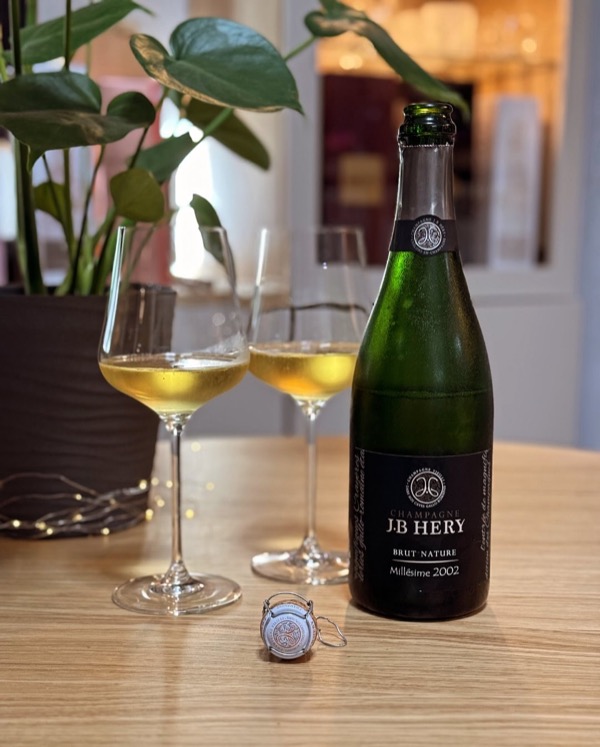
🍾 Heute im Glas: J.B Héry - Millésime 2002 - Brut Nature – ein spannender Fund aus meinem letzten Einkauf. Gerade erst frisch in den Keller…

Hier am Tisch herrscht gerade kreatives Chaos der schönsten Sorte: @autorin.olive.wilson bereitet akribisch und mit wahnsinnig viel Liebe ihre…
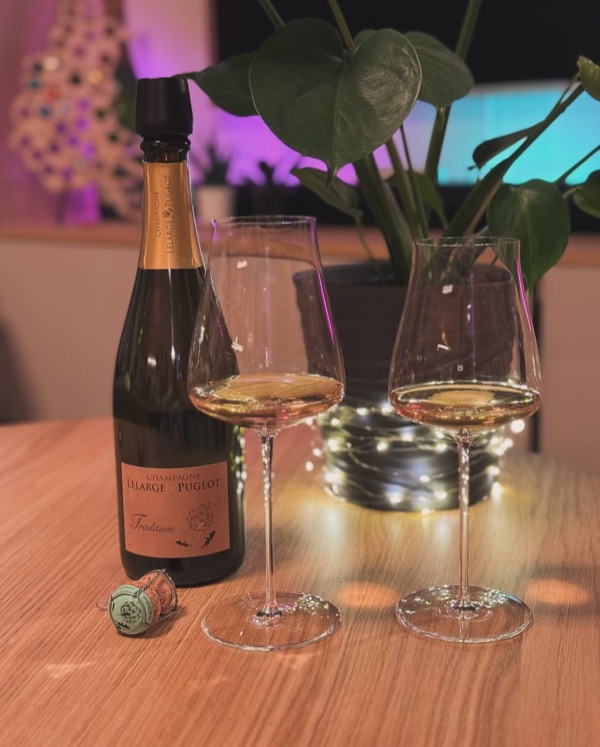
Vor über 10 Jahren habe ich im Rahmen eines Projekts für eine Weinverkostung und ein Feature in einem Print-Magazin Gläser von @eisch_glass ,…
The few winegrowers who bottle independently here produce champagnes with a rural, honest character. Less finesse than the Côte des Blancs, less power than the Montagne de Reims — but with their own identity.
What distinguishes champagnes from Vitry-le-François:
- Honesty — No attempt to imitate the style of the famous regions
- Fruit emphasis — Ripe, accessible aromas without excessive complexity
- Drinking pleasure — Champagnes you open and enjoy without analyzing them
- Rustic charm — An earthiness that has become rare in Champagne
The Role as Grape Supplier
The main function of Vitry-le-François in the Champagne economy is as a grape supplier. The grand houses buy grapes here for their Brut Sans Année assemblages — the base wines from Vitry-le-François give the blends volume and fruit without being dominant.
For the region's winegrowers, this is a double-edged sword. On one hand, grape sales guarantee a secure income. On the other hand, it keeps the region in anonymity — whoever sells their grapes to Moët will never be known as an independent producer.
Why Vitry-le-François Deserves Attention
There are reasons to have this region on your radar:
Value: Land prices in Vitry-le-François are a fraction of the Grand Cru regions. This means: winegrowers who produce independently here can offer champagnes at prices that would be unthinkable in Ambonnay or Le Mesnil.
Undiscovered territory: In a wine world increasingly searching for the unknown, Vitry-le-François is terra incognita. For Champagne explorers who know everything from the Côte des Blancs and Montagne de Reims, this region offers something truly new.
Climate change: With rising temperatures, the more eastern, continental sites of Champagne could gain in quality. What is considered a peripheral area today could be more interesting in 20 years than many current hot spots.
The Future
Vitry-le-François stands at a crossroads. The region could continue to remain in the shadows — as an anonymous grape supplier for the big brands. Or it could follow the example of the Côte des Bar, which has developed over the last 20 years from a ridiculed peripheral region to one of the most exciting Champagne areas.
This requires winegrowers with vision, courage for estate bottling, and the willingness to take the difficult path of direct marketing. It also needs consumers curious enough to try a champagne from a place they've never heard of.
Vitry-le-François is the Champagne region that even connoisseurs can't find on the map. For explorers.
| Tasted Champagnes | 0 |