In the cellars of Champagne, the devil is in the details — and one of these crucial details is Bâtonnage. When I first watched a cellar master methodically stirring his barrels, I didn't yet understand the significance of this seemingly simple action. Today I know: Bâtonnage can make the difference between an elegant, mineral and an opulent, creamy champagne.
What is Bâtonnage and why is it used?
Bâtonnage refers to the regular stirring of yeast deposits (French: "lies") during alcoholic or malolactic fermentation. The term derives from the French word "bâton" (stick) — traditionally, a long wooden rod was used to stir up the yeast from the barrel bottom.
The science behind it
When must ferments into wine, the yeast cells die and sink as a creamy layer to the bottom of the container. These dead yeast cells are true treasure troves:
- Mannoproteins: Give the wine texture and mouthfeel
- Amino acids: Contribute to flavor complexity
- Polysaccharides: Enhance creamy texture
- Aroma compounds: Develop through yeast contact
Without Bâtonnage, these valuable substances remain largely "trapped" in the yeast. By stirring, they are released and can dissolve in the developing base wine.
Why do some producers swear by Bâtonnage?
Creaminess and volume in focus
Producers who focus on opulent, creamy champagnes use Bâtonnage deliberately as a stylistic tool. The technique creates several desired effects:
Textural improvements:
- Increased viscosity through released polysaccharides
- More velvety mouth texture
- Longer, fuller mouthfeel
Flavor development:
- Reduced astringency (less "edgy" mouthfeel)
- Enhanced brioche and yeast aromas already in the base wine
- Greater aromatic complexity
Houses like Krug or Billecart-Salmon use Bâtonnage consciously to create their characteristic, voluminous style.
Bâtonnage in barrel vs. tank: Two different worlds
Barrel Bâtonnage: Complexity through wood contact
In oak barrels, Bâtonnage develops an additional dimension:
| Aspect | Effect |
|---|---|
| Oxygen contact | Controlled micro-oxygenation through wood pores |
| Tannins | Gentle integration of wood tannins |
| Aromatics | Vanilla, toast and spice notes |
| Texture | Even creamier, rounder mouth texture |
The combination of yeast contact and wood influence creates exceptionally complex base wines. Each stirring brings the wine into renewed contact with the wood and promotes the slow exchange between wine, yeast and barrel.
Tank Bâtonnage: Pure yeast aromatics
In stainless steel tanks, Bâtonnage concentrates exclusively on yeast contact:
- Clean yeast aromas without wood influences
- Precise control of extraction intensity
- More cost-effective implementation for larger volumes
- Reductive conditions through oxygen exclusion
This method is particularly suitable for producers who want to combine pure fruit aromas with creamy texture.
Why other producers avoid Bâtonnage
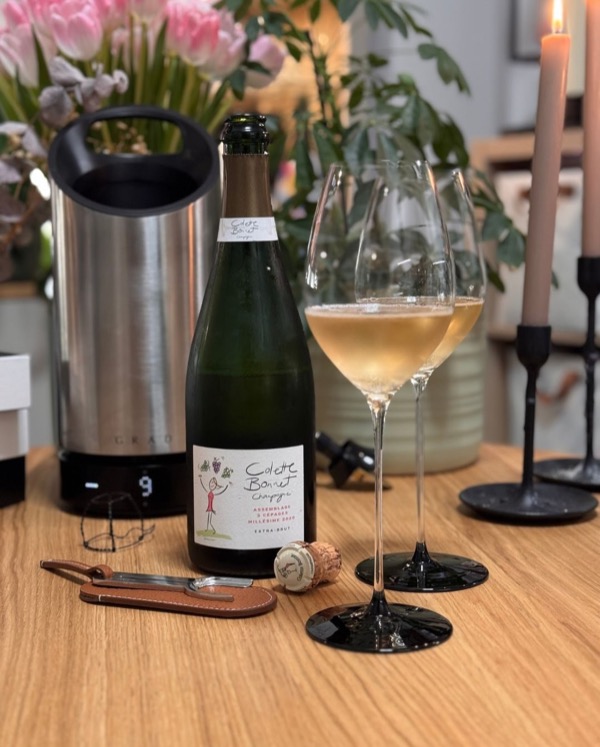
Gestern hatte ich mal wieder einen echten Geheimtipp: Den „Assemblage 3 Cépages“ Millésime 2020 von @champagnecolettebonnet . Colette Bonnet…
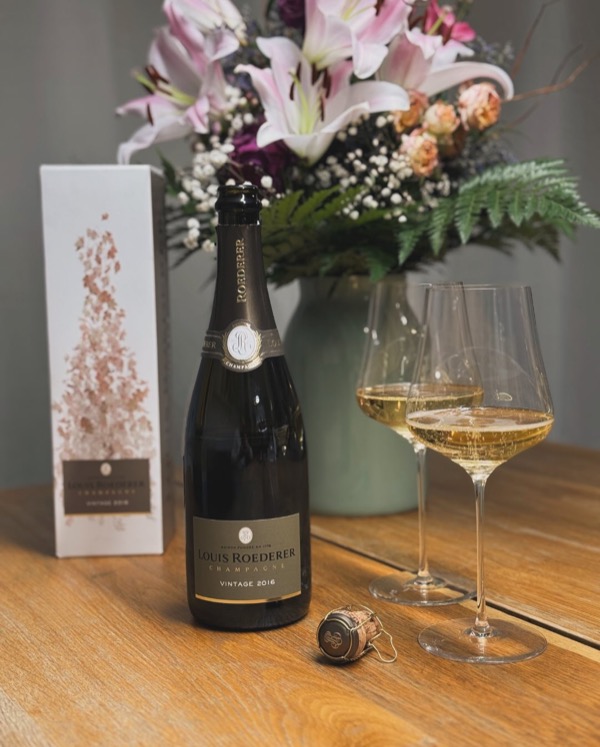
Nachdem ich bisher von @louisroederer_ nur die Collection 242 und 243 probiert hatte war es an der Zeit, tiefer in Roederers Stil einzutauchen – mit…
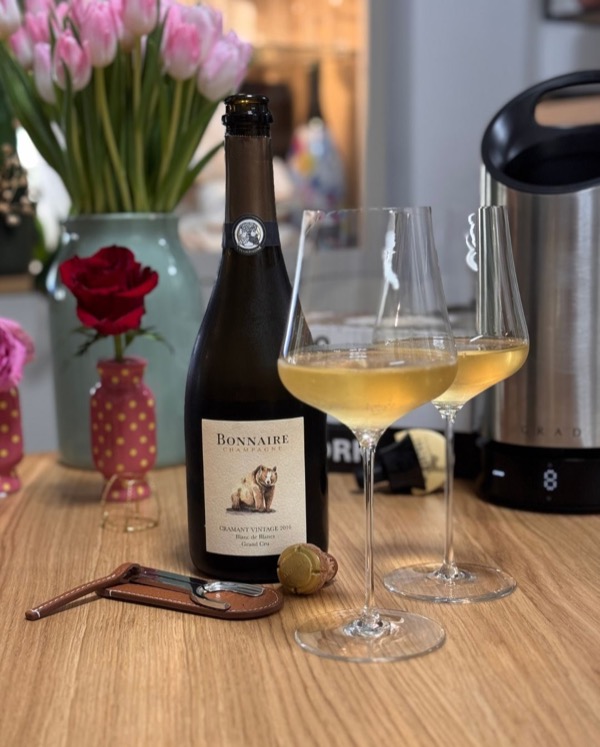
Wer 100 % Chardonnay liebt, kommt an den Grand-Cru-Lagen von Cramant an der nördlichen Côte des Blancs nicht vorbei. Das Dorf ist berühmt für Weine…
The philosophy of freshness and precision
Not all Champagne producers are fans of Bâtonnage. Its opponents argue convincingly:
Preservation of primary aromas:
- Undiluted fruit aromas remain intact
- Clearer terroir expression
- More precise varietal typicity
Freshness and elegance:
- Higher natural acidity is preserved
- Less "heavy" mouth texture
- More direct, straightforward aromatics
Prestigious houses like Salon or Pierre Peters deliberately avoid Bâtonnage to create their mineral-precise character wines.
How does Bâtonnage influence the finished champagne?
Long-term effects on champagne style
The decision for or against Bâtonnage during base wine production sustainably shapes the final champagne style:
Base wines developed with Bâtonnage:
- Creamier perlage through higher viscosity
- More complex aromatics even before bottle fermentation
- Longer aging capacity through more stable structure
- More harmonious integration of Dosage
Base wines vinified without Bâtonnage:
- Finer, more persistent perlage
- More direct varietal and terroir expression
- Vibrant acid structure
- Clearer definition in Assemblage
The art of proper timing
When and how often to stir?
Experienced cellar masters develop their personal Bâtonnage protocol over years:
Frequency:
- Daily to weekly during active fermentation
- Less frequent after fermentation ends (monthly)
- Intensive phase: 2-4 months after fermentation
Intensity:
- Gentle stirring for subtle effects
- Vigorous stirring for maximum extraction
- Temperature-dependent adjustments
Conclusion: A question of philosophy
Bâtonnage is far more than a technical procedure — it is an expression of enological philosophy. Whether a Champagne producer stirs their base wines