The term Élevage comes from French and literally means "raising" or "education" — an apt metaphor for what happens in champagne production. Like an experienced educator shaping their pupils, the winemaker "raises" their champagne through various maturation phases to its final character.
What does Élevage mean in Champagne production?
Élevage encompasses all steps of controlled maturation from the freshly fermented base wine to the ready-to-drink bottle. This phase is crucial for how aromas develop, textures refine, and the characteristic complexity of a champagne emerges.
During my visits to Champagne, I have repeatedly experienced how differently producers approach this "education" — and how dramatically this is reflected in the final taste.
The three phases of Champagne maturation
Phase 1: Base wine maturation in tank or barrel
After the first fermentation begins the first Élevage phase. Here the path is already set for the later style:
Stainless steel tanks:
- Neutral maturation without additional aromas
- Emphasized fruit character
- Freshness and clarity in the foreground
- Typical for fresh, youthful champagne styles
Oak barrels (Barriques or larger Foudres):
- Micro-oxygenation through the wood pores
- Additional flavor nuances (vanilla, toasted aromas)
- Rounder, fuller texture
- Development of more complex aroma layers
The duration of this phase varies between a few months to over a year, depending on the desired style.
Phase 2: Lees aging in the bottle (Sur Lie)
After the second fermentation in the bottle begins the most prestigious phase of Élevage: lees aging or "Sur Lie". The dead yeast cells remain in the bottle and act as natural flavor enhancers.
Minimum requirements:
| Champagne Type | Minimum Lees Aging |
|---|---|
| Champagne AOC | 15 months |
| Millésimé (vintage) | 3 years |
| Prestige Cuvées | Often 4-8+ years |
What happens during lees aging:
- Autolysis: Yeast cells decompose and release amino acids, proteins, and flavor compounds
- Mousse development: Finer, creamier perlage
- Aroma complexity: Brioche, nut, and mineral notes emerge
- Flavor rounding: Acidity becomes integrated, texture becomes silkier
Phase 3: Rest after disgorgement
After disgorgement (removal of the yeast) and dosage (addition of the shipping liqueur) follows a final resting phase. This is often overlooked but is essential:
- Marriage of components: Dosage and champagne merge harmoniously
- Stabilization: Flavor and mousse settle
- Duration: At least 3-6 months, often longer at premium houses
How Élevage duration shapes style
The length of the various Élevage phases fundamentally determines the character of the champagne:
Short Élevage (15-24 months):
- Style: Fresh, fruity, youthful
- Aromas: Primary fruit aromas dominate
- Structure: Lively acidity, light texture
- Example: Many négociant brands of basic quality
Medium Élevage (3-5 years):
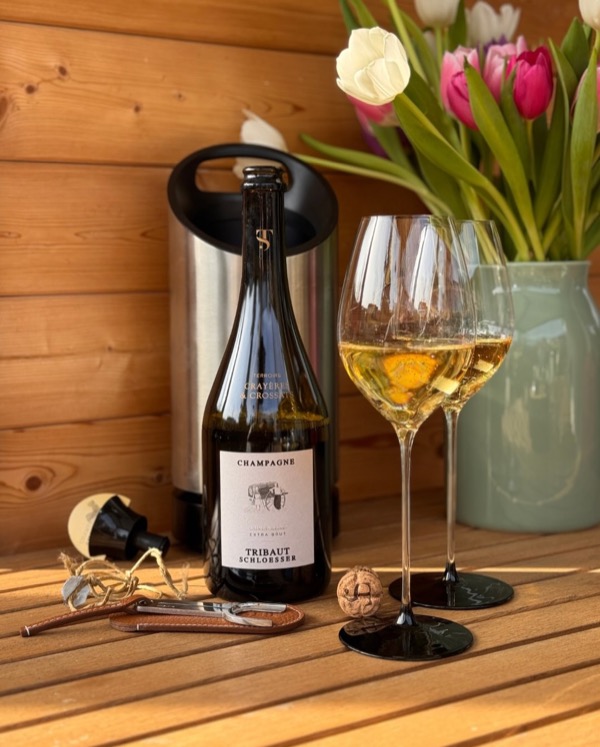
Das perfekte Match für unser heutiges, maritimes Festmahl! 🌊🥂 Bei uns gab es heute ein absolut grandioses, spontanes Seafood-Lineup: Kurz…
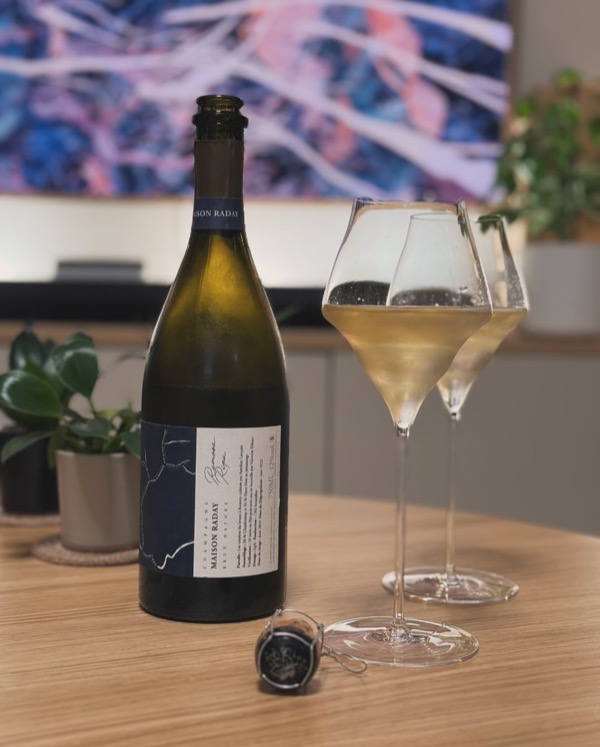
Gestern habe ich noch eine Flasche geöffnet, bei der ich mir nicht sicher bin, ob ich sie nochmal bekommen werde. Maison Raday – Ramosa Ripa. Ein…
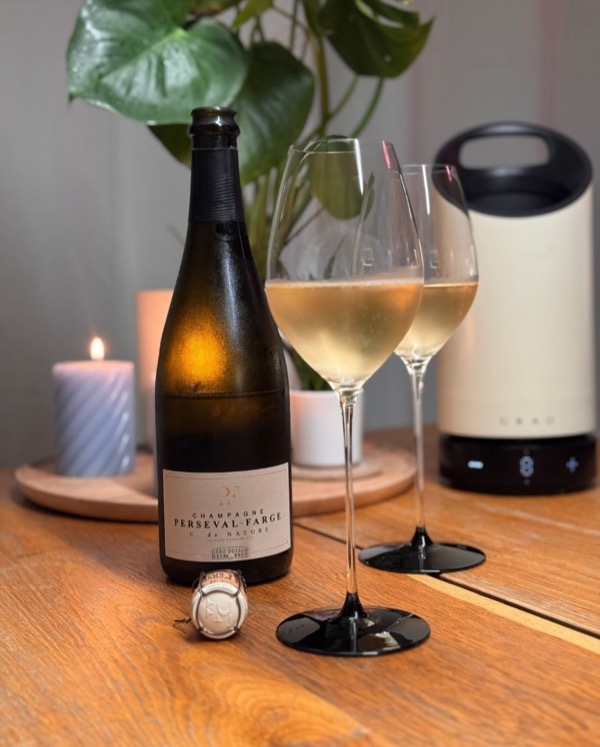
Das große Finale: Station 10 von 10. 🥂✨ Heute schließe ich ein Kapitel, das mich über die letzten Monate intensiv begleitet hat. Mit der Cuvée de…
- Style: Balanced between freshness and maturity
- Aromas: Fruit with first maturation notes (brioche, nuts)
- Structure: Harmonious acidity integration
- Example: Quality vintage champagnes
Long Élevage (6+ years):
- Style: Complex, profound, tertiary aromas
- Aromas: Minerality, mushrooms, dried fruits, leather
- Structure: Silky mouthfeel, perfect balance
- Example: Prestige Cuvées, grower champagnes
Different Élevage philosophies of producers
The Modernists: Stainless steel and precision
Houses like Jacquesson or Pierre Peters focus on:
- Stainless steel tanks for precise aroma control
- Cool storage for slower, controlled development
- Extended lees aging without wood influence
- Goal: Purity and terroir expression without disturbing influences
The Traditionalists: Wood and time
Producers like Krug or Bollinger prefer:
- Oak barrel maturation for complexity and texture
- Warm cellars for more active maturation processes
- Extremely long lees aging (often twice as long as required)
- Goal: Maximum complexity and artisanal tradition
The Terroir Purists: Minimal intervention
Many grower champagnes like Selosse or Larmandier-Bernier:
- Combination of wood and stainless steel depending on the plot
- Spontaneous fermentation with wild yeasts
- Extended base wine maturation up to 12 months
- Goal: Maximum terroir expression and authenticity
My conclusion on Élevage
Élevage is the heart of champagne production — here arise the differences that separate a simple sparkling wine from a great champagne. In over ten years of champagne tasting, I have learned: There is no "right" Élevage style, but only different philosophies that lead to different taste experiences.
The magic lies in understanding which