As a passionate champagne lover, I've been observing a fascinating trend for years: Extra Brut Champagne is winning over the hearts of connoisseurs. These nearly sugar-free champagnes with only 0-6 grams of Dosage per liter reveal the true personality of the base wine – unfiltered and authentic.
What is Extra Brut Champagne?
Extra Brut refers to a champagne style with minimal Dosage between 0 and 6 grams of sugar per liter. This low sweetening comes from the Dosage – that final addition of sugar and wine before the bottle's final closure.
The Dosage traditionally serves to balance acidity and give the champagne a certain roundness. With Extra Brut, this "beautification" is deliberately largely avoided.
Champagne Sweetness Levels Compared
My Posts About This
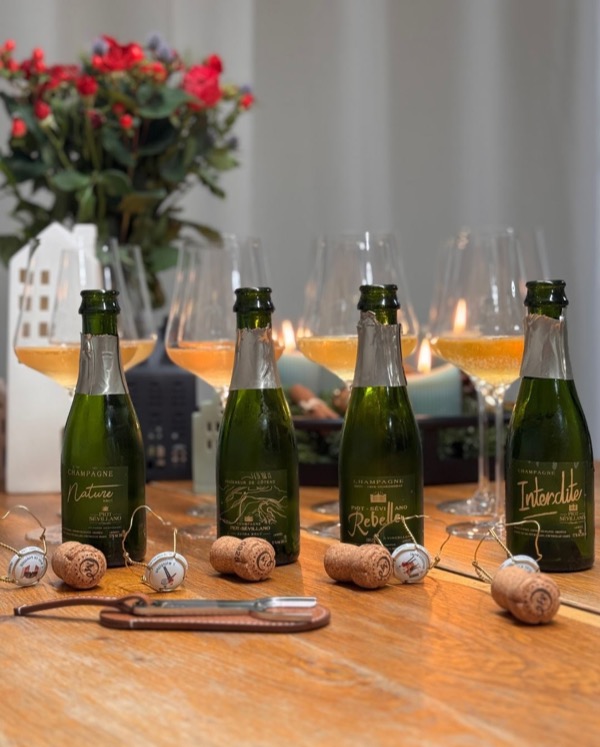
11 Flaschen aus dem @piotsevillano Adventskalender, aufgeteilt in 3 Flights, an einem Tag verkostet. Nicht als klassisches Tasting, sondern als…
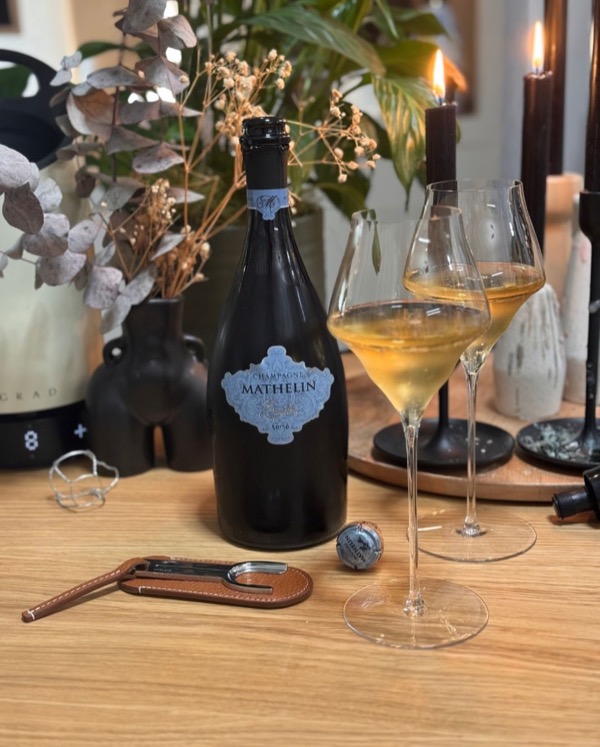
Manchmal sagt ein minimalistisches Etikett schon alles: Beim „Équilibre“ von @champagne_mathelin ist der Name absolutes Programm! Auf der Flasche…
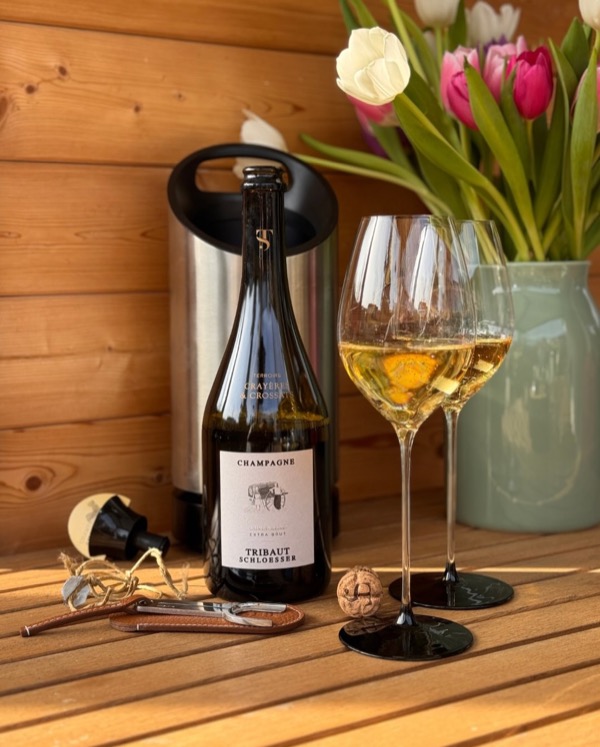
Das perfekte Match für unser heutiges, maritimes Festmahl! 🌊🥂 Bei uns gab es heute ein absolut grandioses, spontanes Seafood-Lineup: Kurz…
| Sweetness Level | Dosage (g/l) | Characteristic |
|---|---|---|
| Brut Nature | 0-3 | Uncompromisingly dry, purist |
| Extra Brut | 0-6 | Minimally sweetened, very dry |
| Brut | 0-12 | Standard dryness, balanced |
| Extra Dry | 12-17 | Subtly sweet, more accessible |
Brut Nature vs. Extra Brut: The Subtle Difference
The difference between Brut Nature (0-3 g/l) and Extra Brut may seem minimal, but it's definitely perceptible. Brut Nature almost completely foregoes Dosage and presents champagne in its purest form. Extra Brut allows a nuance more sweetness, which often makes the difference between angular-mineral and elegant-dry.
Extra Brut vs. Brut: More Than Just Numbers
Standard Brut with up to 12 g/l Dosage appears noticeably rounder and more accessible in direct comparison to Extra Brut. The higher Dosage masks potential weaknesses in the base wine and makes the champagne more harmonious – but at the cost of authenticity.
Why is Extra Brut Becoming Increasingly Popular?
Societal Change
Our tastes have changed dramatically. Where sweetness was once considered luxury, today's connoisseurs seek clarity and purity. This trend is reflected not only in champagne but also in gin, whisky, and even chocolate.
Focus on Terroir Expression
Extra Brut champagnes let the origin speak. The chalk soils of Avize, the power of the Montagne de Reims, or the elegance of the Côte des Blancs – all come through unfiltered. As a champagne enthusiast, I particularly appreciate this honesty.
Culinary Versatility
The reduced sweetness makes Extra Brut the ideal food companion. Whether with oysters, sushi, or even savory dishes – the dry style harmonizes brilliantly with complex flavors.
Which Producers Excel at Extra Brut?
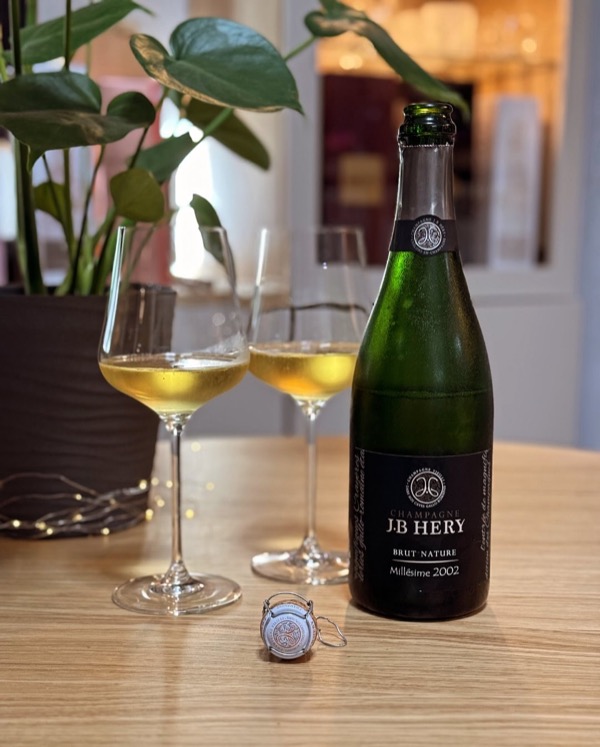
🍾 Heute im Glas: J.B Héry - Millésime 2002 - Brut Nature – ein spannender Fund aus meinem letzten Einkauf. Gerade erst frisch in den Keller…
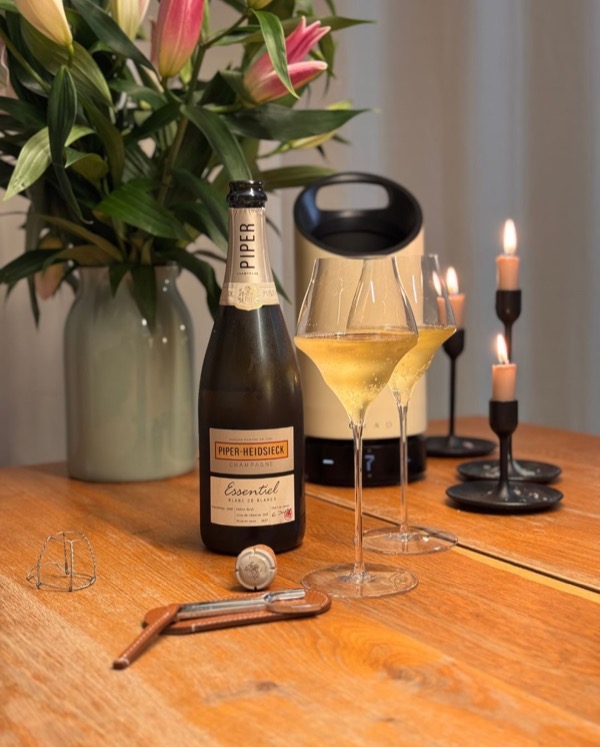
Wenn man an @piper_heidsieck denkt, hat man oft das klassische Rot vor Augen. Aber wer die wahre Seele des Hauses in ihrer pursten Form erleben will,…
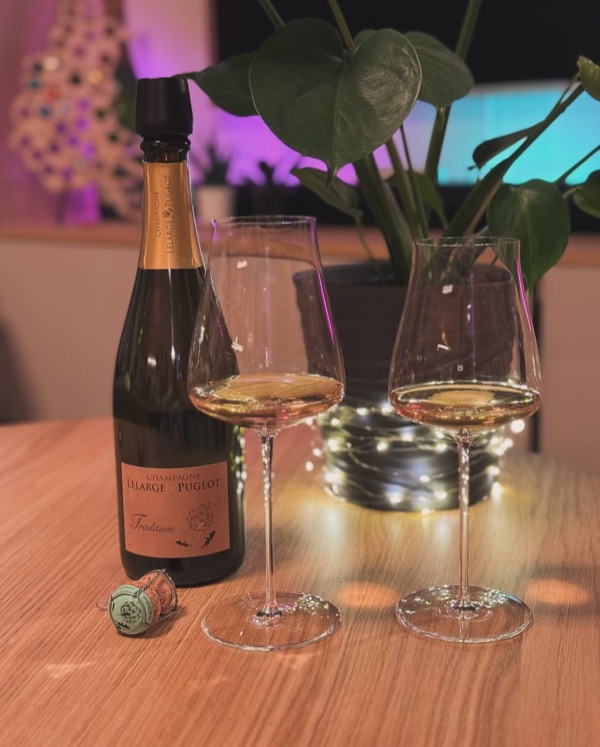
Vor über 10 Jahren habe ich im Rahmen eines Projekts für eine Weinverkostung und ein Feature in einem Print-Magazin Gläser von @eisch_glass ,…
The Pioneers
Jacquesson was one of the first major houses to consistently focus on reduced Dosage. Their Cuvée 700 series shows year after year how expressive Extra Brut can be.
Pierre Peters from the Grand Cru Mesnil-sur-Oger creates Extra Brut champagnes of enchanting minerality. The chalk soils come through here unfiltered.
Modern Masters
Ulysse Collin in Congy produces Extra Brut champagnes that combine the power of Pinot Noir with crystalline clarity. Each Cuvée is a Terroir statement.
Marie-Courtin demonstrates with their biodynamic Extra Brut that sustainability and flavor intensity can go hand in hand.
Why Extra Brut Demands Higher Standards from the Base Wine
No Compromises Possible
With standard Brut, a generous Dosage can mask minor flaws – unripe grapes, excessive acidity, or oxidative notes disappear behind the sugar. Extra Brut forgives nothing. The base wine must be perfect.
Precision in Assemblage
The Assemblage – blending different base wines – requires exceptional skill with Extra Brut. Every component must be right, as there's no sweet safety net.
Longer Maturation Time Required
Extra Brut champagnes often need longer aging times on the lees. The autolysis aromas must compensate for the missing Dosage and give the champagne depth and complexity.
Terroir Understanding is Essential
Only those who perfectly understand their Terroir can produce Extra Brut at the highest level. Winemakers must know which plots deliver the necessary ripeness and balance for this uncompromising style.
My Conclusion as The Champagne Guy
Extra Brut represents the future of champagne for me. These wines challenge both producers and connoisseurs – and reward both with unforgettable taste experiences. Anyone who has experienced the crystalline clarity of a perfect Extra Brut understands why this style is revolutionizing the champagne world.
The minimal Dosage is not just a technical detail, but a philosophy: respect for Terroir, trust in nature, and the courage for authenticity.