As a passionate champagne lover, I've been observing a fascinating trend for years: Extra Brut champagne is winning the hearts of connoisseurs. These almost sugar-free champagnes with only 0-6 grams of dosage per liter reveal the true personality of the base wine, unfiltered and authentic.
What is Extra Brut Champagne?
Extra Brut refers to a champagne style with minimal dosage between 0 and 6 grams of sugar per liter. This low level of sweetening comes from the dosage, that final addition of sugar and wine before the bottle's final closure.
Dosage traditionally serves to balance acidity and give champagne a certain roundness. With Extra Brut, this "beautification" is deliberately largely avoided.
Champagne Sweetness Levels Compared
My Posts About This
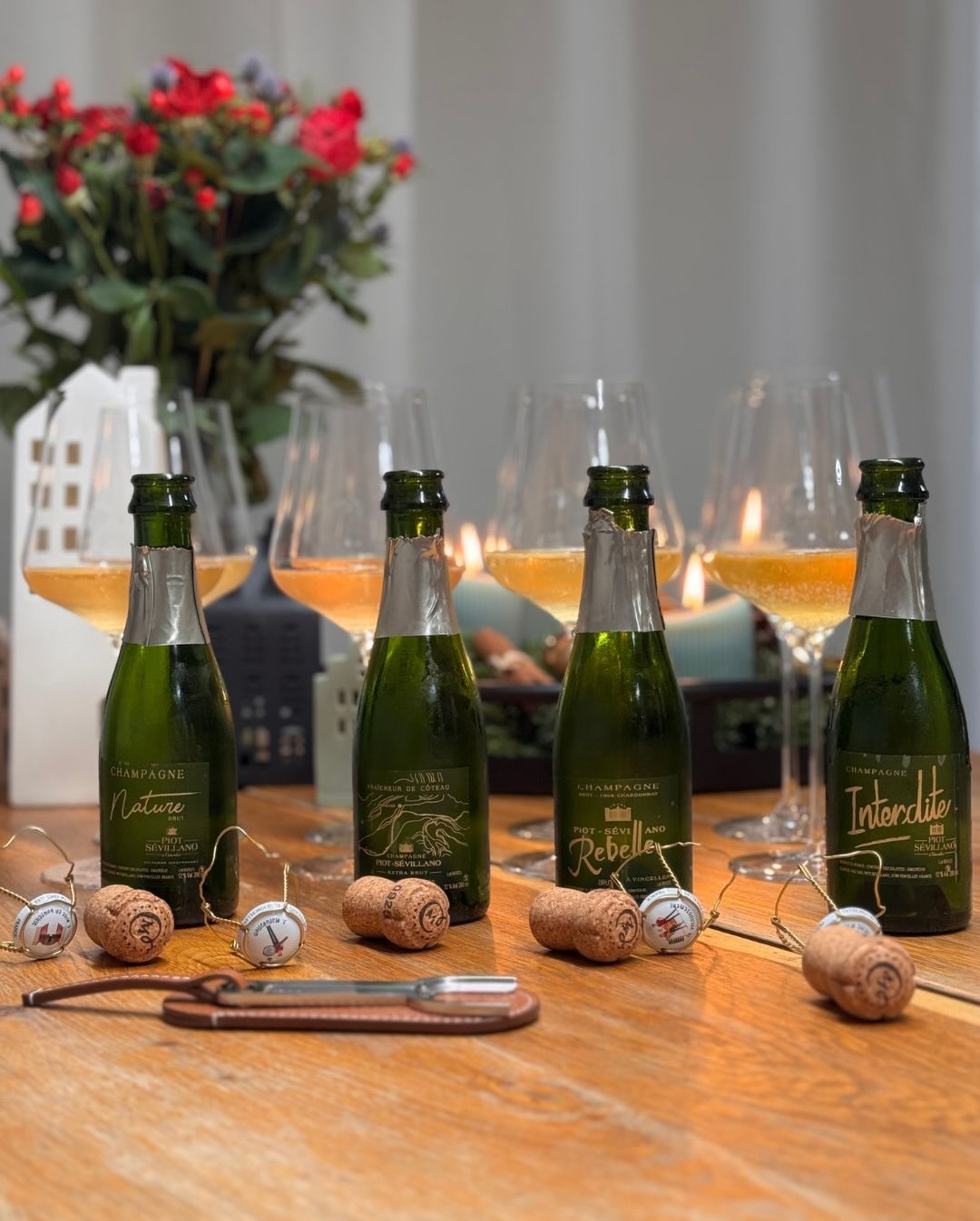
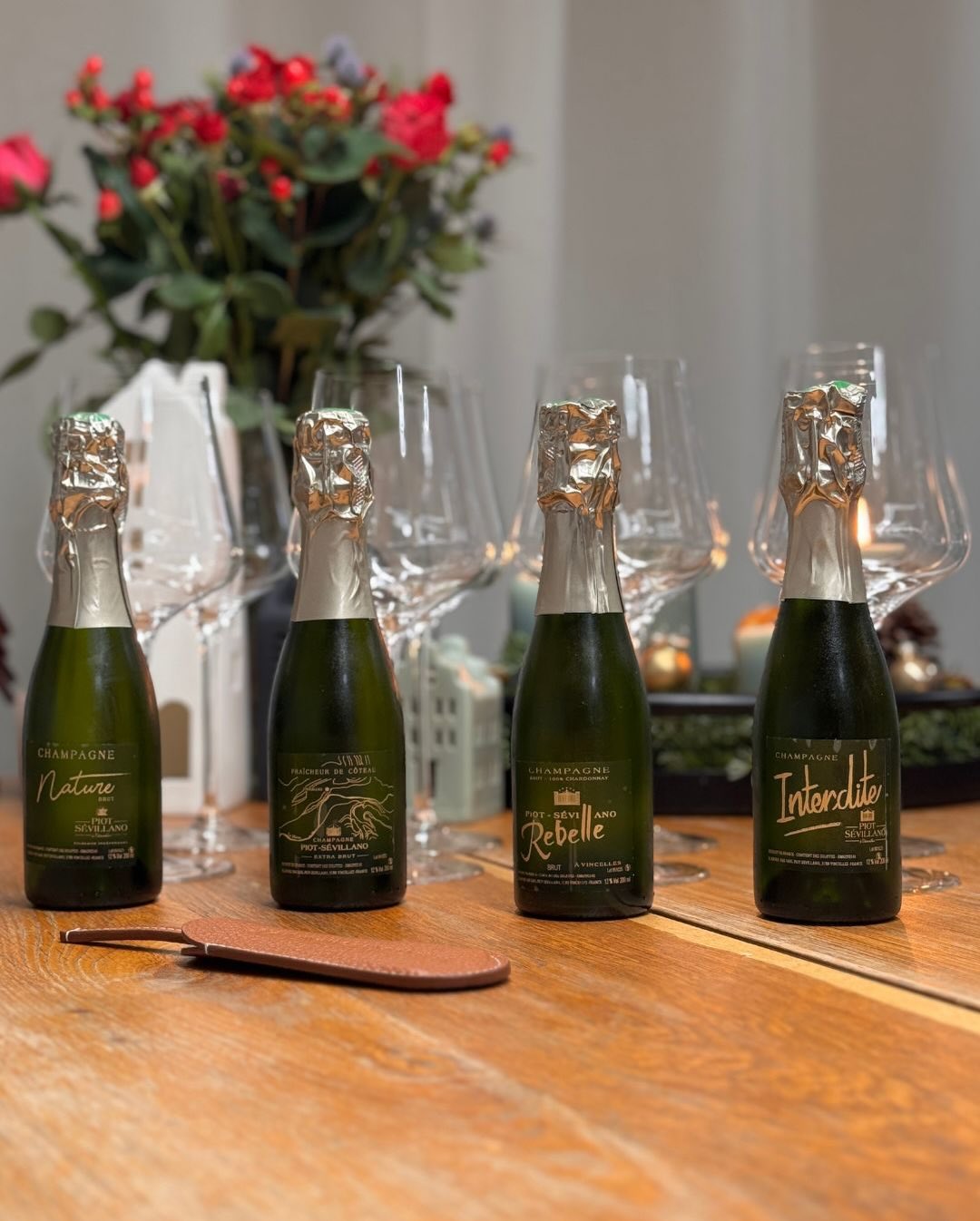
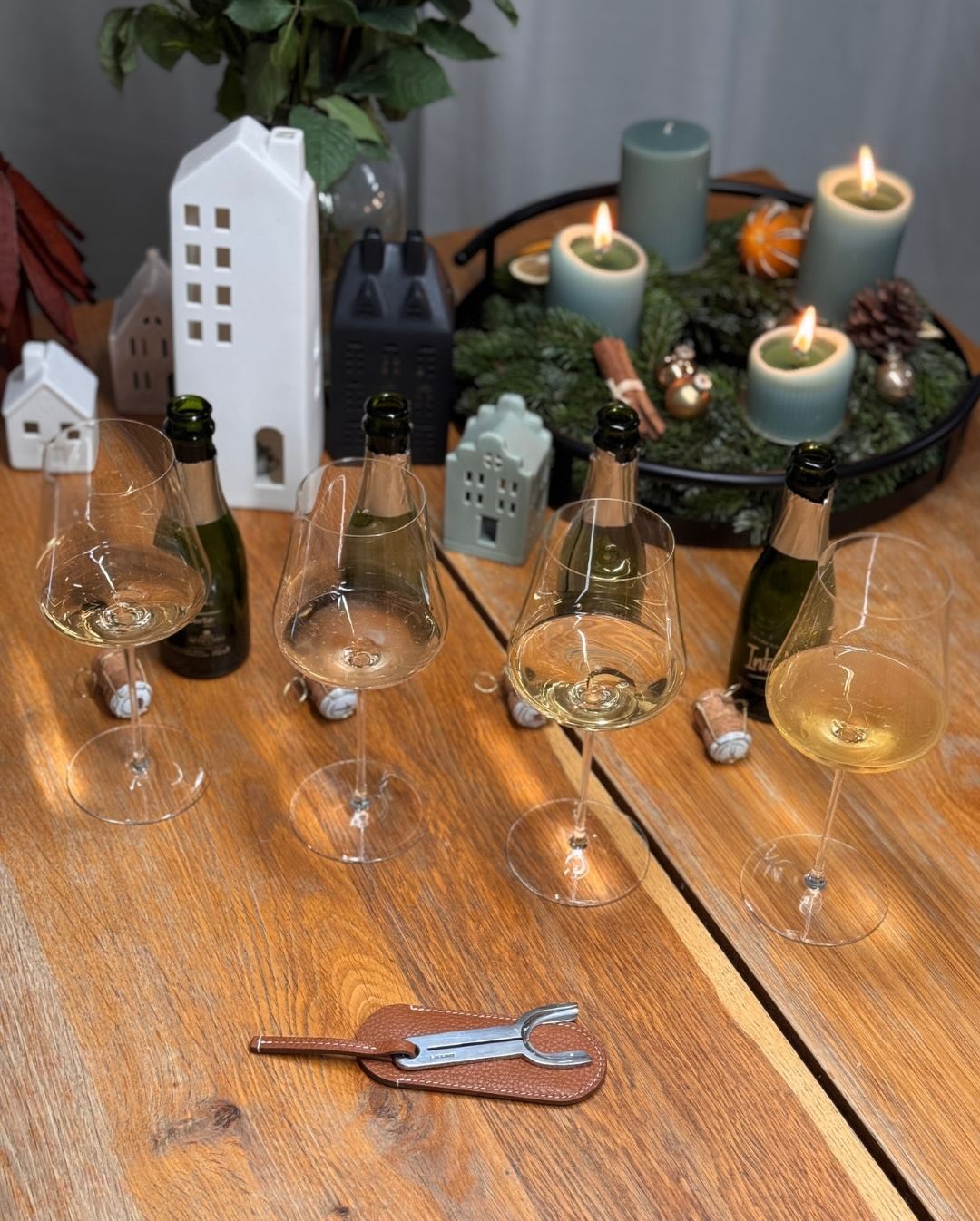
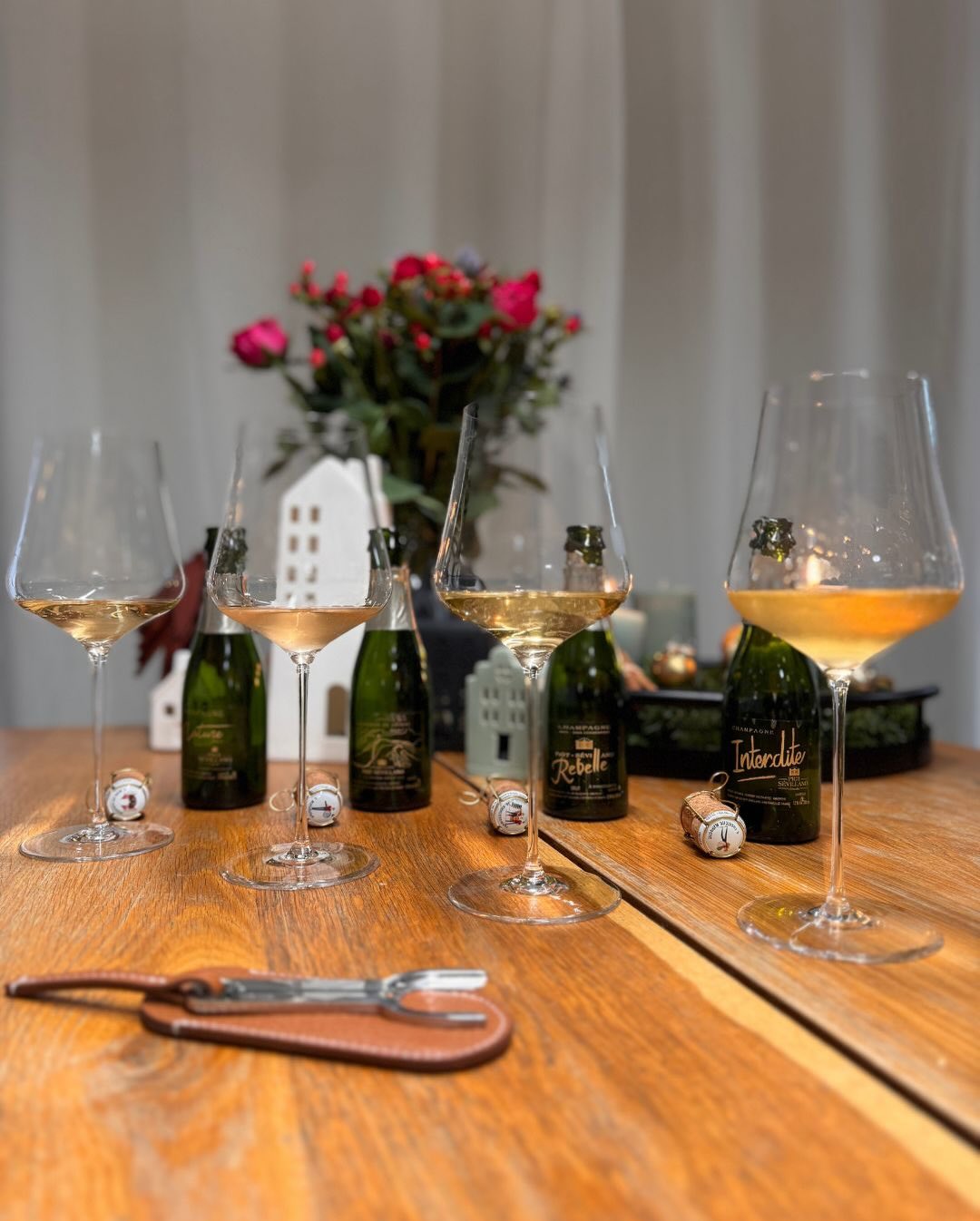
the_champagne.guy 11 Flaschen aus dem @piotsevillano Adventskalender, aufgeteilt in 3 Flights, an einem Tag verkostet. Nicht als klassisches Tasting, sondern als bewusster Vergleich: gleiche Temperatur, gleiche Reihenfolge, gleiche Gläser – um zu verstehen, wie groß die stilistischen Unterschiede innerhalb eines Hauses wirklich sind. Für Flight 1 ging es ganz bewusst um Purismus, Frische und Struktur. Vier Champagner aus dem Kalender, alle eher auf der spannungsbetonten Seite, verkostet parallel, direkt nebeneinander. 📍 Setup: Verkostet zu zweit, parallel im @gabriel_glas – Set 1: Gold Edition, – Set 2: Standard Edition (gleiche Form, anderes Gewicht – keine Glasstudie, aber gleiche Basis). Die Flaschen: 🥂 Brut Nature Straff, klar, würzig. Null Dosage, volle Spannung. Meine Frau war sofort bei Apfelessig & Balsamico — kompromisslos trocken. -> 70 % Meunier · 15 % Pinot Noir · 15 % Chardonnay · 0 g/l · Brut Nature 🍋 Extra Brut Fraîcheur de Coteau Frisch, leicht würzig, schöne kupferne Farbe. Im Vergleich zum Brut Nature wirkte er runder, fast mit Süße im Nachgang. -> 85 % Meunier · 15 % Chardonnay · 4 g/l · Extra Brut 🍍 Cuvée Rebelle Exotisch, fruchtig, klarer Dosage-Sprung. Spannend: Das zweite Glas (mit Bodensatz) war deutlich trüb und wirkte „mostig“ — für meine Frau gar nichts, obwohl sie Chardonnay liebt. -> 100 % Chardonnay · 10 % Holz · 6 g/l · nicht filtriert / minimal filtriert - daher die Trübung. 🍬 Cuvée Interdite Deutlich runder als alles davor. Meine Frau nannte ihn „Praline“: weich, süß wirkend, aber komplex. Für uns gefühlt zwei Welten im Vergleich zum Brut Nature. -> 50 % Chardonnay (15 % Holz) · 40 % Meunier · 10 % Pinot Noir · 7,2 g/l Im nächsten Post geht‘s weiter mit Flight 2… #TheChampagneGuy #PiotSevillano #ChampagneAdventskalender #GrowerChampagne #ChampagneTasting #Meunier #ChampagneComparison #ChampagneEducation #ChampagneLovers #ChampagneMoment @laclaye #laclayeperfectserve
Auf Instagram weiterlesen →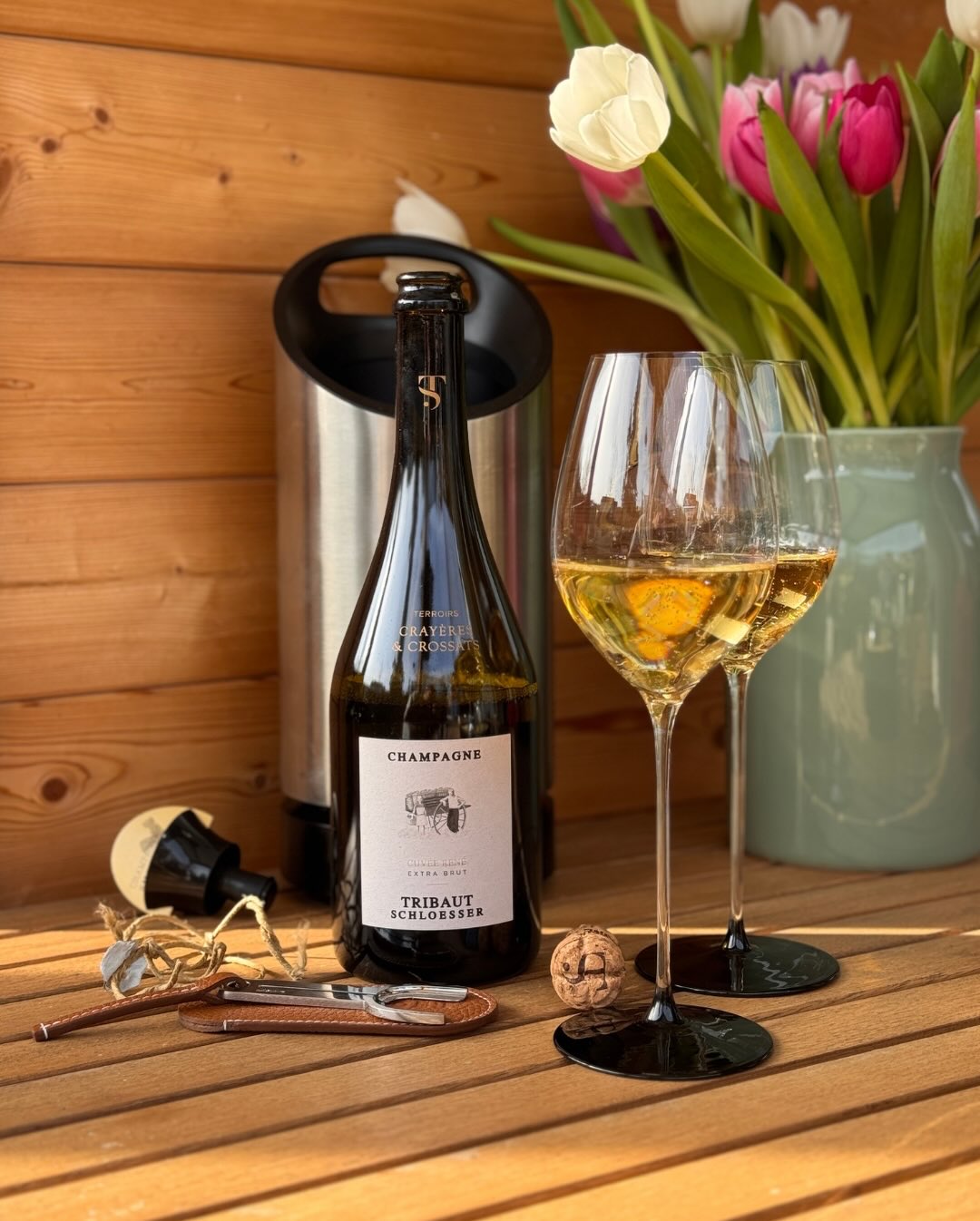
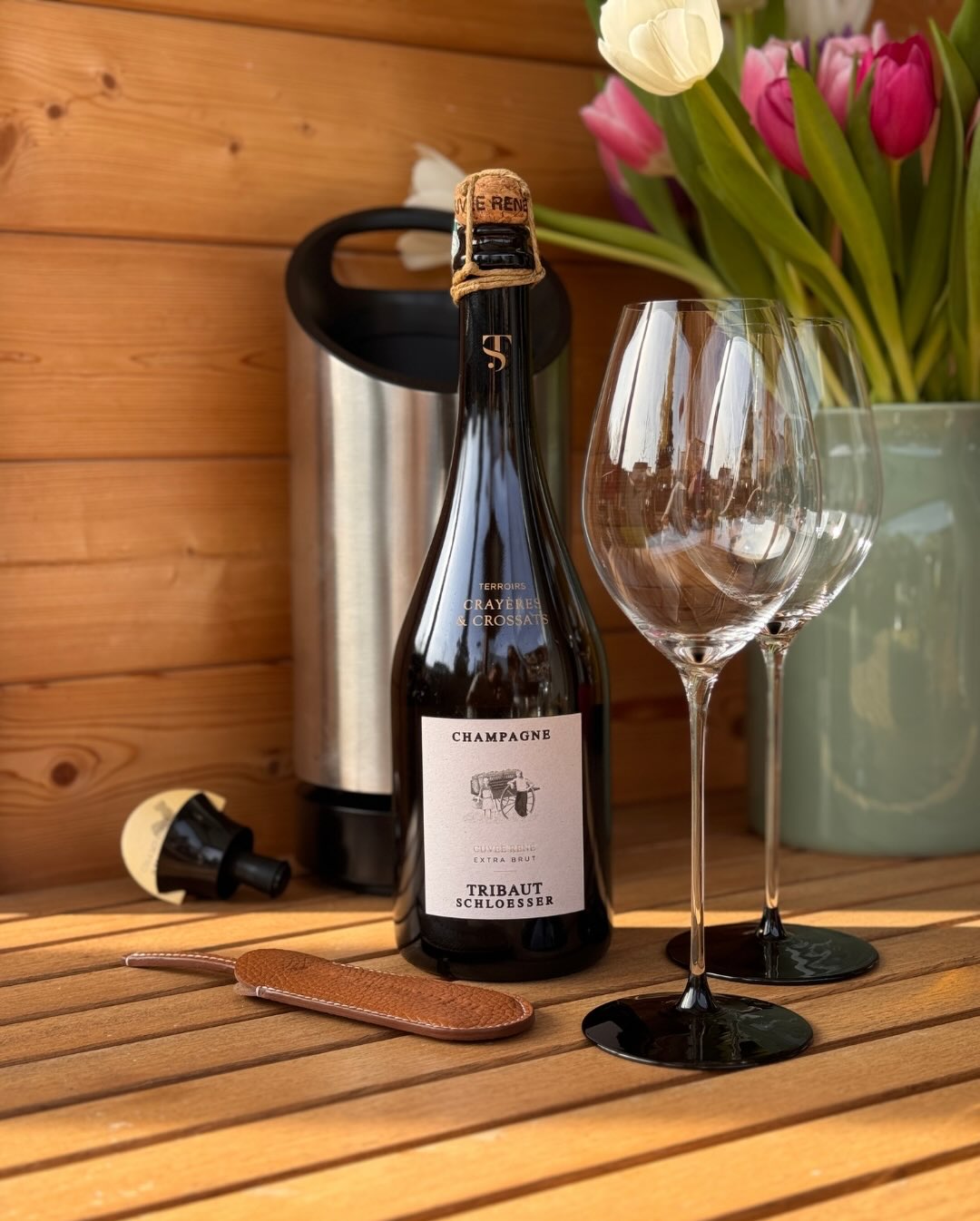
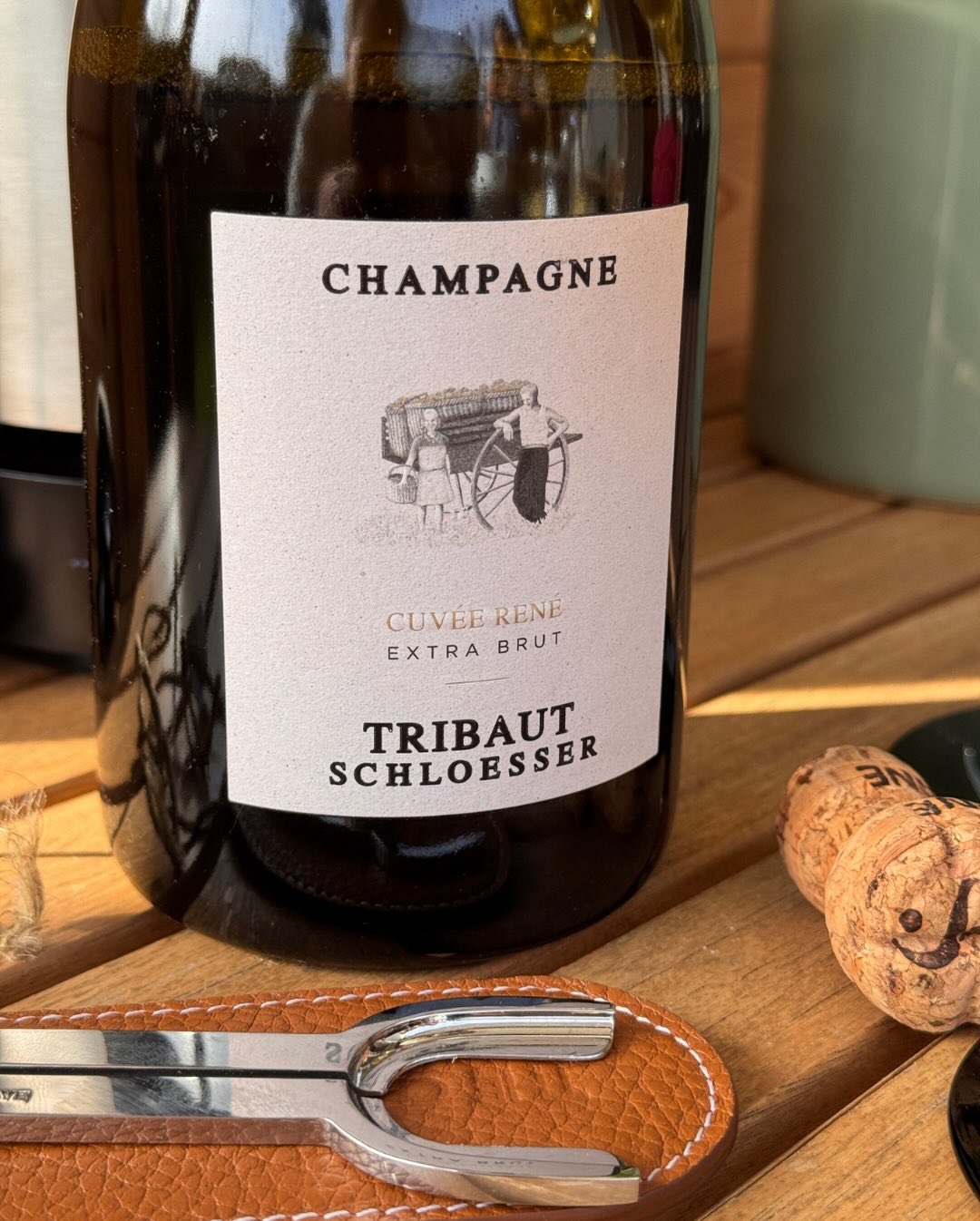
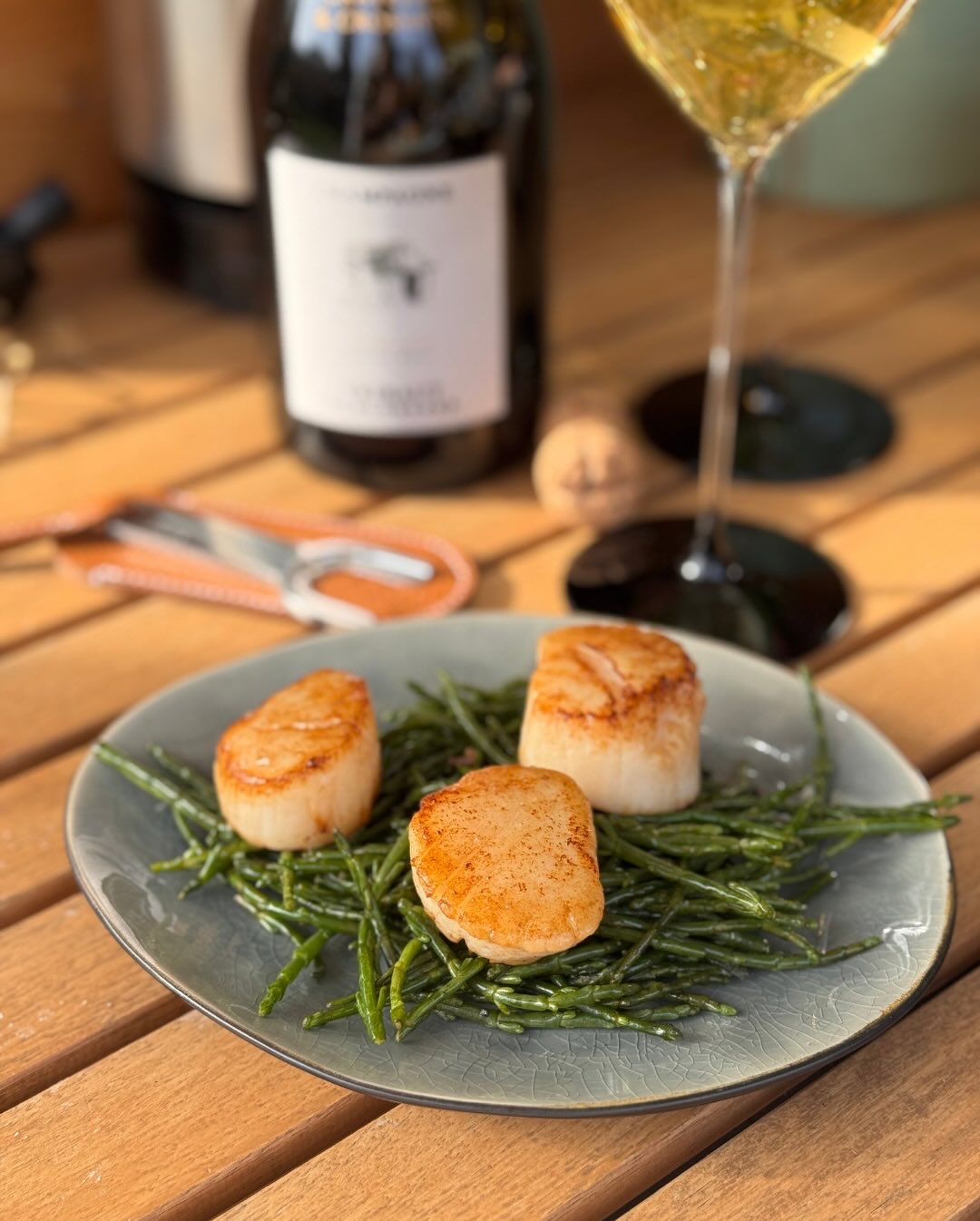
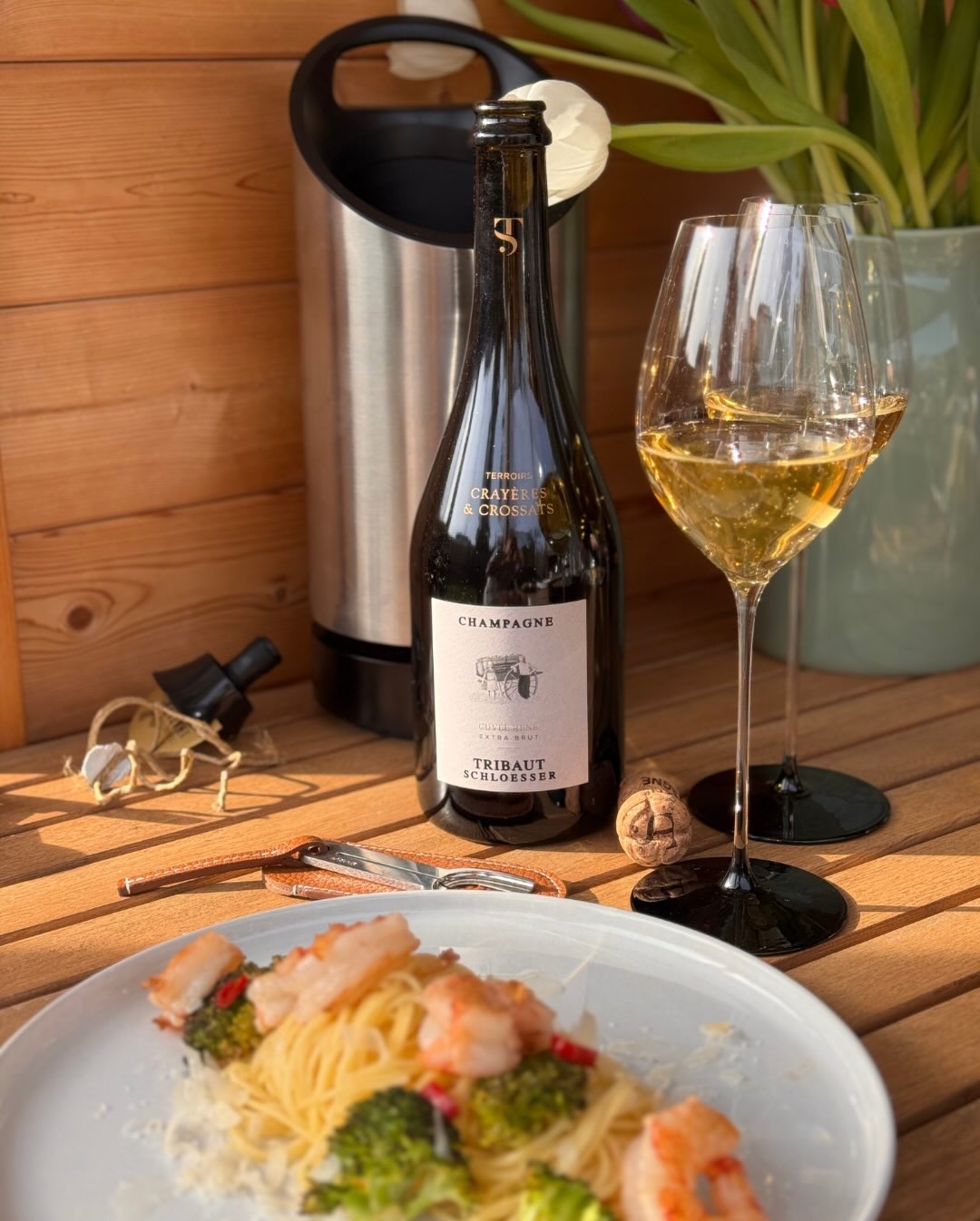
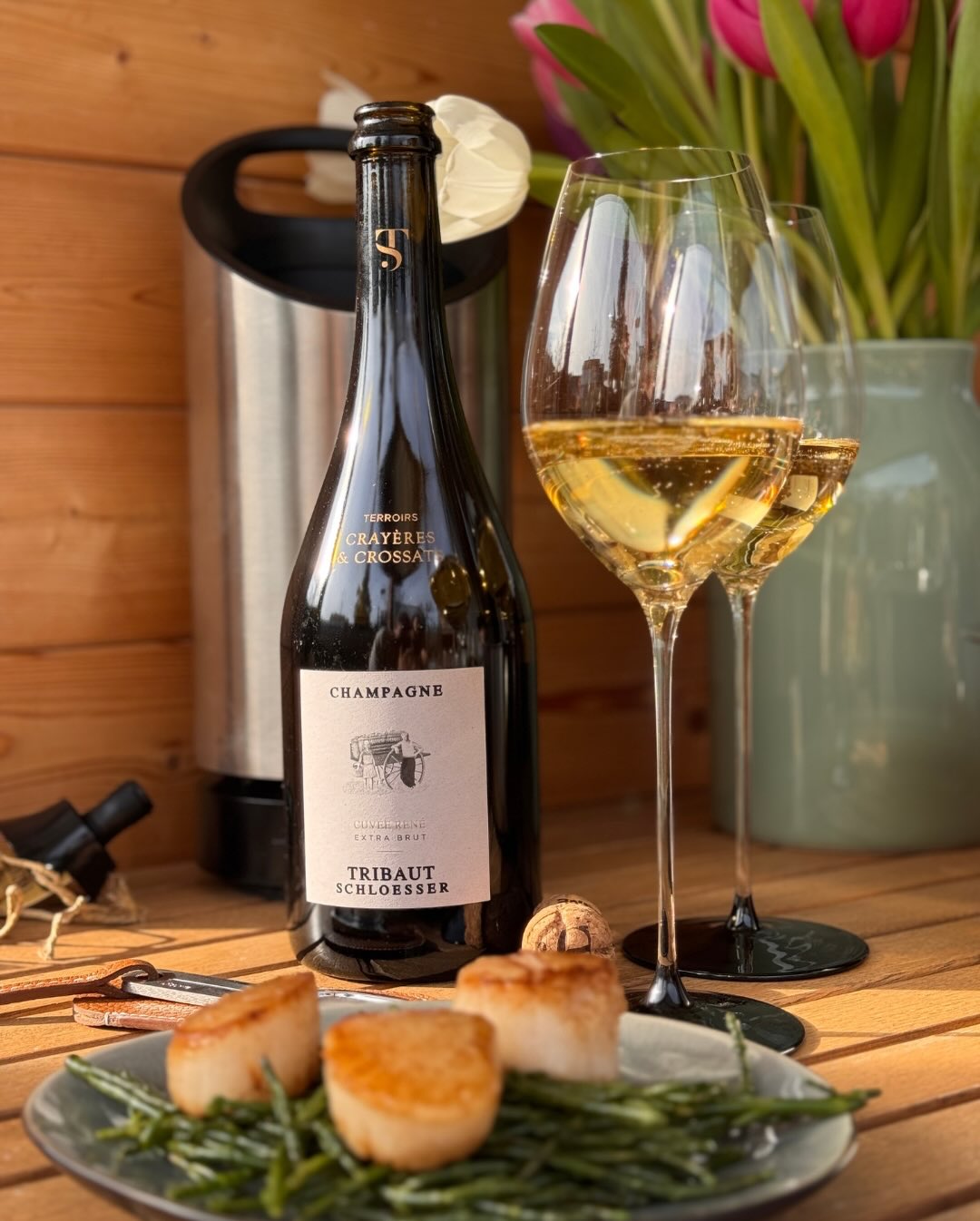
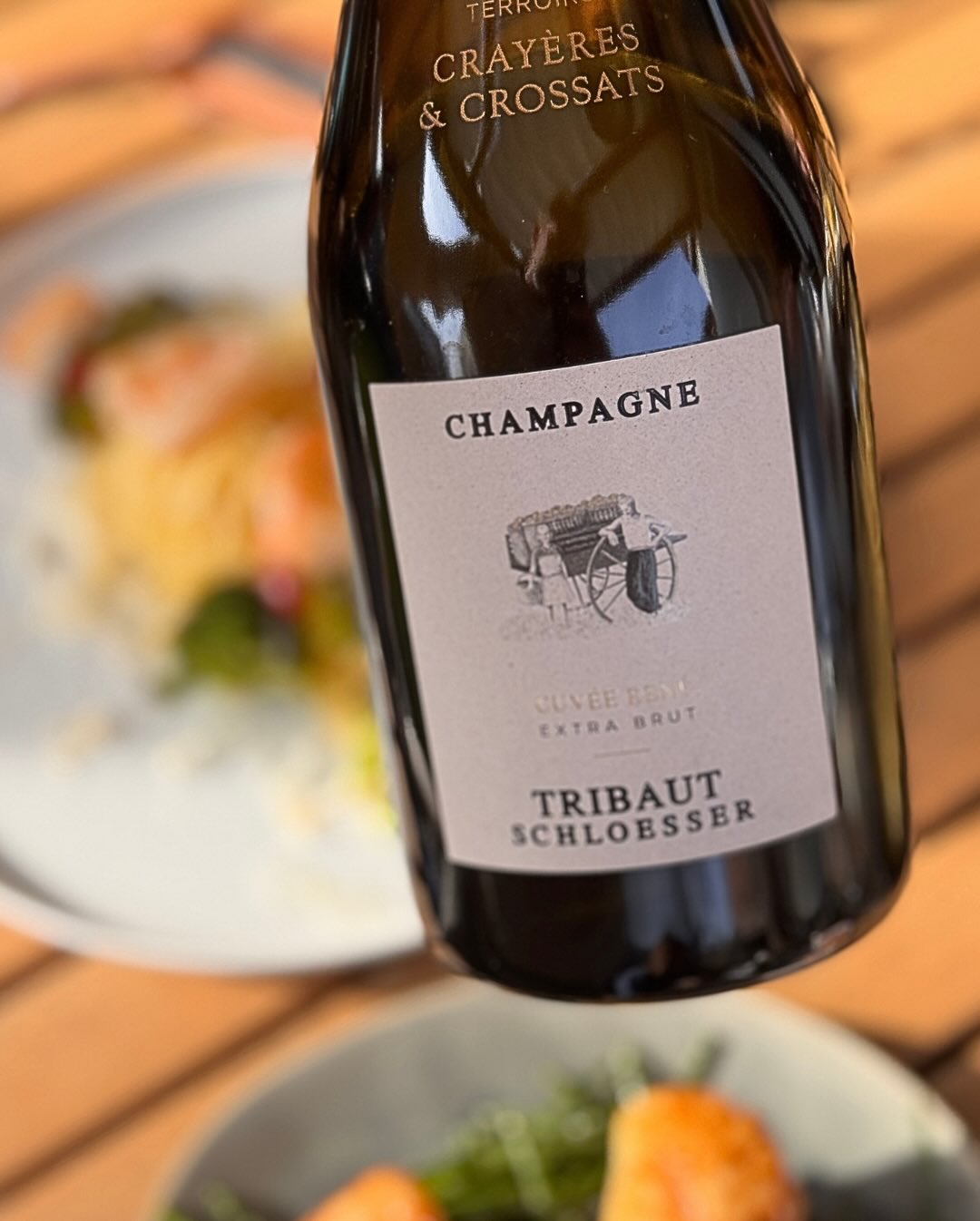
the_champagne.guy Das perfekte Match für unser heutiges, maritimes Festmahl! 🌊🥂 Bei uns gab es heute ein absolut grandioses, spontanes Seafood-Lineup: Kurz gegrillte, süßliche Jakobsmuscheln auf einem Bett aus extrem salzigem, knackigem Queller (Salicornia), dazu frische Garnelen-Spaghetti mit scharf gegrilltem Brokkoli. Für so eine Kombination braucht man einen Wein, der Struktur, Frische und absolute Präzision mitbringt. Vor allem der Queller verzeiht durch seine natürliche Salzigkeit keine zu hohe Süße. Meine Wahl fiel daher auf einen echten Geheimtipp aus meinem Keller: Die „Cuvée René“ Extra Brut von @champagnetribautschloesser . Dieser Champagner ist eine Hommage an den Gründer des Hauses und ein echtes Meisterwerk der Geduld. Der Blend aus 70 % Chardonnay (aus den Kreideböden in Romery) und 30 % Pinot Noir (aus dem Premier Cru Écueil) wurde bereits im April 2016 auf die Flasche gezogen (Tirage) und erst ganz frisch im Oktober 2024 degorgiert. Das bedeutet: Unfassbare 8,5 Jahre auf der Hefe! Das Ergebnis im Glas ist magisch. In der Nase verbinden sich komplexe Aromen von gerösteten Haselnüssen, reifem Apfel und Brioche – der absolut perfekte Begleiter zu den Röstaromen der gegrillten Jakobsmuscheln! Am Gaumen sorgt der hohe Chardonnay-Anteil für eine brillante Frische und feine Zitrusnoten, die mühelos die reichhaltige Pasta ausbalancieren. Mit schlanken 5 g/l Dosage ist er herrlich trocken, hat aber genau das richtige Rückgrat, um das Salz des Quellers meisterhaft aufzufangen. Ein extrem eleganter, tiefgründiger Champagner, der dieses Menü absolut auf das nächste Level gehoben hat! Champagne-Facts 🥂 🍇 70 % Chardonnay · 30 % Pinot Noir 📍 Terroir: Romery („Les Crayères“) & Écueil („Les Crossats“ 1er Cru) ⏳ Tirage: April 2016 🕰 Dégorgement: Oktober 2024 (8,5 Jahre Hefelager!) 🍬 Dosage: 5 g/l (Extra Brut) Fazit: Ein Champagner mit enormer Tiefe und Finesse. Wer lange gereifte, nussig-komplexe Cuvées mit perfekter Frische sucht, wird die Cuvée René lieben! #TheChampagneGuy @sofisch_graz @riedel_official @grad.dk @grad_rd @laclaye #SeafoodPairing #Jakobsmuscheln #Queller #GrowerChampagne
Auf Instagram weiterlesen →| Sweetness Level | Dosage (g/l) | Characteristic |
|---|---|---|
| Brut Nature | 0-3 | Uncompromisingly dry, purist |
| Extra Brut | 0-6 | Minimally sweetened, very dry |
| Brut | 0-12 | Standard dryness, balanced |
| Extra Dry | 12-17 | Subtly sweet, more accessible |
Brut Nature vs. Extra Brut: The Fine Difference
The difference between Brut Nature (0-3 g/l) and Extra Brut may seem minimal, but it's definitely perceptible. Brut Nature almost completely forgoes dosage and presents champagne in its purest form. Extra Brut allows a nuance more sweetness, which often makes the difference between angular-mineral and elegant-dry.
Extra Brut vs. Brut: More Than Just Numbers
Standard Brut with up to 12 g/l dosage appears significantly rounder and more accessible in direct comparison to Extra Brut. The higher dosage masks potential weaknesses in the base wine and makes the champagne more harmonious, though at the cost of authenticity.
Why is Extra Brut Becoming More Popular?
The Social Shift
Our tastes have changed dramatically. Where sweetness was once considered luxury, today's enthusiasts seek clarity and purity. This trend is reflected not only in champagne, but also in gin, whisky, and even chocolate.
Terroir Expression in Focus
Extra Brut champagnes let the origin speak. The chalk soils of Avize, the power of the Montagne de Reims, or the elegance of the Côte des Blancs, all of this comes through unfiltered. As a champagne enthusiast, I particularly appreciate this honesty.
Culinary Versatility
The reduced sweetness makes Extra Brut the ideal food companion. Whether with oysters, sushi, or even savory dishes, the dry style harmonizes brilliantly with complex flavors.
Which Producers Excel at Extra Brut?
The Pioneers
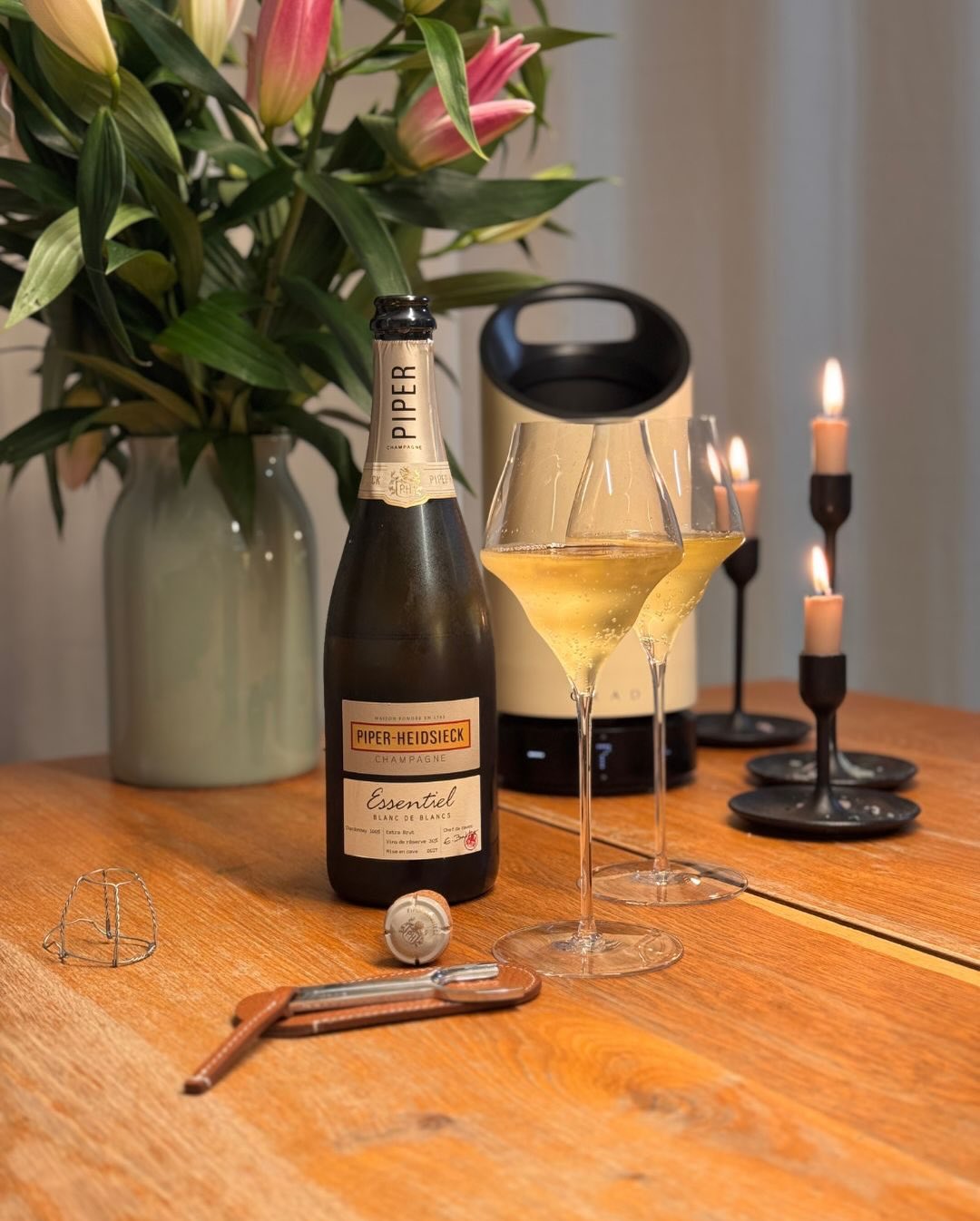
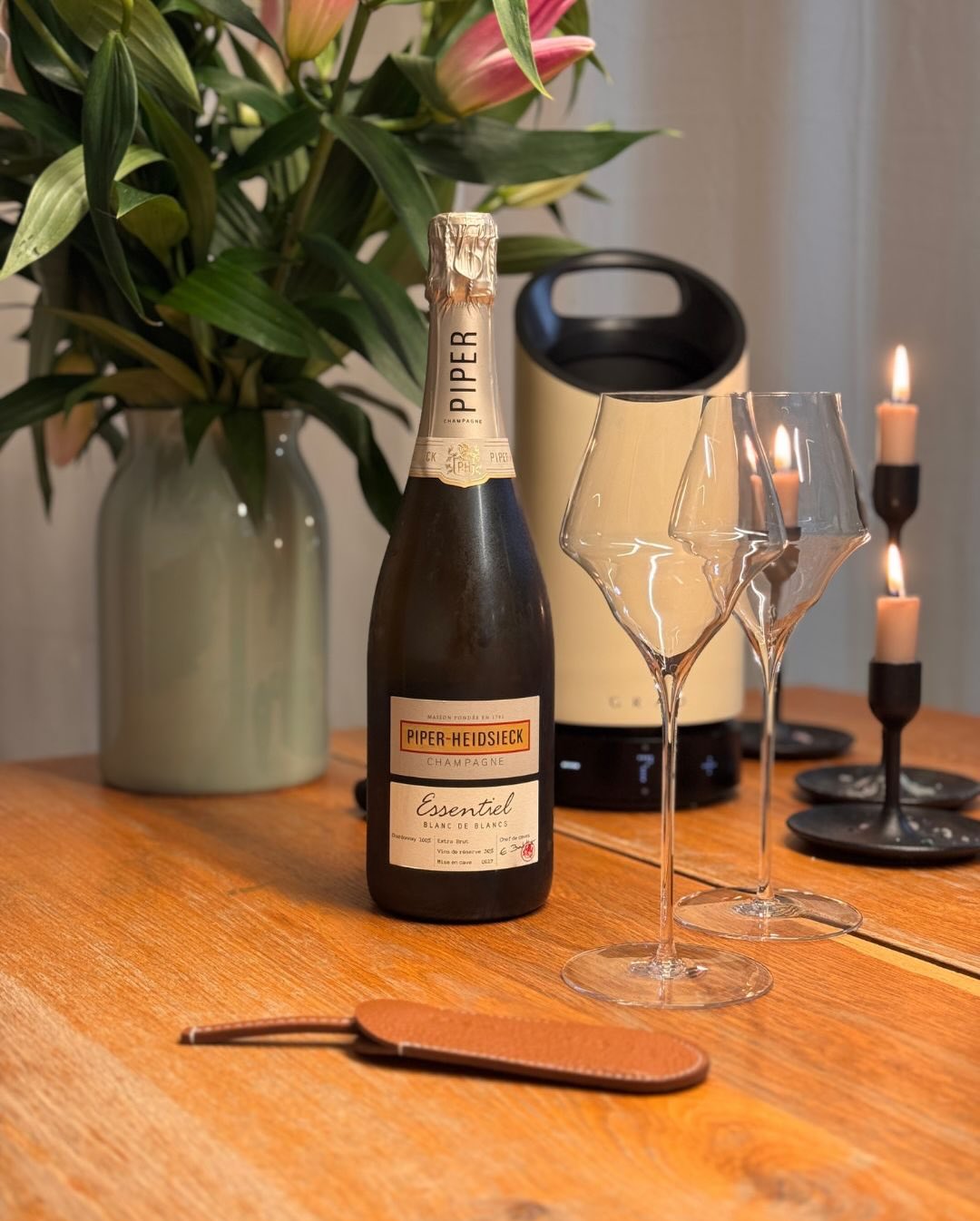
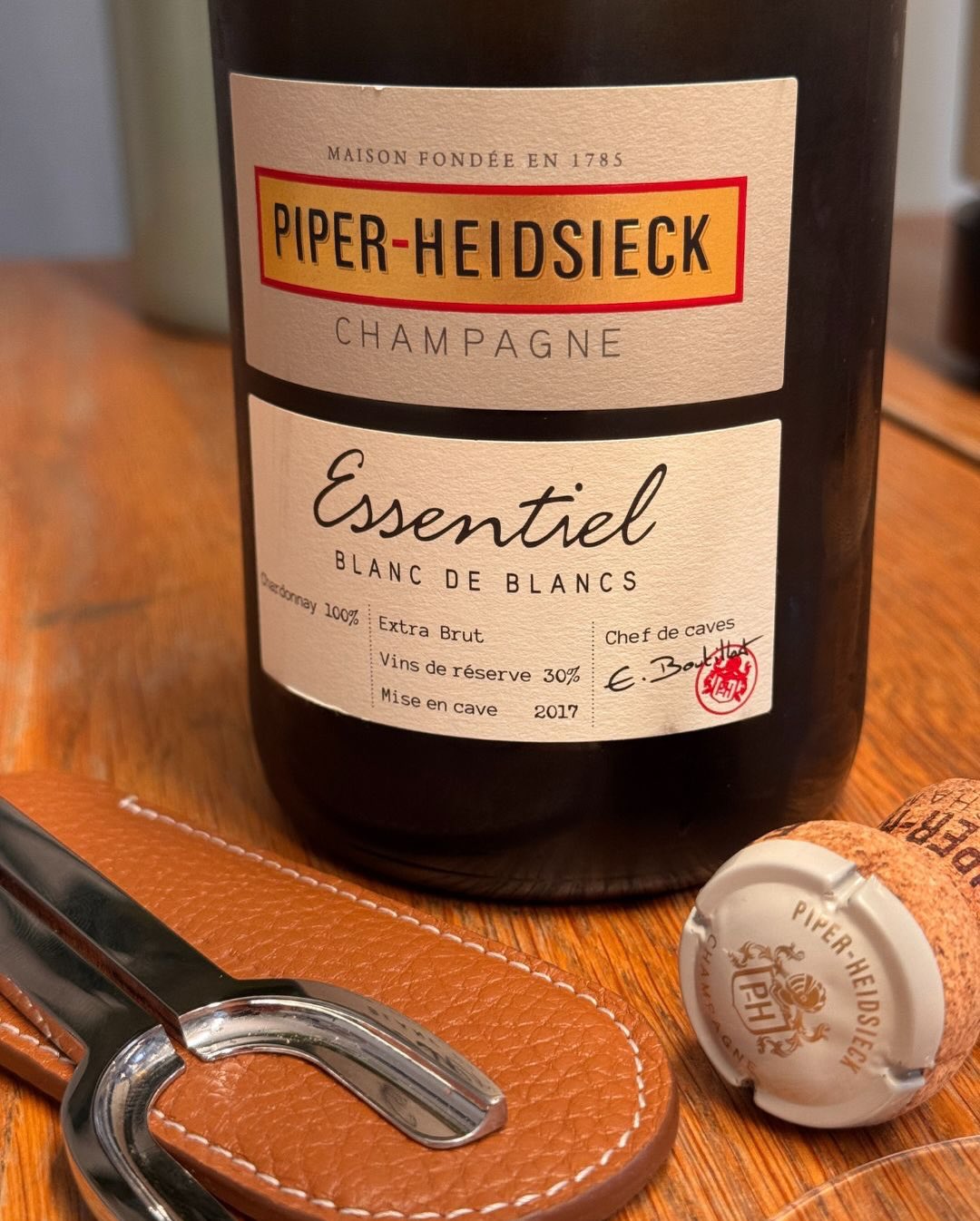
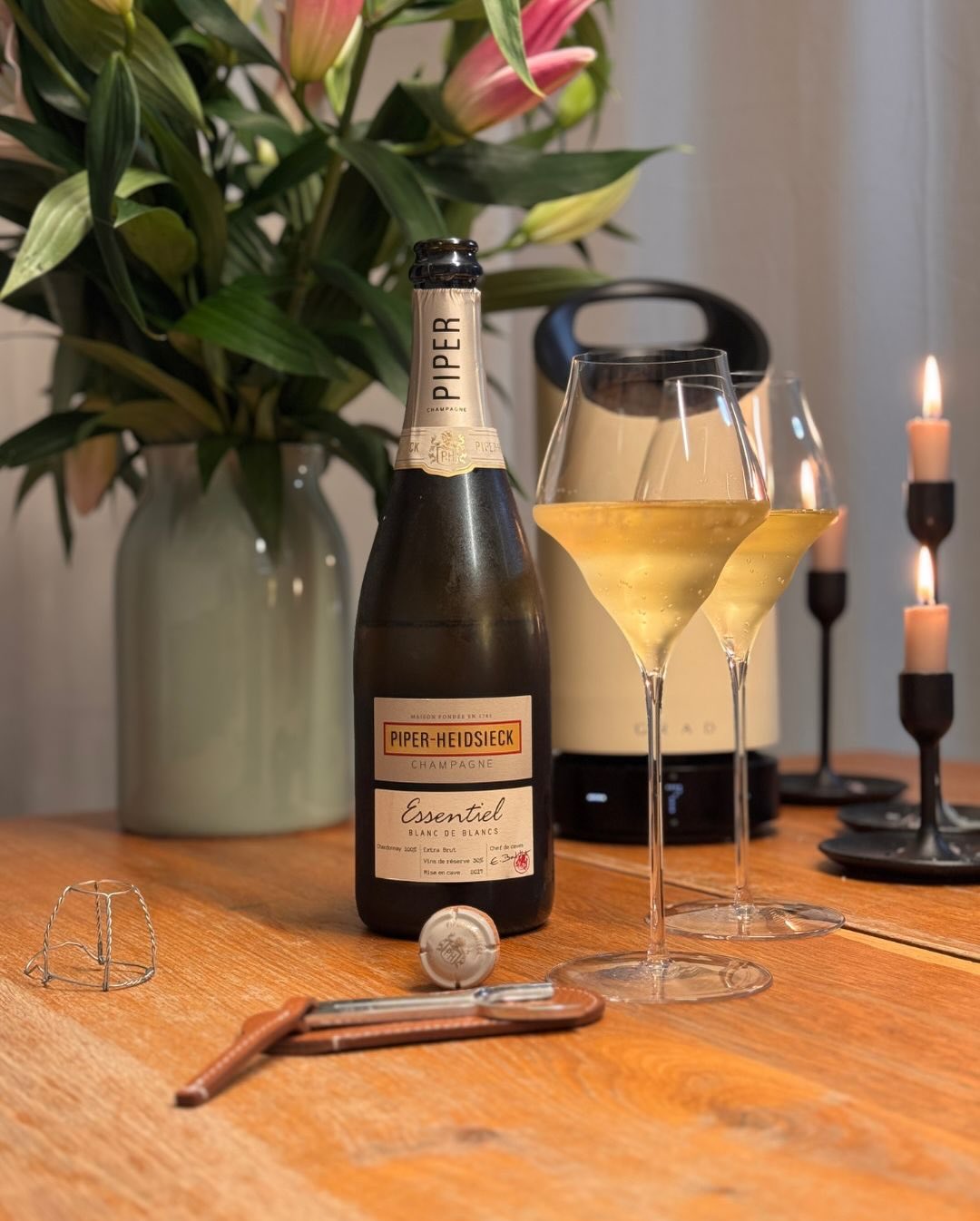
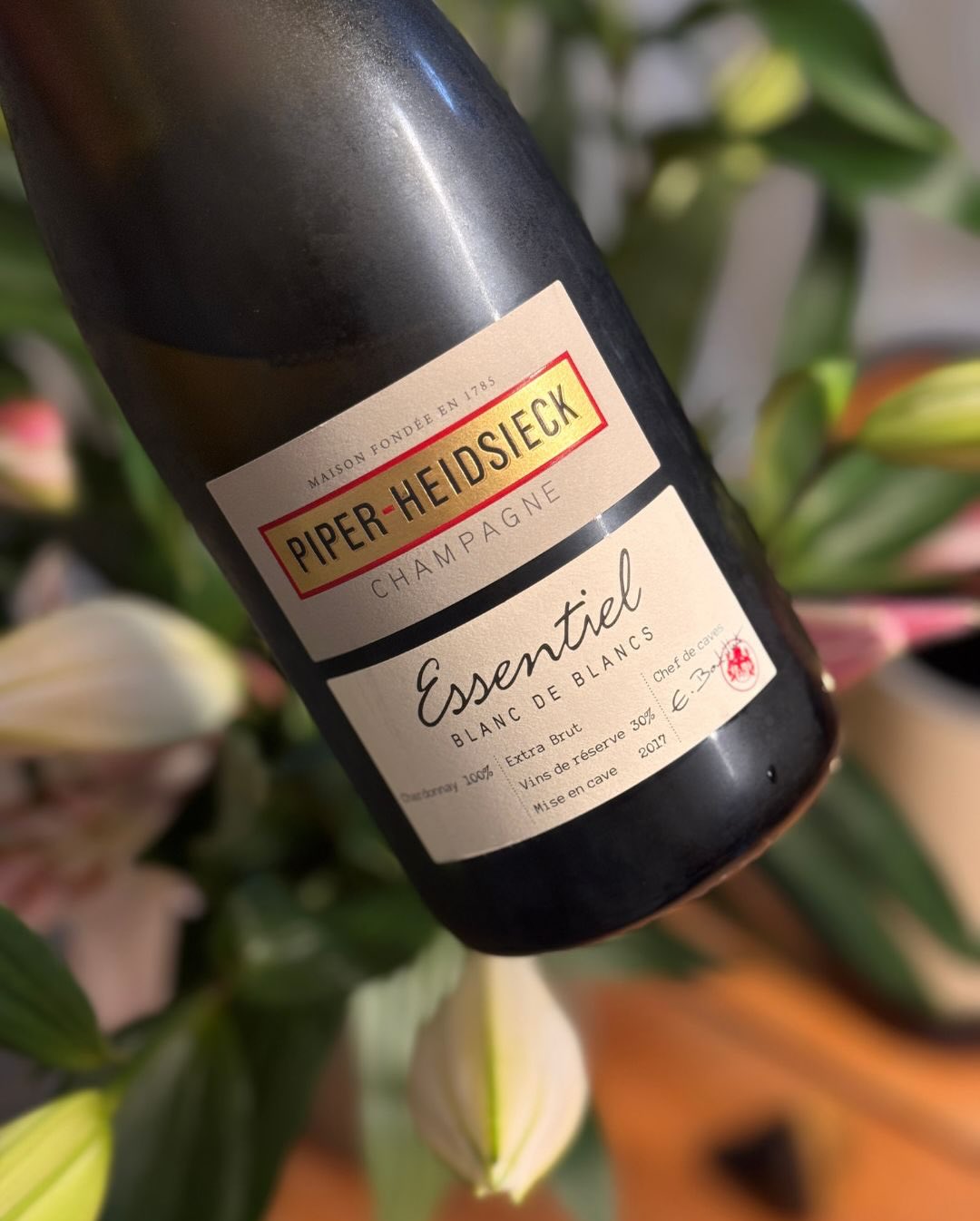
the_champagne.guy Wenn man an @piper_heidsieck denkt, hat man oft das klassische Rot vor Augen. Aber wer die wahre Seele des Hauses in ihrer pursten Form erleben will, muss zum Essentiel Blanc de Blancs greifen. 🥂✨ Was diesen Wein so besonders macht? Es ist die Handschrift von Chef de Cave @emilien_boutillat . Er hat der „Essentiel“-Reihe eine Präzision verliehen, die mich jedes Mal aufs Neue fasziniert. Hier geht es nicht um Mainstream, sondern um Savoir-faire: Weniger Dosage, deutlich mehr Reifezeit im Keller und ein beeindruckender Anteil an Reserveweinen. In der Nase ist das pure Frische: Zitronenzeste, Limette und weiße Blüten, untermalt von einer feinen Kalk-Mineralität und ganz dezenter Brioche. Am Gaumen ist er messerscharf, aber durch das lange Hefelager (mindestens 3 Jahre) trotzdem wunderbar cremig und tief. Ein wunderbarer Kandidat für meine Gläser von @josephinenhutte die dieses Spektrum perfekt einrahmen. Besonders stark: Piper setzt unter Émilien konsequent auf Transparenz. Ein Blick auf das Back-Label verrät alles über das Degorgierdatum und die Dosage, was nicht selbstverständlich ist bei größeren Häusern. Ein Blanc de Blancs, der die Brücke zwischen dem Glamour eines großen Hauses und der Tiefe eines Winzer-Champagners schlägt. Champagne-Facts 🍇 100% Chardonnay (Blanc de Blancs) 🥂 Essentiel Collection · Extra Brut 🕰 Mindestens 36 Monate Hefelager 🍬 Dosage: ca. 4 g/l (Extra Brut) 🍷 Reserveweine: ca. 30–35% 📍 Terroirs: Côte des Blancs, Montagne de Reims & Sézannais Fazit: Puristisch, elegant und mit einer Textur, die einfach Spaß macht. Perfekt als Aperitif. #TheChampagneGuy @grad.dk @laclaye #PiperHeidsieck #ChardonnayLovers #EmilienBoutillat #BlancDeBlancs
Auf Instagram weiterlesen →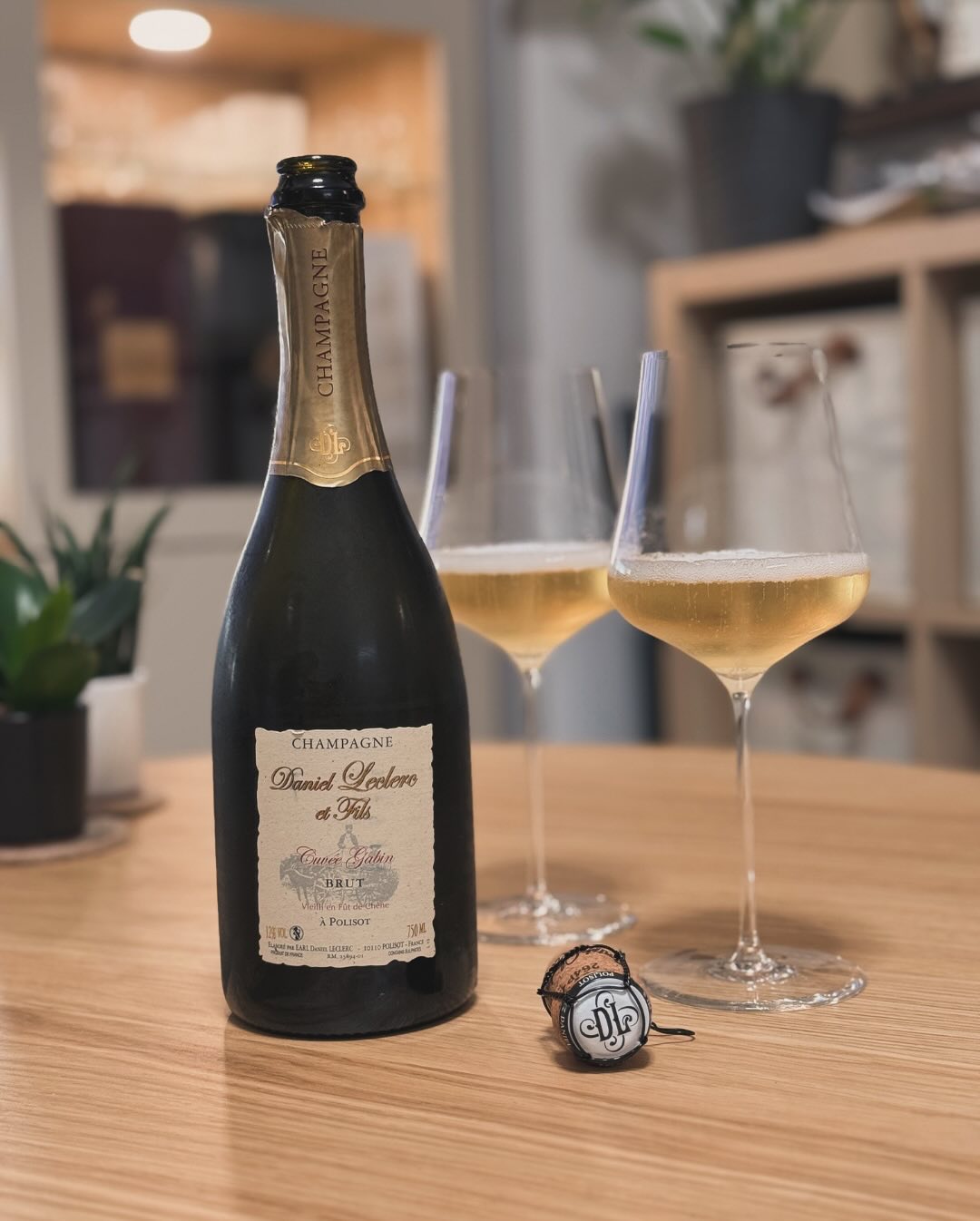
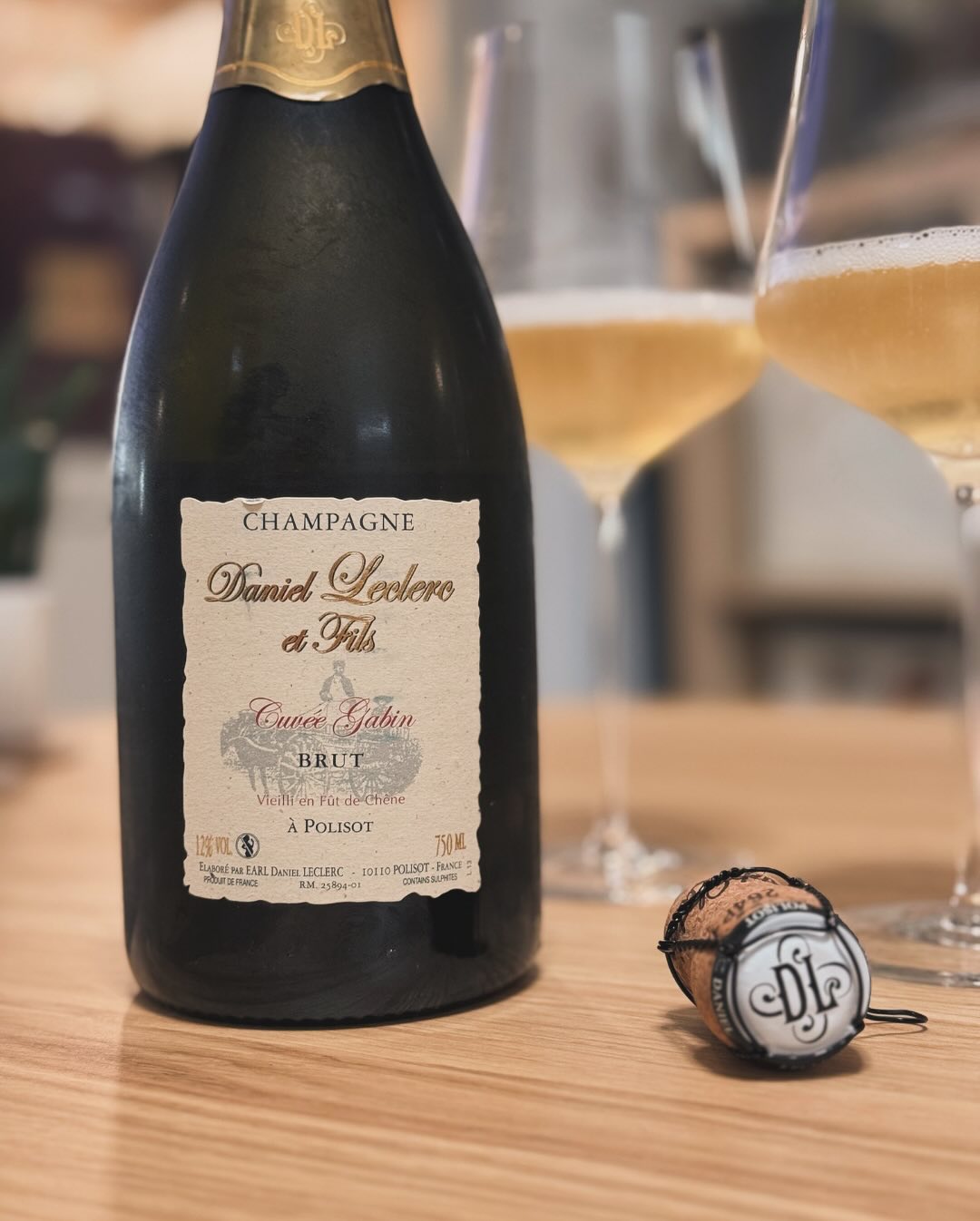
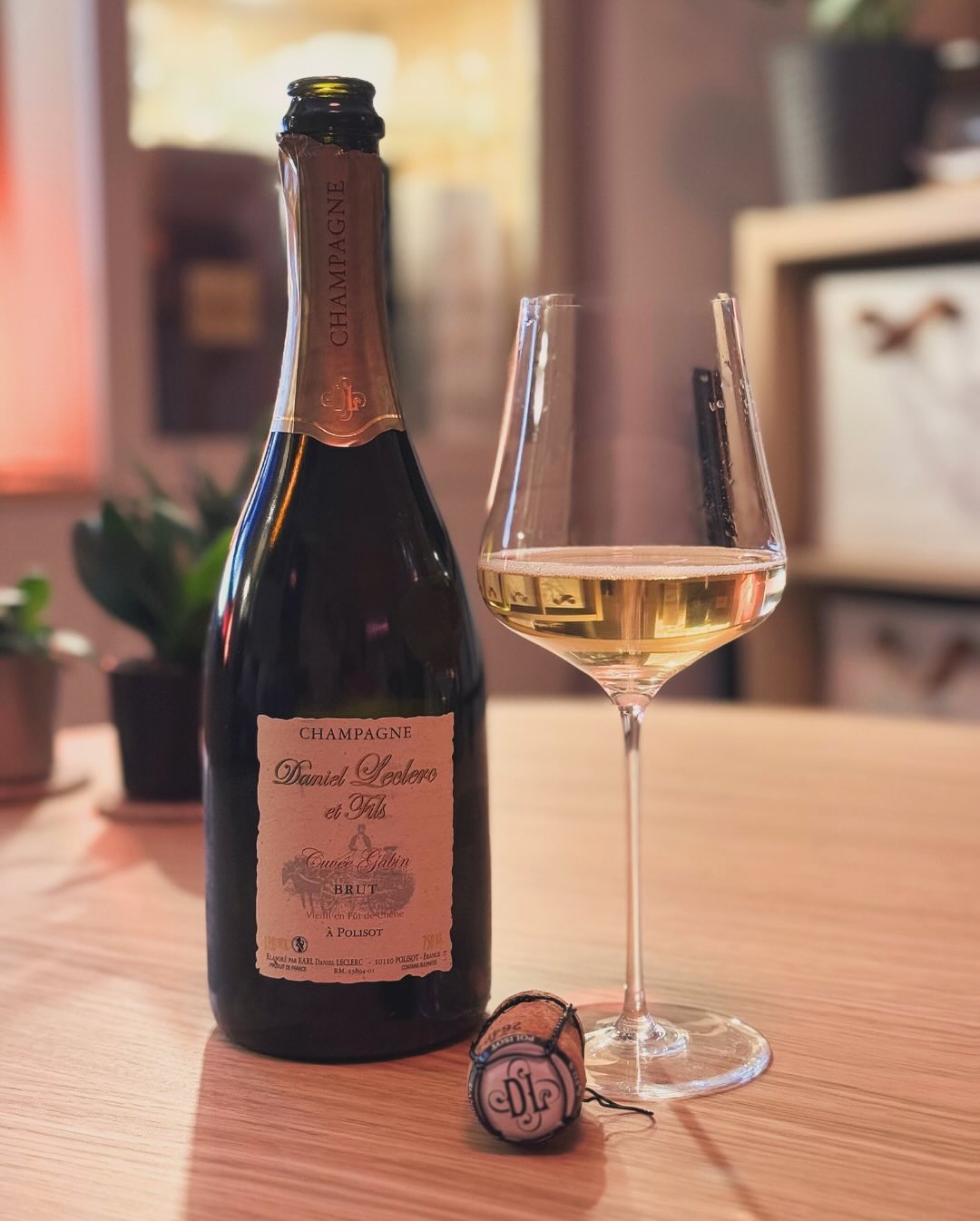
the_champagne.guy Manchmal öffnet man eine Flasche und weiß sofort: Das passt. Genau das hatte ich gestern mit der Cuvée Gabin Brut von @champagne.daniel.leclerc . Ein Champagner, der mich direkt überzeugt hat – kraftvoll, strukturiert und mit feiner Eleganz. Aber woher kommt eigentlich der Name? Ich hatte kürzlich Kontakt mit Gabin vom Weingut – ob das Zufall ist oder die Cuvée nach ihm benannt wurde? Vielleicht gibt’s dazu ja noch eine Antwort in den Kommentaren. @leclercgabin ?😉 Verkostungsnotizen: 👃 Nase: Feine und delikate Aromen, geschmolzenes Holz, Brioche, geröstete Orangenschale. 👅 Gaumen: Cremig, mit Noten von getrockneter Aprikose, harmonisch und komplex. 🥂 Abgang: Lang, mit einer eleganten Struktur, die sich über die Zeit weiterentwickelt. Brut oder Extra Brut? Diese Flasche hat eine Dosage von 4 g/l – das liegt genau im Grenzbereich zwischen Brut und Extra Brut. Warum also die Bezeichnung Brut? Oft entscheidet der Winzer anhand des Gesamtbildes, nicht nur nach Zahlen. Und hier passt es: Trotz der geringen Dosage wirkt der Champagner nicht übermäßig trocken, sondern bleibt wunderbar ausgewogen. Die richtige Temperatur macht den Unterschied: Meine ersten Schlücke habe ich bei ca. 7 °C probiert – angenehm frisch, aber noch etwas verhalten. Mit jedem Grad mehr wurde er runder, komplexer, offener. Bei 10–12 °C kamen die Brioche- und Aprikosennoten viel deutlicher zur Geltung. Ein kleiner Unterschied mit großer Wirkung. Fazit: Ein ausdrucksstarker 100 % Chardonnay aus der Côte des Bar, der seine Reife zeigt, aber gleichzeitig lebendig bleibt. Definitiv ein Champagner, der Lust macht, das Sortiment weiter zu erkunden. Wer hat ihn schon probiert? Und wie seht ihr das mit der Namensgebung – reiner Zufall oder steckt mehr dahinter? 🤔 #DanielLeclerc @gabriel_glas #CuveeGabin #ChampagneLeben #Chardonnay #BrutOrExtraBrut #TheChampagneGuy
Auf Instagram weiterlesen →Jacquesson was one of the first major houses to consistently focus on reduced dosage. Their Cuvée 700 series shows year after year how expressive Extra Brut can be.
Pierre Peters from the Grand Cru Mesnil-sur-Oger creates Extra Brut champagnes of captivating minerality. The chalk soils come through unfiltered here.
Modern Masters
Ulysse Collin in Congy produces Extra Brut champagnes that combine the power of Pinot Noir with crystalline clarity. Each cuvée is a terroir statement.
Marie-Courtin shows with their biodynamic Extra Brut that sustainability and flavor intensity can go hand in hand.
Why Extra Brut Places Higher Demands on the Base Wine
No Compromises Possible
With standard Brut, generous dosage can mask minor flaws: unripe grapes, excessive acidity, or oxidative notes disappear behind the sugar. Extra Brut forgives nothing. The base wine must be perfect.
Precision in Assemblage
The assemblage, the blending of different base wines, requires exceptional skill with Extra Brut. Every component must be right, because there's no sweet safety net.
Longer Aging Time Required
Extra Brut champagnes often need longer aging periods on the lees. The autolysis aromas must compensate for the missing dosage and give the champagne depth and complexity.
Terroir Understanding is Essential
Only those who perfectly understand their terroir can produce Extra Brut at the highest level. The winemakers must know which parcels deliver the necessary ripeness and balance for this uncompromising style.
My Conclusion as The Champagne Guy
Extra Brut represents the future of champagne for me. These wines challenge both producers and enthusiasts, and reward both with unforgettable taste experiences. Anyone who has experienced the crystalline clarity of a perfect Extra Brut understands why this style is revolutionizing the champagne world.
The minimal dosage is not just a technical detail, but a philosophy: respect for terroir, trust in nature, and the courage for authenticity.
Example cuvées
- A&C Toullec: Cuvée Assemblage 2019
- A&C Toullec: Cuvée Pinot Noir 2021
- A&C Toullec: Pinot Noir Extra Brut 2021
- A&C Toullec: Rosé de Macération 2023
- A. et C. Toullec: Les Vicomtes 2020
- Adrien Renoir: Le Terroir Grand Cru Extra Brut 2024
- Agrapart: Les 7 Crus
- Allouchery-Deguerne: Blanc de Blancs 2023
- André Heucq: Héritage Millésime 2014 Extra Brut
- Antoine Grethen: Éole 2017
- Bertrand Delespierre: Enfant de la Montagne Extra Brut
- Bertrand-Delespierre: L'Âme 2015
- Boizel: Tours-sur-Marne 2019
- Bonnaire-Clouet: Les Harengs 2021
- Bonnaire-Clouet: Les Versants Réserve
- Bonnaire-Clouet: Love Story 2012
- Bonnaire: Les Terres des Buissons 2016
- Bonnaire: Terroirs Grand Cru Blanc de Blancs 2021
- Boonen: Le Cirque
- Boutillez-Vignon: Libre Jeu
- Boutillez Vignon: Orchestral 2018
- Bruyen: Assemblage Élégant 2020
- Bruyen: Grande Réserve 2019
- Bruyen: Rosé Héritage 2023
- Champagne A&C Toullec: Cuvée Assemblage 2019
- Champagne A&C Toullec: Rosé de Macération 2023
- Champagne A. et C. Toullec: Les Vicomtes 2020
- Champagne Bertrand-Delespierre: L'Âme 2015
- Champagne Boonen: Le Cirque
- Champagne Bruyen: Assemblage Élégant 2020
- Champagne Bruyen: Grande Réserve 2019
- Champagne Bruyen: Rosé Héritage 2023
- Champagne Collard-Picard: Dom. Picard 2020
- Champagne De Sousa: Caudalies
- Champagne Dumangin: Blanc de Blancs 2019
- Champagne Dumangin: L'Extra Brut 2.2
- Champagne Dumangin: Rosé (Signature Wine)
- Champagne Esprit Chapuy: Cuvée Chardonnay Grand Cru 2024
- Champagne Esprit Chapuy: Unique Les Dormans 2018
- Champagne Faivre: Reflets de la Haute Vallée
- Champagne Faivre: Reflets de la Haute Vallée 2022
- Champagne Jarry Héritage: La Spirituelle
- Champagne Jarry Héritage: Vintage 2020 Bethon 2020
- Champagne JM Gandon: Les Pièces V21 2024
- Champagne La Borderie: Trois Contrées 2021
- Champagne Lointier: Negra Extra Brut
- Champagne Lombard: Extra Brut Premier Cru Blanc de Noirs 2018
- Champagne Mathelin: Nuit Étoilée