Liqueur d'Expédition: The Final Secret of Champagne
After months of bottle fermentation and the dramatic moment of dégorgement, champagne faces its last decisive step. The Liqueur d'Expédition – that mysterious shipping dosage that shapes the final flavor profile. As The Champagne Guy, I can assure you: this is where the wheat separates from the chaff, where the cellar master's true artistry is revealed.
What exactly is the Liqueur d'Expédition?
The Liqueur d'Expédition is a sweet solution added to champagne after dégorgement to replace the volume lost by removing the yeast deposit. But it's far more than just filler – it's the final artwork that completes the champagne's character.
This dosage traditionally consists of cane sugar dissolved in old champagne or reserve wine. The concentration determines the final sweetness level of the champagne.
The Classic Recipes of the Maisons
Cane Sugar in Old Wine
The most traditional method uses cane sugar dissolved in champagne from the house that has been aged for years. These reserve wines are often true treasures – sometimes 20 years old or more. They give the dosage incredible complexity and depth.
At Dom Pérignon, for example, only reserve wines from the finest vintages are used for the Liqueur d'Expédition. The result? A dosage that harmoniously merges with the champagne.
Grape Must and MCR (Moût Concentré Rectifié)
Modern houses increasingly rely on concentrated grape must (MCR) instead of cane sugar. This is obtained through gentle concentration of grape must and is considered a more "natural" sweetening agent.
Jacquesson is a pioneer here: They use exclusively MCR from their own grapes. The result is a dosage that harmonizes perfectly with the terroir.
Innovative Approaches
Some progressive winemakers experiment with:
- Honey from their own region
- Old Cognac for additional complexity
- Reduced wines from various vintages
Why Every House Guards Its Secret Recipe
The Liqueur d'Expédition is the genetic fingerprint of a champagne house. It determines:
Stylistic Identity
Krug uses a dosage with over 40 different reserve wines from various vintages. This complexity is unmistakable and defines the Krug style.
Bollinger, on the other hand, relies on a very reduced dosage with few but exceptionally old reserve wines – sometimes from the 1970s.
Terroir Expression
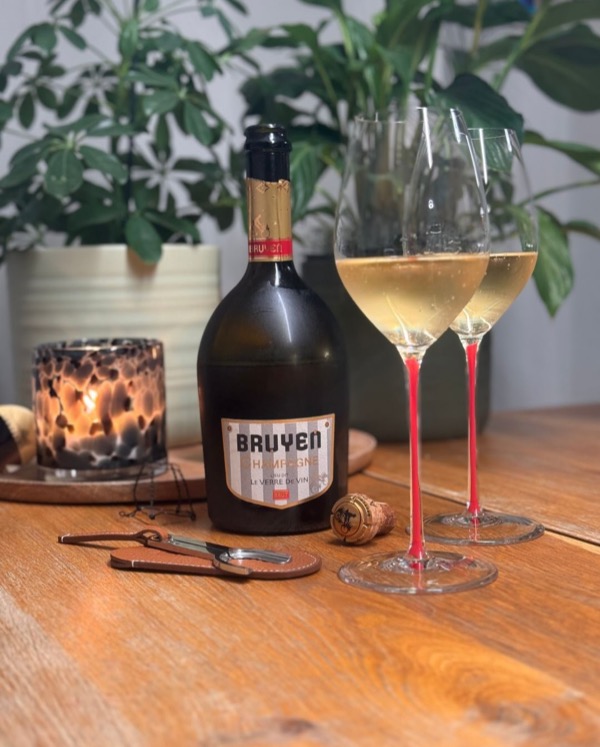
Heute gibt es mal ein etwas anderes Setup. Mein @grad.dk Kühler hat heute frei – und zwar aus einem ganz simplen Grund: Die Flasche ist einfach zu…
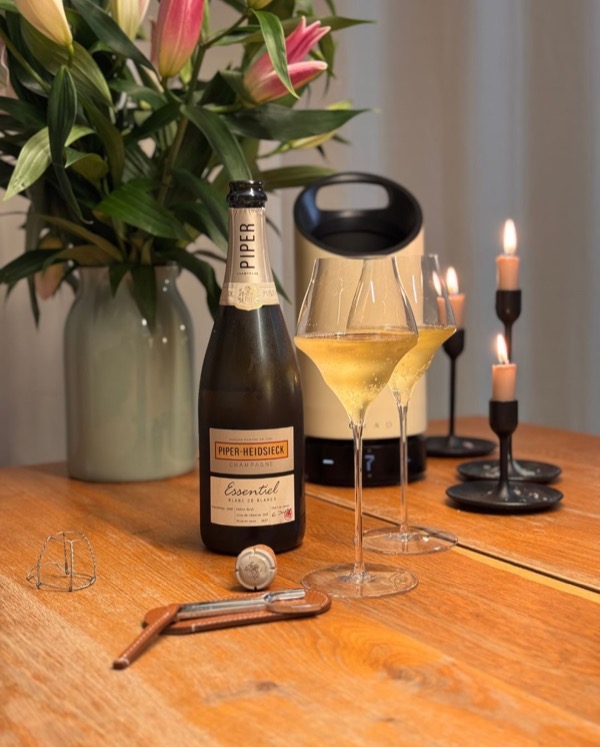
Wenn man an @piper_heidsieck denkt, hat man oft das klassische Rot vor Augen. Aber wer die wahre Seele des Hauses in ihrer pursten Form erleben will,…
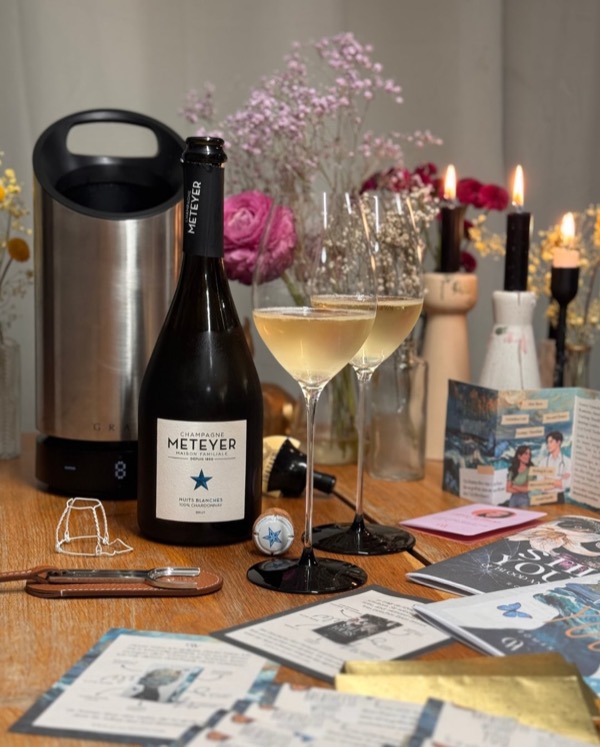
Hier am Tisch herrscht gerade kreatives Chaos der schönsten Sorte: @autorin.olive.wilson bereitet akribisch und mit wahnsinnig viel Liebe ihre…
The dosage can enhance or mask the terroir. Masterful cellar masters use it to highlight the best characteristics of their vineyards.
Commercial Advantage
A perfectly balanced dosage recipe is an enormous competitive advantage. It takes years to develop the ideal composition – a head start that competitors cannot simply copy.
The Connection to Dosage Levels
The amount of Liqueur d'Expédition determines the official classification:
| Dosage Level | Sugar Content | Flavor Profile |
|---|---|---|
| Brut Nature | 0-3 g/l | Purist, mineral |
| Extra Brut | 0-6 g/l | Dry, precise |
| Brut | 0-12 g/l | Balanced, classic |
| Extra Sec | 12-17 g/l | Slightly sweet, round |
| Sec | 17-32 g/l | Sweet, smooth |
| Demi-Sec | 32-50 g/l | Very sweet, dessert-like |
Interesting: Even with Brut Nature, a minimal dosage is often added – not for sweetening, but for flavor refinement.
Why Some Winemakers Forgo It Entirely
The Brut Nature Philosophy
Cédric Bouchard of Roses de Jeanne is a radical advocate of the zero-dosage approach. His philosophy: "The champagne should speak, not the dosage."
Technical Challenges
Working without Liqueur d'Expédition means:
- Perfect base wines are indispensable
- Flaws cannot be masked
- Utmost precision during dégorgement is required
Flavor Consequences
Brut Nature champagnes show:
- Purest terroir expression
- Mineral sharpness
- Uncompromising authenticity
But: They're not for everyone and often require a certain adjustment period.
The Art of Perfect Dosage
As a champagne lover, I'm fascinated by how such a small amount – often just 6-8 ml per bottle – can shape the entire character. The Liqueur d'Expédition is not just sweetening, but the completion of a vision.
The best champagnes are those where you don't taste the dosage as a separate element, but as a harmonious component of the overall masterpiece. That's true mastery – and exactly what makes the Liqueur d'Expédition one of the most fascinating secrets of Champagne.