As The Champagne Guy, I constantly see how fascinated people are by champagne's foam. But many confuse two completely different phenomena: the mousse and the perlage. Both are crucial to the champagne experience, but they have entirely different characteristics and meanings.
What's the Difference Between Mousse and Perlage?
The Mousse: The Foam When Pouring
The mousse is the creamy foam that forms in the glass when pouring champagne. It's created by the sudden release of CO₂ when it contacts the glass surface and atmosphere. You can recognize high-quality mousse by these characteristics:
- Creamy, fine texture - almost like cream
- Long-lasting stability - it doesn't disappear immediately
- Uniform, small bubbles without large, coarse bubbles
- Pleasant height of 1-2 cm in the glass
The Perlage: The Rising Pearls
The perlage, on the other hand, describes the continuously rising CO₂ bubbles in the champagne itself. Here's what I look for:
My Posts About This
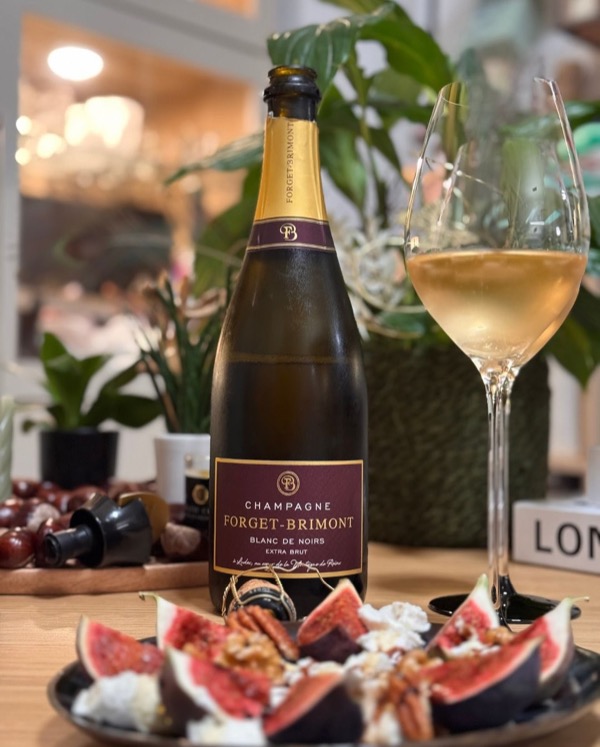
Gesternabend, nach einer erfolgreichen Kastanien-Sammelaktion mit den Kids – Sonne, frische Herbstluft, rote Wangen. Zum Abschluss ein kleiner…

Vor über 10 Jahren habe ich im Rahmen eines Projekts für eine Weinverkostung und ein Feature in einem Print-Magazin Gläser von @eisch_glass ,…
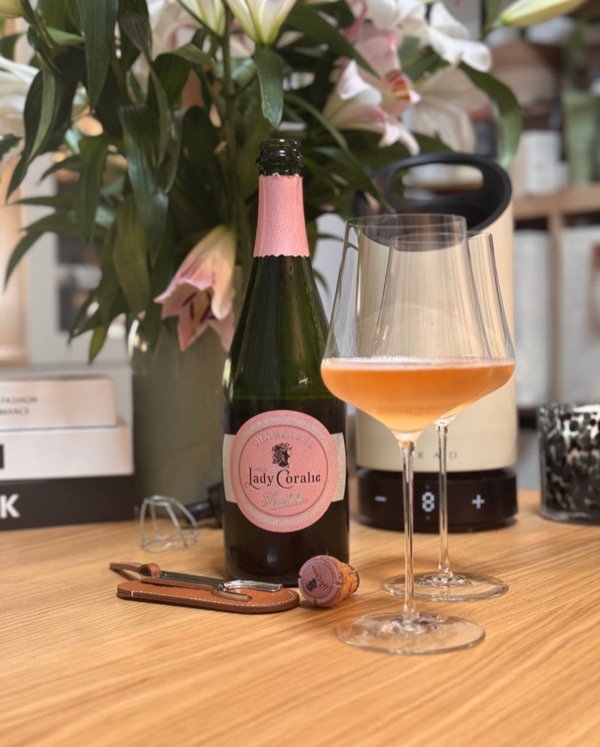
Heute habe ich eine echte Besonderheit aus der „Collector“ Linie von @champagne_mathelin im Glas: Die Cuvée „Lady Coralie“. Das Spannende an diesem…
| Quality Feature | Excellent Perlage | Mediocre Perlage |
|---|---|---|
| Bubble Size | Very fine, needle-sharp | Coarse, irregular |
| Rising Behavior | Continuous, uniform | Sporadic, restless |
| Number of Pearl Streams | Many fine streams | Few, wide streams |
| Persistence | Long-lasting | Quickly diminishing |
What Makes a Creamy, Fine Mousse?
A first-class mousse results from several factors that I've come to appreciate:
Proteins as Stabilizers
The creaminess comes from dissolved proteins from autolysis during lees aging. These proteins act as natural stabilizers and create the silky texture. The longer a champagne ages on lees, the more proteins dissolve - one reason why prestige cuvées often have superior mousse.
CO₂ Saturation
The saturation level with carbon dioxide determines the intensity of the mousse. With optimal saturation, countless tiny bubbles form that connect into a stable foam crown.
Glass Quality
Interestingly, the glass also plays a role: crystal glasses with their slightly rough surface create more nucleation points for bubble formation than smooth industrial glasses.
Why Do Older Champagnes Have Softer Mousse?
I regularly make this observation when tasting aged champagnes. The reasons are fascinating:
Natural CO₂ Loss
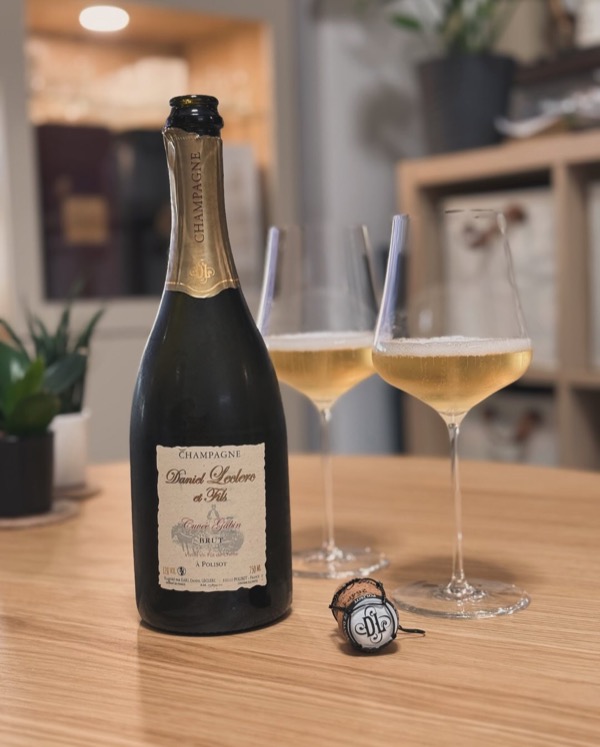
Manchmal öffnet man eine Flasche und weiß sofort: Das passt. Genau das hatte ich gestern mit der Cuvée Gabin Brut von @champagne.daniel.leclerc . Ein…
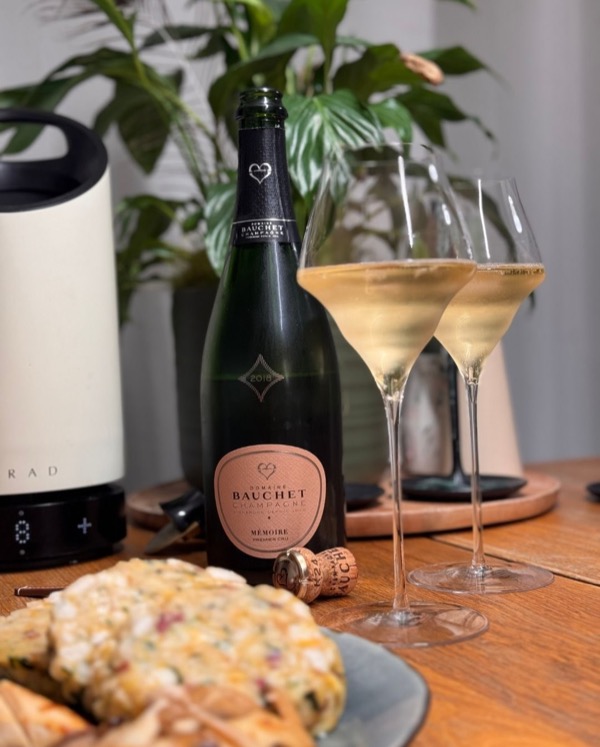
Der Mémoire 2018 von @domainebauchet schien mir ein Champagner zu sein, der ein passendes Pairing verdient hat. Daher habe ich ihn gestern zu…
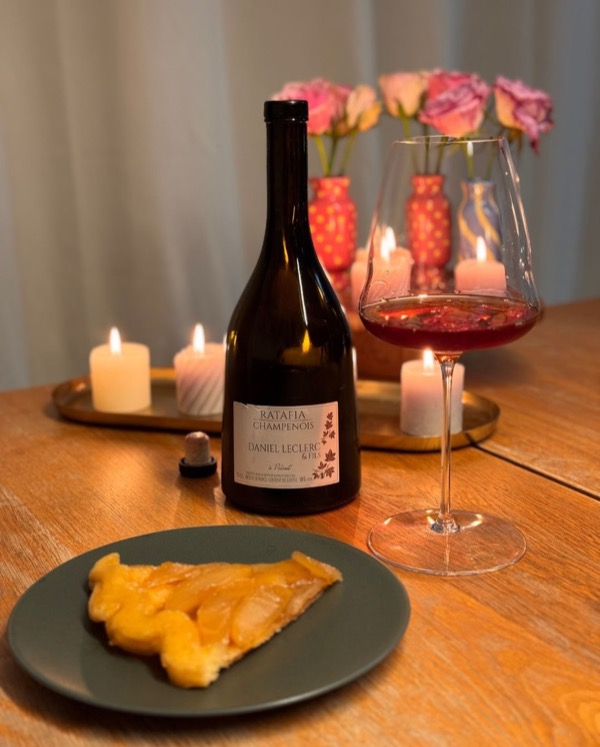
Manchmal braucht ein Abend keinen Champagner, sondern einen echten Seelenschmeichler. Hier im Glas: Der Ratafia Champenois von…
Over years, minimal CO₂ escapes through the cork - a completely natural process. This leads to a subtle, less aggressive mousse that many connoisseurs find more elegant.
Changed Protein Structure
The proteins in champagne change during storage and form more complex compounds. These create an even creamier, more stable mousse.
More Harmonious Integration
In aged champagnes, the CO₂ is better integrated - it no longer seems fresh and lively, but round and harmonious. This makes the mousse softer and more persistent.
How Does Bottle Pressure Influence the Mousse?
The pressure of 5-6 atmospheres in a champagne bottle isn't coincidental - it's the result of centuries of perfection:
The Optimal Pressure Range
- Under 5 atm: Too little mousse, the champagne seems flat
- 5-6 atm: Ideal range for creamy, stable mousse
- Over 6 atm: Too aggressive, coarse mousse
Temperature Dependency
The pressure varies with temperature. At cellar temperature (12°C) it's about 5 atm, at serving temperature (6-8°C) it rises to 6 atm. That's why proper temperature is so crucial for perfect mousse.
My Recommendations for the Perfect Mousse Experience
From what I've learned so far, I recommend:
Proper Pouring
- Hold glass at an angle during initial pour
- Slowly top off for optimal mousse formation
- Don't serve too cold (6-8°C is ideal)
Glass Choice
Use tulip-shaped glasses with enough room for mousse development. Flute glasses might look elegant in photos, but they're simply too narrow - the mousse can't develop properly, and the aromas remain trapped. Stay away from the flute.
Perfect mousse is more than just foam - it's the first impression of your champagne and an indicator of quality and craftsmanship. Take time to observe and appreciate it before enjoying that first sip.