When I first discovered the abbreviation "NM" on a champagne bottle, I wasn't aware that I was looking into the world of the largest and most successful champagne producers. Négociant-Manipulant – that's the French model that has made houses like Moët & Chandon, Veuve Clicquot and Dom Pérignon into global brands.
What Does Négociant-Manipulant Mean?
The term is composed of two French words: Négociant (merchant) and Manipulant (processor). An NM house buys grapes or must from various growers and processes them in their own cellars into champagne. This initially sounds less romantic than the small winemaker who tends his own vines – but reality is far more complex.
The big champagne houses don't simply work as "grape traders." They have built partnerships with hundreds of growers over decades or even centuries. These relationships are often multi-generational and based on trust and shared quality standards.
Why Do the Big Houses Work as NM?
Access to the Best Sites
Krug, Moët & Chandon and Veuve Clicquot didn't choose the NM model by chance. In Champagne, land ownership is extremely expensive and limited. Even the largest houses own only a fraction of the vineyard area they would need for their production volumes.
Through the NM system, they can access grapes from the most diverse terroirs – from the Grand Cru sites in Aÿ to the Côte des Blancs slopes. This diversity would be impossible if they relied only on their own vineyards.
Production Volume and Market Presence
A Récoltant-Manipulant (RM) might produce 50,000 bottles per year. Moët & Chandon produces over 30 million bottles annually. These numbers show why the NM model is indispensable for large brands.
The Advantages of the NM Model
Consistency Across Vintages
Here one of the greatest strengths of the NM system becomes apparent. As a champagne enthusiast, I appreciate the fact that a bottle of Dom Pérignon 2012 tastes the same everywhere in the world. The houses achieve this consistency through:
- Assemblage artistry: The cellar masters blend wines from different villages, grape varieties and vintages
- Reserve wines: Large stocks make it possible to compensate for poor vintages
- Quality control: Strict standards for grape acceptance
Technical Excellence
The large NM houses possess state-of-the-art cellar technology and centuries of experience. Their cellar masters are among the best in the world. Richard Geoffroy (formerly Dom Pérignon) or Cyril Brun (Charles Heidsieck) are artists of their craft.
Financial Stability
NM houses can survive difficult years and continuously invest in quality. They have the means for:
- Long aging (often longer than legally required)
- Research and development
- Sustainability and environmental protection
The Quality Spectrum at NM Houses
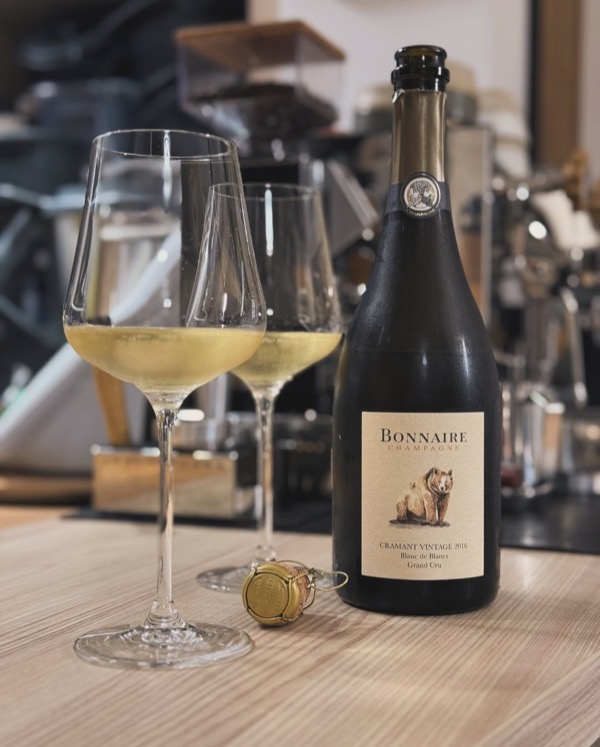
Diese Woche kam eine frische Lieferung direkt aus der Champagne bei mir an – Drei spannende Flaschen von @bonnaireclouet . Für den Auftakt habe ich…
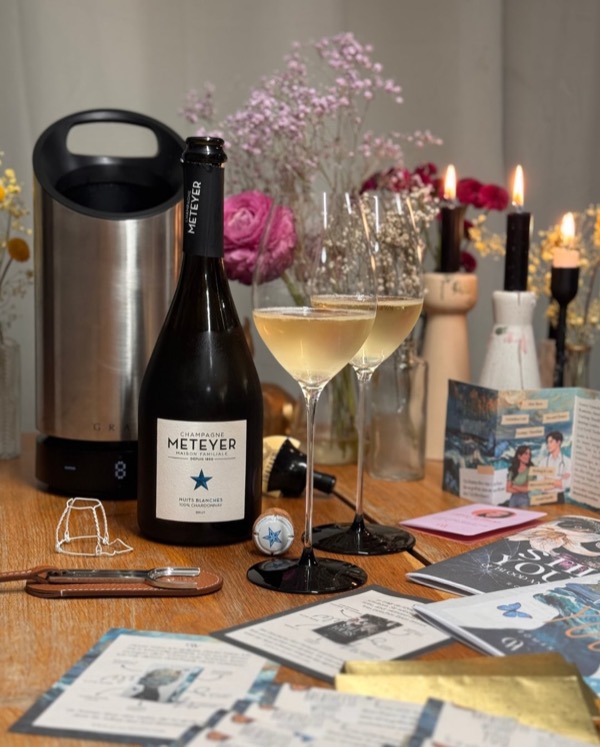
Hier am Tisch herrscht gerade kreatives Chaos der schönsten Sorte: @autorin.olive.wilson bereitet akribisch und mit wahnsinnig viel Liebe ihre…
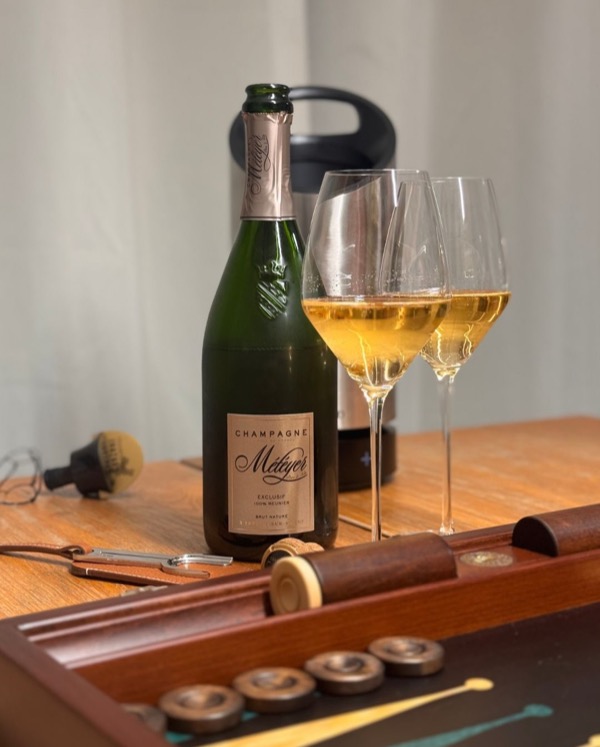
Nach dem monumentalen Rare 2008 am Valentinstag ist es extrem spannend, heute einen völlig anderen Blickwinkel auf dieses Ausnahmejahr zu werfen: Den…
| Category | Examples | Price Range |
|---|---|---|
| Base Cuvées | Moët Imperial, Veuve Clicquot Brut | 30-45€ |
| Premium Lines | Krug Grande Cuvée, Pol Roger Réserve | 80-120€ |
| Prestige Cuvées | Dom Pérignon, Krug Vintage | 150-300€+ |
Why NM Is Not Worse Than RM
The Terroir Myth
I often hear the argument that NM champagnes have no terroir character. This is a misunderstanding. Krug Grande Cuvée clearly shows the characteristics of Champagne – just not of a single vineyard, but of an entire region.
Craftsmanship vs. Industry
Yes, production volumes are large. But the basic principles remain the same: hand-picking, traditional pressing, second fermentation in the bottle. A Moët & Chandon goes through the same production steps as a small RM champagne.
Value for Money
Especially with the base cuvées, NM houses often offer excellent value for money. Their purchasing power and efficiency benefit the consumer.
My Recommendations for NM Beginners
If you want to understand the NM model, try these classics:
- Pol Roger Brut Réserve: Shows what assemblage artistry means
- Billecart-Salmon Brut Réserve: Elegant and balanced
- Charles Heidsieck Brut Réserve: Complex despite moderate price
My Posts About This
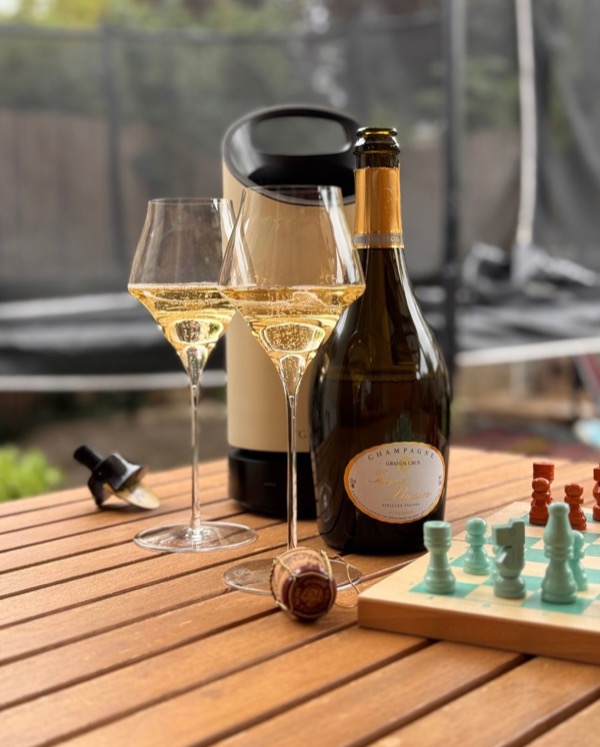
Champagne & Chess So lautete das (spontane) Motto an diesem spätsommerlichen Freitag, an dem sonst gar nichts wirklich geplant war. Die Kinder…
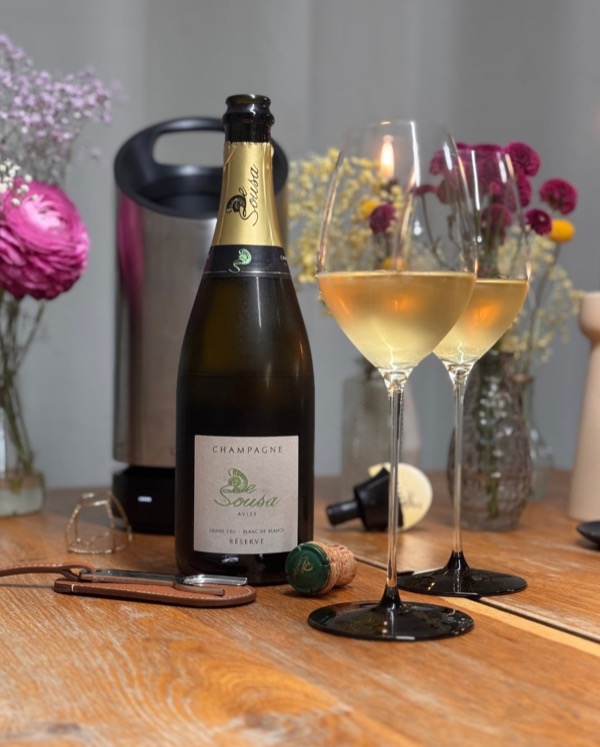
Heute habe ich einen herausragenden Blanc de Blancs geöffnet: Die „Grand Cru Réserve“ von @champagnedesousa aus Avize. Die Familie De Sousa arbeitet…
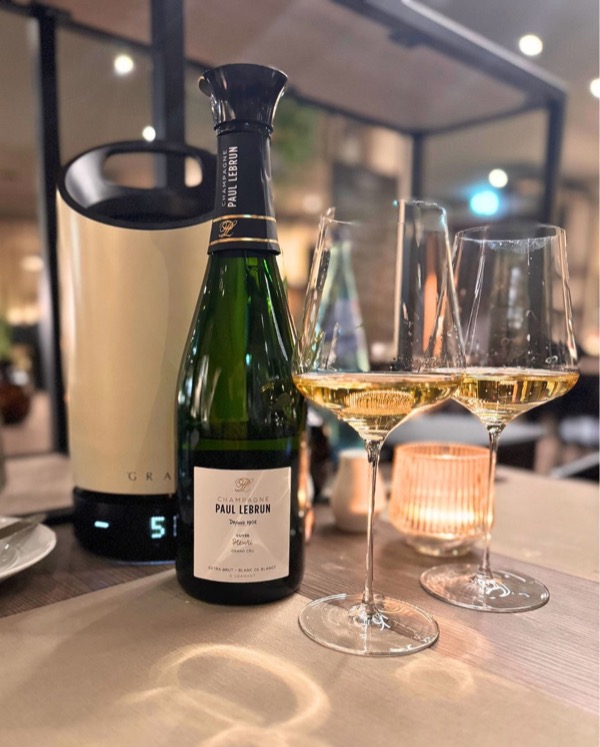
Kennt ihr das? Man ist unterwegs, freut sich nach einem langen Tag auf ein solides Abendessen im Hotel – und dann der Blick in die Weinkarte: Kein…
Conclusion: Respect for the Achievement
The NM model is not a sign of lacking authenticity, but a proven system that enables quality, consistency and availability. The large champagne houses have proven over centuries that they can produce world-class champagne – even without their own vineyards.
As The Champagne Guy, I say: Enjoy both RM and NM champagnes. Both have their justification and their special charms. Champagne is big enough for different philosophies.