When I meet Champagne beginners, I often hear the same question: "Is Non-Vintage Champagne inferior to vintage Champagne?" My answer usually surprises them: Quite the opposite! Non-Vintage (NV) Champagne is the backbone of the entire Champagne region and represents the true art of Champagne making.
What makes Non-Vintage Champagne so special?
Non-Vintage Champagne is created through the Assemblage of different vintages – a technique that has been perfected in Champagne for centuries. While vintage Champagne reflects the profile of a single year, NV Champagne combines the best characteristics of multiple years into a harmonious whole.
This philosophy fundamentally distinguishes Champagne from other wine regions. Here, it's not about showcasing a single vintage, but about creating a timeless flavor profile that remains consistent year after year.
The impressive numbers behind Non-Vintage
With over 80% of total Champagne production, Non-Vintage clearly dominates the market. These numbers speak volumes:
My posts about this
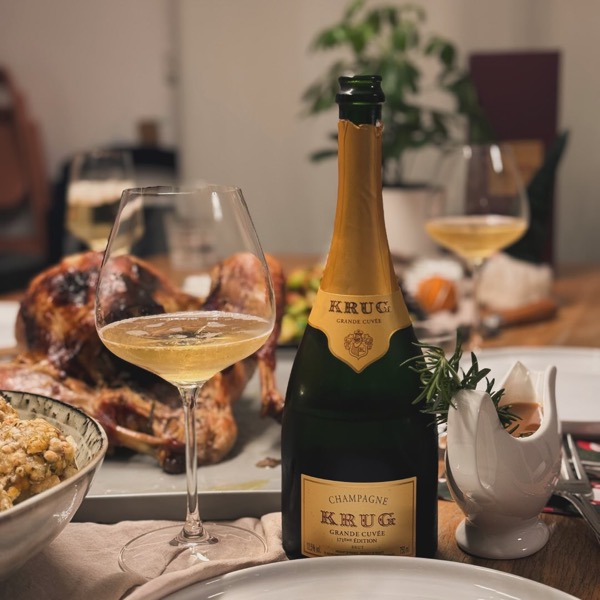
Weihnachten ist für mich der perfekte Anlass, die kleinen und großen Genüsse des Lebens zu feiern. 🌟 Heute Abend steht das festliche Dinner ganz im…

Manchmal entstehen die besten Kombinationen aus purem Hunger – gestern Abend gab’s kleine Mini-Burger mit Rindfleisch, Jalapeños, Zwiebeln, Tomaten…
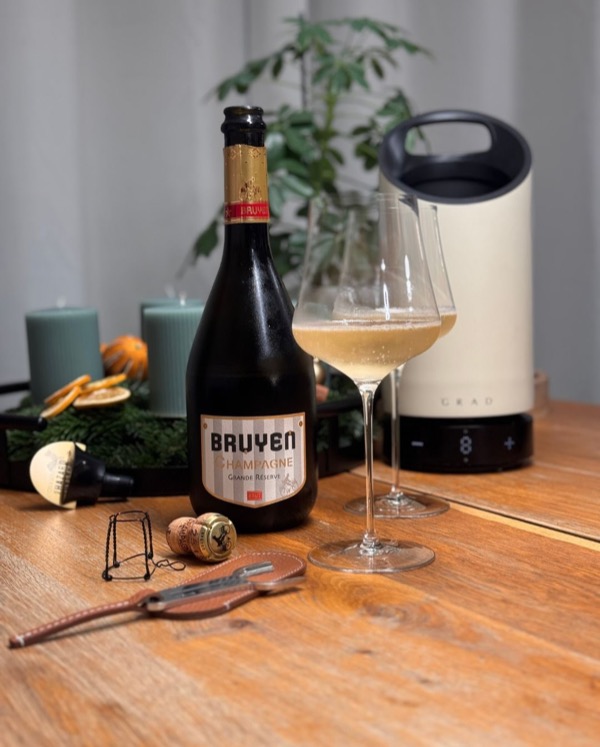
Heute der Grande Réserve von @champagnebruyen – ein 50/50-Blend aus Chardonnay und Pinot Noir, Jahrgang 2019, extra brut mit 4 g/l. Schon im Glas…
| Category | Share of Production | Average Price |
|---|---|---|
| Non-Vintage | 80-85% | 30-80€ |
| Millésimé | 10-15% | 60-200€ |
| Prestige Cuvées | 3-5% | 100-500€ |
This dominance is no coincidence – it reflects both the demand and the practical advantages of NV Champagne.
Reserve wines: The secret weapon for consistency
The heart of every great NV Champagne lies in its reserve wine system. These older wines, often stored for decades, are the key to consistent quality.
How does the reserve wine system work?
- Perpetual Reserve: Some houses maintain reserves that are 20-30 years old
- Solera System: Similar to Sherry production, young wines are blended with old ones
- Flavor Memory: Older vintages compensate for weaker years
It's fascinating, for example, that at Krug, reserve wines from the 1950s still flow in tiny amounts into their Grande Cuvée today – a living history in every bottle.
The Chef de Cave: Conductor of a complex orchestra
The role of the Chef de Cave in assembling NV Champagne is comparable to that of a conductor. They must not only understand the current base wines, but also anticipate how they will develop with the reserve wines.
The art of Assemblage
A typical NV Champagne can consist of 50-200 different wines:
- Different vintages: 3-10 years
- Different grape varieties: Chardonnay, Pinot Noir, Pinot Meunier
- Different sites: Grand Cru to simple appellations
- Different vinifications: Stainless steel, wood, malolactic fermentation
This complexity requires decades of experience and an exceptional taste memory.
Why NV doesn't mean inferior
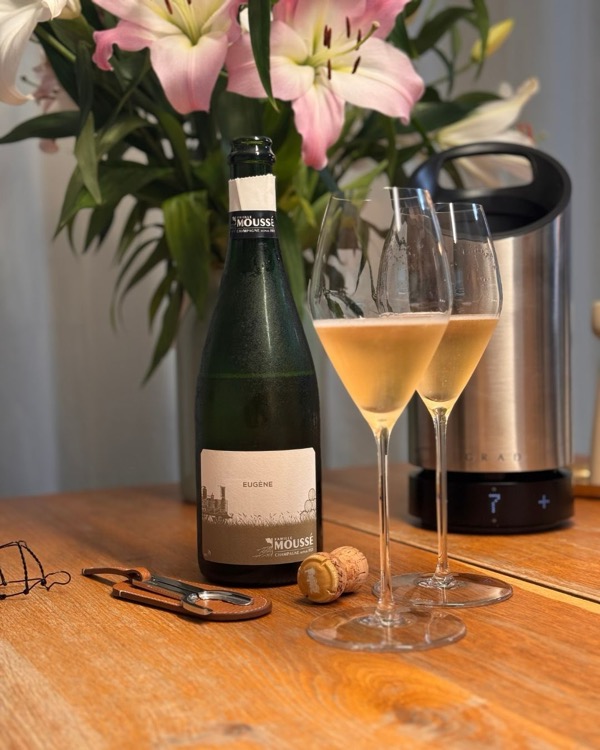
Erinnert ihr euch noch an den L’Orage den ich Anfang November gepostet hatte? Heute blicke ich tiefer in das Repertoire von @champagne_mousse und…

Heute habe ich eine echte Besonderheit aus der „Collector“ Linie von @champagne_mathelin im Glas: Die Cuvée „Lady Coralie“. Das Spannende an diesem…
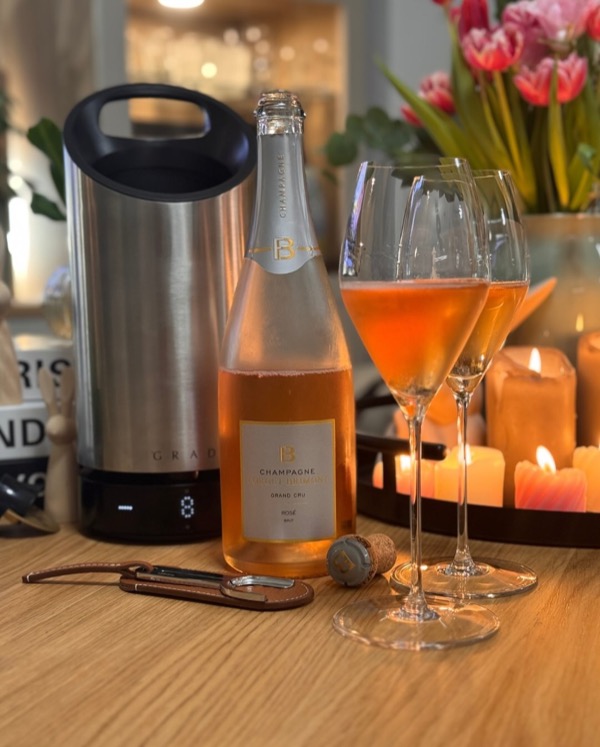
Heute gibt es mal wieder einen Rosé, der optisch und geschmacklich richtig Spaß macht: Den Brut Rosé von @champagne_forget_brimont . Wie ihr auf dem…
The myth that Non-Vintage is automatically worse than Millésimé persists stubbornly. Yet many overlook the crucial advantages:
Consistency over perfection
An outstanding NV Champagne offers the same quality year after year, while Millésimés can vary greatly. Dom Pérignon, for example, is only produced in exceptional years – in weaker years, there simply isn't any.
Complexity through layering
The use of different vintages creates a complexity that no single vintage can achieve. This vertical depth makes many NV Champagnes more interesting than mediocre vintage Champagnes.
When Non-Vintage surpasses Millésimé
From what I've learned so far, there are numerous examples where an excellent NV Champagne outshines an average Millésimé:
Quality differences within houses
- Pol Roger Brut Réserve vs. weaker Pol Roger vintages
- Louis Roederer Collection vs. mediocre Millésimés from smaller houses
- Billecart-Salmon Brut Réserve vs. overpriced prestiges from other producers
Value for money
A first-class NV Champagne for 40-50€ can certainly offer more enjoyment than a mediocre vintage Champagne for 80-100€. The price premiums for Millésimés are often marketing-driven, not quality-driven.
My recommendation: Respect for the art of NV
Non-Vintage Champagne deserves our highest respect. It represents not only the tradition and skill of Champagne, but also its future viability. In times of climate change, where individual vintages are becoming increasingly extreme, the NV philosophy offers stability and reliability.
For your next Champagne purchase, I suggest: Consciously try different Non-Vintage Champagnes. Discover the signature of different houses, which shows most clearly in their NV Champagnes. Because here the true identity of a Champagne house reveals itself – unfiltered and authentic.
Non-Vintage is not the little brother of Millésimé – it is the core, the heart, the soul of Champagne.