Prise de Mousse: The Secret of Champagne Bubbles
The Prise de Mousse – this poetic French term describes the most magical moment in the life of a champagne. This is where what we all love is born: the fine, persistent bubbles that distinguish champagne from all other sparkling wines. As a champagne enthusiast, this process never ceases to fascinate me.
What happens during Prise de Mousse?
Prise de Mousse is the second alcoholic fermentation that takes place exclusively in the bottle. After the first fermentation, the base wine lies still before us – without a single bubble. Only through controlled second fermentation does this base wine transform into true champagne.
The process begins when the tirage mixture is added to the still base wine:
- Sugar (usually cane sugar): 24 grams per liter
- Yeast (usually Saccharomyces cerevisiae)
- Nutrients for the yeast
- Bentonite for clarification
How Yeast Transforms Sugar into Champagne Magic
The Biochemical Process
The added yeast immediately gets to work. It metabolizes the sugar according to this simple but crucial formula:
C₆H₁₂O₆ → 2 C₂H₅OH + 2 CO₂
One molecule of sugar becomes two molecules of alcohol and two molecules of carbon dioxide. The CO₂ cannot escape – the bottle is sealed – and dissolves under pressure in the wine. This creates about 6 bars of pressure in the bottle.
What Makes the 24-Gram Rule So Important?
This precise amount of sugar is no coincidence. It produces:
- 1.2-1.3% additional alcohol
- About 6 bars of pressure
- The optimal CO₂ concentration
Too little sugar = too little pressure. Too much sugar = bottle explosion. Champagne masters have perfected this formula over centuries.
Why 50-54°F is the Perfect Temperature
The cellar temperature is crucial for successful Prise de Mousse. I often explain: at this temperature, the yeast works like a patient craftsman, not like a hasty factory worker.
The Advantages of Cool Fermentation
| Temperature | Fermentation Speed | Bubble Quality | Aroma Profile |
|---|---|---|---|
| 46-50°F | Very slow | Extremely fine | Very complex |
| 50-54°F | Optimal | Fine and persistent | Complex |
| 59-64°F | Too fast | Coarser | Less complex |
At 50-54°F, several important things happen:
- Slower fermentation: The yeast works leisurely and produces finer bubbles
- Better CO₂ dissolution: The gas dissolves more evenly in the wine
- Aroma protection: Heat-sensitive aromatic compounds are preserved
- Even pressure: No sudden pressure spikes
How Long Does Prise de Mousse Take?
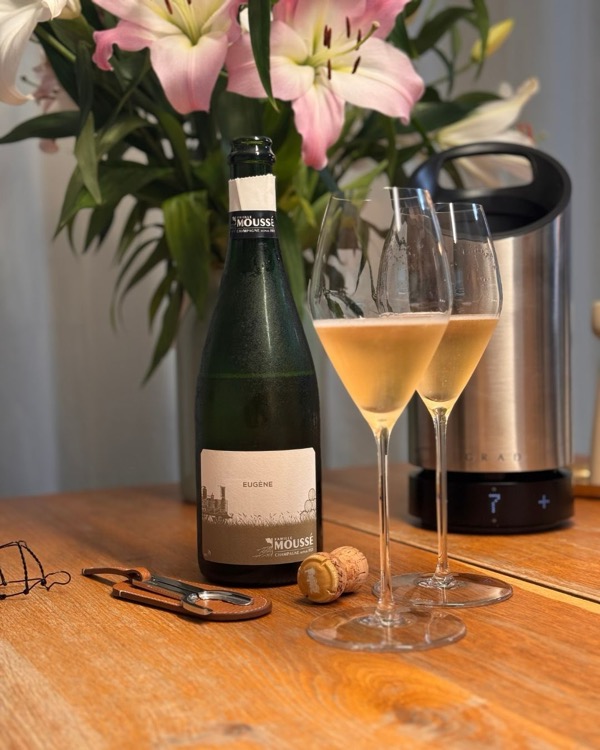
Erinnert ihr euch noch an den L’Orage den ich Anfang November gepostet hatte? Heute blicke ich tiefer in das Repertoire von @champagne_mousse und…
Manchmal braucht es keine große Inszenierung, um echten Luxus zu erleben – nur einen guten Black Imperial Stör Kaviar von @schenkeldelikatessen ,…
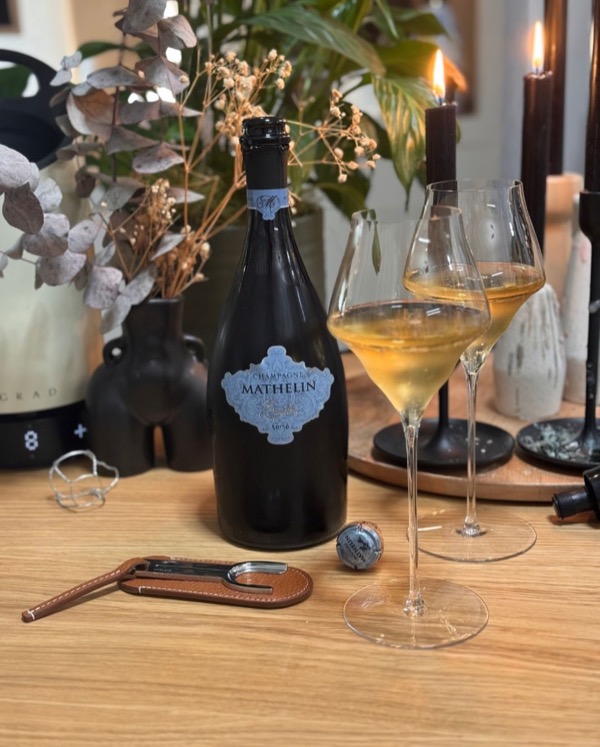
Manchmal sagt ein minimalistisches Etikett schon alles: Beim „Équilibre“ von @champagne_mathelin ist der Name absolutes Programm! Auf der Flasche…
The Typical Timeline
Prise de Mousse is a game of patience:
Weeks 1-2: The yeast adapts to the new environment Weeks 3-6: Main fermentation phase - most conversion happens here Weeks 6-10: Secondary fermentation and pressure stabilization From Week 12: Fermentation largely complete
Under optimal conditions, the process is finished after 6-10 weeks. Some houses allow up to 3 months though – quality over speed.
What Influences the Speed?
- Yeast strain: Some strains are more active than others
- Base wine pH: Lower pH values slow fermentation
- Nutrient content: Well-fed yeast works more efficiently
- Cellar temperature: Even 4°F difference changes everything
Why Bottle Fermentation Makes Champagne Unique
Tank vs. Bottle: The Crucial Difference
As a champagne lover, I experience daily the difference between champagne and other sparkling wines. Bottle fermentation makes the difference:
Champagne Method (Bottle Fermentation):
- Each bottle is an individual fermentation vessel
- CO₂ forms slowly and dissolves perfectly
- Long yeast aging possible
- Complex autolysis aromas develop
Charmat Method (Tank Fermentation):
- Fermentation in large tank
- Faster, industrial production
- Less complex aromas
- CO₂ is partially added
The Magic of the Sealed Bottle
Something special happens in the sealed bottle: the CO₂ cannot escape and is pressed under pressure into the wine. This creates:
- Finer bubbles: Smaller CO₂ molecules due to high pressure
- Better integration: CO₂ becomes part of the wine structure
- Longer shelf life: Natural CO₂ protection against oxidation
After Prise de Mousse: The Journey Continues
When the second fermentation is complete, the actual maturation begins. The dead yeast remains in the bottle and starts autolysis – but that's another fascinating story.
Prise de Mousse is the heart of what makes champagne champagne. Without this patient, cool bottle fermentation, there would be no persistent pearl strings, no creamy texture, and no complex yeast autolysis aromas.
Every bottle of champagne has lived through these intense 6-10 weeks – a silent revolution in the cool chalk