When I tried my first Bollinger RD 1996, I immediately understood why these Champagnes form a category of their own. Récemment Dégorgé – recently disgorged – sounds paradoxical for a Champagne that has already spent 15 years or longer on the lees. But it's precisely in this contradiction that the magic of this extraordinary category lies.
What Does Récemment Dégorgé Mean?
Récemment Dégorgé refers to Champagnes that are deliberately aged many years longer on the lees (sur lie) than is usual for normal production. While standard Champagnes are disgorged after 15 months (Non-Vintage) to 3 years (Prestige Cuvées), RD Champagnes often remain in contact with their lees deposit for 8-20 years or even longer.
The term "recently disgorged" refers to the point of sale – these Champagnes are disgorged only shortly before market release, not related to a specific date.
Bollinger: The Pioneers of the RD Concept
Bollinger established the RD concept in 1967 with the legendary RD 1952 and thereby created a new category. The idea came from Madame Lily Bollinger, who experimented with how Champagnes would develop with extremely long lees aging.
The Bollinger RD program follows strict principles:
- Only exceptional vintages are selected for RD
- Minimum 8-10 years sur lie, often significantly longer
- Disgorgement occurs only shortly before marketing
- Low Dosage (usually Extra Brut) to preserve purity
Why Is Lees Aging Different from Bottle Aging?
The crucial question that occupies many Champagne lovers: Why not simply disgorge normally and then age longer?
Aging sur lie vs. after Disgorgement
| Sur lie (with lees) | After Disgorgement |
|---|---|
| Reductive aging without oxygen | Oxidative aging with minimal oxygen contact |
| Lees act as natural antioxidant | Champagne develops toward sherry character |
| Development of autolysis aromas | Loss of primary fruit characteristics |
| Preservation of freshness despite age | Increasingly nutty-caramel notes |
The lees function like a natural protective shield. They bind oxygen and prevent the oxidative aging that is inevitable with disgorged Champagne. At the same time, autolysis releases complex biochemical processes that create unique flavor compounds.
The Typical RD Character: Fresh Despite Age
What always fascinates me about RD Champagnes is their paradoxical character. A 15-year-old RD can seem fresher than a 5-year-old disgorged Champagne from the same house.
Typical Aromas and Characteristics:
- Freshness: Surprisingly vibrant acidity despite high age
- Creaminess: Silky-velvety mouthfeel from long lees work
- Complexity: Layers of brioche, nuts, dried fruits
- Minerality: Often more pronounced than standard bottlings
- Length: Impressive, lingering finish
The perlage is often finer and more persistent, as long lees aging produces smaller, more stable CO₂ bubbles.
Which Houses Offer RD Versions?
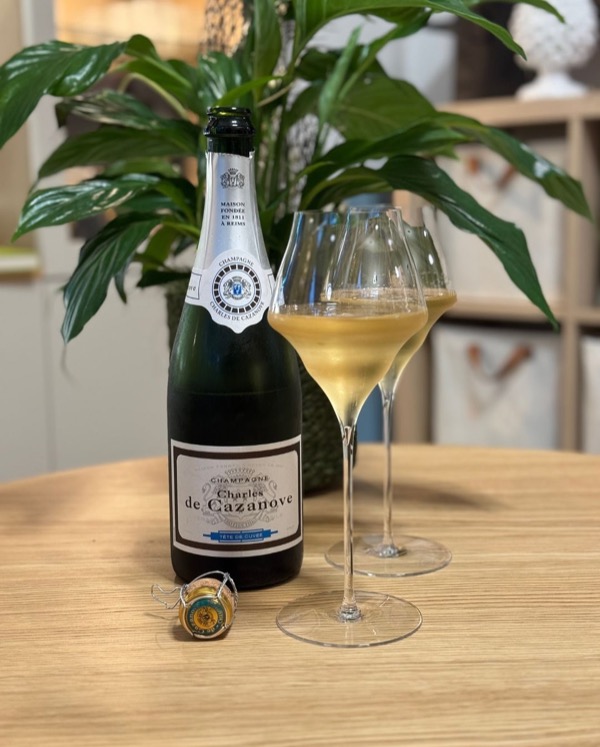
Heute mal wieder was aus der Supermarkt-Kategorie. Zwei Flaschen, ein Supermarkt, 17,99 € das Stück. Gekauft bei Hofer – rein aus Neugier:…
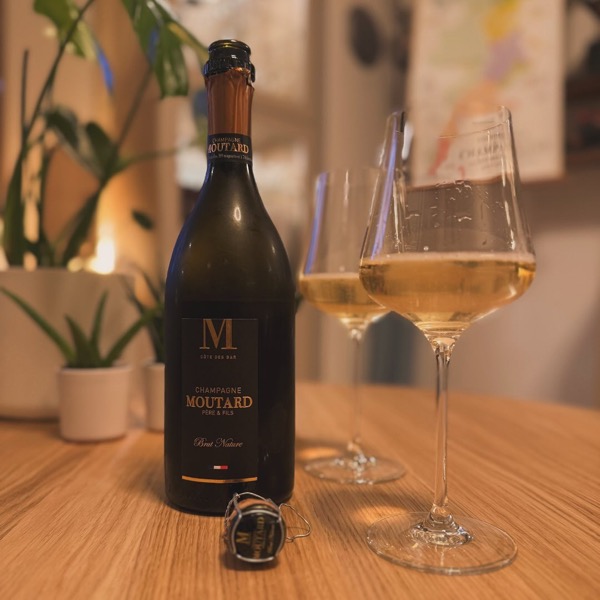
Gestern Abend habe ich den @champagnemoutard - Brut Nature geöffnet. Er ist frisch, klar, präzise, und als Brut Nature ohne Dosage bringt er eine…
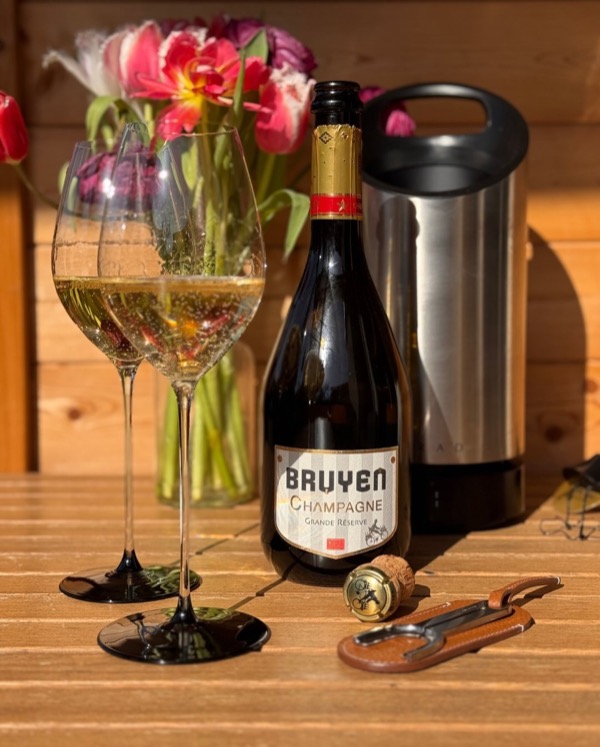
Die Terrassen-Saison für Business-Meetings ist eröffnet! ☀️🥂 Es beginnt wieder die Zeit, in der es warm genug ist, um lockere Geschäftstermine…
The Classic RD Producers:
Bollinger RD
- The godfather of all RD Champagnes
- Usually 8-12 years sur lie
- Produced only in exceptional vintages
Dom Pérignon Oenothèque
- Minimum 12-15 years lees aging
- Developed parallel to standard DP
- Own Dosage philosophy
Krug Collection
- Selected vintages with extended lees aging
- Often 12-20 years sur lie
- Extremely limited editions
- Various "Disgorged Late" editions
- Particularly with Cristal vintages
- Irregular releases
Emerging RD Specialists:
- Philipponnat: Clos des Goisses LV (Late Vintage)
- Pol Roger: Winston Churchill Late Disgorged
- Charles Heidsieck: Champagne Charlie Late Release
- Jacquesson: Individual Cuvées with extended aging
Is RD Just Marketing or Real Innovation?
As an enthusiastic Champagne lover, I ask myself this question regularly. After several tastings, I'm convinced: RD is genuine innovation, not a marketing gimmick.
The differences from regular bottlings are not only measurable but dramatically perceptible. An RD Champagne offers a taste experience that cannot be achieved through any other winemaking method.
The rarity and higher prices are justified by the enormous storage effort and risk – not every vintage successfully survives 10+ years sur lie.
My Posts About This

Man kennt @moetchandon . Man kennt den Brut Impérial. Ein Klassiker, den fast jeder schon mal im Glas hatte – solide, verlässlich, leicht…
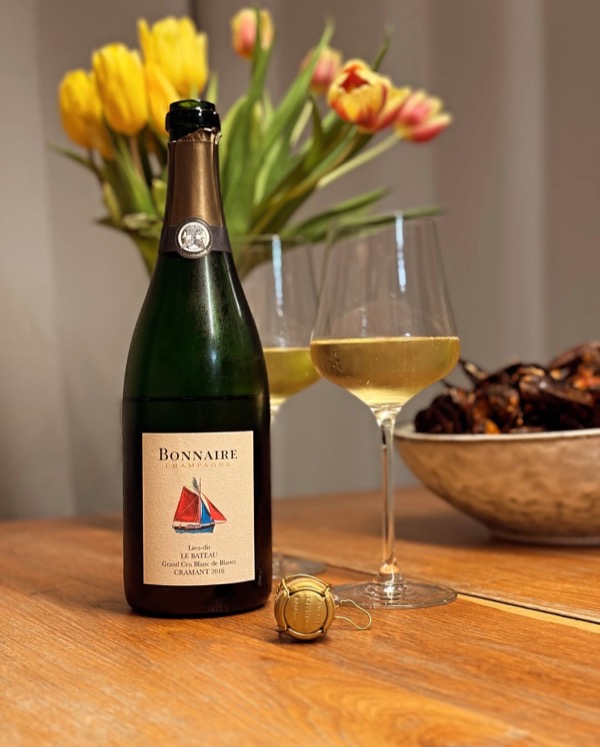
Heute ging’s mit dem @bonnaireclouet - Le Bateau - Cramant 2016 direkt auf eine kleine Zeitreise – oder besser gesagt: auf einen Törn in die…
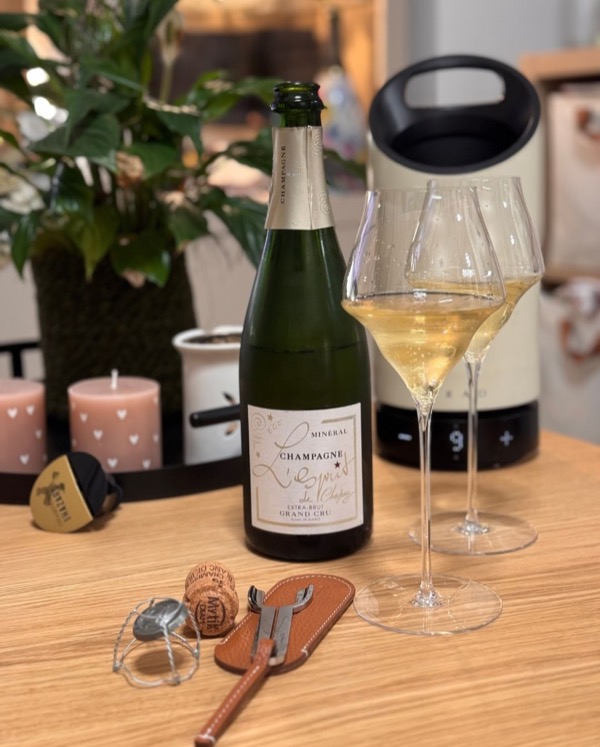
Gestern habe ich die Cuvée Minéral von @champagne_espritchapuy geöffnet. Ein 100 % Chardonnay Grand Cru aus Oger, Basisjahr 2014, mit 30 %…
Conclusion: A Category for Connoisseurs
Récemment Dégorgé Champagnes represent Champagne artistry in its purest form. They show how time as an ingredient can be used to unlock completely new flavor dimensions. For me as The Champagne Guy, RD Champagnes are the ultimate proof that great Champagnes are not just made, but must be patiently developed.