The Flute Has to Go
I'll say it like it is: The champagne flute is the greatest enemy of champagne enjoyment. It looks elegant, it's in every wedding magazine, it's the first image people picture when they think of champagne. And that's exactly the problem. The flute is a cliché — an outdated, harmful cliché that ruins millions of champagne experiences.
#saynotoflutes — this isn't a whim, this is a conviction. One that I've developed after some tastings at home and glass comparisons.
What the Flute Does to Your Champagne
The narrow, tall shape of the champagne flute has exactly one advantage: It shows the perlage. The rising bubbles look spectacular in a flute. That's it.
Everything else is a disadvantage:
- Aromas are suppressed. The narrow opening gives the nose no room. The volatile aromatic compounds — brioche, citrus, flowers, minerality — can't develop. They remain trapped in the glass.
- The bouquet is lost. A good champagne has a complex bouquet that develops over minutes. In the flute, this doesn't happen. You smell a one-dimensional version of what the champagne can actually do.
- The palate suffers. The narrow shape directs the champagne to a small area of the tongue. The texture, the creaminess, the balance between fruit and acidity — all of this doesn't come through in a flute.
- Champagne seems harsher. In my glass comparisons, the same champagne from a flute consistently seems more bitter, more acidic, and more one-dimensional than from a tulip glass or wine glass.
I've tested this multiple times — with Egly-Ouriet, with Lallier, with Pol Roger, with small growers. The result is always the same: The flute takes away what makes champagne special.
Why Does the Flute Persist Anyway?
That's the really interesting question. The answer is simple: Marketing and tradition.
The flute became popular in the 1950s and 60s, when champagne became a lifestyle product. It looked good in advertisements, at cocktail parties, in Hollywood movies. The slender silhouette became a symbol of glamour and celebration.
And then came inertia. Restaurants, hotels, bars — everyone bought flutes because that's just what you did. Wedding planners order flutes because the bride knows them from movies. Gift sets come with flutes because they look good on packaging. Nobody asks whether the champagne actually tastes good in them.
The truth is: The great champagne houses and serious growers haven't been serving flutes themselves for ages. At tastings in Champagne, there's a tulip-shaped glass or white wine glass on the table. Never a flute.
Which Glasses Instead?
Over the years, I've found four brands that convince me:
Riedel Veritas Champagne Wine Glass
My workhorse. Tulip-shaped, slightly narrowed opening, enough volume for aroma development. Not flute format — deliberately designed so the champagne can breathe. Robust enough for everyday use, elegant enough for special occasions.
Gabriel-Glas One for All
The best universal glass I know. Thin-walled, tulip-shaped, works for champagne just as well as for Burgundy or Riesling. If I could only take one glass — it would be the Gabriel-Glas. Better to invest 50 dollars in a single Gabriel-Glas than 50 dollars in six flutes that kill your aromas.
Josephinenhütte
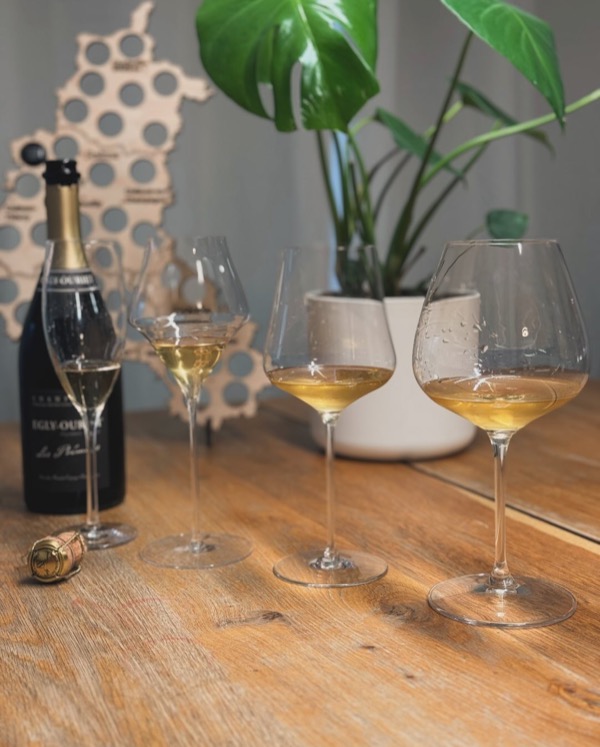
Man sagt, Champagner sei ein Erlebnis für alle Sinne – und wie unterschiedlich er schmecken kann, zeigt sich im Glasvergleich. Ich habe den…
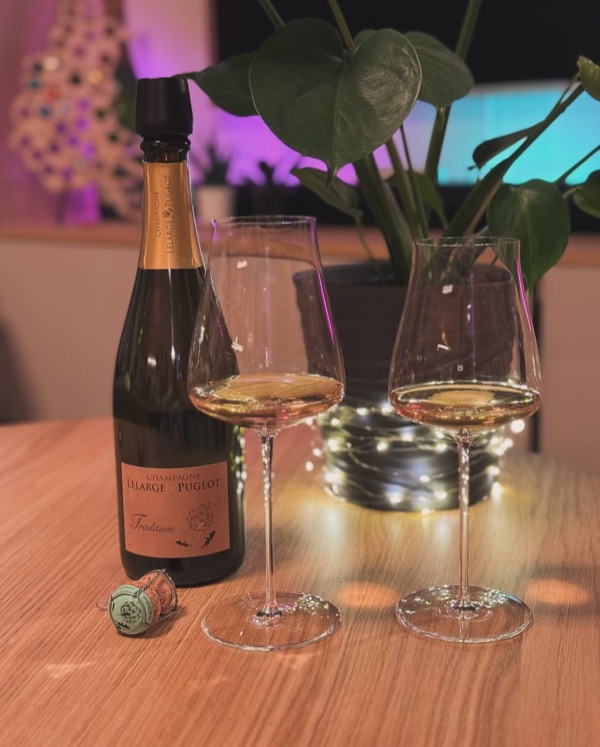
Vor über 10 Jahren habe ich im Rahmen eines Projekts für eine Weinverkostung und ein Feature in einem Print-Magazin Gläser von @eisch_glass ,…
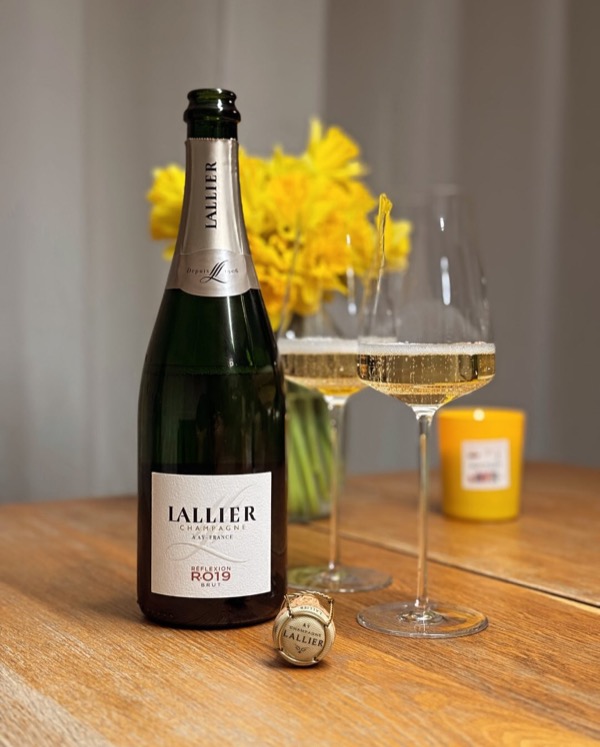
Letzte Woche war Oscar-Night 🎬✨ – und da ich keinen Lallier im Keller hatte, musste der Veuve Clicquot herhalten. Aber das ließ sich natürlich nicht…
Mouth-blown glass from the tradition of Silesian glasswork. Extremely thin-walled and delicate — the texture perception is on another level with these. The Josephinenhütte Champagne Glass No. 4 is my choice for special bottles when I want to focus on a single champagne.
GRAD
The Danish brand combines Scandinavian design with function. Their glasses are minimalist and thoughtful — and in combination with the GRAD chillers, you have a system that perfectly coordinates temperature and glass shape.
What a Good Champagne Glass Needs
The rules are simple:
- Tulip shape or wine glass shape — Wide enough for aroma development, slightly narrowed at the top for concentration.
- At least 300ml volume, better 400ml+. The champagne needs room.
- Thin wall — The thinner, the better the texture perception on the palate.
- Stem — So the hand doesn't warm the champagne.
This isn't rocket science. Any decent white wine glass meets these criteria better than any flute.
The Flute as Decoration — Not as a Drinking Glass
I'm not saying flutes are ugly. Vintage flutes with twisted stems, crystal flutes from the 60s — these are beautiful objects. They belong on the shelf, in the display case, on the table as decoration. But not in your hand when a good bottle is open.
Anyone who takes champagne seriously drinks from a tulip or wine glass. Anyone who has experienced this once in direct comparison — the same champagne, flute vs. tulip — never goes back.
My Appeal
Don't throw away your flutes. Put them on the shelf. But the next time you open a bottle — take a proper glass. A Riedel, a Gabriel-Glas, a Josephinenhütte, a GRAD. Or simply a good white wine glass from the cupboard.
Your champagne will thank you. And your nose even more so.
#saynotoflutes
My Posts About This
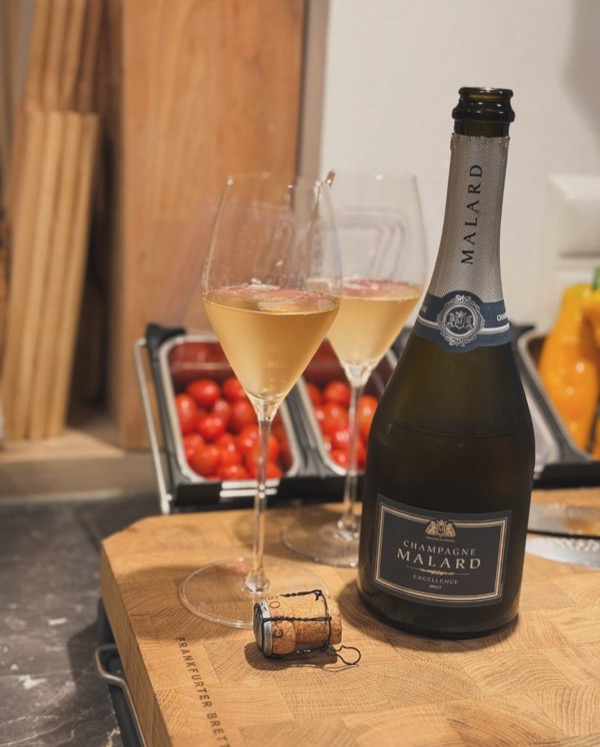
Heute mal Excellence ohne Allüren mit dem Excellence Brut von @champagne_malard. Dieser Champagner bringt beides mit: Anspruch und Trinkfreude. Ideal…
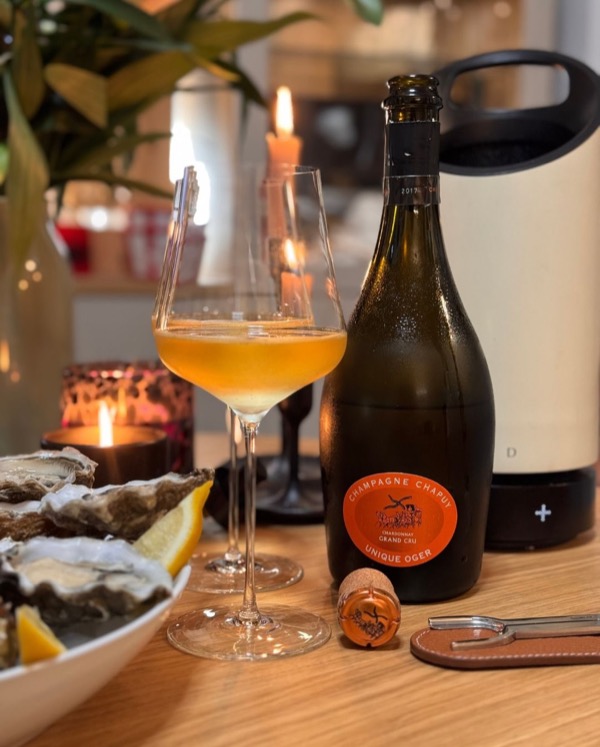
Wenn es um die Kombination mit frischen Austern geht, ist Reinheit für mich mittlerweile das oberste Gebot. Heute im Glas: Der…
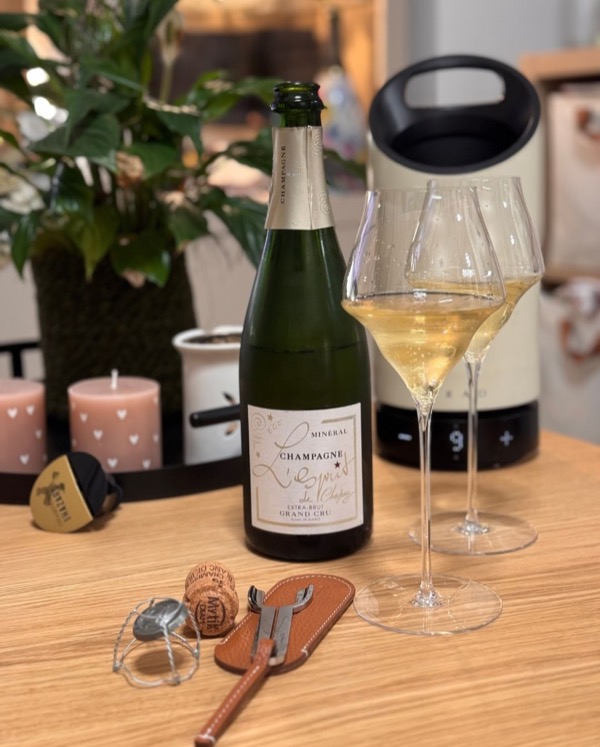
Gestern habe ich die Cuvée Minéral von @champagne_espritchapuy geöffnet. Ein 100 % Chardonnay Grand Cru aus Oger, Basisjahr 2014, mit 30 %…