When I travel through Champagne and observe the pressing process at different houses, I'm repeatedly struck by how crucial the division of press fractions is for the final quality of champagne. The Taille – those 500 liters obtained after the first Cuvée pressing – polarizes winemakers like hardly any other topic.
What exactly is the Taille?
After the traditional champagne pressing of 4,000 kilograms of grapes, various press fractions are created. The first 2,050 liters form the Cuvée – the most noble and purest juice. The following 500 liters are called the Taille (French for "cut"). Everything pressed after that cannot be used for champagne.
This strict division didn't arise arbitrarily, but is based on centuries of experience by champagne producers.
Why does the Taille differ from the Cuvée?
Higher color content
The Taille contains significantly more colorants than the Cuvée. This is because continued pressing creates more contact between juice and grape skins. While the first liters flow from the grapes practically without pressure, the Taille already requires mechanical pressure – and thus more intensive contact with the color-giving skin components.
More tannins and bitter compounds
With increasing press pressure, more tannins are also extracted from seeds and stems. These give the Taille a certain astringency and can lead to bitterness in the finished champagne if handled improperly.
Higher acidity levels
Paradoxically, the Taille often shows higher acidity levels than the Cuvée. This acidity comes mainly from the seeds and can give the champagne additional freshness – when used correctly.
Different philosophies of champagne houses
The purists: Cuvée only
| House type | Use of Taille | Rationale |
|---|---|---|
| Prestige houses | No use | Absolute quality focus |
| Small growers | Selective use | Depending on vintage and grape variety |
| Large houses | Usually integrated | Complexity and economics |
Some of the most renowned houses use exclusively the Cuvée for their top cuvées. They argue that only this way is the purest expression of terroir possible. These purists consciously accept the economic loss to ensure uncompromising quality.
The integrationists: Taille as complexity enhancer
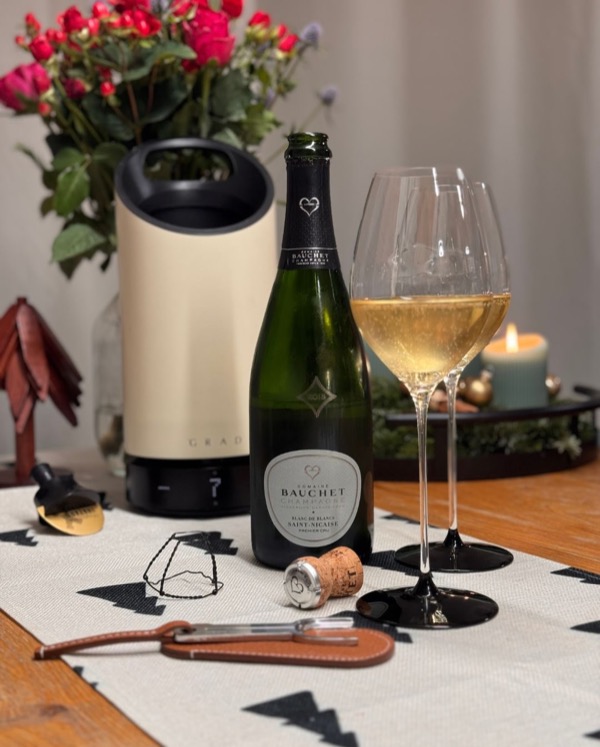
Der Saint-Nicaise 2015 von @domainebauchet hat gestern genau diese ruhige, warme Stimmung getroffen, die man sich für einen entspannten Abend…
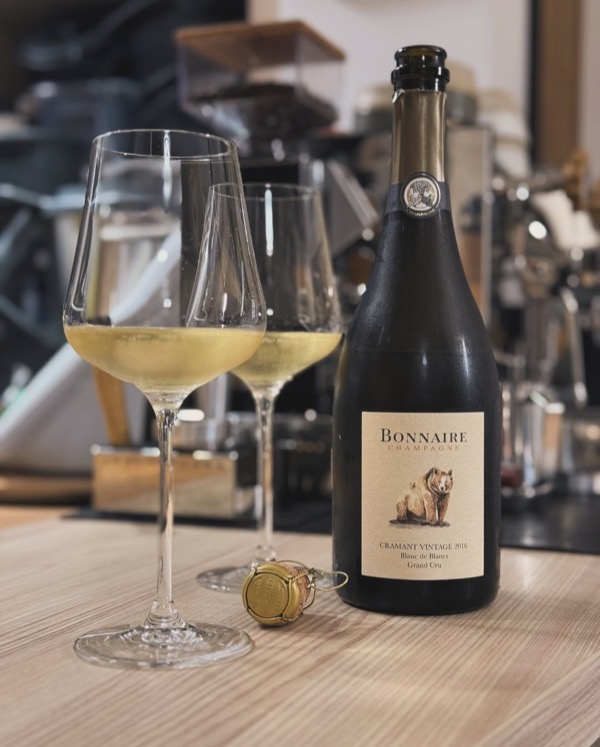
Diese Woche kam eine frische Lieferung direkt aus der Champagne bei mir an – Drei spannende Flaschen von @bonnaireclouet . Für den Auftakt habe ich…
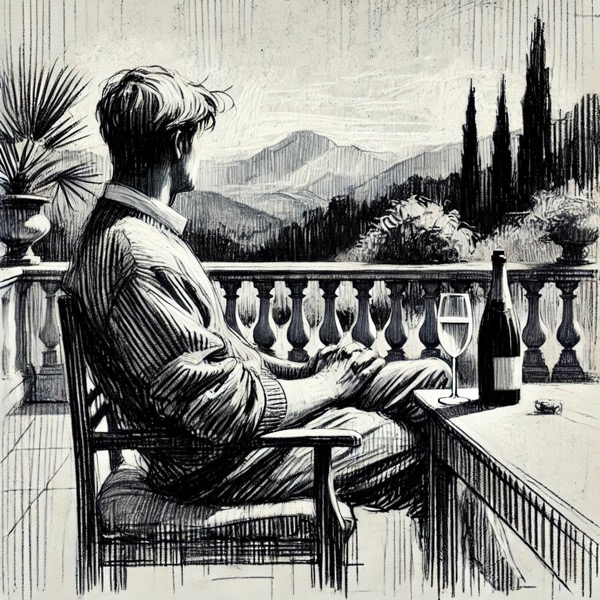
Alles beginnt jetzt! 🥂 Wirklich begonnen hat alles aber vor rund drei Jahren, als ich zum ersten Mal bewusst einen Champagner genießen durfte. Wie…
Other producers see in the Taille a possibility to give their champagnes additional complexity and structure. They use the higher acidity and additional tannins purposefully to achieve certain flavor profiles.
Taille with different grape varieties: An important difference
Pinot Noir: The Taille as risk
With Pinot Noir, the use of Taille is particularly delicate. The dark grapes release a lot of color even under slight pressure. In the Taille, this color extraction concentrates dramatically:
- Color intensity: Can lead to pink or even reddish tones
- Tannin structure: Risk of too much astringency
- Phenolic compounds: Can create rustic notes
Therefore, many producers use the Taille from Pinot Noir only very sparingly or not at all for their Blanc de Noirs.
Chardonnay: More tolerance possible
With Chardonnay, Taille usage is less problematic:
- No color issues: White grapes release hardly any disturbing colorants
- Acid balance: The additional acidity can be desirable
- Minerality: Often enhanced mineral notes through skin contact
My experiences with Taille champagnes
In my tastings, I've found that skillfully used Taille can definitely enrich a champagne. A Blanc de Blancs with 10-15% Taille content often shows more structure and longevity than pure Cuvée versions. With Pinot Noir, however, I'm significantly more critical.
The art of proper timing
Experienced cellar masters often decide spontaneously during pressing how much Taille they want to use. Factors such as:
- Ripeness level of the grapes
- Vintage characteristics
- Planned champagne style
- Storage duration
significantly influence this decision.
Conclusion: Quality through conscious decision
The Taille is neither fundamentally bad nor automatically good. It's a tool in the hands of the cellar master – one that requires experience and intuition. The best champagnes arise where this decision is made consciously and with a clear objective.
As a champagne lover, I appreciate both approaches: the uncompromising purity of the Cuvée purists as well as the thoughtful complexity of those who know how to use the Taille skillfully.