When I tasted my first grower champagne from Jérôme Prévost years ago, I suddenly realized what had been overlooked in Champagne for decades: the unique signature of terroir. While Burgundy and Bordeaux have celebrated their vineyards for centuries, Champagne long neglected this philosophy. But that is changing dramatically.
What makes Champagne's terroir so special?
Champagne's terroir is a complex interplay of three factors: the geological subsoil, the cool continental climate, and centuries-old winemaking artistry. This combination creates ideal conditions for Chardonnay, Pinot Noir, and Pinot Meunier – the three classic champagne grape varieties.
The region lies at the northern edge of France's wine-growing area, about 150 kilometers northeast of Paris. This extreme location brings both challenges and unique advantages.
The geological treasure trove: Champagne's soil diversity
Chalk – The white gold of Champagne
The famous chalky soil dominates large parts of the region, especially in the Grand Cru vineyards of Côte des Blancs and Montagne de Reims. This chalk from the Campanian period is about 70 million years old and offers several crucial advantages:
- Water storage: The porous structure stores water and slowly releases it to the vines
- Drainage: Excess water drains quickly, preventing waterlogging
- Minerality: Gives wines their characteristic finesse and elegance
- Heat storage: Reflects sunlight and stores warmth for cool nights
Marl – The strength-giving foundation
In lower-lying areas, especially in the Vallée de la Marne, marl is found – a mixture of limestone and clay. This soil:
- Stores more water than pure chalk
- Gives wines more body and structure
- Is particularly well-suited for Pinot Meunier
- Provides more complex, earthy aromas
Clay and sand – The exotics
In certain areas of Champagne, such as around Cumières or in parts of Côte des Bar, clay and sandy soils are also found:
My posts about this
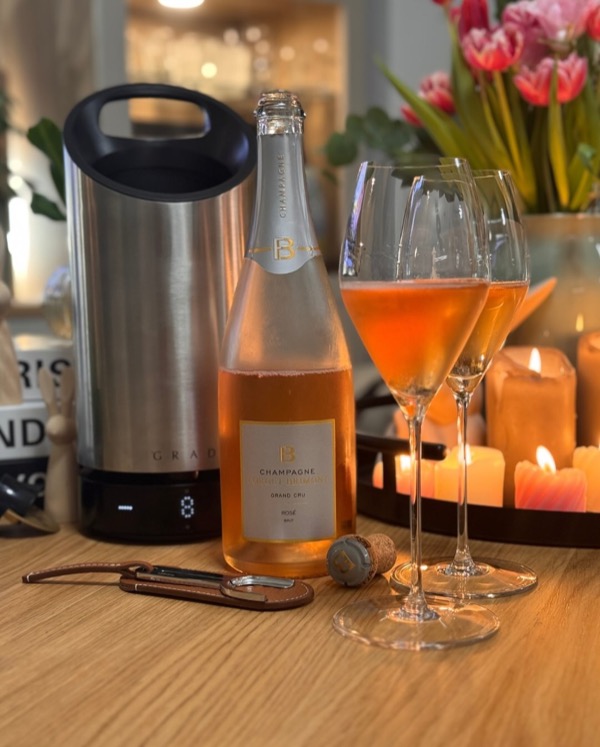
Heute gibt es mal wieder einen Rosé, der optisch und geschmacklich richtig Spaß macht: Den Brut Rosé von @champagne_forget_brimont . Wie ihr auf dem…
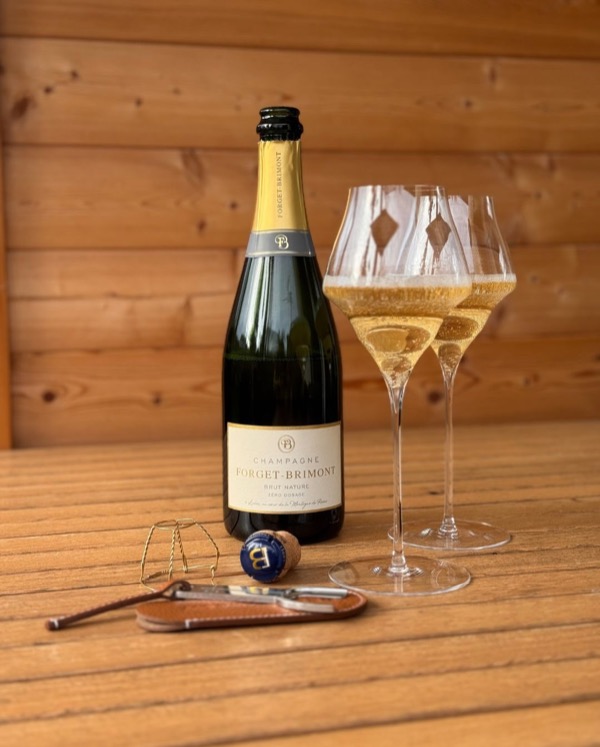
Eigentlich wollte ich nur kurz in die Sonne – trotz frostiger 0 Grad war es auf der Terrasse erstaunlich angenehm. Also eine Flasche mit…
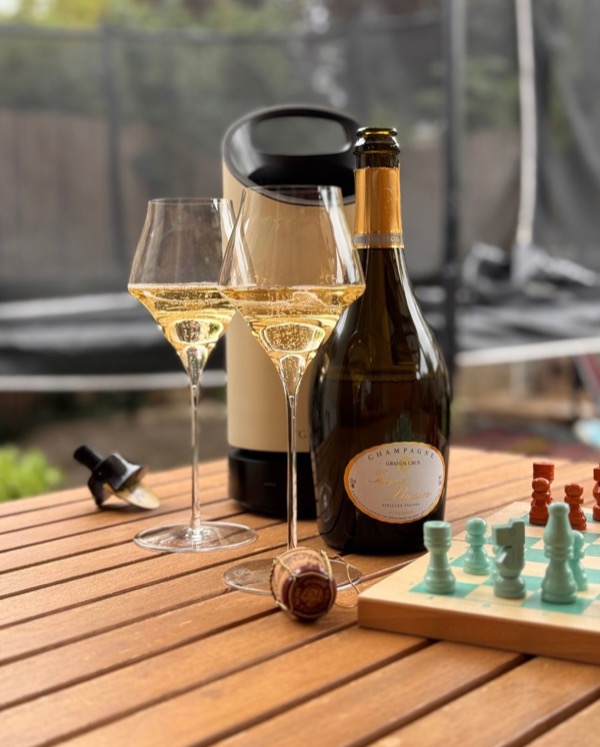
Champagne & Chess So lautete das (spontane) Motto an diesem spätsommerlichen Freitag, an dem sonst gar nichts wirklich geplant war. Die Kinder…
| Soil type | Characteristics | Grape varieties | Wine character |
|---|---|---|---|
| Chalk | Water storage, drainage | Chardonnay, Pinot Noir | Elegant, mineral |
| Marl | Water retention, nutrients | Pinot Meunier | Full-bodied, complex |
| Clay | Water storage, slow warming | Pinot Noir | Powerful, structured |
| Sand | Quick warming, drainage | All varieties | Early drinking, fruit-forward |
The cool climate: curse and blessing alike
Continental climate with maritime influences
Champagne's climate is characterized by:
- Average temperature: 10°C annual average
- Precipitation: 650mm per year, evenly distributed
- Sunshine hours: About 1650 per year
- Frost danger: Regular late frosts in spring
These climatic conditions ensure:
Slow ripening and high acidity
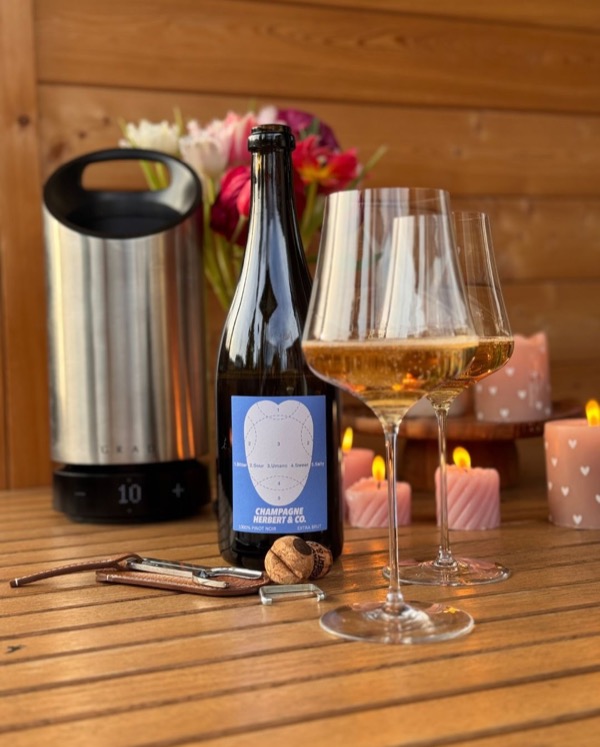
Heute gibts den 1000% Pinot Noir von @champagne_herbertandco . Von diesem kleinen, feinen Haus (geführt von @thomas___herbert und @charlottehbrt_ in…
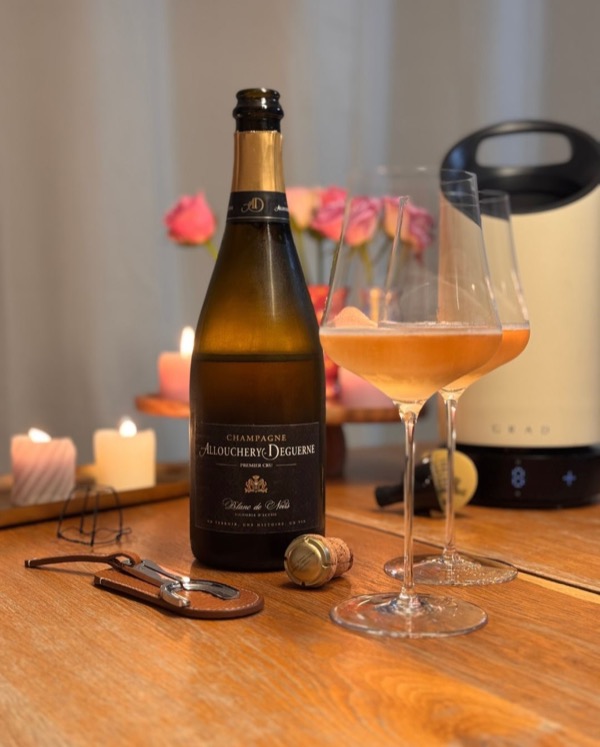
Hinter jeder Flasche @champagnealloucherydeguerne steckt nicht nur Handwerk, sondern die Geschichte mehrerer Generationen, die ihr Erbe in Chamery…
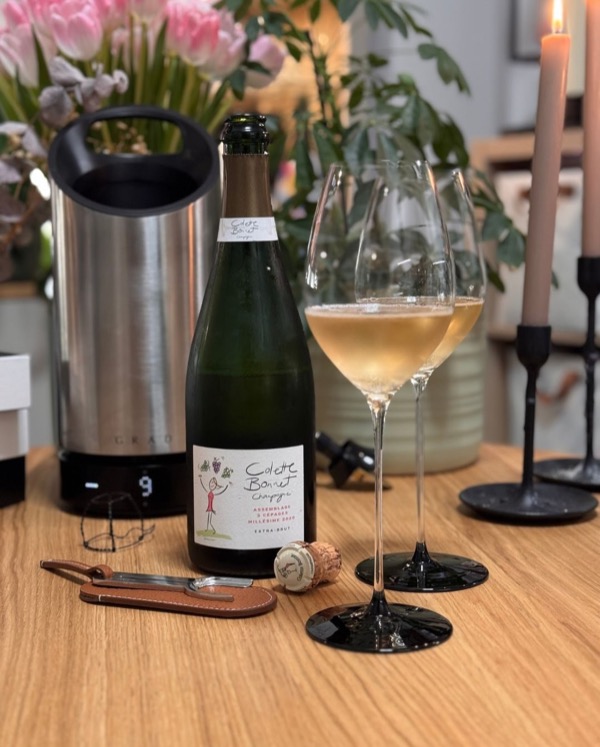
Gestern hatte ich mal wieder einen echten Geheimtipp: Den „Assemblage 3 Cépages“ Millésime 2020 von @champagnecolettebonnet . Colette Bonnet…
The cool temperatures significantly slow grape ripening. The result is wines with:
- High natural acidity (essential for sparkling wine)
- Low alcohol content (ideal for secondary fermentation)
- Fine, delicate aromas
- Enormous aging potential
Challenges of the cool climate
Not every vintage produces fully ripe grapes. Therefore, champagne houses developed the art of assemblage – blending different:
- Vintages (except for vintage champagne)
- Grape varieties
- Vineyards
Why was terroir ignored for so long?
The assemblage tradition as terroir preventer
For centuries, the focus in Champagne was not on individual terroir, but on the art of blending. The great houses like Moët & Chandon, Veuve Clicquot, or Krug bought grapes from various vineyards and created their house style from them.
This philosophy certainly had its justification:
- Consistency: Consistent taste over years
- Balance: Weaker vintages are compensated by reserve wines
- Marketing: A uniform brand style is easier to market
The Échelle des Crus system
Champagne's traditional rating system was based on the "Échelle des Crus" – a percentage rating of villages from 80-100%. Grand Cru villages received 100%, Premier Cru 90-99%.
However, this system ignored:
- Specific vineyards within a village
- Different soil types
- Microclimates
- Grape variety-specific suitability
The terroir renaissance through grower champagnes
Récoltant-Manipulant: The terroir pioneers
Since the 1980s, the movement of Récoltant-Manipulants (RM) has grown – growers who cultivate and process their own grapes. These producers rediscovered the terroir concept for Champagne:
First-generation pioneers:
- Anselme Selosse: Revolutionized with Burgundian methods
- Pierre Peters: Celebrates the chalk soils of Le Mesnil-sur-Oger
- Egly-Ouriet: Expresses the power of Ambonnay's red soils
Modern terroir expression
Today's grower champagnes work with techniques like:
- Single vineyard wines: Champagne from a specific plot
- Wild fermentation: With indigenous yeasts for more terroir