As The Champagne Guy, I can assure you: No phase in the champagne year is as crucial as the Vendange — the harvest. In France's northernmost premium wine region, a few weeks in autumn determine the quality of entire vintages.
Why is Champagne located so uniquely far north?
Champagne lies between the 49th and 49.5th parallels — making it one of the world's northernmost quality wine regions. This marginal location is no coincidence, but rather the key to champagne's character.
The advantages of the northern location:
- Long growing season: The grapes ripen slowly and develop complex aromas
- High natural acidity: Essential for champagne's freshness
- Cool nights: Preserve fruit aromas
- Mineral soils: Chalk stores heat and regulates water balance
But this location also makes the harvest extremely weather-dependent. A rainy September can destroy an entire vintage, while perfect conditions create legendary vintages.
The Ban des Vendanges: Who decides when harvest begins?
The Ban des Vendanges is the official starting signal for the champagne harvest. But who sets this critical date?
The decision-making body:
The CIVC (Comité Interprofessionnel du Vin de Champagne) determines the harvest start together with local authorities. This decision considers:
- Sugar content of the grapes (minimum 143 g/l for Pinot Noir/Meunier, 144 g/l for Chardonnay)
- Acidity levels (must be between 7-9 g/l)
- Weather forecasts for the next 10 days
- Health condition of the grapes
My posts about this
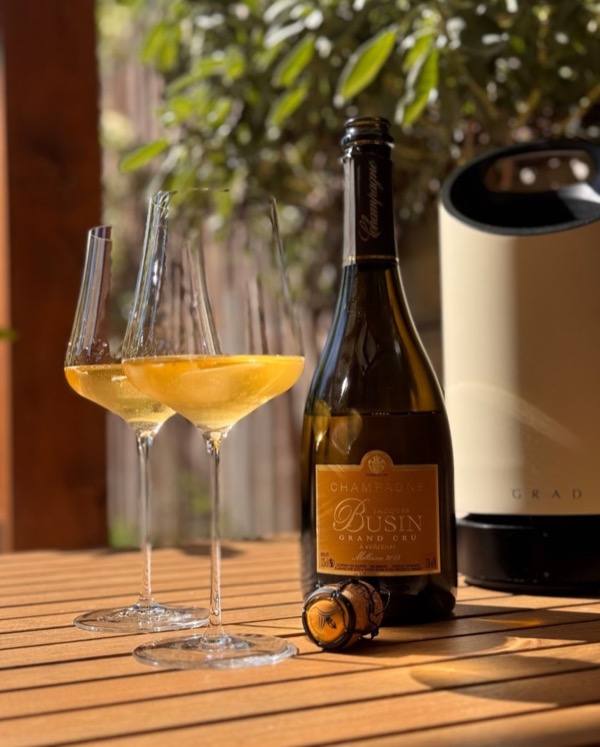
Erinnert ihr euch noch an den @champagnejacquesbusin – Millésime 2015 Grand Cru? Ich hatte diesen kraftvollen Champagner aus Verzenay letztes Jahr…
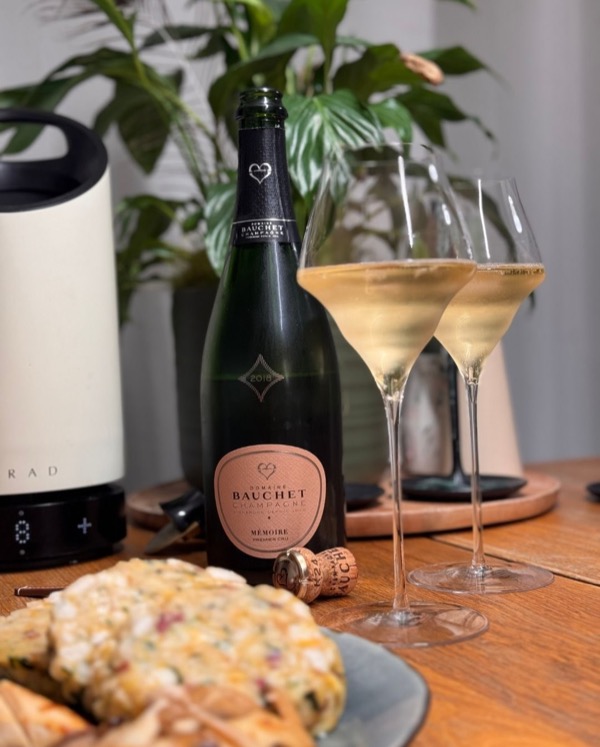
Der Mémoire 2018 von @domainebauchet schien mir ein Champagner zu sein, der ein passendes Pairing verdient hat. Daher habe ich ihn gestern zu…
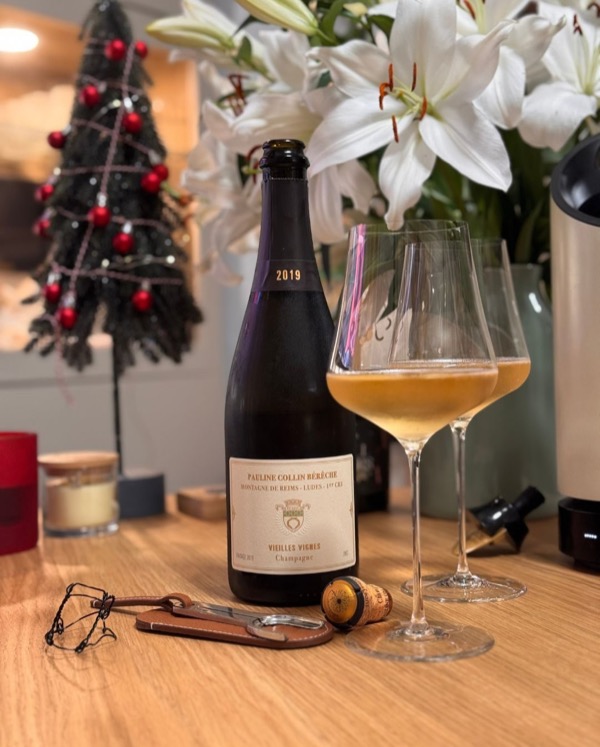
Gestern habe ich den Vieilles Vignes 2019 von @paulinecollinbereche geöffnet und war direkt begeistert von der ausgewogenen Cuvée. Pauline Collin…
| Criterion | Minimum Requirement |
|---|---|
| Sugar content Pinot/Meunier | 143 g/l |
| Sugar content Chardonnay | 144 g/l |
| Acidity level | 7-9 g/l |
| Must weight | ~9.5° Baumé |
Regional differences
Interesting: The Ban can vary regionally. The Montagne de Reims often starts 2-3 days earlier than the Côte des Blancs, since Pinot Noir ripens earlier than Chardonnay.
Why MUST harvesting in Champagne be done by hand?
Hand harvesting in Champagne isn't tradition, but legal requirement. And for good reason:
Reasons for hand harvesting:
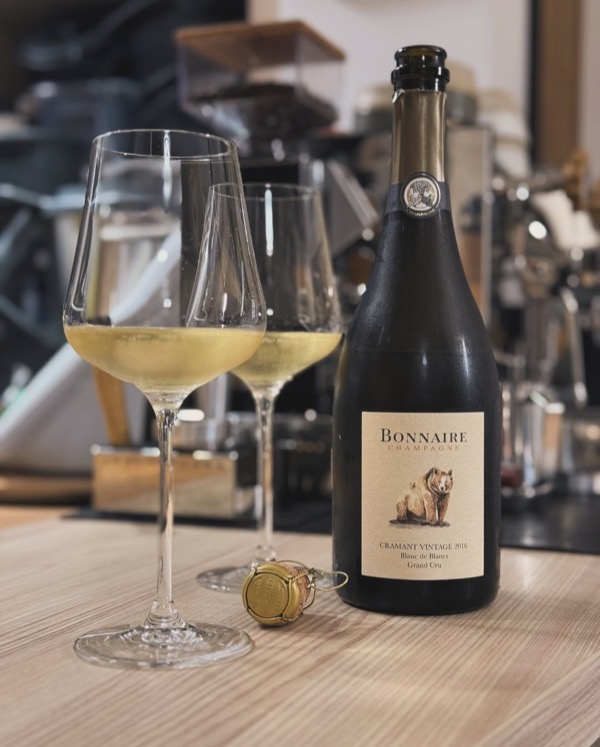
Diese Woche kam eine frische Lieferung direkt aus der Champagne bei mir an – Drei spannende Flaschen von @bonnaireclouet . Für den Auftakt habe ich…
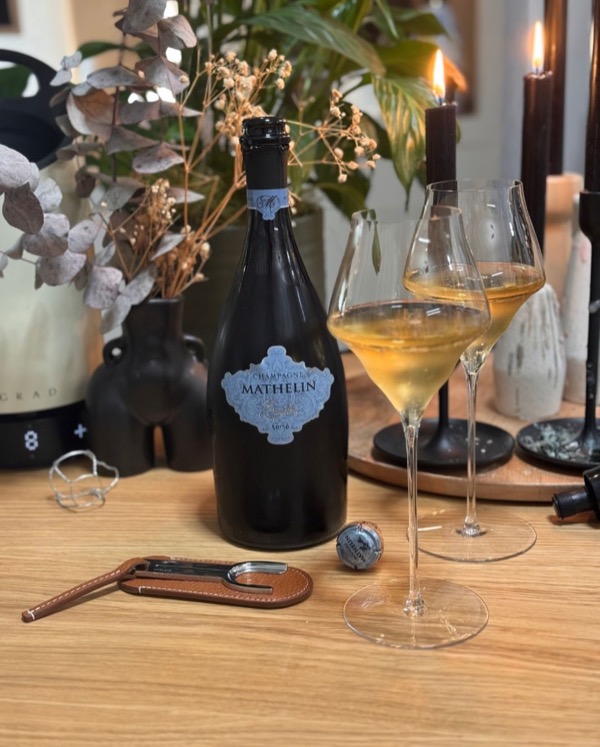
Manchmal sagt ein minimalistisches Etikett schon alles: Beim „Équilibre“ von @champagne_mathelin ist der Name absolutes Programm! Auf der Flasche…
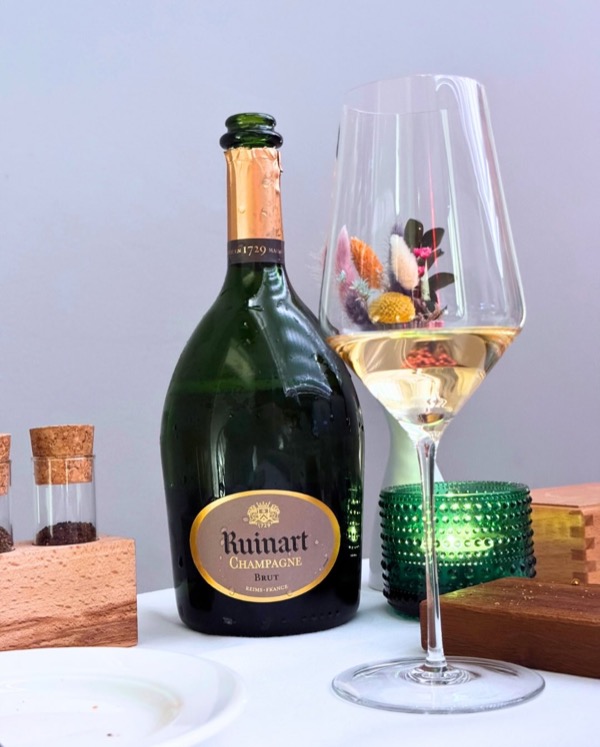
Gestern waren wir im wunderbaren @max_enk_leipzig . Wenn man ein wirklich großartiges Menü vor sich hat, braucht man manchmal keinen ultra-komplexen,…
- Whole clusters required: For gentle pressing, the berries must remain intact
- Immediate selection: Rotten or unripe berries are sorted out directly
- Protection of berries: No injury to berry skins, which could lead to color extraction
- Steep slopes: Many vineyards are inaccessible to machines
Speed is crucial: From vine to press, no more than 4 hours may pass to avoid oxidation.
The logistical masterpiece: coordinating 120,000 harvest workers
The Champagne harvest is a logistical mammoth task. Imagine: In just 2-3 weeks, 120,000 temporary workers must be coordinated.
The numbers are impressive:
- 120,000 harvest workers (80% seasonal workers)
- 2,000 press facilities must be supplied
- 280 million bottles worth of raw material is harvested
- 34,000 hectares of vineyard simultaneously
Origin of harvest workers:
| Region/Country | Share |
|---|---|
| Local workers | 40% |
| Other French regions | 30% |
| Eastern Europe (Poland, Romania) | 20% |
| Students/vacationers | 10% |
Accommodation often occurs in improvised camps, gymnasiums, or with host families. Many houses have their own "Equipes" — core teams that return every year.
What makes a great champagne vintage?
After over a decade of champagne tasting, I can tell you: Great vintages arise from the perfect interplay of several factors.
The criteria of an exceptional year:
Spring:
- Mild, frost-free budbreak
- Sufficient rain for water reserves
- No late frosts after May 15th
Summer:
- Warm but not hot days (25-28°C)
- Cool nights (10-15°C)
- Moderate rainfall (not too dry, not too wet)
Harvest:
- Dry, sunny weather
- Cool nights preserve acidity
- No rot or hail
Legendary vintages and their characteristics:
- 2008: Perfect balance of warmth and acidity
- 2002: Concentrated fruit after hot summer
- 1996: Acid-driven elegance, still brilliant today
- 1990: Opulent and powerful, early accessible
My conclusion on the Champagne Vendange
The Vendange is the moment of truth for every champagne. In France's northernmost wine region, a few weeks determine millions of bottles. The combination of climatic extremes, legal requirements, and logistical precision makes the champagne harvest an annual miracle.
As champagne lovers, you should know: Every bottle you open carries the story of these critical weeks within it. The handiwork of 120,000 people, the decisions of the CIVC, and the weather fortune of a year