As The Champagne Guy, I can assure you: No phase in the champagne year is as crucial as the Vendange, the harvest. In France's northernmost premium wine region, a few weeks in autumn determine the quality of entire vintages.
Why is Champagne located so uniquely far north?
Champagne lies between the 49th and 49.5th parallels, making it one of the world's northernmost quality wine regions. This marginal location is no coincidence, but rather the key to champagne's character.
The advantages of the northern location:
- Long growing season: The grapes ripen slowly and develop complex aromas
- High natural acidity: Essential for champagne's freshness
- Cool nights: Preserve fruit aromas
- Mineral soils: Chalk stores heat and regulates water balance
But this location also makes the harvest extremely weather-dependent. A rainy September can destroy an entire vintage, while perfect conditions create legendary vintages.
The Ban des Vendanges: Who decides when harvest begins?
The Ban des Vendanges is the official starting signal for the champagne harvest. But who sets this critical date?
The decision-making body:
The CIVC (Comité Interprofessionnel du Vin de Champagne) determines the harvest start together with local authorities. This decision considers:
- Sugar content of the grapes (minimum 143 g/l for Pinot Noir/Meunier, 144 g/l for Chardonnay)
- Acidity levels (must be between 7-9 g/l)
- Weather forecasts for the next 10 days
- Health condition of the grapes
My posts about this
| Criterion | Minimum Requirement |
|---|---|
| Sugar content Pinot/Meunier | 143 g/l |
| Sugar content Chardonnay | 144 g/l |
| Acidity level | 7-9 g/l |
| Must weight | ~9.5° Baumé |
Regional differences
Interesting: The Ban can vary regionally. The Montagne de Reims often starts 2-3 days earlier than the Côte des Blancs, since Pinot Noir ripens earlier than Chardonnay.
Why MUST harvesting in Champagne be done by hand?
Hand harvesting in Champagne isn't tradition, but legal requirement. And for good reason:
Reasons for hand harvesting:
- Whole clusters required: For gentle pressing, the berries must remain intact
- Immediate selection: Rotten or unripe berries are sorted out directly
- Protection of berries: No injury to berry skins, which could lead to color extraction
- Steep slopes: Many vineyards are inaccessible to machines
Speed is crucial: From vine to press, no more than 4 hours may pass to avoid oxidation.
The logistical masterpiece: coordinating 120,000 harvest workers
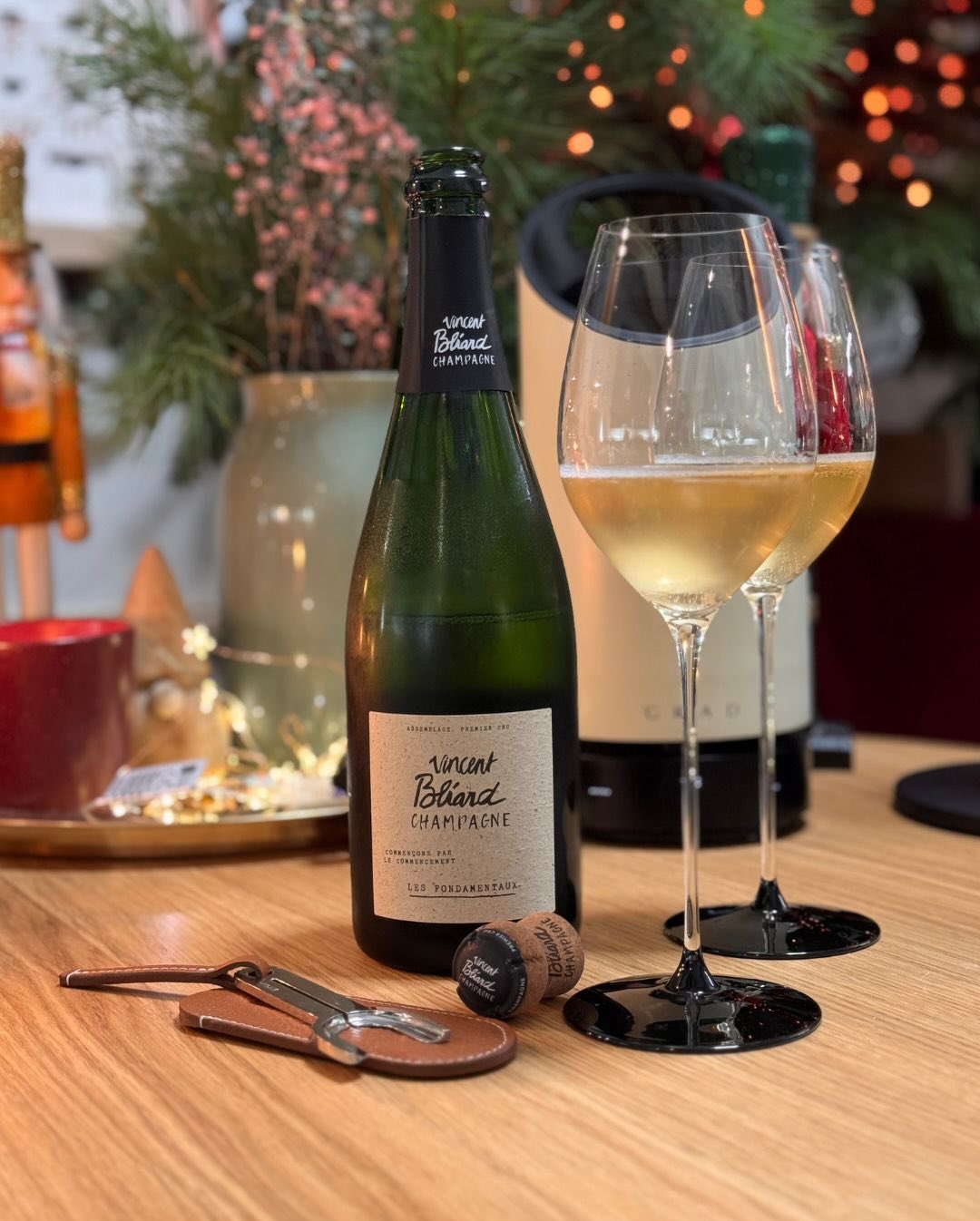
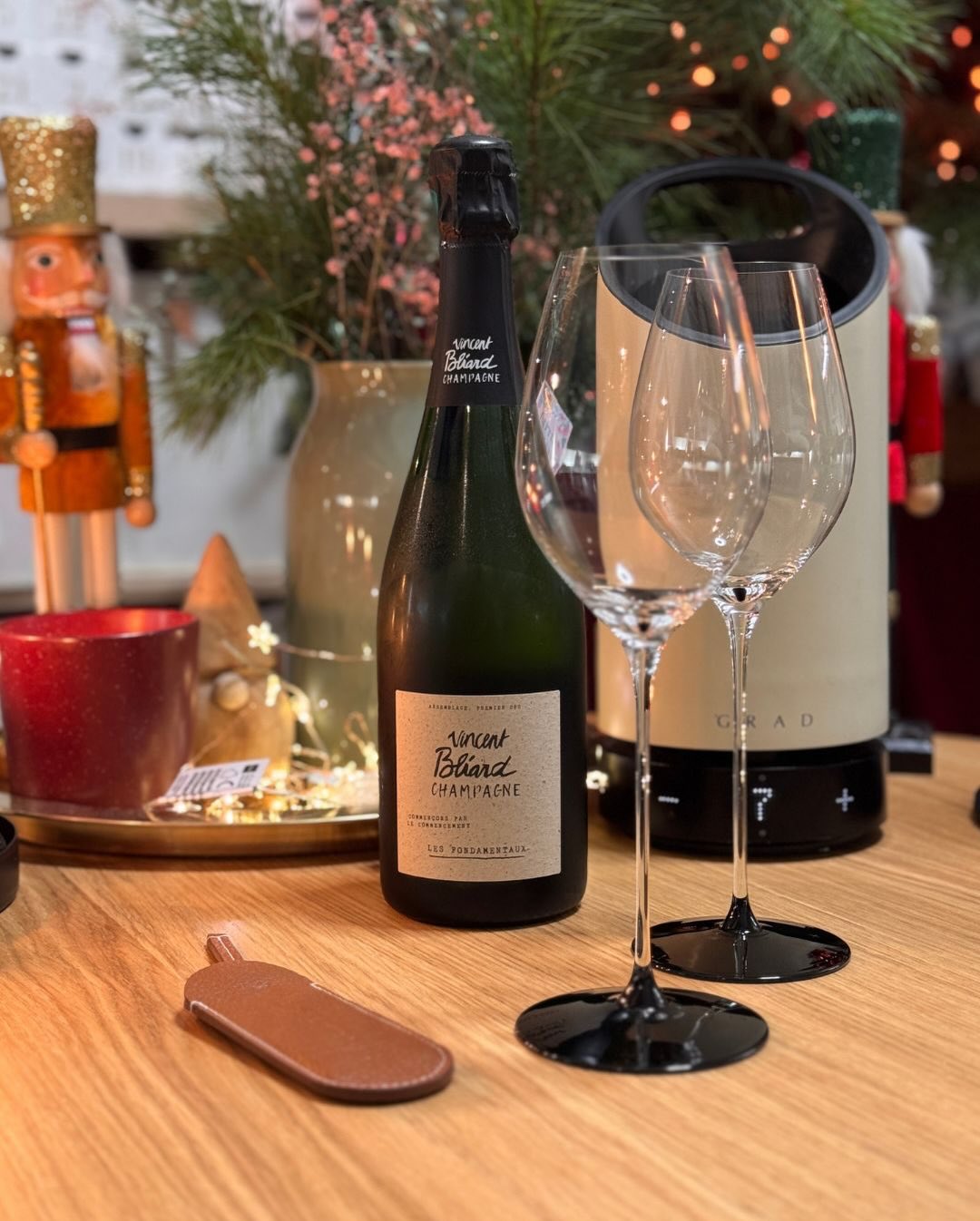
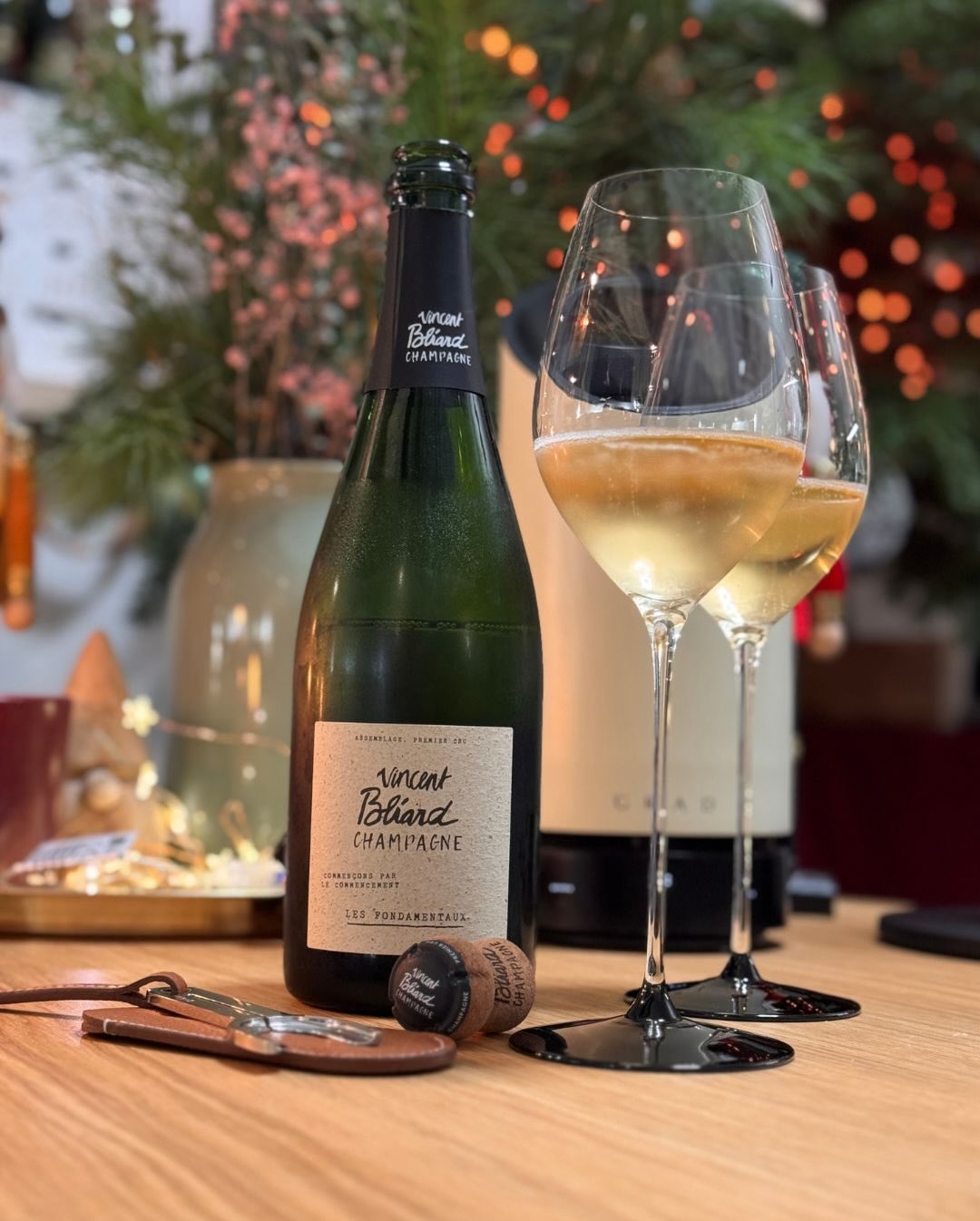
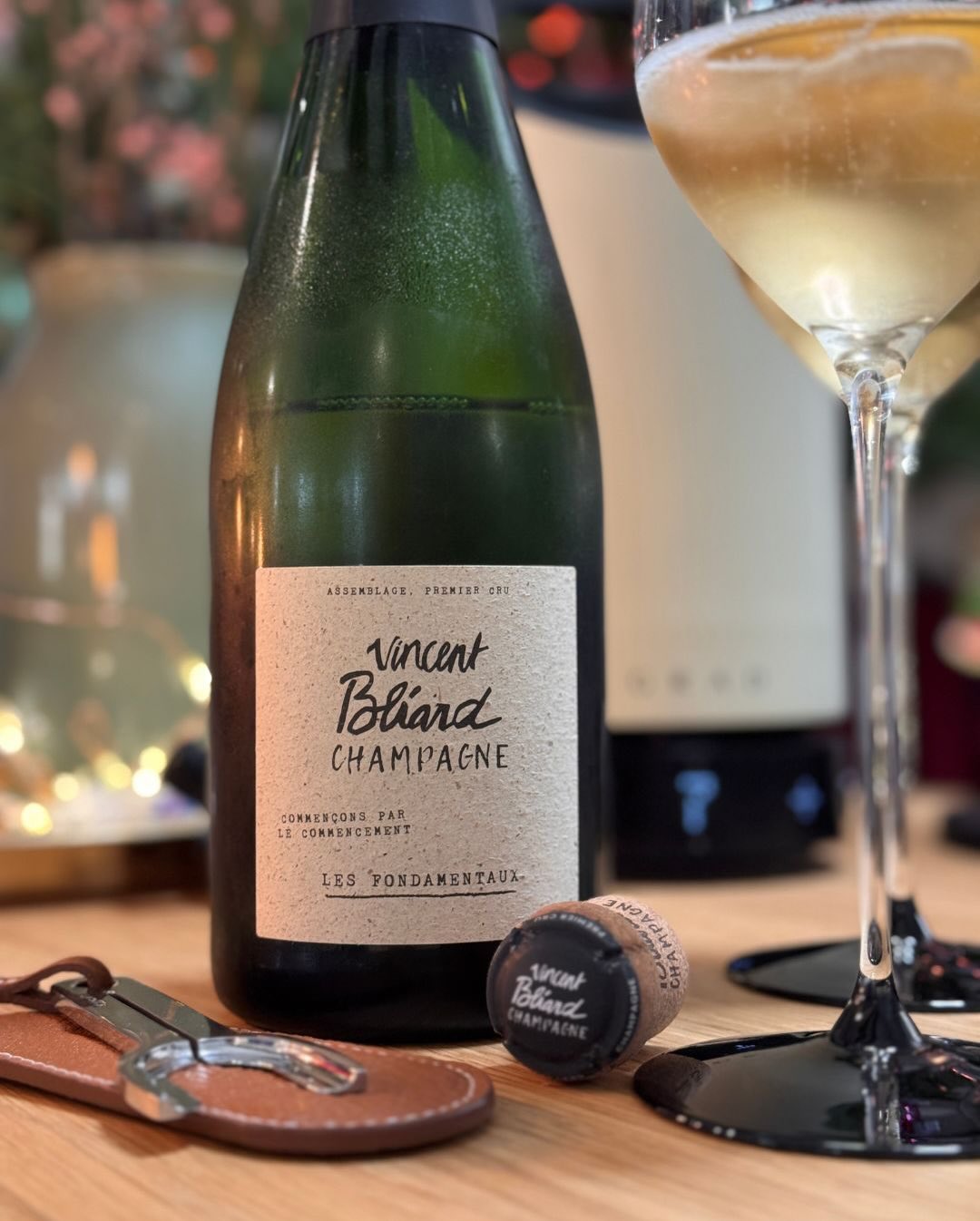
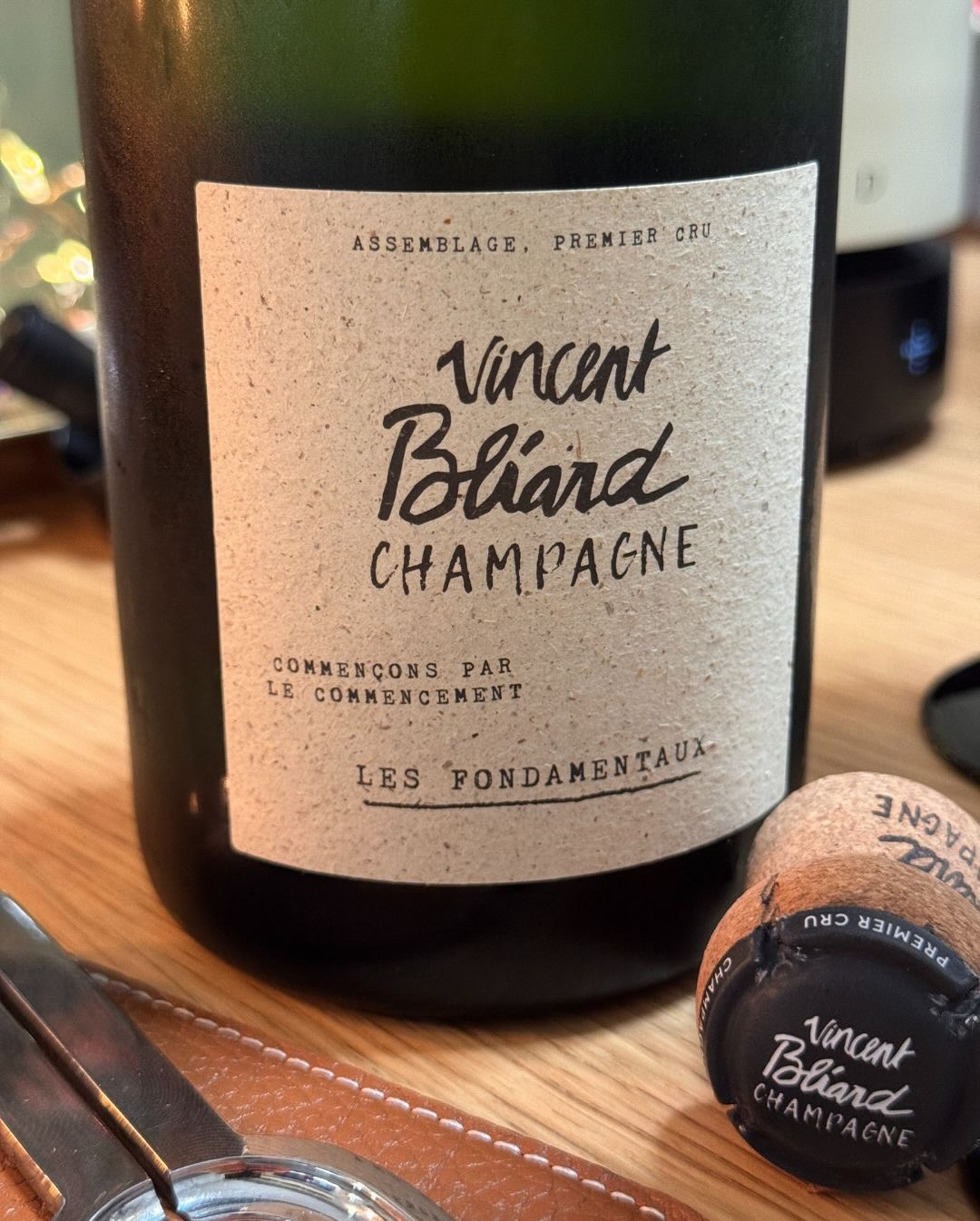
the_champagne.guy Der Vincent Bliard – Les Fondamentaux, den wir gestern geöffnet haben, ist genau die Art Champagner, die man nicht zwingend analysieren muss, während man sie trinkt. Er läuft einfach mit – auf eine sehr positive Art. Im Glas wirkt alles sehr ausgewogen. Ein leichter Fokus auf Pinot Noir, ohne Schwere, aber durchaus mit Druck, der vielleicht auch durch die 13 % vol Alkohol zusätzlich Gewicht bekommt. Die Textur ist rund, ruhig, harmonisch – nichts sticht heraus, nichts fehlt. Nicht langweilig, sondern einfach stimmig. Oder lag es am Moment? Aromatisch bleibt Les Fondamentaux bewusst zurückhaltend. Helle Frucht im Vordergrund – Birne, gelber Apfel, etwas Mirabelle – dazu feine Hefenoten, ein Hauch Brioche und eine leicht Nuss Anmutung. Keine dominante Zitrik und die oben beschriebenen fruchtigen Noten auch sehr dezent. Mit etwas Luft kommen leichte Kräuteranklänge und eine sanfte Würze dazu, eher trocken als süß. Am Gaumen zeigt sich das sehr ausgewogen: rund, ruhig, mit einer cremigen Textur und einem leichten Druck aus dem Pinot Noir. Der Abgang bleibt sauber und unaufgeregt, getragen von einer feinen Salzigkeit und genau so viel Frische, dass man automatisch zum nächsten Schluck greift. Champagne-Facts 🥂 Les Fondamentaux · Premier Cru 🍇 40 % Pinot Noir · 30 % Chardonnay · 30 % Meunier 📍 Hautvillers · Vallée de la Marne 🪵 Vinifikation im Foudre, Ausbau 1 Jahr im Holz 📅 Vendange: 2019 🍬 Brut 🌱 Biologisch zertifiziert 🍾 13 % vol Vincent Bliard kommt aus Hautvillers – einem Ort, der untrennbar mit der Geschichte des Champagners verbunden ist. Nicht als Mythos, sondern ganz pragmatisch: steile Hänge, viel Kreide, weniger Ertrag, Fokus auf Balance. Genau das spiegelt sich auch im Stil von Les Fondamentaux wider. #thechampagneguy @riedel_official @laclaye @grad.dk #vincentbliard #growerchampagne #premiercru #champagnemoment
Auf Instagram weiterlesen →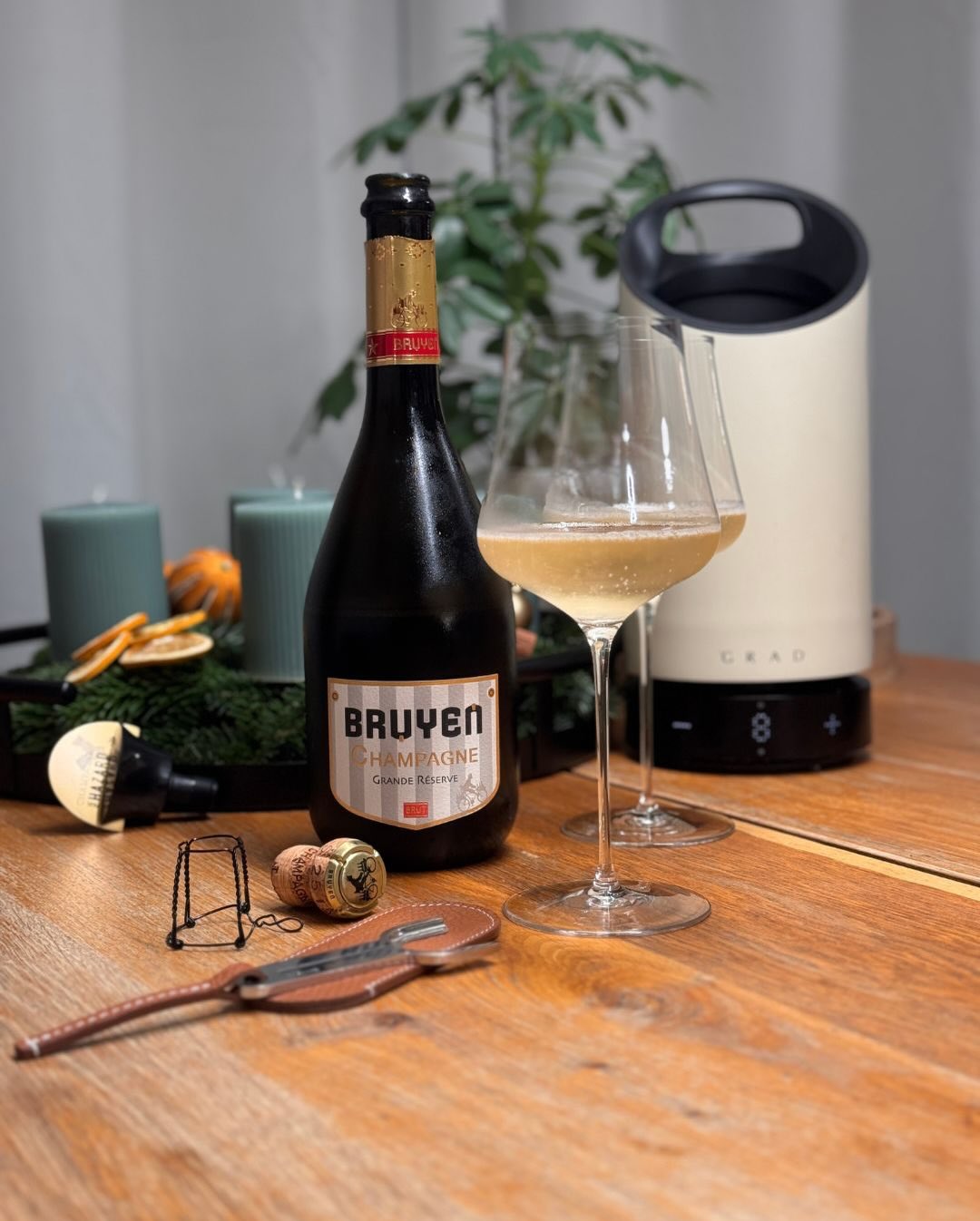
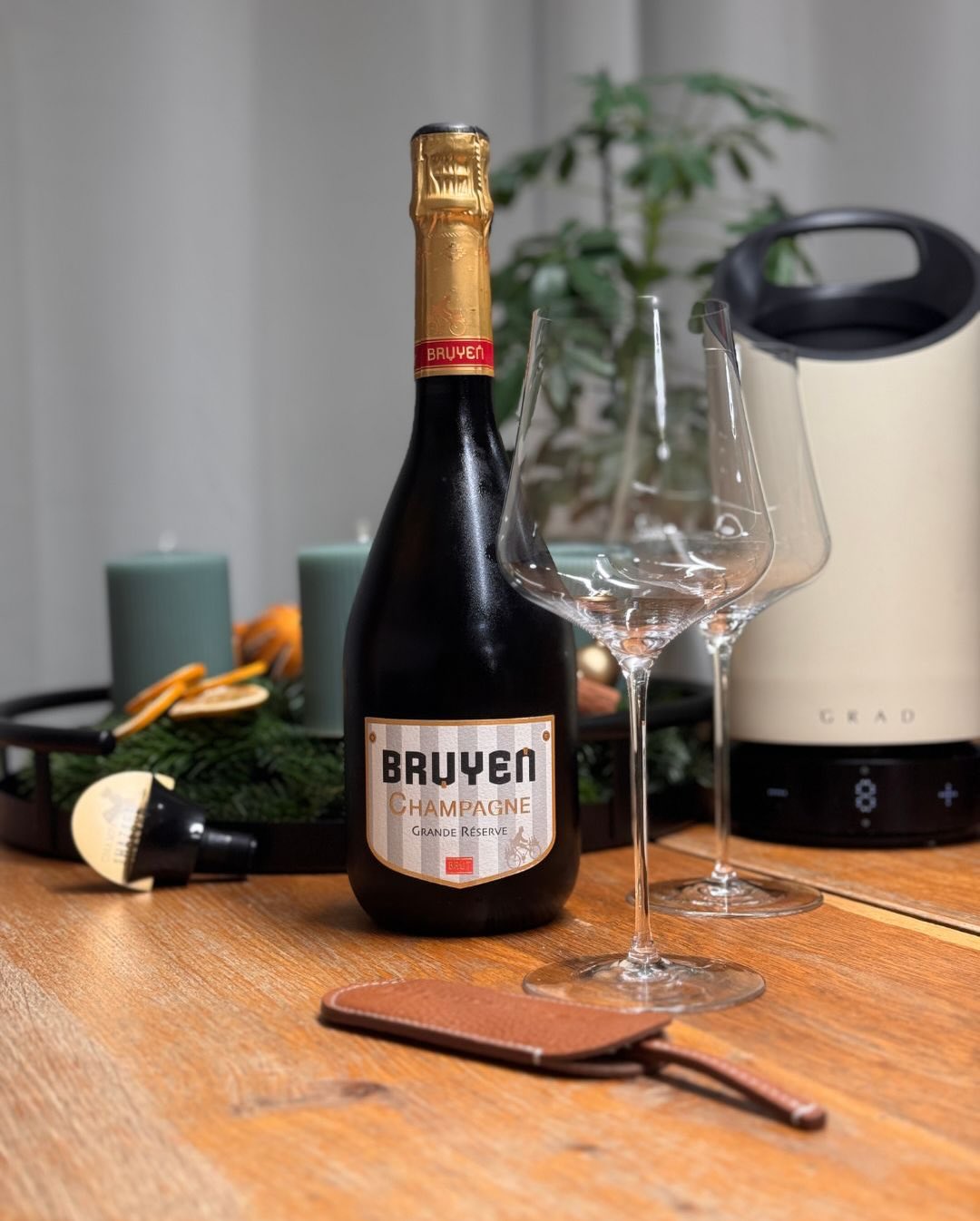
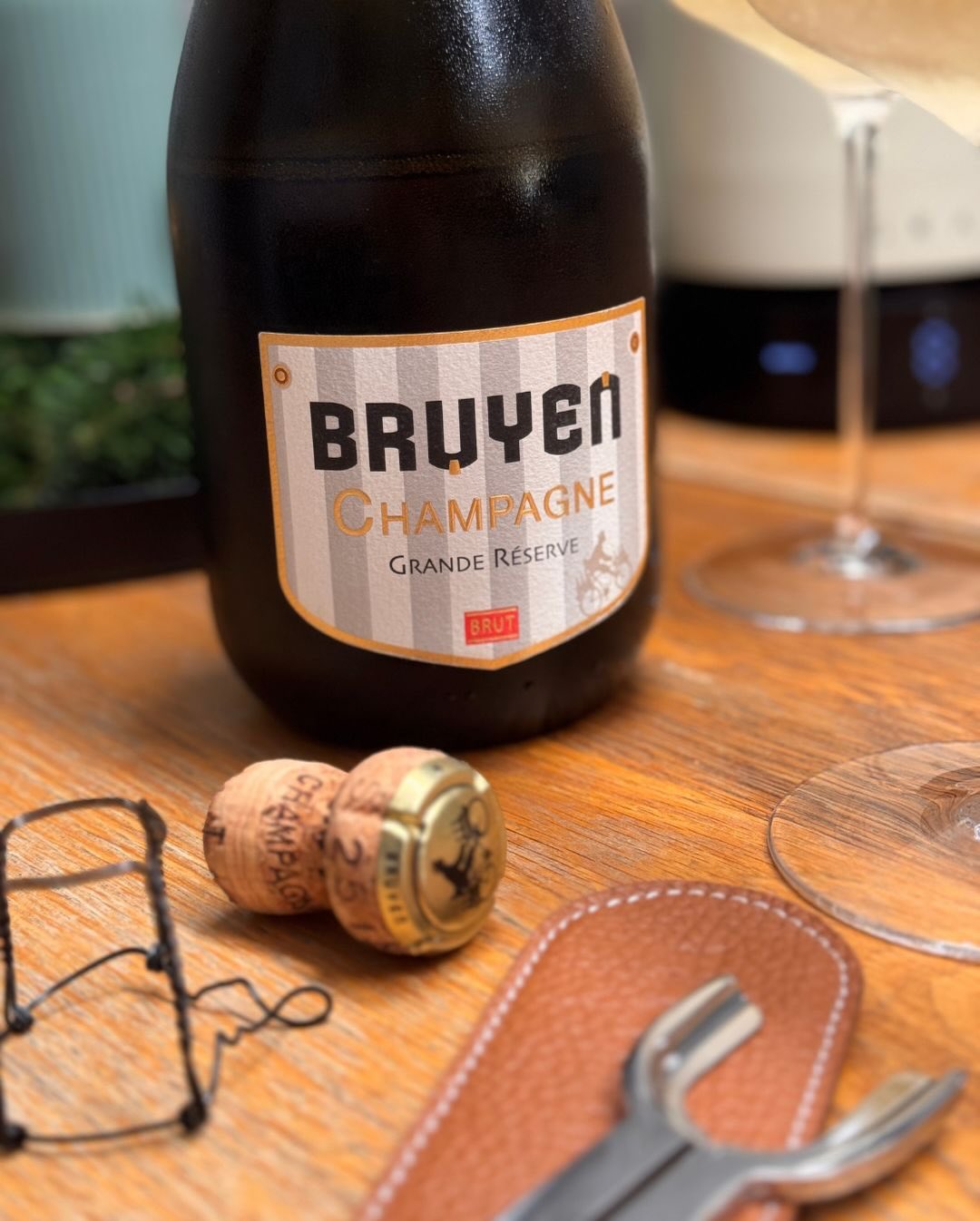
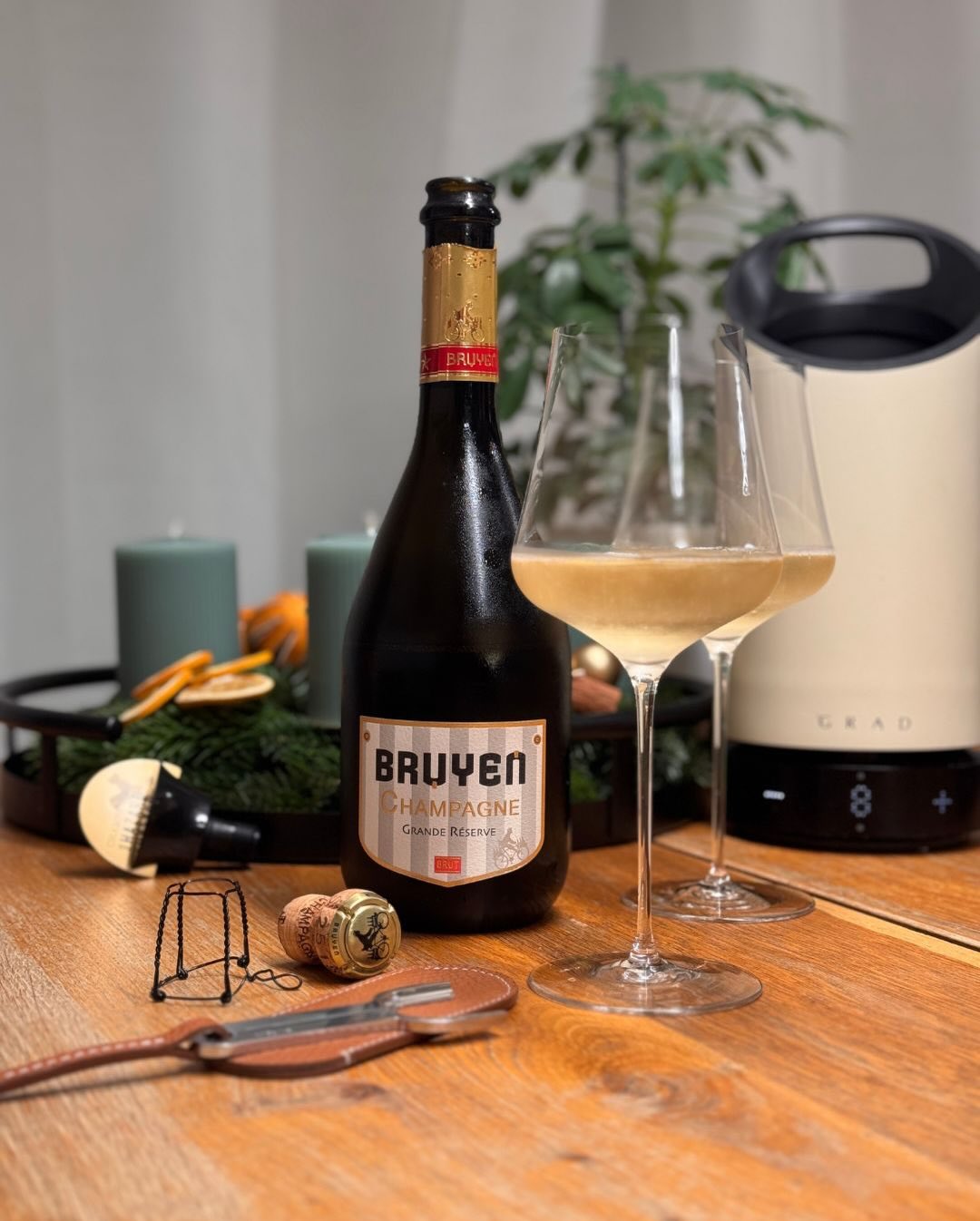
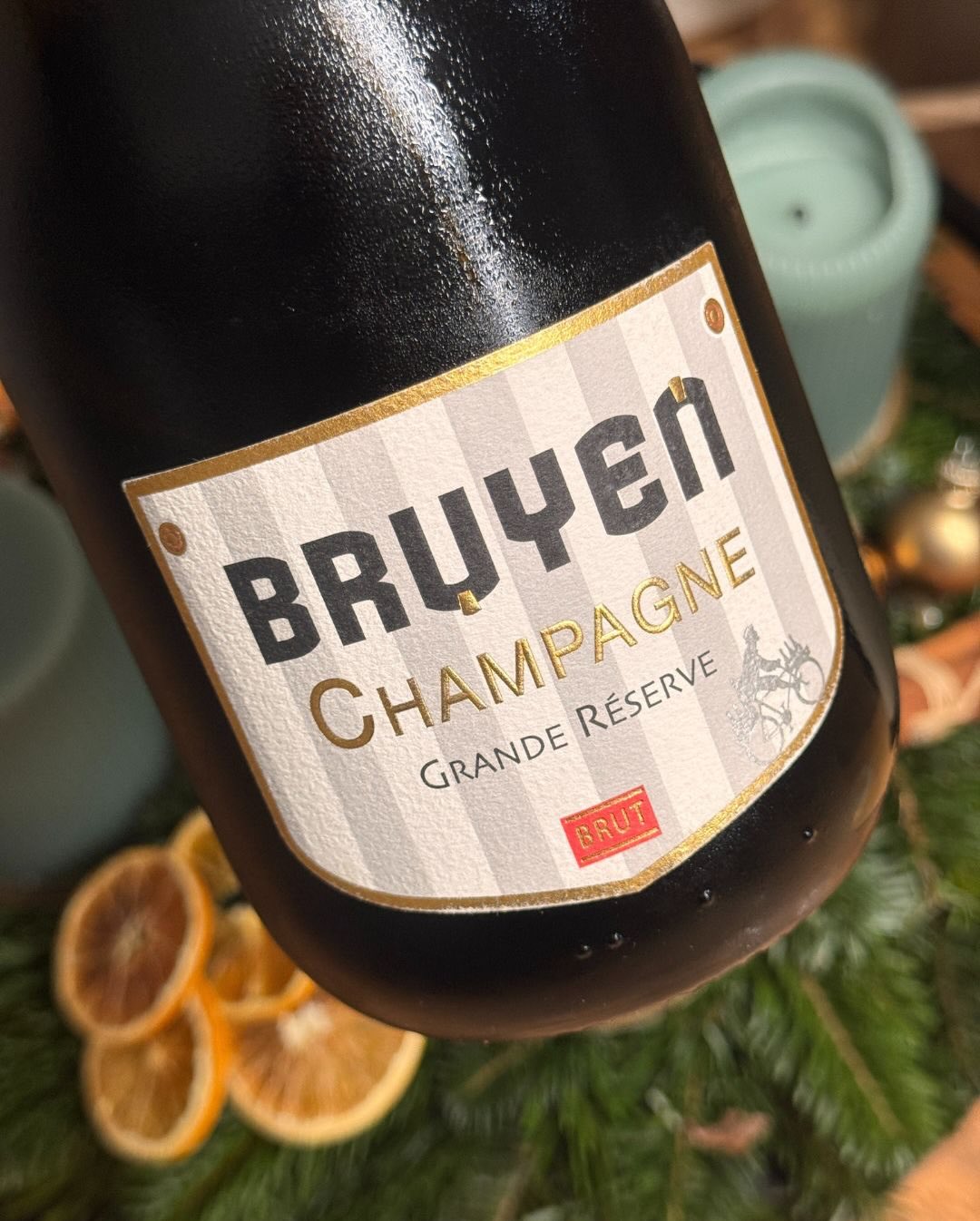
the_champagne.guy Heute der Grande Réserve von @champagnebruyen – ein 50/50-Blend aus Chardonnay und Pinot Noir, Jahrgang 2019, extra brut mit 4 g/l. Schon im Glas wirkt er klar, hell, frisch – nicht überladen, sondern sehr geradlinig. Der Chardonnay zeigt sich zuerst: Zitrus, vor allem Limette und Quitte, ein heller, straffer Duft mit einer feinen mineralischen Linie. Dazu kommt eine ruhige, cremige Note aus der MALO, die dem Wein etwas Weiches gibt. Am Gaumen dann lebendig und frisch, mit dieser klaren Zitrusspannung. Der Pinot Noir taucht eher im zweiten Moment auf – dunklere Beeren, ein Hauch Blaubeere, ein bisschen Rundung im Abgang. Die fünf Jahre Reife merkt man ihm an: Er ist strukturiert, aber leicht. Komplex, aber unkompliziert zu trinken. Champagne-Facts 🥂 Assemblage: 50 % Chardonnay · 50 % Pinot Noir 📅 Vendange: 2019 🕰 Dégorgement: April 2025 🍬 Dosage: 4 g/l (Extra Brut) 🪵 Ausbau: 100 % malolaktisch · 5 Jahre Reife 📍 Montagne de Reims Im direkten Vergleich zum „Le Verre de Vin Parcellaire“, den ich vor ca. 4 Wochen hatte, zeigt die Grande Réserve eine ganz andere Seite des Hauses. Der Parcellaire war kantiger, würziger, klar vom Holz geprägt und dank 100 % Meunier ohne MALO deutlich straffer – ein Wein mit Charakterkanten. Die Grande Réserve wirkt dagegen runder, heller und zitrischer, mehr Chardonnay-getrieben, mit feineren Konturen und weniger Holzeinfluss. Zwei sehr unterschiedliche Stile – aber beide zeigen, wie breit Bruyen arbeiten kann. #TheChampagneGuy @mygabrielglas @gabriel_glas @grad.dk @laclaye #Bruyen #GrandeReserve #ChampagneBruyen #ExtraBrut #MontagnedeReims #GrowerChampagne #ChampagneLife #ChampagneVibes
Auf Instagram weiterlesen →The Champagne harvest is a logistical mammoth task. Imagine: In just 2-3 weeks, 120,000 temporary workers must be coordinated.
The numbers are impressive:
- 120,000 harvest workers (80% seasonal workers)
- 2,000 press facilities must be supplied
- 280 million bottles worth of raw material is harvested
- 34,000 hectares of vineyard simultaneously
Origin of harvest workers:
| Region/Country | Share |
|---|---|
| Local workers | 40% |
| Other French regions | 30% |
| Eastern Europe (Poland, Romania) | 20% |
| Students/vacationers | 10% |
Accommodation often occurs in improvised camps, gymnasiums, or with host families. Many houses have their own "Equipes", core teams that return every year.
What makes a great champagne vintage?
After over a decade of champagne tasting, I can tell you: Great vintages arise from the perfect interplay of several factors.
The criteria of an exceptional year:
Spring:
- Mild, frost-free budbreak
- Sufficient rain for water reserves
- No late frosts after May 15th
Summer:
- Warm but not hot days (25-28°C)
- Cool nights (10-15°C)
- Moderate rainfall (not too dry, not too wet)
Harvest:
- Dry, sunny weather
- Cool nights preserve acidity
- No rot or hail
Legendary vintages and their characteristics:
- 2008: Perfect balance of warmth and acidity
- 2002: Concentrated fruit after hot summer
- 1996: Acid-driven elegance, still brilliant today
- 1990: Opulent and powerful, early accessible
My conclusion on the Champagne Vendange
The Vendange is the moment of truth for every champagne. In France's northernmost wine region, a few weeks determine millions of bottles. The combination of climatic extremes, legal requirements, and logistical precision makes the champagne harvest an annual miracle.
As champagne lovers, you should know: Every bottle you open carries the story of these critical weeks within it. The handiwork of 120,000 people, the decisions of the CIVC, and the weather fortune of a year