As The Champagne Guy, I continually experience magical moments when I open a decades-old champagne and discover the complex aromatic world that has developed over the years. The evolution of champagne aromas is a fascinating phenomenon that captivates every enthusiast.
The Three Phases of Aroma Development
Primary Aromas: Youthful Freshness (0-5 Years)
In the first years, primary aromas dominate, stemming directly from the grapes. This phase is characterized by intense fruitiness and vibrant acidity.
Typical aroma profiles:
- Citrus fruits: Lime, lemon, grapefruit
- Stone fruits: Peach, apricot, nectarine
- Green apples: Granny Smith, unripe pears
- Floral notes: Acacia blossoms, white flowers
- Mineral impressions: Chalk, wet stones
A perfect example is Pol Roger Brut Réserve in its first three years. Here, the fruit literally explodes in the glass – crisp apples, juicy citrus fruits, and a vibrant minerality typical of the Pinot-dominated cuvées from Épernay.
In Chardonnay-focused champagnes like Krug Grande Cuvée, this phase often shows exotic fruit aromas: pineapple, mango, and a buttery creaminess that already hints at the coming development.
Secondary Aromas: The Yeast Revolution (5-15 Years)
After about five years, the most fascinating transformation begins. Secondary aromas develop through autolysis – the breakdown of yeast cells during bottle fermentation.
Characteristic developments:
- Brioche and bread: Freshly baked bread, croissants
- Nuts: Hazelnuts, almonds, roasted walnuts
- Honey: Acacia, linden blossom honey
- Creamy textures: Butter, crème brûlée
- Spice hints: Vanilla, light roasted aromas
I remember a Dom Pérignon 2008 that I tasted after eight years of aging. The initial citrus freshness had given way to complex brioche notes, underlaid with roasted almonds and a hint of honey. The mousse had become creamier, the acidity perfectly integrated.
Bollinger Grande Année develops its characteristic nutty signature particularly pronounced during this phase. The Pinot Noir dominance shows in warm, roasted aromas, while the long lees aging provides the typical creaminess.
Tertiary Aromas: Noble Maturity (15+ Years)
After about 15 years, great champagnes reach their tertiary phase – true maturity. Here, aromas emerge through oxidation and complex chemical reactions.
Maturity characteristics:
- Dried fruits: Raisins, dates, figs
- Mushrooms and earth: Truffles, forest floor, moist earth
- Leather and tobacco: Old leather books, fine cigars
- Caramel: Burnt sugar, toffee
- Complex spice: Gingerbread spices, cinnamon, cloves
A Krug Collection 1990, which I recently had the opportunity to taste after 30 years, showed this development in perfection. The fruit had matured to dried apricots and raisins, joined by truffles, leather, and a fascinating earthy minerality.
Development Timelines: What Happens When?
After 5 Years
Primary fruit aromas begin to integrate. Laurent-Perrier Brut already shows initial brioche hints while citrus freshness remains present.
After 10 Years
Secondary aromas dominate. Veuve Clicquot La Grande Dame develops its characteristic complexity of nuts, honey, and brioche.
After 20 Years
First tertiary notes appear. Salon 1996 begins combining its legendary minerality with truffle and mushroom notes.
After 30+ Years
Complete maturity development. Dom Pérignon 1985 shows the complete spectrum of tertiary aromas in harmonious balance.
Not Every Champagne is Suitable for Aging
Suitable candidates:
- Prestige cuvées: Dom Pérignon, Krug, Cristal
- Vintage champagnes: Vintage champagnes with good acid structure
- Chardonnay-focused cuvées: Better aging ability
- Champagnes with low dosage: Less sugar = better development
Unsuitable champagnes:
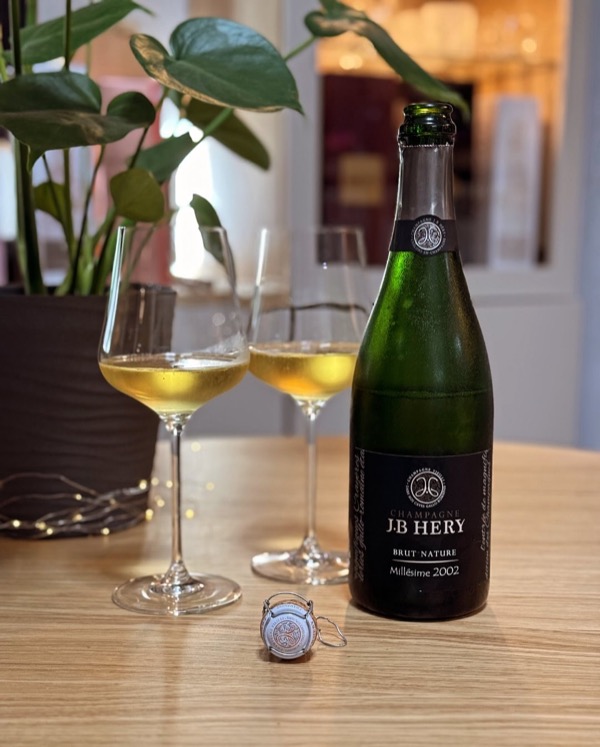
🍾 Heute im Glas: J.B Héry - Millésime 2002 - Brut Nature – ein spannender Fund aus meinem letzten Einkauf. Gerade erst frisch in den Keller…
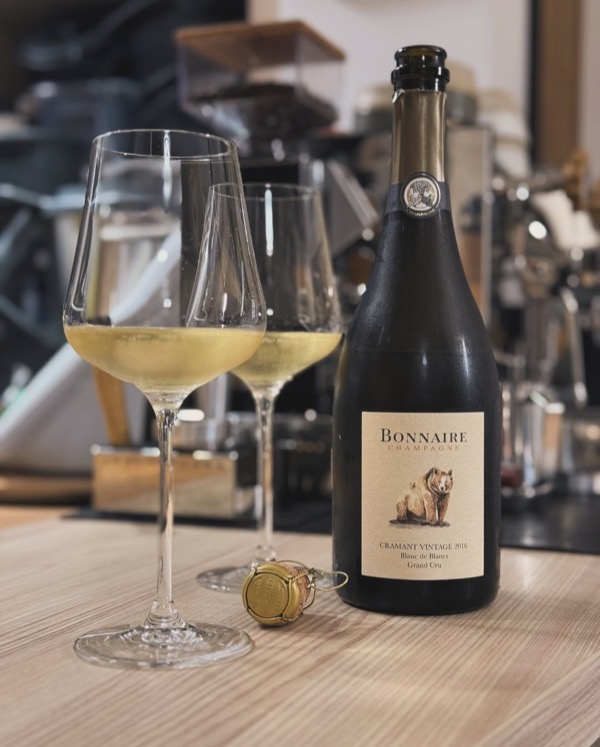
Diese Woche kam eine frische Lieferung direkt aus der Champagne bei mir an – Drei spannende Flaschen von @bonnaireclouet . Für den Auftakt habe ich…
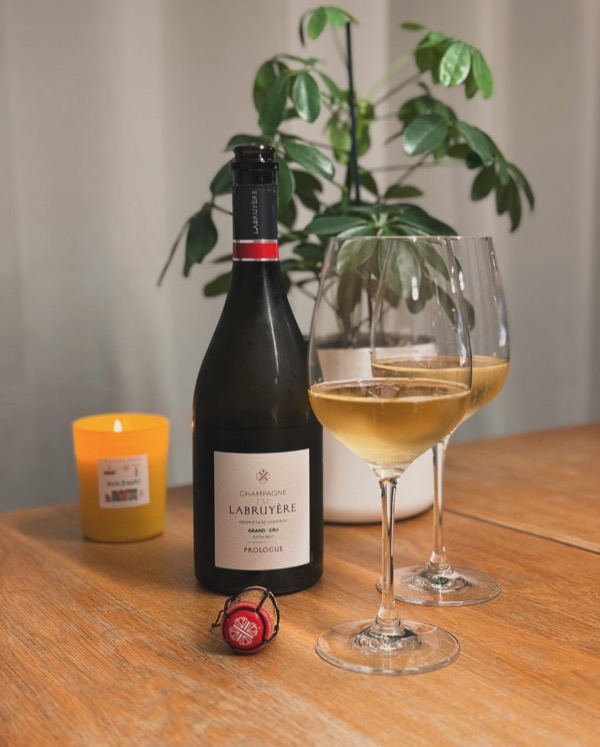
Manchmal hat man eine Erwartung an einen Champagner – und wird dann doch überrascht. Beim @champagne_jm_labruyere - Prologue Extra Brut war genau das…
- Standard non-vintage Brut: Designed for immediate consumption
- Champagnes with high dosage: Sugar masks development
- Rosé champagnes: Usually not intended for long aging
- Already mature champagnes: No further development potential
Determining the Optimal Drinking Window
Visual clues:
- Golden color: Sign of development
- Fine, persistent perlage: Quality marker
- Clear color: No cloudiness or sediments
Aromatic indicators:
- Balanced acidity: No longer bitingly sharp
- Complex nose: Multiple aroma layers recognizable
- Harmonious integration: All elements in harmony
Practical tips:
Taste regularly! I always buy several bottles of a promising champagne and open one every few years to follow the development.
Food Pairing by Maturity Phases
Young champagnes (primary aromas):
- Oysters: The minerality harmonizes perfectly
- Sushi: Fresh aromas support raw fish
- Goat cheese: Acidity cuts through creaminess
Medium maturity (secondary aromas):
- Lobster with butter: Creamy textures complement each other
- Poultry: Brioche notes with roasted chicken
- Soft cheese: Camembert, Brie with nutty notes
Fully mature champagnes (tertiary aromas):
- Truffle dishes: Earthy aromas reinforce each other
- Game birds: Complex spice with intense meat aromas
- Aged hard cheese: Mature Comté with mature champagne
My Personal Recommendations
For beginners, I recommend starting with a Bollinger Special Cuvée and following it over 10 years. The development is clearly recognizable and educational.
Advanced enthusiasts should venture into a Krug Grande Cuvée – the complexity of development is fascinating and shows how different vintages in the assemblage unfold over time.
For experts, a Salon Vintage is the ultimate experience: The pure Chardonnay expression from Le Mesnil-sur-Oger develops unique minerality and complexity over decades.
Aroma development in champagne is a journey that rewards patience. Each phase has its own charm, but the true magic unfolds only over the years. Try it
My Posts About This
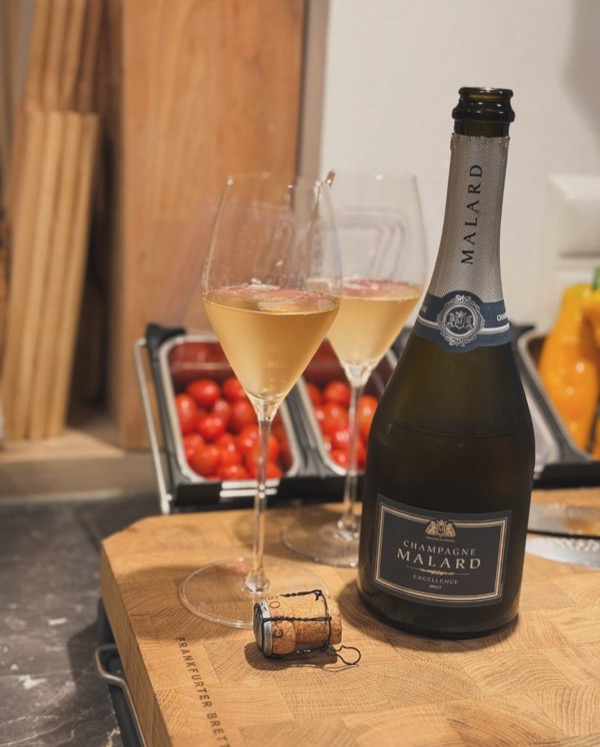
Heute mal Excellence ohne Allüren mit dem Excellence Brut von @champagne_malard. Dieser Champagner bringt beides mit: Anspruch und Trinkfreude. Ideal…
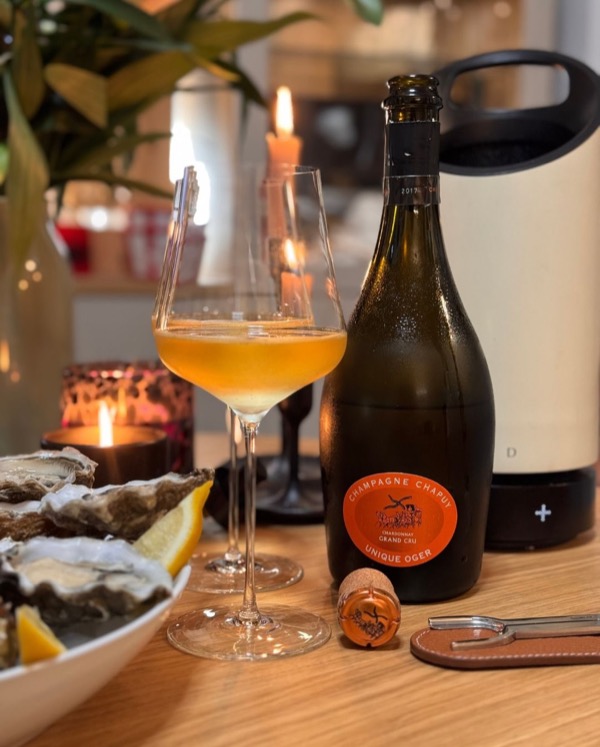
Wenn es um die Kombination mit frischen Austern geht, ist Reinheit für mich mittlerweile das oberste Gebot. Heute im Glas: Der…
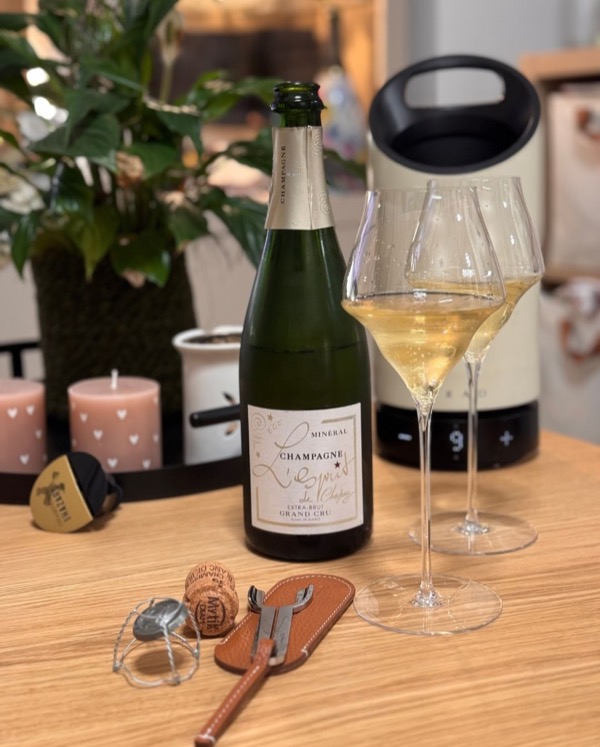
Gestern habe ich die Cuvée Minéral von @champagne_espritchapuy geöffnet. Ein 100 % Chardonnay Grand Cru aus Oger, Basisjahr 2014, mit 30 %…